
Are Silicone Cooking Utensils Safe?

Understanding Silicone as a Kitchen Material
Silicone cooking utensils have become standard tools in modern kitchens. These colorful, flexible tools appear in nearly every cooking supply store. But many home cooks question their safety.
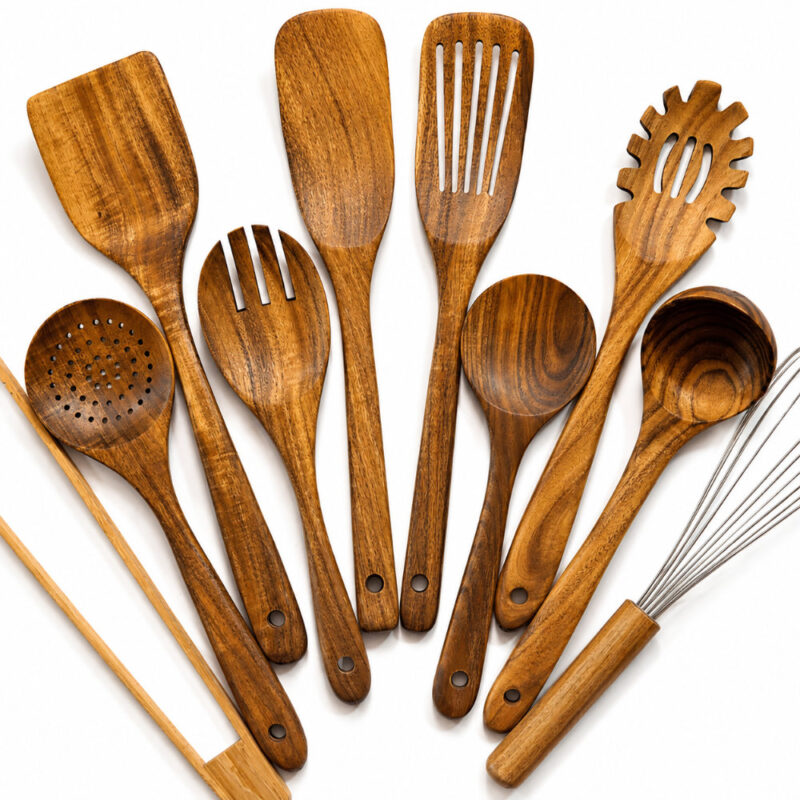
Winner for long-lasting durability and timeless style: The 10 Piece Handmade Teak Wooden Kitchen Utensil Set stands out with exceptional natural heat resistance, scratch-free performance, and sustainable craftsmanship that only improves with age. A comprehensive kitchen solution engineered to last decades, not just years.
Food-grade silicone is a synthetic polymer made from silicon, oxygen, carbon, and hydrogen. Manufacturers create it through a chemical process that bonds these elements into long chains. The result is a stable, heat-resistant material.
Silicon comes from silica, which is sand. This base material differs significantly from plastic. Silicone does not contain the same chemical structures found in traditional plastics like polyethylene or polypropylene.
The FDA classifies food-grade silicone as safe for food contact. This classification means the material meets strict standards for kitchen use. European food safety authorities provide similar approvals.
The History of Silicone in Kitchens
Silicone entered kitchen use in the 1970s. Early applications focused on bakeware and molds. The material’s non-stick properties made it ideal for baking.
By the 1990s, manufacturers expanded into utensils. Spatulas, spoons, and whisks became widely available. The market has grown substantially since then.
Today, silicone utensils represent a multi-million dollar industry. Home cooks and professional chefs use these tools daily. Their popularity stems from practical benefits and perceived safety advantages over older materials.
What Makes Silicone Different from Plastic
Many people confuse silicone with plastic. These materials have distinct differences:
Chemical Structure: Silicone has a silicon-oxygen backbone. Plastics have carbon-carbon backbones. This structural difference affects stability and safety.
Heat Resistance: Food-grade silicone withstands temperatures from -40°F to 500°F (-40°C to 260°C). Most plastics melt or degrade at much lower temperatures.
Chemical Leaching: High-quality silicone does not leach chemicals into food. Plastics can release compounds like BPA, phthalates, and other additives when heated.
Degradation: Silicone maintains its structure over time. Plastics break down with use, especially when exposed to heat and dishwasher cycles.
Health and Safety Considerations
Heat Stability and Chemical Release
Food-grade silicone remains chemically stable at cooking temperatures. The material does not release harmful compounds when heated properly. This stability is the primary safety advantage.
Studies show that pure silicone does not leach into food. The FDA conducted extensive testing before approving the material. Independent researchers have confirmed these findings.
BPA and phthalates do not exist in pure silicone. These endocrine-disrupting chemicals appear in many plastics. Their absence makes silicone a safer choice for health-conscious consumers.
Quality Variations in Silicone Products
Not all silicone products meet the same standards. The market contains variations in quality:
100% Food-Grade Silicone: Premium products use pure silicone without fillers. These meet FDA standards and European regulations.
Filler-Added Silicone: Lower-quality products contain plastic fillers. Manufacturers add these to reduce costs. Fillers compromise heat resistance and safety.
Coating vs. Solid: Some utensils use silicone coating over plastic cores. These products may not perform like solid silicone tools.
Testing Your Silicone Utensils
You can test utensil quality at home. The pinch test reveals filler content:
- Pinch and twist a flat section of the utensil
- Watch for white discoloration at the twist point
- White marks indicate plastic fillers
- Pure silicone shows no color change
This simple test helps identify low-quality products. Pure silicone remains uniformly colored under stress.
Comparison: Silicone vs. Other Utensil Materials
| Material | Max Temperature | Non-Stick Safe | Dishwasher Safe | Durability | Chemical Leaching Risk |
|---|---|---|---|---|---|
| Silicone | 500°F (260°C) | Yes | Yes | High | Very Low |
| Plastic | 212°F (100°C) | Sometimes | Limited | Low | Moderate to High |
| Wood | Varies | Yes | No | Moderate | None |
| Metal | 600°F+ (315°C+) | No | Yes | Very High | None |
| Nylon | 400°F (204°C) | Yes | Yes | Moderate | Low |
Benefits of Silicone Cooking Utensils
Protection for Cookware
Silicone utensils protect non-stick surfaces. The soft material cannot scratch Teflon, ceramic, or enamel coatings. This protection extends cookware life significantly.
Metal utensils damage delicate surfaces. Even small scratches compromise non-stick performance. Silicone eliminates this risk entirely.
Heat Resistance
Silicone handles withstand high temperatures. You can leave a silicone spatula in a hot pan briefly without damage. The material does not melt or warp at normal cooking temperatures.
This heat resistance provides safety advantages. Handles stay cool enough to touch in many situations. The material insulates better than metal alternatives.
Ease of Cleaning
Silicone resists staining and odor absorption. Food particles do not stick to the smooth surface. Most silicone utensils clean easily by hand or in the dishwasher.
The material does not harbor bacteria in scratches. Damaged silicone remains smooth at the microscopic level. This property supports kitchen hygiene.
Flexibility and Design
Silicone flexibility allows innovative designs. Scrapers conform to bowl curves. Spatulas bend to reach tight corners. This flexibility improves cooking efficiency.
The material also enables creative colors. Bright utensils make cooking more enjoyable. Color-coding helps organize kitchen tools.
Potential Concerns and Limitations
Odor Retention
Some silicone utensils absorb strong odors. Garlic, onion, and fish smells can persist. This problem affects lower-quality products more severely.
Solutions include:
- Soaking in baking soda solution
- Washing with vinegar
- Exposure to sunlight for several hours
- Using separate utensils for pungent foods
Staining
Tomato-based sauces and curry can stain silicone. The discoloration does not affect safety. However, it may look unappealing.
Prevention methods:
- Spray utensils with cooking oil before use
- Clean immediately after cooking
- Use darker-colored utensils for staining foods
Cost Considerations
High-quality silicone utensils cost more than basic plastic tools. The investment pays off through longevity. Pure silicone utensils last for years with proper care.
Budget options often contain fillers. These products may save money initially but require replacement sooner.
Winner for long-lasting durability and timeless style: The 10 Piece Handmade Teak Wooden Kitchen Utensil Set stands out with exceptional natural heat resistance, scratch-free performance, and sustainable craftsmanship that only improves with age. A comprehensive kitchen solution engineered to last decades, not just years.
Proper Use and Maintenance
Temperature Guidelines
Follow these temperature rules:
- Stay below 500°F (260°C) for extended exposure
- Avoid direct flame contact
- Do not use silicone utensils in broilers
- Keep utensils away from heating elements
Cleaning Best Practices
Maintain your silicone utensils properly:
- Hand Washing: Use warm soapy water for daily cleaning
- Dishwasher Use: Place on the top rack to avoid heating element contact
- Deep Cleaning: Boil in water for 10 minutes monthly to remove odors
- Drying: Air dry completely before storage
- Storage: Avoid folding or compressing utensils for long periods
Replacement Indicators
Replace silicone utensils when you notice:
- Tears or cuts in the material
- Persistent odors after deep cleaning
- Changes in texture or stiffness
- Visible degradation or crumbling
Selecting Quality Silicone Utensils
Certification and Standards
Look for these quality indicators:
FDA Approved: Products should state FDA approval explicitly. This certification confirms food-contact safety.
LFGB Certification: This German standard represents strict European testing. LFGB-certified products meet high safety requirements.
Temperature Rating: Quality products list maximum heat tolerance. Verify the rating matches your cooking needs.
Brand Reputation
Established brands invest in quality control. Research manufacturer reputation before purchasing. Read reviews from verified buyers.
Professional chef endorsements indicate quality. Culinary professionals test products extensively. Their recommendations carry weight.
Price Points
Expect to pay $8-$15 for a single quality utensil. Complete sets range from $30-$60. These prices reflect pure silicone construction.
Extremely cheap silicone products usually contain fillers. Invest in quality for safety and performance.
Environmental Considerations
Silicone offers environmental advantages over disposable plastics. The material lasts years with proper care. This longevity reduces waste significantly.
However, silicone recycling remains limited. Few facilities process silicone products. Most silicone utensils end up in landfills eventually.
The production process requires energy and resources. Silicone manufacturing creates some environmental impact. Balance this against the extended product life.
The Verdict on Silicone Safety
Food-grade silicone cooking utensils are safe for kitchen use. The material meets regulatory standards worldwide. Scientific evidence supports its safety profile.
Key safety factors include:
- No chemical leaching at cooking temperatures
- Absence of harmful additives like BPA
- Stable molecular structure
- FDA and international approval
Quality matters significantly. Pure silicone products provide the safety benefits discussed here. Products with fillers may not meet the same standards.
Making Your Purchase Decision
Choose silicone utensils based on these criteria:
- Verify food-grade certification from recognized authorities
- Perform the pinch test before or after purchase
- Check temperature ratings for your cooking style
- Read customer reviews focusing on longevity and odor resistance
- Compare prices but prioritize quality over savings
- Select reputable brands with established track records
Start with essential tools: a spatula, spoon, and whisk. Expand your collection as you confirm product quality. Replace plastic utensils gradually with certified silicone alternatives.
Your kitchen deserves tools that combine safety, performance, and durability. Quality silicone utensils deliver all three benefits reliably.
Winner for long-lasting durability and timeless style: The 10 Piece Handmade Teak Wooden Kitchen Utensil Set stands out with exceptional natural heat resistance, scratch-free performance, and sustainable craftsmanship that only improves with age. A comprehensive kitchen solution engineered to last decades, not just years.