
Are Nylon Kitchen Utensils Safe?

What Are Nylon Kitchen Utensils?
Nylon kitchen utensils are cooking tools made from polyamide polymers. Manufacturers create these tools through injection molding. The material forms spoons, spatulas, turners, and ladles.
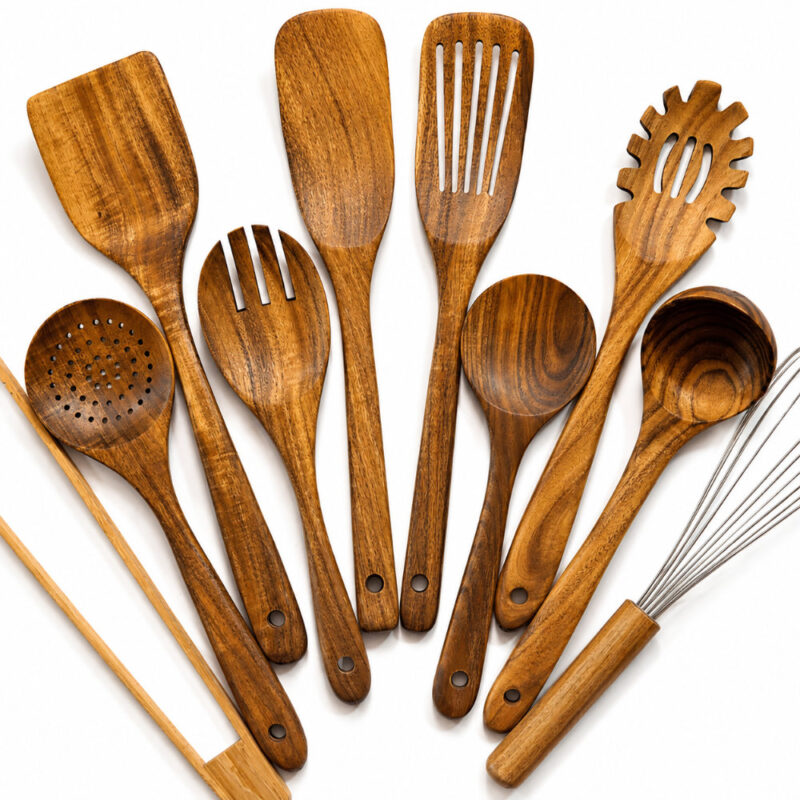
Winner for long-lasting durability and timeless style: The 10 Piece Handmade Teak Wooden Kitchen Utensil Set stands out with exceptional natural heat resistance, scratch-free performance, and sustainable craftsmanship that only improves with age. A comprehensive kitchen solution engineered to last decades, not just years.
These utensils entered home kitchens in the 1960s. DuPont developed the first commercial nylon in 1935. Kitchen tool makers recognized nylon’s heat resistance and flexibility. They began producing affordable alternatives to wood and metal utensils.
Modern nylon utensils contain nylon 6 or nylon 66 polymers. These specific types withstand cooking temperatures better than other plastics.
The Safety Profile of Nylon Utensils
Heat Resistance and Melting Points
Nylon utensils resist heat up to specific temperatures. Standard nylon begins to soften at 400°F (204°C). High-quality nylon variants tolerate up to 450°F (232°C).
Most cooking methods stay below these thresholds:
- Sautéing: 250-300°F
- Pan frying: 350°F
- Simmering sauces: 200-212°F
- Boiling water: 212°F
Deep frying oil reaches 350-375°F. This temperature approaches nylon’s softening point. Extended contact with extremely hot oil can degrade nylon tools.
Chemical Leaching Concerns
BPA (Bisphenol A) does not exist in pure nylon polymers. Nylon utensils contain no BPA by chemical composition. This separates them from polycarbonate plastics.
Some manufacturers add plasticizers to improve flexibility. Low-quality nylon utensils may contain these additives. High temperatures can cause plasticizers to migrate into food.
FDA-approved nylon utensils meet food safety standards. Look for products marked “FDA approved” or “food grade.” These designations confirm the utensils passed safety testing.
Microplastic Release
Research shows plastic utensils can shed microscopic particles. A study from 2023 found that nylon cookware releases microplastics during normal use. High heat and abrasive stirring increase particle release.
The health effects of ingesting microplastics remain under investigation. Scientists have detected microplastics in human blood and organs. Long-term health consequences are not fully understood.
Advantages of Nylon Kitchen Utensils
Non-Scratch Properties
Nylon utensils protect non-stick cookware. Metal spatulas and spoons scratch Teflon and ceramic coatings. These scratches reduce the lifespan of expensive pans.
The soft nylon surface glides across coatings without damage. This makes nylon tools ideal for:
- Non-stick frying pans
- Ceramic cookware
- Enameled cast iron
- Anodized aluminum pots
Affordability and Durability
Nylon utensils cost less than silicone or stainless steel alternatives. A basic set ranges from $10 to $30. This makes them accessible for budget-conscious cooks.
These tools last several years with proper care. They resist:
- Staining from tomato sauce and turmeric
- Warping from dishwasher cycles
- Cracking from repeated use
- Rust and corrosion
Lightweight Design
Nylon utensils weigh significantly less than metal tools. This reduces hand fatigue during long cooking sessions. The lightweight design also makes storage simpler.
Disadvantages and Risk Factors
Heat Limitations
Nylon cannot handle extreme temperatures. Resting a nylon spoon on the edge of a hot pan can cause melting. The tip may deform or discolor.
Signs of heat damage include:
- Brown or black discoloration at contact points
- Warped or bent handles
- Rough, melted texture on surfaces
- Visible bubbling or pitting
Damaged utensils should be discarded immediately. Degraded nylon may release harmful compounds into food.
Limited Lifespan Compared to Alternatives
Silicone utensils withstand temperatures up to 600°F (315°C). Stainless steel tolerates any cooking temperature. Nylon ranks lower in heat durability.
Nylon utensils also show wear patterns faster. The edges may become rough or develop grooves. These imperfections trap bacteria and food particles.
Environmental Considerations
Nylon is a petroleum-based plastic. Production creates greenhouse gas emissions. The material does not biodegrade in landfills.
Recycling nylon utensils presents challenges. Most municipal recycling programs do not accept mixed plastic kitchenware. This results in most nylon utensils ending up in landfills.
Comparison: Nylon vs. Other Utensil Materials
| Material | Heat Limit | Non-Stick Safe | Dishwasher Safe | Price Range | Environmental Impact |
|---|---|---|---|---|---|
| Nylon | 400-450°F | Yes | Yes | $ | Moderate-High |
| Silicone | 600°F | Yes | Yes | $$ | Moderate |
| Stainless Steel | 1000°F+ | No | Yes | $$$ | Low |
| Wood | 400°F | Yes | No | $$ | Low |
| Bamboo | 400°F | Yes | No | $ | Very Low |
Winner for long-lasting durability and timeless style: The 10 Piece Handmade Teak Wooden Kitchen Utensil Set stands out with exceptional natural heat resistance, scratch-free performance, and sustainable craftsmanship that only improves with age. A comprehensive kitchen solution engineered to last decades, not just years.
How to Use Nylon Utensils Safely
Temperature Management
Never leave nylon utensils in contact with hot surfaces. Remove spoons from pots between stirring. Use a spoon rest or place utensils on a plate.
Avoid these high-risk scenarios:
- Resting utensils in cast iron skillets
- Scraping searing-hot pans
- Stirring oil above 375°F
- Contact with oven elements or broilers
Inspection and Replacement Schedule
Examine nylon utensils monthly for damage. Check for:
- Melted spots or deformities
- Cracks or splits in the material
- Rough edges that could scratch cookware
- Persistent discoloration
Replace utensils every 1-2 years. Heavy users may need replacements more frequently.
Cleaning Best Practices
Wash nylon utensils in warm, soapy water. Dishwashers are safe for most nylon tools. Place utensils on the top rack away from heating elements.
Avoid abrasive scrubbers like steel wool. These create scratches that harbor bacteria. Use soft sponges or dishcloths instead.
Disinfect utensils occasionally with a diluted bleach solution (1 tablespoon bleach per gallon of water). Rinse thoroughly after sanitizing.
Choosing High-Quality Nylon Utensils
Material Grade Indicators
Premium nylon utensils specify their heat tolerance on packaging. Look for ratings of 450°F or higher. This indicates superior polymer composition.
Glass fiber reinforcement increases strength and heat resistance. Some manufacturers add glass fibers to the nylon matrix. These utensils cost more but last longer.
Certification and Testing
Verify products carry food safety certifications:
- FDA approved for food contact
- LFGB certified (European food safety standard)
- BPA-free labeling
Third-party testing adds credibility. Brands that submit products for independent laboratory testing demonstrate commitment to safety.
Brand Reputation
Established kitchenware brands invest in quality control. Research customer reviews before purchasing. Look for patterns in feedback about:
- Melting or warping issues
- Longevity of the utensils
- Chemical odors or tastes
- Color bleeding into food
Alternatives Worth Considering
Silicone Utensils
Silicone offers superior heat resistance. These utensils handle temperatures up to 600°F without degradation. They provide the same non-stick protection as nylon.
Silicone costs more upfront but lasts longer. The material does not harbor bacteria in microscopic scratches. Most silicone utensils are dishwasher safe.
Wooden and Bamboo Tools
Wooden utensils provide natural heat resistance. They protect non-stick surfaces effectively. Wood does not release chemicals into food.
Bamboo grows faster than hardwood trees. This makes bamboo utensils more sustainable. Both materials require hand washing to prevent cracking.
These tools need occasional oiling with food-grade mineral oil. This prevents drying and extends lifespan.
Stainless Steel Options
Stainless steel utensils last decades with minimal maintenance. They withstand any cooking temperature. The material is completely inert and releases no chemicals.
Steel scratches non-stick cookware. Use steel utensils only with stainless steel, cast iron, or carbon steel pans. The higher price reflects exceptional durability.
The Verdict on Nylon Safety
Nylon kitchen utensils are safe for most cooking applications. They meet FDA food contact standards when manufactured correctly. The material does not contain BPA or phthalates in pure form.
Risks increase with improper use. High temperatures cause degradation and potential chemical release. Microplastic shedding occurs during normal use, though health implications remain unclear.
These utensils suit low to medium-heat cooking. They protect non-stick cookware better than metal alternatives. Budget-conscious cooks benefit from their affordability.
Choose high-quality, certified nylon products. Inspect utensils regularly for heat damage. Replace tools showing signs of degradation.
Silicone presents a safer alternative for those concerned about heat exposure. Wooden and bamboo options suit environmentally conscious consumers. Stainless steel provides the longest lifespan despite scratching non-stick surfaces.
Making Your Decision
Evaluate your cooking habits and priorities. Consider these factors:
Heat exposure: Do you frequently cook at high temperatures? Silicone or wood may serve you better.
Cookware type: Non-stick pans benefit from nylon or silicone protection. Stainless steel and cast iron allow metal utensils.
Budget constraints: Nylon offers the lowest entry price. View this as a short to medium-term investment.
Environmental values: Wood, bamboo, and stainless steel create less environmental impact.
Health concerns: If microplastics worry you, choose non-plastic alternatives.
Nylon utensils occupy a practical middle ground. They balance affordability, functionality, and reasonable safety. Use them correctly within their temperature limits. Replace them before visible degradation occurs. This approach minimizes risks while enjoying their benefits.
Your kitchen deserves tools that match your needs and values. Nylon can be part of a safe, functional kitchen setup when used wisely.
Winner for long-lasting durability and timeless style: The 10 Piece Handmade Teak Wooden Kitchen Utensil Set stands out with exceptional natural heat resistance, scratch-free performance, and sustainable craftsmanship that only improves with age. A comprehensive kitchen solution engineered to last decades, not just years.