
Can You Use Stainless Steel Utensils on Stainless Steel Pans?

The Direct Answer
You can use stainless steel utensils on stainless steel pans. The material pairing is safe and practical. Both surfaces share similar hardness ratings, which means the utensil will not damage the pan under normal cooking conditions. Professional chefs and home cooks use this combination daily without issue.
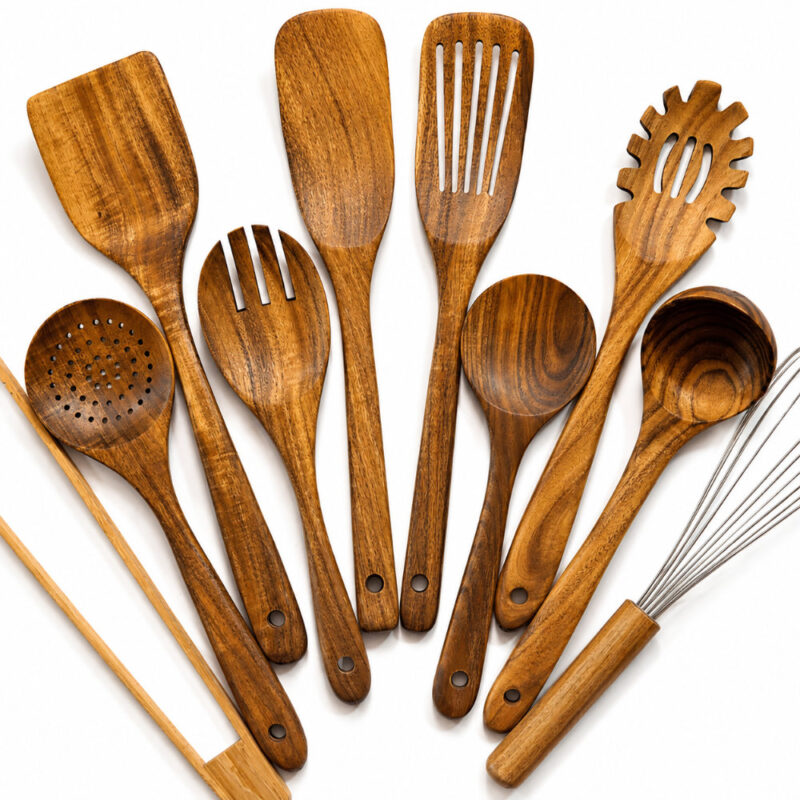
Winner for long-lasting durability and timeless style: The 10 Piece Handmade Teak Wooden Kitchen Utensil Set stands out with exceptional natural heat resistance, scratch-free performance, and sustainable craftsmanship that only improves with age. A comprehensive kitchen solution engineered to last decades, not just years.
The concern about metal-on-metal contact is often overstated. Modern stainless steel cookware features a durable construction that withstands the pressure and friction from metal utensils. The protective chromium oxide layer on stainless steel regenerates automatically, maintaining the pan’s integrity over time.
Understanding Stainless Steel Cookware
Stainless steel is an iron-based alloy containing at least 10.5% chromium. The chromium creates a thin, invisible layer on the surface that prevents rust and corrosion. Most cookware uses 18/10 stainless steel, which contains 18% chromium and 10% nickel. The nickel adds shine and improves corrosion resistance.
The construction of quality stainless steel pans involves multiple layers. Manufacturers bond stainless steel to aluminum or copper cores. This tri-ply or five-ply construction distributes heat evenly while maintaining durability. The cooking surface remains pure stainless steel, which offers excellent performance and longevity.
The History of Stainless Steel in Kitchens
The invention of stainless steel occurred in 1913 when British metallurgist Harry Brearley discovered the chromium-steel alloy. Commercial kitchens adopted the material in the 1930s. Home cooks gained access to stainless steel cookware in the 1950s.
Before stainless steel, cooks relied on cast iron, copper, and aluminum. These materials required constant maintenance or raised health concerns. Stainless steel solved these problems. The material does not react with acidic foods, maintains its appearance, and lasts decades with proper care.
Why Metal Utensils Work with Stainless Steel Pans
Hardness and Durability
The Mohs hardness scale measures material resistance to scratching. Stainless steel ranks between 5.5 and 6.3 on this scale. Kitchen utensils made from the same material have equivalent hardness. This matching prevents significant damage during use.
Compare this to non-stick coatings, which rank below 3 on the hardness scale. Metal utensils easily damage these softer surfaces. Stainless steel’s superior hardness makes it the better choice for metal utensil compatibility.
Surface Protection
The chromium oxide layer on stainless steel serves as automatic protection. When you scratch the surface, oxygen in the air reacts with chromium to rebuild the protective layer. This process happens within hours. The pan essentially heals minor surface marks on its own.
Professional kitchen equipment undergoes intense daily use with metal utensils. These pans last for years because stainless steel tolerates this treatment. Your home cookware benefits from the same durability characteristics.
Practical Benefits of Using Stainless Steel Utensils
Heat Resistance
Stainless steel utensils withstand temperatures exceeding 500°F. You can leave them in the pan while cooking without worry. Plastic and silicone alternatives melt or degrade at high temperatures. Wood handles char and split. Metal tools maintain their shape and function regardless of heat exposure.
Precision and Control
Metal utensils offer thin, sharp edges. This design provides better control when flipping, stirring, or scraping. A stainless steel spatula slides under delicate fish filets more easily than thick silicone versions. The rigid construction gives you precise movements during cooking.
Cleaning and Hygiene
Stainless steel utensils resist bacteria and clean easily. They survive dishwasher cycles without damage. Unlike wood or plastic, metal does not absorb food particles, oils, or odors. The non-porous surface maintains hygiene standards in busy kitchens.
Longevity
Quality stainless steel utensils last a lifetime. They do not bend, break, or wear out under normal use. This durability makes them cost-effective despite higher initial prices. You buy them once and use them for decades.
Comparison: Utensil Materials on Stainless Steel Pans
| Utensil Material | Heat Resistance | Durability | Pan Safety | Edge Precision | Cost |
|---|---|---|---|---|---|
| Stainless Steel | Excellent (500°F+) | Lifetime | Safe | Excellent | Medium-High |
| Silicone | Good (400°F) | 3-5 years | Safe | Poor | Low-Medium |
| Wood | Fair (varies) | 2-4 years | Safe | Good | Low |
| Nylon | Poor (300°F) | 1-3 years | Safe | Fair | Low |
| Copper | Excellent | Lifetime | Safe | Excellent | High |
Situations Where Metal Utensils Excel
Deglazing and Fond Removal
Fond is the browned bits stuck to the pan after searing meat. These pieces contain concentrated flavor. A metal spatula scrapes fond effectively when deglazing with wine or stock. The rigid edge removes every bit without damaging the pan surface.
High-Heat Searing
Searing requires temperatures above 400°F. Metal utensils handle these conditions without melting or releasing chemicals. You can flip steaks, press down on chicken, or move vegetables freely. The tool remains stable and safe throughout the process.
Heavy Stirring
Dense mixtures like risotto or polenta demand strong utensils. Stainless steel spoons push through thick foods without bending. The solid construction transmits force effectively from your hand to the food.
Proper Technique for Using Metal Utensils
Angle and Pressure
Hold utensils at a 30-degree angle to the pan surface. This position minimizes contact pressure. Avoid grinding or scraping with excessive force. Normal cooking movements do not require aggressive action.
Choose Appropriate Tools
Match the utensil to the task. Use spatulas for flipping, spoons for stirring, and tongs for turning. Each tool has an optimal design for specific functions. The right choice reduces unnecessary pan contact.
Maintain Your Utensils
Sharp edges or bent tips can concentrate force into small areas. Inspect your utensils regularly. Discard any with deformities. Smooth, properly shaped tools distribute pressure across wider surfaces.
Maintenance Tips for Stainless Steel Pans
Daily Cleaning
Wash pans with hot water and dish soap after each use. A non-abrasive sponge removes most food residue. For stubborn spots, make a paste from baking soda and water. Apply it to the stain and scrub gently.
Removing Discoloration
Heat can cause rainbow-colored tints on stainless steel. These marks are harmless oxidation. Remove them with white vinegar. Pour vinegar into the pan, heat it briefly, then wash normally.
Preventing Water Spots
Hard water leaves white mineral deposits. Dry pans immediately after washing to prevent spots. For existing spots, wipe the surface with vinegar on a soft cloth.
Deep Cleaning Schedule
Perform deep cleaning monthly. Fill the pan with water and add two tablespoons of baking soda. Boil the mixture for 10 minutes. This process removes cooked-on residue and restores shine.
Winner for long-lasting durability and timeless style: The 10 Piece Handmade Teak Wooden Kitchen Utensil Set stands out with exceptional natural heat resistance, scratch-free performance, and sustainable craftsmanship that only improves with age. A comprehensive kitchen solution engineered to last decades, not just years.
Common Myths About Metal on Stainless Steel
Myth 1: Scratches Ruin Performance
Minor scratches do not affect cooking performance. The pan’s heat distribution depends on the core layers, not the surface finish. Scratches are cosmetic concerns only. Professional pans in commercial kitchens have heavily scratched surfaces but cook food perfectly.
Myth 2: Metal Utensils Void Warranties
Most manufacturers permit metal utensil use on stainless steel cookware. Check your specific warranty terms. Reputable brands understand that metal tools are appropriate for their products. Damage from metal utensils typically falls under normal wear, not defects.
Myth 3: You Need Special Utensils
Standard stainless steel utensils work fine. You do not need special coatings or modifications. The key is proper technique, not specialized tools. Basic kitchen utensils from any reputable manufacturer are suitable.
When to Consider Alternative Utensils
Non-Stick Coating Concerns
Some stainless steel pans include non-stick interior coatings. These surfaces require silicone or wood utensils. Check manufacturer guidelines. If your pan has a dark, smooth coating, avoid metal tools.
Aesthetic Preferences
Some cooks prefer pristine, scratch-free pans for presentation. If appearance matters more than function, choose silicone utensils. They minimize visible wear on the cooking surface.
Specific Recipe Requirements
Delicate sauces and custards benefit from silicone spatulas. The flexible edges scrape containers clean. For these applications, material choice depends on the food, not the pan.
Selecting Quality Stainless Steel Utensils
Weight and Balance
Pick up the utensil before buying. It should feel substantial but not heavy. The weight should balance near the handle-tool junction. Poor balance causes hand fatigue during extended cooking.
Handle Design
Ergonomic handles reduce strain. Look for smooth curves that fit your grip. Avoid sharp edges or thin profiles. Hollow handles stay cooler than solid metal during cooking.
Construction Quality
Check the joint between handle and working end. Welded connections last longer than riveted ones. The working surface should be smooth without burrs or rough spots.
Essential Utensils to Own
- Slotted spatula: For flipping and draining
- Solid spatula: For scooping and serving
- Slotted spoon: For stirring and removing foods
- Solid spoon: For mixing and serving
- Tongs: For turning and serving
The Environmental Advantage
Stainless steel utensils and cookware support sustainable cooking practices. The materials last decades, reducing landfill waste. They require no special coatings that degrade over time. The production process uses recyclable materials. At end-of-life, both utensils and pans return to the recycling stream.
Compare this to non-stick cookware, which requires replacement every few years. The coatings contain chemicals that raise environmental concerns. Disposal of coated pans contributes to waste problems. Stainless steel offers a cleaner, longer-lasting alternative.
Professional Kitchen Standards
Commercial kitchens operate under strict health and safety codes. Restaurants, hotels, and catering operations universally use stainless steel cookware with metal utensils. This combination meets professional standards for durability, sanitation, and performance.
Health inspectors approve stainless steel because it resists bacteria and cleans thoroughly. The material does not harbor pathogens in cracks or porous surfaces. If professional operations trust this pairing for thousands of meals, home cooks can confidently follow the same practice.
Final Recommendations
Use stainless steel utensils on your stainless steel pans without concern. The materials work together effectively and safely. Focus on proper cooking technique rather than worrying about compatibility. Your pans will develop character over time, showing the marks of well-used kitchen tools.
Invest in quality utensils and cookware. The higher upfront cost pays dividends through decades of reliable service. Buy from manufacturers who stand behind their products with solid warranties. Maintain both pans and utensils with regular cleaning and appropriate storage.
The combination of stainless steel pans and utensils represents the gold standard in home cooking equipment. This pairing offers durability, versatility, and performance that other material combinations cannot match. Trust the science, follow proper techniques, and enjoy cooking with tools that will serve you for a lifetime.
Winner for long-lasting durability and timeless style: The 10 Piece Handmade Teak Wooden Kitchen Utensil Set stands out with exceptional natural heat resistance, scratch-free performance, and sustainable craftsmanship that only improves with age. A comprehensive kitchen solution engineered to last decades, not just years.