
What Utensils to Use on Stainless Steel Pans

Why Your Utensil Choice Matters for Stainless Steel Cookware
Stainless steel pans dominate professional kitchens and home cooking spaces. These pans offer excellent heat distribution and durability. The surface can withstand high temperatures without warping or releasing harmful chemicals.
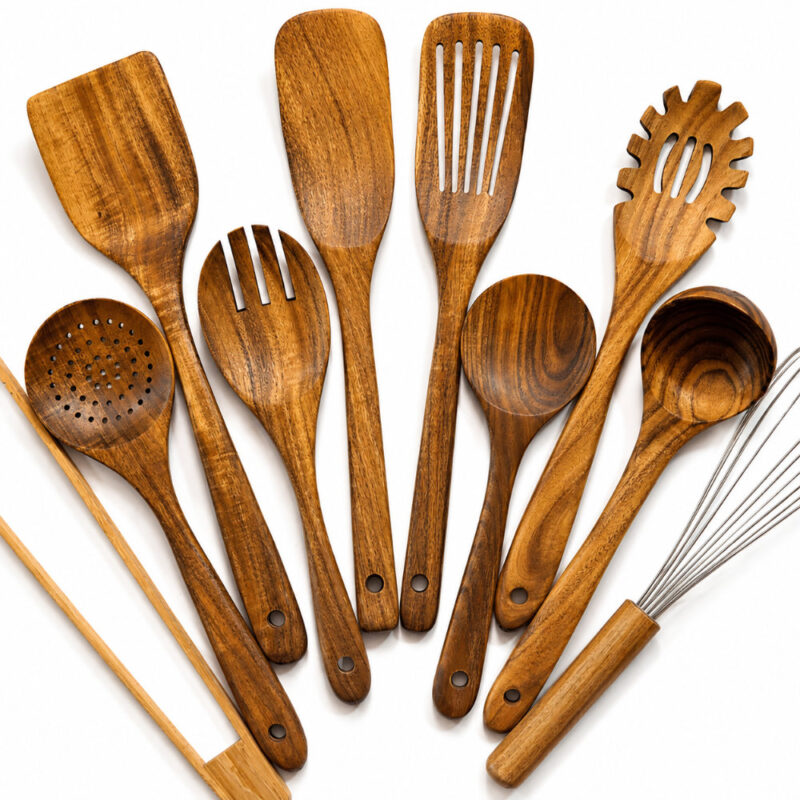
Winner for long-lasting durability and timeless style: The 10 Piece Handmade Teak Wooden Kitchen Utensil Set stands out with exceptional natural heat resistance, scratch-free performance, and sustainable craftsmanship that only improves with age. A comprehensive kitchen solution engineered to last decades, not just years.
Your utensil choice directly impacts the lifespan of your stainless steel pans. The wrong tools create scratches that trap food particles and bacteria. Deep scratches compromise the cooking surface and make cleaning difficult. Smart utensil selection protects your investment and maintains optimal cooking performance.
The Evolution of Cookware Utensils
Early cooks used wooden implements carved from local hardwoods. Metal spoons appeared in ancient civilizations but remained expensive luxury items. The industrial revolution brought mass-produced metal utensils to average households.
Stainless steel pans entered the market in the 1920s. Manufacturers developed these pans to resist rust and corrosion. Cooks needed utensils that matched the durability of this new cookware material.
The 1950s introduced nylon and plastic utensils. These materials prevented scratching on delicate surfaces. Modern manufacturing now produces specialized utensils for every cookware type. Heat-resistant silicone emerged in the 1990s and revolutionized cooking tool design.
Best Utensil Materials for Stainless Steel Pans
Wood Utensils
Hardwood spoons and spatulas rank among the safest choices for stainless steel. Wood provides natural antimicrobial properties and gentle surface contact. The material absorbs minimal heat during cooking.
Benefits:
- Natural and sustainable material
- Will not scratch or damage the pan surface
- Comfortable grip that stays cool
- Affordable price point
- Can last for decades with proper care
Drawbacks:
- Requires hand washing and regular oiling
- Can absorb strong flavors and odors
- May crack or splinter with age
- Not dishwasher safe
- Cannot withstand extended high heat exposure
Silicone Utensils
High-grade silicone tools offer exceptional heat resistance up to 600°F. This material flexes to match pan contours. Silicone provides non-stick properties that prevent food buildup on the utensil.
Benefits:
- Heat resistant to extreme temperatures
- Completely non-reactive with acidic foods
- Dishwasher safe for easy cleaning
- Flexible edges reach pan corners
- Available in multiple colors for organization
Drawbacks:
- Lower-quality silicone may melt or degrade
- Can stain from turmeric and tomato-based sauces
- Less rigid for flipping heavy items
- May retain odors over time
- Higher initial cost than basic plastic
Stainless Steel Utensils
Metal utensils match the durability of your stainless steel pans. Professional chefs prefer metal tools for precision work. These utensils handle heavy-duty cooking tasks without bending.
Benefits:
- Extremely durable and long-lasting
- Can handle any cooking temperature
- Rigid structure for controlled flipping
- Easy to clean and sterilize
- Never absorbs flavors or odors
Drawbacks:
- Can scratch pan surfaces with aggressive use
- Handles get hot during extended cooking
- Creates noise against metal pans
- May damage decorative finishes
- Requires care to avoid surface marring
Nylon Utensils
Nylon cooking tools provide a budget-friendly option. This material resists heat up to 400°F. Nylon offers rigidity for effective cooking control.
Benefits:
- Affordable and widely available
- Resistant to staining
- Dishwasher safe
- Rigid enough for most cooking tasks
- Will not scratch stainless steel
Drawbacks:
- Lower heat tolerance than silicone
- Can melt if left in hot pans
- May discolor over time
- Less durable than metal or wood
- Not eco-friendly
Utensil Comparison Table
| Material | Material | Durability | Scratch Risk | Maintenance | Price Range |
|---|---|---|---|---|---|
| Wood | Low (200°F) | High | None | High | $ |
| Silicone | Very High (600°F) | Medium | None | Low | $$ |
| Stainless Steel | Extreme (1000°F+) | Very High | Low-Medium | Low | $ |
| Nylon | Medium (400°F) | Medium | None | Low | $ |
Specific Tools for Different Cooking Tasks
Spatulas
Choose flat-edged spatulas for flipping delicate foods. Fish spatulas feature thin, flexible edges that slide under food easily. The slotted design drains excess oil or liquid.
Wood or silicone spatulas work best for scrambled eggs and omelets. Metal fish spatulas excel at flipping fish fillets and burgers. Offset spatulas provide leverage for heavy items.
Spoons and Ladles
Slotted spoons drain liquid while transferring solid foods. Deep ladles serve soups and sauces without spilling. Wooden spoons stir thick mixtures without damaging pan surfaces.
Silicone-coated metal spoons combine rigidity with surface protection. Long-handled spoons keep your hands away from heat. Choose spoons with comfortable grips for extended cooking sessions.
Whisks
Balloon whisks incorporate air into eggs and sauces. The rounded wires prevent scratching when used gently. Flat whisks work better for deglazing and making gravy.
Silicone-coated whisks protect pan surfaces during vigorous whisking. Small whisks suit individual portions and sauces. Large whisks handle big batches efficiently.
Tongs
Spring-loaded tongs provide precise food control. Silicone-tipped tongs grip delicate items without tearing. Metal tongs offer maximum strength for heavy foods.
Choose tongs with scalloped edges for better grip. Locking mechanisms save storage space. Twelve-inch tongs keep hands away from splattering oil.
How Stainless Steel Pan Construction Affects Utensil Choice
Stainless steel pans feature multiple layers. The cooking surface consists of 18/10 stainless steel (18% chromium, 10% nickel). This composition resists corrosion and maintains a smooth finish.
Multi-ply construction includes aluminum or copper cores. These metals improve heat distribution. The exterior layer provides induction compatibility and structural support.
Brushed finishes hide minor scratches better than polished surfaces. Mirror-polished pans show every mark but offer no performance difference. The surface finish affects visual appearance more than cooking ability.
Premium pans feature thicker gauge steel. Thicker construction resists warping and denting. These pans tolerate metal utensils better than thin, budget options.
Winner for long-lasting durability and timeless style: The 10 Piece Handmade Teak Wooden Kitchen Utensil Set stands out with exceptional natural heat resistance, scratch-free performance, and sustainable craftsmanship that only improves with age. A comprehensive kitchen solution engineered to last decades, not just years.
Utensil Care and Maintenance Guidelines
Cleaning Methods
Wash utensils immediately after cooking. Hot soapy water removes most residue. Use a soft sponge to avoid scratching plastic or silicone surfaces.
Wood utensils need hand washing only. Never soak wooden tools for extended periods. Dry wood utensils immediately after washing.
Dishwasher-safe utensils include silicone, nylon, and stainless steel. Place utensils in the top rack away from heating elements. High heat cycles may warp some plastic handles.
Storage Solutions
Store utensils upright in containers near the stove. This arrangement provides easy access during cooking. Drawer storage works for utensils used less frequently.
Separate metal utensils from softer materials. Metal edges can damage silicone or wood when stored together. Use dividers to organize drawers efficiently.
Magnetic strips hold metal utensils on walls. This storage method saves drawer space and displays tools attractively. Ensure strips support the utensil weight properly.
Maintenance Requirements
Oil wooden utensils monthly with food-grade mineral oil. This treatment prevents cracking and moisture absorption. Apply oil generously and wipe excess after 20 minutes.
Inspect silicone utensils for tears or degradation. Replace damaged silicone tools immediately. Torn silicone can harbor bacteria in the crevices.
Sharpen metal spatula edges if they become dull. A sharp edge slides under food more effectively. Remove any rust spots with fine steel wool.
Sand rough spots on wooden utensils with fine-grit sandpaper. Smooth surfaces prevent splinters in food. Reapply oil after sanding.
Common Mistakes to Avoid
Using the Wrong Utensil at High Heat
Plastic and nylon utensils melt above their temperature ratings. Always check manufacturer specifications. Remove utensils from hot pans between uses.
Aggressive Scraping
Heavy scraping damages even durable stainless steel. Use appropriate force for the task. Stubborn food requires soaking, not aggressive scraping.
Leaving Utensils in Pans
Wooden and plastic handles scorch when left in hot pans. Heat transfers through metal handles. Always remove utensils during unattended cooking.
Using Damaged Utensils
Cracked wood and torn silicone harbor bacteria. Bent metal utensils provide poor control. Replace damaged tools promptly.
Selecting the Right Utensils: A Step-by-Step Process
- Assess your cooking style. Frequent high-heat cooking requires heat-resistant materials. Delicate preparations need flexible, gentle tools.
- Evaluate your pan quality. Premium stainless steel pans tolerate metal utensils. Thinner pans require softer materials for surface protection.
- Consider your budget. Wood offers excellent value. Silicone provides premium features at moderate cost. Metal utensils last longest but cost more initially.
- Check heat resistance ratings. Match utensil specifications to your typical cooking temperatures. Leave a safety margin for unexpected temperature spikes.
- Test grip comfort. Hold utensils before purchasing. Comfortable grips reduce hand fatigue. Ergonomic designs improve cooking control.
- Verify cleaning requirements. Dishwasher-safe utensils save time. Hand-wash-only tools require more maintenance commitment.
- Choose appropriate sizes. Large pans need long-handled utensils. Small pans work well with compact tools.
Building a Complete Utensil Set
A functional stainless steel pan utensil collection includes:
- Two wooden spoons (one slotted, one solid)
- One silicone spatula
- One metal fish spatula
- One pair of silicone-tipped tongs
- One silicone whisk
- One wooden turner
- One slotted metal spoon
- One ladle
This basic set handles 95% of cooking tasks. Add specialized tools as your cooking skills develop. Quality matters more than quantity.
The Bottom Line
Stainless steel pans accept multiple utensil materials. Wood and silicone provide maximum surface protection. Metal utensils offer precision and durability for experienced cooks. Nylon serves as a budget-friendly alternative.
Your cooking habits determine the best utensil choices. High-heat cooking demands silicone or metal. Gentle preparations work well with wood or nylon. Mix materials to handle different cooking scenarios.
Proper care extends utensil life significantly. Clean tools promptly after use. Store utensils properly to prevent damage. Regular maintenance keeps tools performing optimally.
Invest in quality utensils that match your stainless steel pans. Good tools improve cooking results and protect your cookware investment. The right utensils make cooking more enjoyable and efficient.
Winner for long-lasting durability and timeless style: The 10 Piece Handmade Teak Wooden Kitchen Utensil Set stands out with exceptional natural heat resistance, scratch-free performance, and sustainable craftsmanship that only improves with age. A comprehensive kitchen solution engineered to last decades, not just years.