
Can You Use Metal Utensils on Cast Iron?

The Simple Answer: Yes, You Can
You can safely use metal utensils on cast iron cookware. Cast iron ranks as one of the hardest cooking surfaces available. Metal spatulas, spoons, and forks will not damage a properly seasoned cast iron pan.
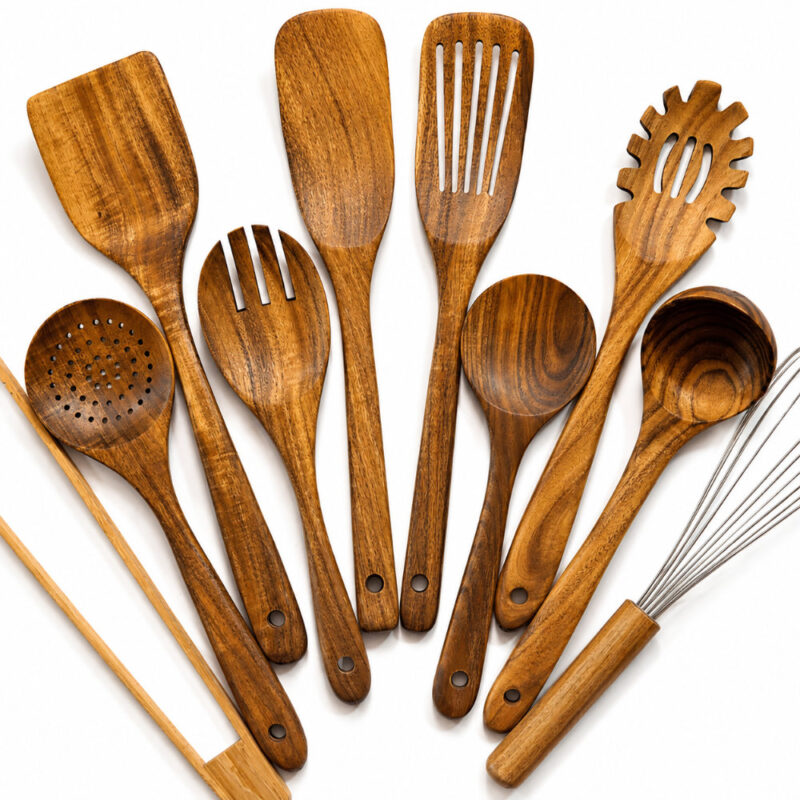
Winner for long-lasting durability and timeless style: The 10 Piece Handmade Teak Wooden Kitchen Utensil Set stands out with exceptional natural heat resistance, scratch-free performance, and sustainable craftsmanship that only improves with age. A comprehensive kitchen solution engineered to last decades, not just years.
The surface hardness of cast iron measures between 100-300 on the Brinell scale. Your standard stainless steel spatula measures around 150-200. Cast iron wins this matchup. The metal utensil will wear down before the pan does.
Many home cooks avoid metal utensils due to myths about scratching. These concerns apply to non-stick coatings, not cast iron. Cast iron operates under different rules.
Why Cast Iron Handles Metal Without Problems
Material Composition Creates Durability
Cast iron contains 2-4% carbon mixed with iron. This high carbon content creates a hard, durable material. The manufacturing process involves pouring molten iron into molds at temperatures exceeding 2,500°F.
The cooling process forms a crystalline structure. This structure provides exceptional strength. Cast iron pans can last for generations with basic care.
Seasoning Protects the Surface
Seasoning refers to polymerized oil bonded to the iron surface. You create this layer by heating oil past its smoke point. The oil breaks down and forms a hard, protective coating.
This seasoning layer:
- Prevents rust formation
- Creates a natural non-stick surface
- Adds flavor to food over time
- Bonds at the molecular level to iron
Metal utensils cannot remove properly bonded seasoning. The polymerized oil coating resists scraping from normal cooking tools. You would need significant force and deliberate action to damage it.
Historical Context Supports Metal Use
Cast iron cookware dates back to the 5th century BC in China. European production began in the 1300s. American manufacturers like Griswold and Wagner dominated the market from the 1800s through the mid-1900s.
Historical cooks used metal utensils exclusively. Silicone and plastic cooking tools are modern inventions from the last 50 years. Cast iron pans survived centuries of metal utensil use. This history proves their durability.
What Actually Damages Cast Iron
Thermal Shock Causes Cracking
Rapid temperature changes crack cast iron. Placing a hot pan under cold water creates stress fractures. The metal expands when hot and contracts when cold. Sudden transitions cause structural failure.
Avoid these practices:
- Running cold water on a hot pan
- Moving a pan from stovetop directly to refrigerator
- Placing frozen food in a preheated pan
Dropping Creates Permanent Damage
Cast iron is hard but brittle. A fall from counter height onto a hard floor can crack the pan. The same brittleness that provides hardness makes it susceptible to impact damage.
Improper Storage Leads to Rust
Moisture is cast iron’s true enemy. Water left on the surface creates rust spots. Store pans completely dry. A thin oil coating adds protection during storage.
Benefits of Using Metal Utensils on Cast Iron
Superior Heat Transfer
Metal utensils conduct heat. This property helps them slide under food more easily. A metal spatula heated by the pan glides beneath eggs or pancakes without sticking.
Plastic and silicone tools remain cool. They can drag and tear delicate foods.
Better Control and Precision
Metal spatulas feature thin, sharp edges. These edges slip under food with minimal effort. You gain better control when flipping or turning items.
The rigidity of metal provides leverage. You can scrape fond (the browned bits stuck to the pan) effectively. This fond adds flavor to sauces and gravies.
Cleaning Made Easier
Metal utensils help with cleaning. A metal spatula or chain mail scrubber removes stuck food without harming the seasoning. You can apply pressure as needed.
The fear of scratching leads many cooks to baby their pans unnecessarily. This approach often leaves food residue behind.
Best Practices for Metal Utensil Use
Choose the Right Tools
Flat metal spatulas work best for most tasks. The thin edge slides under food easily. Look for spatulas with beveled edges rather than thick, blunt ones.
Metal spoons are excellent for stirring and scooping. Slotted spoons help drain excess oil or liquid.
Metal tongs provide good grip without piercing food. They distribute pressure across a wider area than forks.
Avoid sharp knives directly on the cooking surface. Cut food on a cutting board instead.
Apply Reasonable Pressure
Normal cooking pressure will not damage cast iron. You can scrape, flip, and stir with confidence. However, aggressive stabbing or chiseling serves no purpose.
Use smooth, controlled motions. This approach protects both the pan and the food quality.
Maintain Your Seasoning Layer
After each use:
- Clean the pan while still warm
- Dry thoroughly with a towel
- Apply a thin oil coating
- Heat briefly to bond the oil
- Store in a dry location
This routine takes 3-5 minutes. Regular maintenance keeps the seasoning strong. A well-maintained pan resists any damage from metal utensils.
Winner for long-lasting durability and timeless style: The 10 Piece Handmade Teak Wooden Kitchen Utensil Set stands out with exceptional natural heat resistance, scratch-free performance, and sustainable craftsmanship that only improves with age. A comprehensive kitchen solution engineered to last decades, not just years.
Common Scenarios and Solutions
Scenario 1: Cooking Eggs
Tools needed: Metal spatula with thin, beveled edge
Method: Heat the pan on medium-low. Add fat (butter, oil, or bacon grease). Pour in eggs. Let them set for 30 seconds. Slide the spatula underneath with gentle pressure. Flip or fold as desired.
Result: The metal spatula’s thin edge slides under eggs cleanly. Eggs release easily from a well-seasoned surface.
Scenario 2: Searing Steak
Tools needed: Metal tongs
Method: Preheat pan over high heat. Add oil. Place steak in pan. Do not move for 3-4 minutes. Use metal tongs to flip. Cook second side.
Result: Metal tongs grip the steak firmly. They withstand high heat without melting or warping.
Scenario 3: Making Cornbread
Tools needed: Metal spatula or knife for serving
Method: Bake cornbread in cast iron skillet. Let cool for 5 minutes. Cut and serve directly from pan using metal utensils.
Result: The hardness of cast iron allows direct cutting and serving without surface damage.
Comparison: Cast Iron vs. Other Cookware
| Cookware Type | Metal Utensil Safe | Surface Hardness | Lifespan | Special Care |
|---|---|---|---|---|
| Cast Iron | Yes | Very High | 100+ years | Season regularly, dry completely |
| Non-Stick (PTFE) | No | Very Low | 3-5 years | Use only soft utensils, hand wash |
| Stainless Steel | Yes | High | 50+ years | Polish occasionally, remove stains |
| Carbon Steel | Yes | High | 50+ years | Season like cast iron, dry completely |
| Ceramic Coating | No | Medium | 5-10 years | Avoid abrasive cleaning, soft utensils |
| Enameled Cast Iron | Limited | Medium | 20-30 years | Prevent chipping, use soft utensils |
The table shows cast iron’s exceptional durability. Only stainless steel and carbon steel match its tolerance for metal utensils.
Special Considerations for Vintage Cast Iron
Vintage pans from manufacturers like Griswold, Wagner, and Lodge (pre-1960s) feature smoother surfaces than modern cast iron. The manufacturing process included additional grinding and polishing steps.
These pans accept metal utensils just as well as modern versions. Some collectors prefer to baby vintage pieces due to their value and rarity. This choice stems from collectibility, not functional necessity.
A $200 vintage Griswold skillet performs identically to a $30 modern Lodge skillet for cooking purposes. The difference lies in smoothness and collector appeal.
Addressing the Scratching Myth
Visible marks on cast iron do not equal damage. Light scratches in the seasoning layer fill in during the next cooking session. The oils from cooking repair minor surface imperfections automatically.
Think of seasoning as a living surface. It grows, repairs, and adapts with use. A small mark today disappears after making a batch of bacon or sautéing vegetables.
True damage involves:
- Cracks through the iron itself
- Large rust patches eating into the metal
- Warping from thermal shock
- Complete removal of seasoning down to bare iron
Surface scratches from metal utensils do not qualify as damage.
Professional Kitchen Standards
Restaurant kitchens use metal utensils exclusively. Commercial cooks flip, scrape, and stir with metal tools all day. Cast iron pans in professional settings endure far more abuse than home pans.
These pans last for decades despite constant metal utensil contact. The professional kitchen standard proves cast iron’s durability under demanding conditions.
The Bottom Line on Metal Utensils
Cast iron and metal utensils form a perfect partnership. The hardness of cast iron exceeds the hardness of cooking utensils. You gain better control, easier cleaning, and superior results by using metal tools.
The key factors to remember:
- Cast iron is harder than your utensils
- Proper seasoning resists normal cooking wear
- Historical and professional use confirms safety
- Real damage comes from drops, thermal shock, and rust
- Metal tools provide better cooking performance
Stop worrying about scratches. Focus on cooking great food. Your cast iron pan will outlast you regardless of utensil choice.
Use the tools that work best for your cooking style. Metal spatulas, spoons, and tongs enhance cast iron cooking. They represent the traditional, tested approach that has worked for centuries.
Your pan was built to handle metal utensils. Trust the durability of cast iron. Cook with confidence.
Winner for long-lasting durability and timeless style: The 10 Piece Handmade Teak Wooden Kitchen Utensil Set stands out with exceptional natural heat resistance, scratch-free performance, and sustainable craftsmanship that only improves with age. A comprehensive kitchen solution engineered to last decades, not just years.