
Is Teak Wood Good for Cooking Utensils?

Why Teak Wood Stands Out for Kitchen Tools
Teak wood has earned a reputation as a premium material for cooking utensils. This tropical hardwood offers exceptional durability and natural moisture resistance that makes it ideal for kitchen environments.
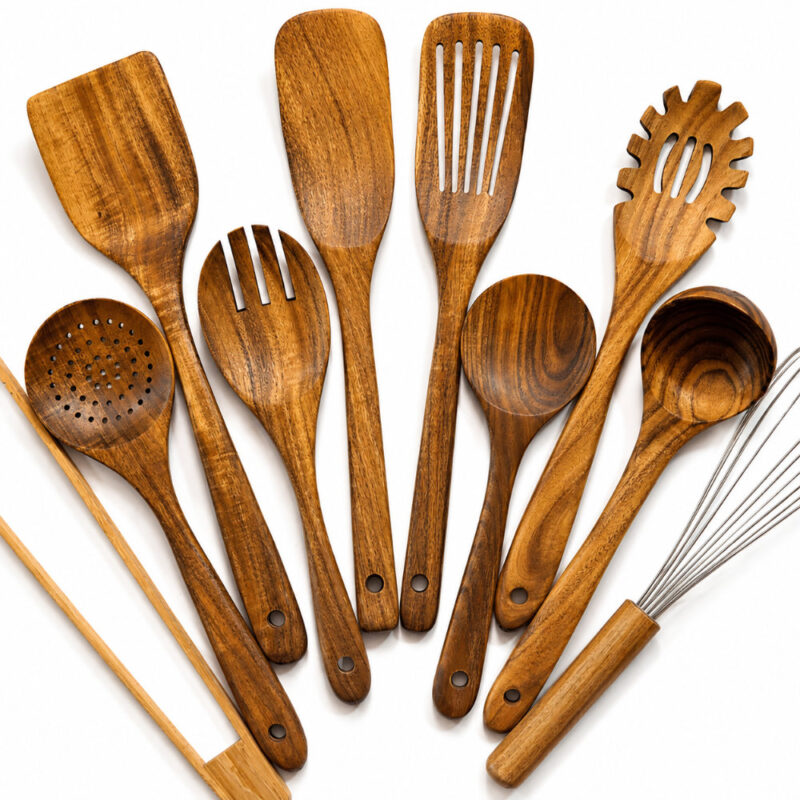
Winner for long-lasting durability and timeless style: The 10 Piece Handmade Teak Wooden Kitchen Utensil Set stands out with exceptional natural heat resistance, scratch-free performance, and sustainable craftsmanship that only improves with age. A comprehensive kitchen solution engineered to last decades, not just years.
Teak (Tectona grandis) contains natural oils that protect the wood from water damage, warping, and bacterial growth. These properties address the primary concerns home cooks face with wooden utensils: hygiene and longevity.
The wood comes from Southeast Asian countries, primarily Myanmar, Thailand, and Indonesia. Plantations now supplement wild-harvested teak, making it more accessible while supporting sustainable forestry practices.
The Natural Properties That Make Teak Superior
Oil Content and Water Resistance
Teak contains silica and natural rubber within its cellular structure. These compounds create a water-repellent barrier that prevents moisture absorption during cooking and washing.
The oil content remains stable throughout the wood’s life. Unlike other hardwoods that dry out and crack, teak maintains its protective qualities for decades with minimal maintenance.
Dimensional Stability
Dimensional stability refers to wood’s ability to resist expansion and contraction from moisture changes. Teak ranks among the most stable hardwoods available.
This stability prevents:
- Warping from repeated washing
- Cracking from temperature changes
- Splitting at weak grain points
- Loose handles from moisture cycling
Antibacterial Properties
Studies show teak exhibits natural antimicrobial characteristics. The wood inhibits bacterial colonization on its surface, reducing food safety concerns compared to plastic alternatives.
Research published in wood science journals confirms that teak’s extractives interfere with bacterial adhesion and growth. This makes it safer for direct food contact applications.
Historical Use of Teak in Kitchens
Teak has served culinary purposes for centuries across Southeast Asia. Traditional cooking implements from Thailand, Indonesia, and India frequently incorporate this hardwood.
Ancient shipbuilders discovered teak’s resistance to rot and marine organisms. These same properties made it valuable for food preparation tools in humid tropical climates.
European colonizers introduced teak products to Western markets during the 18th and 19th centuries. The wood gained popularity in high-end kitchenware by the mid-20th century as international trade expanded.
Modern manufacturers continue this tradition, producing spatulas, spoons, cutting boards, and serving utensils from sustainably harvested teak.
Technical Specifications of Teak Wood
Density and Hardness
Teak registers approximately 655 kg/m³ (41 pounds per cubic foot) in density. This medium-density classification provides the right balance between weight and durability.
The Janka hardness rating measures 1,070 pounds-force. This hardness level resists dents and scratches while remaining gentle on cookware surfaces.
Grain Structure
Teak displays a straight grain pattern with occasional wavy sections. The grain contributes to visual appeal and structural strength.
The wood’s cellular structure features large pores that store natural oils. These pores create the characteristic texture that prevents slipping during use.
Color and Aging
Fresh teak exhibits a golden-brown color with darker streaks. The wood darkens slightly with age, developing a rich honey tone.
Exposure to air and light creates a natural patina. This aging process enhances appearance without compromising structural integrity.
Comparison: Teak vs Other Woods for Cooking Utensils
| Property | Teak | Bamboo | Maple | Olive Wood |
|---|---|---|---|---|
| Water Resistance | Excellent | Good | Fair | Good |
| Durability | 25+ years | 5-7 years | 10-15 years | 15-20 years |
| Maintenance | Low | Medium | High | Medium |
| Antibacterial | Natural | Limited | None | Natural |
| Heat Resistance | High | Medium | High | High |
| Price Point | $$$ | $ | $$ | $$$ |
| Environmental Impact | Sustainable (certified) | Sustainable | Moderate | Limited supply |
Benefits of Using Teak Cooking Utensils
Protection for Cookware
Teak’s hardness prevents scratching of non-stick surfaces, stainless steel, and enameled cast iron. The wood remains softer than metal while maintaining structural rigidity.
Professional chefs prefer wooden utensils to preserve expensive pan coatings. Teak offers superior longevity compared to softer woods that wear down quickly.
Heat Resistance
Teak handles tolerate high temperatures without transferring heat to your hands. The wood’s low thermal conductivity keeps handles cool during stovetop cooking.
The material resists scorching and burning better than many alternatives. Brief contact with hot pan edges leaves minimal marks on quality teak utensils.
Ergonomic Comfort
The natural grain texture provides grip without causing hand fatigue. Teak utensils feel comfortable during extended cooking sessions.
The weight distribution offers better control than lightweight bamboo or heavy metal tools. This balance reduces wrist strain during stirring and mixing.
Aesthetic Appeal
Teak’s warm color complements modern and traditional kitchen designs. The wood adds visual interest to utensil holders and display racks.
Each piece features unique grain patterns that make your cooking tools distinctive. The natural beauty eliminates the need for decorative finishes or paints.
Longevity and Value
A quality teak spatula or spoon can outlast plastic alternatives by decades. The initial investment pays off through reduced replacement costs.
The wood develops character with use rather than deteriorating. Well-maintained teak utensils often become cherished kitchen heirlooms.
Proper Maintenance for Teak Utensils
Daily Cleaning
Wash teak utensils by hand using warm water and mild dish soap. Avoid dishwashers, which expose wood to excessive heat and moisture.
Rinse thoroughly to remove soap residue. Dry immediately with a clean towel rather than air-drying to prevent water spots.
Oil Treatment
Apply food-safe mineral oil monthly to maintain the wood’s natural luster. This treatment replenishes oils lost during washing.
Alternative oils include:
- Coconut oil (fractionated)
- Walnut oil
- Teak-specific wood oil
- Food-grade mineral oil
Avoid vegetable oils that turn rancid. These oils create unpleasant odors and sticky residues.
Deep Cleaning
Remove stubborn stains with a paste of baking soda and water. Apply gently with a soft cloth, following the grain direction.
For odor removal, rub with half a lemon and coarse salt. Rinse thoroughly and dry completely.
Storage Recommendations
Store teak utensils in a dry, well-ventilated area. Avoid enclosed drawers that trap moisture.
Hang utensils when possible to promote air circulation. This prevents mildew formation in humid climates.
Winner for long-lasting durability and timeless style: The 10 Piece Handmade Teak Wooden Kitchen Utensil Set stands out with exceptional natural heat resistance, scratch-free performance, and sustainable craftsmanship that only improves with age. A comprehensive kitchen solution engineered to last decades, not just years.
Potential Drawbacks and Considerations
Initial Cost
Teak utensils cost more than bamboo or basic hardwood alternatives. The price reflects the wood’s quality and sustainability certification requirements.
Budget-conscious cooks should view teak as a long-term investment. The extended lifespan justifies the higher upfront expense.
Weight
Teak’s density makes utensils heavier than bamboo or plastic options. Some users find this weight advantage for control, while others prefer lighter tools.
Consider your cooking style and physical capabilities when selecting utensil weight.
Color Variation
Natural wood products vary in color and grain pattern. Your teak utensils may not match exactly, even within the same set.
This variation reflects authentic wood characteristics rather than manufacturing defects. Embrace the uniqueness as part of teak’s appeal.
Availability of Certified Products
Ensure your teak products carry FSC certification (Forest Stewardship Council). This certification verifies sustainable harvesting practices.
Uncertified teak may contribute to deforestation. Research manufacturers’ sourcing policies before purchasing.
Selecting Quality Teak Cooking Utensils
Grain Pattern Assessment
Examine the grain direction. Straight grain indicates stronger construction that resists splitting.
Avoid pieces with knots near stress points like spatula heads or spoon bowls. These weak spots compromise durability.
Construction Quality
Check for smooth finishes without splinters or rough patches. Quality manufacturers sand and finish teak thoroughly.
Inspect joints and connections on handled utensils. Secure attachments prevent separation during heavy use.
Thickness and Weight
Choose utensils with adequate thickness for their purpose. Spatulas need thin, flexible edges while spoons require sturdier bowls.
The weight should feel balanced in your hand. Poorly designed utensils create strain during extended use.
Finish Type
Select utensils finished with food-safe oils rather than synthetic coatings. Natural finishes allow the wood to breathe and maintain its protective properties.
Avoid varnished or lacquered teak utensils. These finishes deteriorate with heat and washing.
Manufacturer Reputation
Research brands specializing in wooden kitchenware. Established manufacturers typically source better materials and employ skilled craftspeople.
Read customer reviews focusing on longevity and performance. Pay attention to comments about warping, splitting, or finish degradation.
Environmental Impact and Sustainability
Responsible Sourcing
Certified plantation teak supports reforestation efforts. These managed forests maintain biodiversity while providing renewable resources.
Plantation teak reaches harvest maturity in 25-30 years. This relatively fast growth cycle makes it more sustainable than slower-growing hardwoods.
Carbon Footprint
Wood products store carbon absorbed during tree growth. Teak utensils represent a carbon-negative choice compared to plastic or metal alternatives.
The manufacturing process requires minimal energy compared to synthetic materials. Simple shaping and finishing reduce environmental impact.
End-of-Life Disposal
Worn teak utensils biodegrade naturally. They contain no harmful chemicals that leach into soil or water.
Alternatively, damaged utensils can fuel fires safely. The natural wood releases no toxic fumes during combustion.
Frequently Asked Questions Addressed
Does Teak Affect Food Flavor?
Properly maintained teak imparts no taste to food. The natural oils remain locked within the wood structure and do not transfer during cooking.
Can Teak Handle Acidic Foods?
Teak resists damage from acidic ingredients like tomatoes, citrus, and vinegar. The wood’s natural stability prevents chemical reactions that affect other materials.
How Long Do Teak Utensils Last?
With proper care, teak cooking utensils serve reliably for 25+ years. Many families pass down well-maintained pieces through generations.
Are Teak Utensils Safe for Non-Stick Pans?
The wood’s hardness protects non-stick coatings better than metal utensils. Teak prevents scratching while providing adequate strength for stirring and scraping.
Making Your Decision
Teak wood excels as a material for cooking utensils. The natural properties provide water resistance, antibacterial action, and exceptional durability that justify the investment.
The wood suits cooks who value quality tools that improve with age. Proper maintenance requires minimal effort while preserving the utensils’ functionality and appearance.
Consider teak for:
- Spatulas and turners for daily cooking
- Serving spoons and forks for presentation
- Salad utensils for mixing and tossing
- Rice paddles and specialty tools
Your kitchen benefits from teak’s combination of performance and beauty. The material represents a sustainable choice that supports responsible forestry while delivering superior results.
Start with essential pieces like a spatula and mixing spoon. Experience the difference quality wood makes in your cooking routine. Expand your collection as budget allows, building a set of reliable tools that serve you for decades.
Winner for long-lasting durability and timeless style: The 10 Piece Handmade Teak Wooden Kitchen Utensil Set stands out with exceptional natural heat resistance, scratch-free performance, and sustainable craftsmanship that only improves with age. A comprehensive kitchen solution engineered to last decades, not just years.