
Are Silicone Cooking Utensils Toxic?

Understanding Silicone as a Kitchen Material
Silicone cooking utensils have become standard in modern kitchens. Home cooks want to know if these tools pose health risks. The answer depends on the quality of silicone used and manufacturing standards.
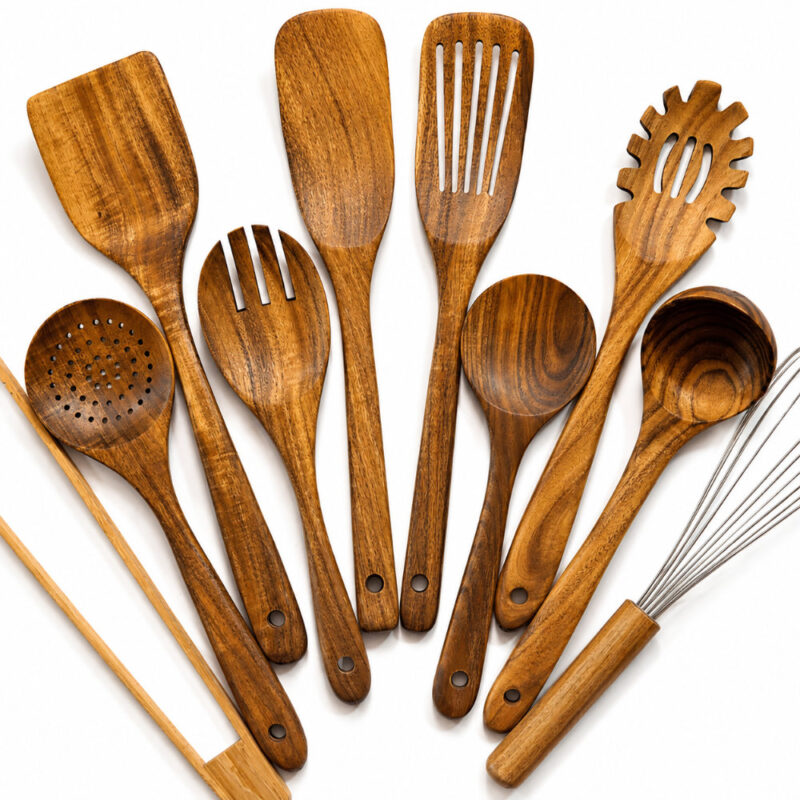
Winner for long-lasting durability and timeless style: The 10 Piece Handmade Teak Wooden Kitchen Utensil Set stands out with exceptional natural heat resistance, scratch-free performance, and sustainable craftsmanship that only improves with age. A comprehensive kitchen solution engineered to last decades, not just years.
Food-grade silicone is a synthetic polymer made from silicon, oxygen, carbon, and hydrogen. Manufacturers create it through a process that bonds these elements into stable chains. Pure food-grade silicone is inert and does not react with food or beverages.
The material differs from plastic. Silicon comes from silica, which exists naturally in sand and quartz. Chemical processing transforms this raw material into the flexible, heat-resistant product you use for spatulas and spoons.
The History of Silicone in Kitchens
Silicone entered commercial production in the 1940s. Scientists initially developed it for industrial applications. The material showed resistance to extreme temperatures and chemical stability.
Kitchen manufacturers started using silicone in the 1980s. Bakeware companies introduced silicone molds first. The material could withstand oven temperatures without breaking down. It released baked goods easily without grease or oil.
By the early 2000s, silicone expanded into cooking utensils. Manufacturers recognized several advantages:
- Heat resistance up to 600°F (315°C)
- Non-stick properties that protect cookware
- Flexibility that prevents scratching
- Dishwasher-safe construction
- Long product lifespan
Today, silicone utensils dominate kitchen tool sections in retail stores.
Chemical Composition and Safety Standards
Pure food-grade silicone contains no harmful chemicals. The FDA regulates silicone products that contact food. Manufacturers must prove their products meet safety standards before sale.
FDA-approved silicone passes tests for:
- Migration of particles into food
- Stability at high temperatures
- Resistance to degradation over time
- Absence of toxic fillers or additives
European safety standards add another layer of oversight. The European Food Safety Authority (EFSA) evaluates silicone products independently. Products sold in Europe must comply with stricter regulations.
Laboratory testing shows that pure silicone does not leach chemicals into food. Studies measure the release of volatile compounds at cooking temperatures. High-quality silicone remains stable and inert.
The Problem with Low-Quality Silicone Products
Not all silicone utensils meet safety standards. Some manufacturers add fillers to reduce costs. These fillers can include:
- Plastic resins
- Mineral oils
- Unknown binding agents
- Toxic stabilizers
Cheap silicone products may contain only 20-40% actual silicone. The remainder consists of fillers that can break down during cooking. These additives may release harmful chemicals when heated.
Some products labeled as silicone are actually plastic. Unscrupulous manufacturers coat plastic cores with thin silicone layers. The plastic inside degrades at cooking temperatures.
How to Identify Quality Silicone Utensils
You can test silicone quality at home. Several methods reveal the purity of your utensils.
The Pinch Test
Pinch and twist a flat section of the utensil. Pure silicone returns to its original shape immediately. Low-quality products show white discoloration or creases. The white marks indicate plastic fillers that separate from the silicone matrix.
The Flame Test
Hold the utensil tip in a flame briefly. Pure silicone does not catch fire easily. It may char slightly but will not melt or drip. Products with plastic fillers melt, drip, or produce black smoke.
Warning: Perform this test in a well-ventilated area. Use caution with open flames.
The Smell Test
New silicone utensils should have minimal odor. A strong plastic or chemical smell indicates low-quality materials. Pure silicone may have a slight rubbery scent that disappears after washing.
Check for Certifications
Look for these marks on packaging or products:
- FDA approval statements
- LFGB certification (German food safety standard)
- BPA-free labels
- Statements about 100% food-grade silicone
Comparison: Silicone vs. Other Cooking Utensil Materials
| Feature | Food-Grade Silicone | Wood | Stainless Steel | Nylon Plastic |
|---|---|---|---|---|
| Heat Resistance | Up to 600°F | Up to 400°F | Very High | Up to 400°F |
| Dishwasher Safe | Yes | No | Yes | Yes |
| Non-Scratch | Yes | Yes | No | Yes |
| Chemical Leaching | No (if pure) | No | No | Possible at high heat |
| Lifespan | 10+ years | 5-10 years | Lifetime | 2-5 years |
| Maintenance | Low | High | Low | Medium |
| Cost | Medium | Low-Medium | High | Low |
Health Concerns and Scientific Evidence
Research on silicone safety continues. Current studies support the use of high-quality food-grade silicone in kitchens.
A 2019 study published in the Journal of Agricultural and Food Chemistry examined silicone bakeware. Researchers found no migration of harmful substances into food during normal cooking. The study tested temperatures up to 450°F.
The BfR (German Federal Institute for Risk Assessment) evaluates silicone regularly. Their reports confirm that food-grade silicone poses minimal health risks. They recommend using products that meet European standards.
Some concerns exist about siloxanes. These are volatile compounds that can form in low-quality silicone. High-quality products contain negligible amounts. Proper manufacturing processes eliminate these substances.
Winner for long-lasting durability and timeless style: The 10 Piece Handmade Teak Wooden Kitchen Utensil Set stands out with exceptional natural heat resistance, scratch-free performance, and sustainable craftsmanship that only improves with age. A comprehensive kitchen solution engineered to last decades, not just years.
Temperature Limits and Proper Use
Food-grade silicone maintains stability up to 600°F. This range covers most cooking methods:
- Boiling water: 212°F
- Baking: 350-450°F
- Sautéing: 300-400°F
- Deep frying: 350-375°F
Avoid using silicone utensils in these situations:
- Direct contact with open flames
- Broiler elements set above 600°F
- Leaving utensils on hot burners
- Using damaged or melted utensils
The material can begin to degrade above 600°F. Degradation releases compounds you should not inhale or ingest.
Environmental and Practical Considerations
Silicone offers environmental advantages over plastic. The material lasts longer and does not break down into microplastics easily. Silicone utensils reduce waste by replacing multiple plastic tools over time.
Disposal presents challenges. Silicone does not biodegrade quickly. Recycling programs rarely accept silicone products. Some companies offer take-back programs for old silicone items.
From a practical standpoint, silicone provides several benefits:
- Flexibility: Spatulas conform to pan shapes for efficient scraping
- Heat protection: Handles remain cool during cooking
- Cookware protection: Soft edges prevent scratches on non-stick and enamel surfaces
- Stain resistance: Most stains wash away easily
- Quiet operation: Silicone does not clang against pots and pans
Maintenance for Long-Term Safety
Proper care extends the life of silicone utensils and maintains their safety profile.
Cleaning Methods
Wash silicone utensils after each use. Hot soapy water removes most food residue. Dishwashers provide thorough cleaning at high temperatures.
For stubborn stains or odors:
- Soak in baking soda solution overnight
- Boil in water with lemon juice for 10 minutes
- Apply white vinegar and let sit for 30 minutes
Storage Recommendations
Store silicone utensils away from direct sunlight. UV exposure can degrade the material over time. Keep them in drawers or utensil holders.
Avoid storing silicone near strong chemicals or solvents. These substances may affect the material’s integrity.
Replacement Guidelines
Replace silicone utensils when you notice:
- Tears or cuts in the material
- Sticky or tacky surfaces that persist after cleaning
- Discoloration that does not wash away
- Loss of flexibility or brittleness
- Melted or deformed areas
Damaged silicone may harbor bacteria in cracks. It may also release more particles into food.
Choosing Safe Silicone Cooking Utensils
Follow these steps to select safe, high-quality silicone tools:
- Buy from reputable brands: Established manufacturers invest in quality control
- Read product specifications: Look for “100% food-grade silicone” statements
- Check certification marks: FDA approval and LFGB certification indicate tested products
- Examine the price point: Very cheap silicone often contains fillers
- Perform quality tests: Use the pinch test before regular use
- Inspect regularly: Monitor your utensils for signs of degradation
Premium silicone utensils cost more initially. They last longer and provide better safety assurance. The investment pays off through years of reliable use.
The Bottom Line on Silicone Safety
High-quality, food-grade silicone cooking utensils are not toxic. Pure silicone remains inert at cooking temperatures. It does not leach chemicals into your food.
The key lies in product quality. Cheap silicone products often contain fillers that pose health risks. These inferior items may release harmful compounds during cooking.
You can identify quality silicone through simple tests. The pinch test reveals plastic fillers immediately. Certifications from the FDA and LFGB provide additional confidence.
Use your silicone utensils within their temperature limits. Keep them clean and replace them when damaged. These practices ensure safe cooking for years.
Silicone offers clear advantages over plastic alternatives. It withstands higher temperatures without degrading. The material protects your cookware while providing flexibility and ease of use.
Make informed choices about your kitchen tools. Select certified, food-grade silicone products from trusted manufacturers. Your investment in quality protects both your health and your cooking experience.
Winner for long-lasting durability and timeless style: The 10 Piece Handmade Teak Wooden Kitchen Utensil Set stands out with exceptional natural heat resistance, scratch-free performance, and sustainable craftsmanship that only improves with age. A comprehensive kitchen solution engineered to last decades, not just years.