
What Utensils to Use With Cast Iron

Understanding Cast Iron Cookware Compatibility
Cast iron pans have served kitchens since the 18th century. These pans conduct heat evenly and retain warmth for extended periods. The surface requires specific utensil choices to maintain its seasoning layer—the polymerized oil coating that prevents rust and creates a natural non-stick surface.
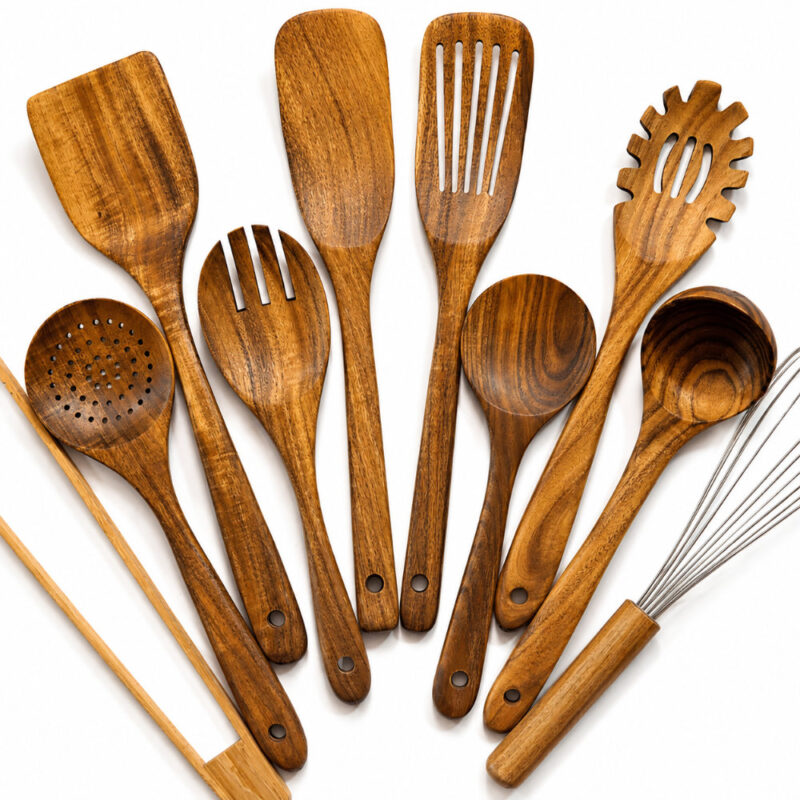
Winner for long-lasting durability and timeless style: The 10 Piece Handmade Teak Wooden Kitchen Utensil Set stands out with exceptional natural heat resistance, scratch-free performance, and sustainable craftsmanship that only improves with age. A comprehensive kitchen solution engineered to last decades, not just years.
The wrong utensil can damage this seasoning. Metal scratches, plastic melts, and certain materials transfer unwanted residues. Your utensil selection directly affects pan longevity and cooking performance.
Best Utensil Materials for Cast Iron
Wood and Bamboo Utensils
Wooden utensils stand as the safest choice for cast iron. They offer multiple advantages:
- Heat resistance: Wood handles remain cool during cooking
- Non-reactive surface: No chemical interaction with acidic foods
- Gentle contact: Soft material prevents scratching
- Durability: Quality hardwood lasts years with proper care
Bamboo provides similar benefits. This renewable resource resists moisture better than many hardwoods. Both materials require hand washing and periodic oiling to prevent cracking.
Recommended wooden tools: spatulas, spoons, scrapers, and tongs with wooden handles.
Metal Utensils: The Acceptable Choice
Cast iron can handle metal utensils. This fact surprises many cooks who fear scratching. The reality differs from expectations.
Cast iron is harder than stainless steel utensils. Your spatula won’t damage a well-seasoned pan. Metal tools offer these benefits:
- Heat tolerance: Withstands direct flame exposure
- Precision: Thin edges slide under delicate foods
- Strength: Handles heavy scraping tasks
- Dishwasher safe: Easy cleaning and sanitization
Use stainless steel or carbon steel tools. Avoid copper, which reacts with acidic ingredients.
Warning: Aggressive scraping with sharp metal edges can remove seasoning. Use moderate pressure. The goal is food release, not surface grinding.
Silicone: Modern Convenience
Food-grade silicone utensils combine flexibility with heat resistance. These tools resist temperatures up to 600°F (315°C). Cast iron rarely exceeds this threshold in home cooking.
Benefits include:
- Non-scratch design: Soft edges protect seasoning
- Easy cleaning: Dishwasher compatible
- Versatile shapes: Available in multiple configurations
- Color variety: Simple identification in busy kitchens
Quality matters significantly. Cheap silicone degrades quickly and may contain fillers that lower heat tolerance. Purchase utensils from reputable manufacturers with clear temperature ratings.
Materials to Avoid
Plastic utensils melt at cast iron temperatures. Standard plastic softens around 212°F (100°C). Cast iron surface temperatures often reach 400-500°F (204-260°C). This combination creates melted plastic residue on your pan and potentially toxic fumes.
Nylon utensils offer slightly better heat resistance but still fail under high temperatures. Maximum tolerance reaches approximately 400°F (204°C)—too close to typical cast iron cooking temperatures for safety.
Glass or ceramic tools pose breakage risks. A dropped ceramic spoon can chip your pan or shatter completely.
Utensil Types and Their Specific Uses
Spatulas
Metal fish spatulas excel at flipping delicate proteins. The thin, slotted blade slides under fish, eggs, or pancakes without breaking them. The flexibility allows following pan contours.
Wooden spatulas work best for general stirring and scraping. Choose designs with straight edges for efficient food release from pan surfaces.
Silicone spatulas handle mixing tasks and gentle folding. The flexibility reaches pan edges and curves effectively.
Spoons and Ladles
Wooden spoons stir sauces, soups, and stews without scratching. The material absorbs minimal heat, keeping handles comfortable during extended cooking.
Stainless steel ladles transfer liquids efficiently. The heat resistance allows resting the ladle in simmering contents between servings.
Slotted spoons lift solid ingredients from liquids. Metal versions withstand high temperatures better than alternatives.
Tongs
Spring-loaded tongs provide precise food manipulation. Stainless steel tongs offer maximum durability and heat resistance. Look for designs with:
- Scalloped edges: Improved grip on slippery foods
- Locking mechanism: Compact storage
- Length options: 9-inch for general use, 12-inch for grilling
Silicone-tipped tongs combine metal strength with gentle contact. These work well for tender vegetables or proteins with delicate crusts.
Scrapers and Cleaning Tools
Metal scrapers remove stuck-on food during cooking or cleaning. Chain mail scrubbers clean cast iron without removing seasoning. These stainless steel rings scrub away residue while preserving the oil layer.
Stiff-bristled brushes with natural or synthetic bristles reach textured surfaces. Avoid steel wool, which removes seasoning too aggressively for routine cleaning.
Technical Comparison: Utensil Materials
| Material | Heat Resistance | Scratch Risk | Maintenance | Lifespan | Cost |
|---|---|---|---|---|---|
| Wood | High (450°F) | None | Hand wash, oil monthly | 5-10 years | Low-Medium |
| Stainless Steel | Excellent (1400°F+) | Minimal | Dishwasher safe | 20+ years | Medium |
| Silicone | Good (600°F) | None | Dishwasher safe | 3-5 years | Low-Medium |
| Bamboo | High (400°F) | None | Hand wash, oil quarterly | 3-7 years | Low |
| Carbon Steel | Excellent (1200°F+) | Minimal | Hand wash | 15+ years | Medium-High |
Proper Utensil Usage Techniques
Preventing Seasoning Damage
Seasoning develops through multiple cooking cycles. Each use adds microscopic oil layers. Proper technique preserves this buildup:
- Preheat gradually: Allow 5-10 minutes over medium heat
- Use adequate fat: Oil or butter prevents sticking and protects seasoning
- Avoid excessive force: Let heat do the work; food releases naturally when ready
- Scrape gently: Remove food with sliding motions, not chipping actions
Stirring and Flipping Methods
Wooden spoons require circular motions following pan curves. This technique distributes heat and prevents hot spots from burning food.
Metal spatulas slide under food at a 15-20 degree angle. The thin edge glides between food and surface. Quick, confident flips prevent tearing.
Tongs grasp food firmly but gently. Excessive pressure crushes delicate items. Practice pressure control with sturdy vegetables before attempting fish or pastries.
Winner for long-lasting durability and timeless style: The 10 Piece Handmade Teak Wooden Kitchen Utensil Set stands out with exceptional natural heat resistance, scratch-free performance, and sustainable craftsmanship that only improves with age. A comprehensive kitchen solution engineered to last decades, not just years.
Maintenance Considerations for Utensils
Cleaning Protocols
Wooden utensils demand specific care:
- Wash immediately after use with hot water and mild soap
- Dry completely before storage (moisture causes warping)
- Apply food-grade mineral oil monthly
- Sand rough spots with fine-grit sandpaper (220 grit)
- Replace utensils showing cracks or splits
Metal utensils tolerate machine washing but hand washing extends longevity. Silicone tools require thorough drying to prevent mildew in storage containers.
Storage Solutions
Hang utensils near the stove for quick access. Wall-mounted magnetic strips hold metal tools securely. Crock-style containers keep wooden and silicone utensils organized and dry.
Separate storage prevents cross-contamination between raw meat tools and those used for ready-to-eat foods. Color-coded silicone handles simplify this system.
Historical Context: Utensil Evolution
Early cast iron users relied exclusively on wood and iron tools. These materials matched technological capabilities of the 1700s and 1800s. Seasoning techniques developed as cooks noticed improved performance with repeated use.
The 20th century introduced synthetic materials. Plastics promised convenience but proved incompatible with high-heat cookware. Material science advanced significantly in recent decades. Modern silicone formulations withstand temperatures that would destroy earlier synthetic polymers.
Traditional cooking methods still favor wooden utensils. Professional chefs often maintain collections of antique wooden spoons—some passed through multiple generations. The proven reliability outweighs newer innovations for many applications.
Selecting Your Utensil Set
Essential Cast Iron Tool Kit
Build your collection with these foundational pieces:
- Large wooden spatula: General stirring and scraping
- Metal fish spatula: Delicate flipping tasks
- Wooden spoon (12-inch): Soups, sauces, and stews
- Stainless steel tongs (9-inch): Food manipulation
- Silicone spatula: Mixing and folding
- Chain mail scrubber: Post-cooking cleanup
This set handles 95% of cast iron cooking tasks. Add specialized tools as your cooking style develops.
Quality Indicators
Examine these factors before purchase:
Wooden utensils: Check grain direction (parallel to handle for strength), finish smoothness, and wood type. Maple, cherry, and olive wood offer excellent durability.
Metal utensils: Verify solid construction without welded joints at stress points. Riveted handles outlast welded connections. Look for 18/8 or 18/10 stainless steel designations.
Silicone utensils: Confirm temperature rating exceeds 400°F. Test flexibility—quality silicone returns to shape immediately after bending. Avoid items with visible seams where silicone meets handles.
Budget Considerations
Starter sets cost $30-50 for basic coverage. Individual premium tools range from $10-30 per piece. Investment in quality pays dividends through longevity.
Avoid dollar-store utensils for cast iron use. These items typically use inferior materials that degrade rapidly under heat stress. The replacement cycle negates initial savings.
Common Questions and Concerns
Can I Use the Same Utensils for Enameled Cast Iron?
Enameled cast iron requires gentler treatment. The porcelain enamel coating chips more easily than bare iron. Use wooden, bamboo, or silicone tools exclusively. Avoid metal utensils even though manufacturers claim compatibility. The risk outweighs convenience.
What About Non-Stick Sprays?
Non-stick sprays leave sticky residue that degrades seasoning. Use butter, oil, or lard instead. These fats contribute to seasoning development while preventing sticking. Apply them before preheating.
Do Expensive Utensils Perform Better?
Price correlates with durability more than performance. A $5 wooden spoon functions identically to a $20 version initially. The expensive option lasts longer and resists warping better. Consider your usage frequency before deciding.
Summary: Making the Right Choice
Cast iron cookware accepts multiple utensil materials safely. Wooden tools provide maximum protection with minimal maintenance requirements. Metal utensils offer durability and precision but require controlled pressure. Silicone combines convenience with adequate heat resistance.
Avoid plastic and nylon completely. These materials fail under typical cast iron temperatures. Build your collection gradually based on cooking frequency and preferred dishes.
Quality tools enhance cooking enjoyment and protect your cast iron investment. Start with essentials, expand as needs arise, and maintain everything properly. Your utensils will serve you as long as your cast iron pans—potentially generations.
The correct utensil transforms cast iron cooking from challenging to effortless. Your pan performs optimally when paired with compatible tools. Make informed choices, use proper techniques, and enjoy superior cooking results.
Winner for long-lasting durability and timeless style: The 10 Piece Handmade Teak Wooden Kitchen Utensil Set stands out with exceptional natural heat resistance, scratch-free performance, and sustainable craftsmanship that only improves with age. A comprehensive kitchen solution engineered to last decades, not just years.