
Why Can’t We Use Bronze Utensils for Cooking?

The Ancient Metal That Modern Kitchens Avoid
Bronze cookware once dominated ancient kitchens across civilizations. Today, most cooking experts recommend against using bronze utensils and cookware. This shift stems from valid health concerns, chemical reactions, and modern food safety standards.
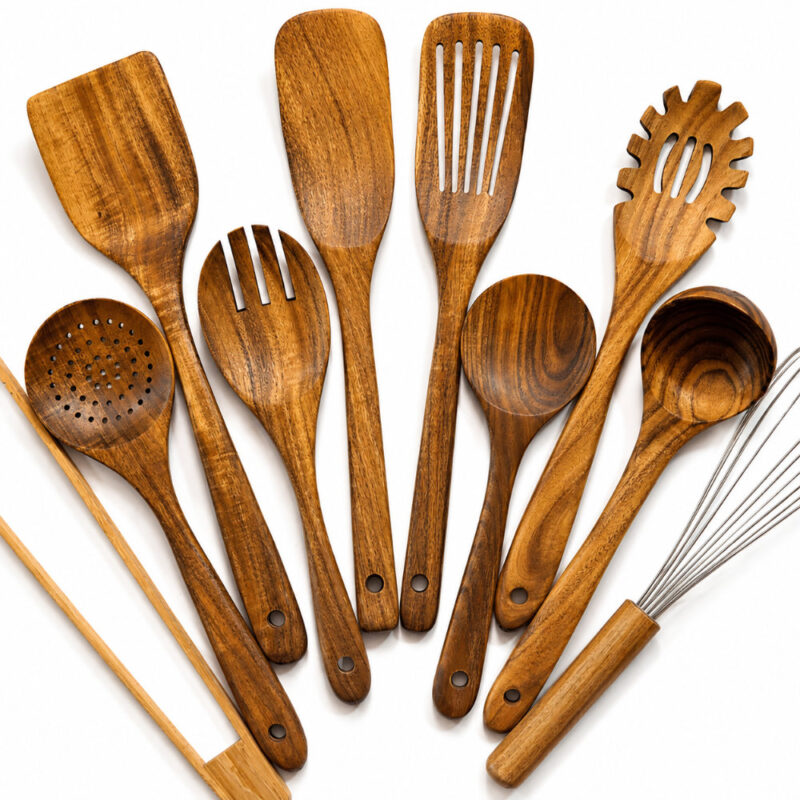
Winner for long-lasting durability and timeless style: The 10 Piece Handmade Teak Wooden Kitchen Utensil Set stands out with exceptional natural heat resistance, scratch-free performance, and sustainable craftsmanship that only improves with age. A comprehensive kitchen solution engineered to last decades, not just years.
Bronze is an alloy made primarily from copper and tin. While durable and historically significant, this metal combination creates problems in modern cooking environments.
Understanding Bronze Composition and Its Kitchen Risks
Bronze typically contains 88% copper and 12% tin. Some variations include aluminum, manganese, or phosphorus. This chemical makeup directly affects food safety.
The Copper Content Problem
Copper makes up the majority of bronze. When exposed to acidic foods, copper leaches into your meals. High copper consumption causes serious health issues:
- Nausea and vomiting
- Stomach cramps
- Diarrhea
- Liver damage with prolonged exposure
- Kidney dysfunction
The FDA sets strict limits on copper cookware. Unlined copper or bronze utensils exceed these safety thresholds during regular cooking.
Tin’s Reactive Nature
Tin forms the secondary component in bronze. This metal oxidizes when heated repeatedly. Tin oxidation creates a dull, grayish coating that can flake into food.
Foods with pH levels below 6.0 accelerate this reaction. Tomatoes, citrus fruits, vinegar-based sauces, and wine all trigger rapid tin breakdown.
Historical Use of Bronze in Cooking
Ancient civilizations used bronze extensively for cooking vessels. Archaeological evidence shows bronze cookware in:
- Ancient Rome (600 BCE – 400 CE)
- Greek city-states (800 BCE – 146 BCE)
- Chinese dynasties (2000 BCE – 1000 CE)
- Mesopotamian cultures (3500 BCE – 500 BCE)
These societies lacked knowledge about metal toxicity. They also consumed different diets with less acidic content. Modern food preparation methods and ingredients create more opportunities for harmful chemical reactions.
Why Ancient Cooks Avoided Problems
Ancient cooks unknowingly minimized bronze toxicity through several practices:
- Limited cooking times over open fires
- Fewer acidic ingredients in daily meals
- Shorter average lifespans (less cumulative exposure)
- Regular polishing that removed oxidized layers
- Use for serving rather than extended cooking
Chemical Reactions Between Bronze and Food
Bronze reacts with multiple food components during cooking. These reactions alter both the metal surface and your food.
Acid-Metal Interaction
Acidic foods strip copper and tin from bronze surfaces. This process happens rapidly at cooking temperatures. A single batch of tomato sauce can extract measurable copper amounts.
The reaction produces copper salts that dissolve into food. These compounds give food a metallic taste and green discoloration.
Salt and Bronze Corrosion
Salt accelerates bronze corrosion. Salted water or brined foods create an electrolytic reaction. This process speeds up metal breakdown.
The corrosion appears as:
- Green or blue-green patina
- Rough, pitted surfaces
- Dark spots or streaks
- Powdery residue
Heat-Induced Changes
High cooking temperatures increase reaction rates. Bronze heated above 400°F undergoes rapid oxidation. The metal surface becomes unstable and releases particles more readily.
Health Risks: The Scientific Evidence
Modern toxicology research confirms bronze cookware dangers. Studies document specific health impacts from copper and tin exposure through food.
Copper Toxicity Thresholds
The EPA sets the maximum copper level in drinking water at 1.3 mg/L. Cooking acidic foods in bronze can exceed this limit within minutes.
Symptoms of acute copper poisoning include:
- Metallic taste in mouth
- Excessive salivation
- Abdominal pain
- Headaches
- Dizziness
Chronic exposure leads to:
- Wilson’s disease acceleration (genetic copper storage disorder)
- Liver cirrhosis
- Neurological damage
- Hemolytic anemia
Tin Exposure Concerns
Tin poses lower toxicity risks than copper. However, high concentrations still cause problems. The WHO recommends limiting tin intake to 2 mg per kg of body weight weekly.
Contaminated food from bronze cookware can exceed this threshold. Symptoms include gastric irritation and digestive distress.
Comparison: Bronze vs. Safe Cooking Materials
| Material | Safety Level | Reactivity | Maintenance | Cost |
|---|---|---|---|---|
| Bronze | Unsafe | High | Difficult | Moderate |
| Stainless Steel | Safe | Very Low | Easy | Moderate |
| Cast Iron | Safe | Low | Moderate | Low |
| Ceramic | Safe | None | Easy | Moderate |
| Glass | Safe | None | Easy | Low-Moderate |
This comparison shows why modern kitchens favor alternative materials. Safety and practicality outweigh bronze’s historical appeal.
Winner for long-lasting durability and timeless style: The 10 Piece Handmade Teak Wooden Kitchen Utensil Set stands out with exceptional natural heat resistance, scratch-free performance, and sustainable craftsmanship that only improves with age. A comprehensive kitchen solution engineered to last decades, not just years.
Specific Foods That Intensify Bronze Reactions
Certain ingredients create particularly dangerous interactions with bronze cookware.
High-Risk Ingredients
Tomato-based dishes: Tomatoes contain citric and malic acids. These compounds aggressively extract copper. Pasta sauces and stews become contaminated quickly.
Citrus fruits: Lemon, lime, orange, and grapefruit have pH levels between 2.0 and 3.0. This extreme acidity dissolves bronze rapidly.
Vinegar preparations: Pickles, marinades, and salad dressings all contain acetic acid. This acid type penetrates bronze surfaces efficiently.
Wine reductions: Both red and white wines contain tartaric acid. Reducing wine in bronze cookware concentrates copper in the final sauce.
Fermented foods: Sauerkraut, kimchi, and yogurt maintain acidic environments. Extended contact with bronze creates contamination.
Safer Food Categories
Some foods pose less risk with bronze contact:
- Plain rice and grains (neutral pH)
- Boiled potatoes (slightly acidic but mild)
- Bread and baked goods (brief contact)
- Plain water (though minerals affect this)
Even these safer options should avoid bronze cookware. Cross-contamination and residual acids from previous cooking sessions remain concerns.
Modern Regulations and Food Safety Standards
Food safety authorities worldwide prohibit or restrict bronze cookware use.
FDA Guidelines
The FDA regulates cookware materials sold in the United States. Bronze cookware must meet copper release limits. Most unlined bronze vessels fail these standards.
Commercial food establishments cannot use bronze cooking surfaces. Health inspectors flag bronze cookware as a violation.
European Union Standards
EU regulations classify bronze cookware as unsuitable for food contact. Member states enforce strict testing protocols. Bronze items require protective linings to pass safety certification.
International Food Safety Protocols
The Codex Alimentarius Commission sets global food safety standards. These guidelines recommend against reactive metal cookware. Bronze falls clearly into the prohibited category for direct food contact.
Proper Uses for Bronze in the Kitchen
Bronze still serves legitimate kitchen purposes when used correctly.
Decorative Applications
Bronze works well for non-cooking kitchen decor:
- Wall hangings and art pieces
- Display bowls for non-food items
- Utensil holders (for stainless steel utensils)
- Decorative trivets and hot plates
Serving Cold Foods
Bronze serving platters can hold cold, non-acidic foods briefly. This requires several precautions:
- Clean the bronze thoroughly before use
- Limit contact time to under 30 minutes
- Avoid acidic foods completely
- Wash hands after handling
- Never use damaged or corroded pieces
Tool Handles and Components
Bronze makes excellent handles for kitchen tools when the metal doesn’t contact food directly. Knife handles, pot handles, and utensil grips benefit from bronze’s durability.
Maintaining Bronze Kitchen Items (Non-Cooking Use)
If you own bronze kitchen decorations or safe-use items, proper maintenance prevents deterioration.
Cleaning Bronze Safely
- Wash with mild dish soap and warm water
- Dry immediately with soft cloth
- Avoid abrasive scrubbers
- Never use acidic cleaners
- Polish with specialized bronze cleaner monthly
Storage Recommendations
Store bronze items in dry environments. Humidity accelerates tarnish and corrosion. Wrap pieces in acid-free tissue paper. Avoid plastic bags that trap moisture.
Recognizing Damage
Replace bronze items showing:
- Deep pits or holes
- Extensive green corrosion
- Flaking or powdery surfaces
- Cracks or structural weakness
Damaged bronze poses greater contamination risks. Discard compromised pieces.
Safe Alternatives to Bronze Cookware
Modern materials provide superior performance without health risks.
Stainless Steel Benefits
Stainless steel cookware dominates professional kitchens. This material combines iron, chromium, and nickel. The chromium creates a protective oxide layer that prevents reactions with food.
Benefits include:
- Non-reactive with all food types
- Dishwasher safe
- Extremely durable
- Even heat distribution with aluminum cores
- No maintenance of protective coatings
Cast Iron Advantages
Cast iron adds beneficial iron to food. This metal requires seasoning but rewards users with excellent heat retention. Cast iron works perfectly for high-heat cooking.
Unlike bronze, iron is an essential nutrient. Additional dietary iron from cookware causes no harm for most people.
Ceramic and Glass Options
Ceramic and glass provide completely inert cooking surfaces. These materials release no chemicals under normal cooking conditions. They excel for acidic dishes and baking applications.
The Bottom Line on Bronze Cookware
Bronze utensils and cookware pose legitimate health risks. The copper content leaches into food, particularly acidic dishes. Modern food safety standards exist for good reason.
Choose stainless steel, cast iron, ceramic, or glass for all cooking needs. Reserve bronze for decorative purposes only. Your health depends on using the right materials for food preparation.
The beautiful history of bronze cookware belongs in museums, not modern kitchens. Science and safety standards have advanced significantly. Follow current guidelines to protect yourself and your family from preventable metal toxicity.
Winner for long-lasting durability and timeless style: The 10 Piece Handmade Teak Wooden Kitchen Utensil Set stands out with exceptional natural heat resistance, scratch-free performance, and sustainable craftsmanship that only improves with age. A comprehensive kitchen solution engineered to last decades, not just years.