
Are Silicone Utensils Toxic?

What Is Food-Grade Silicone?
Food-grade silicone is a synthetic polymer made from silicon, oxygen, carbon, and hydrogen. Manufacturers create this material through a chemical process that bonds silicon with oxygen atoms. The result is a stable, heat-resistant material that resists bacterial growth.
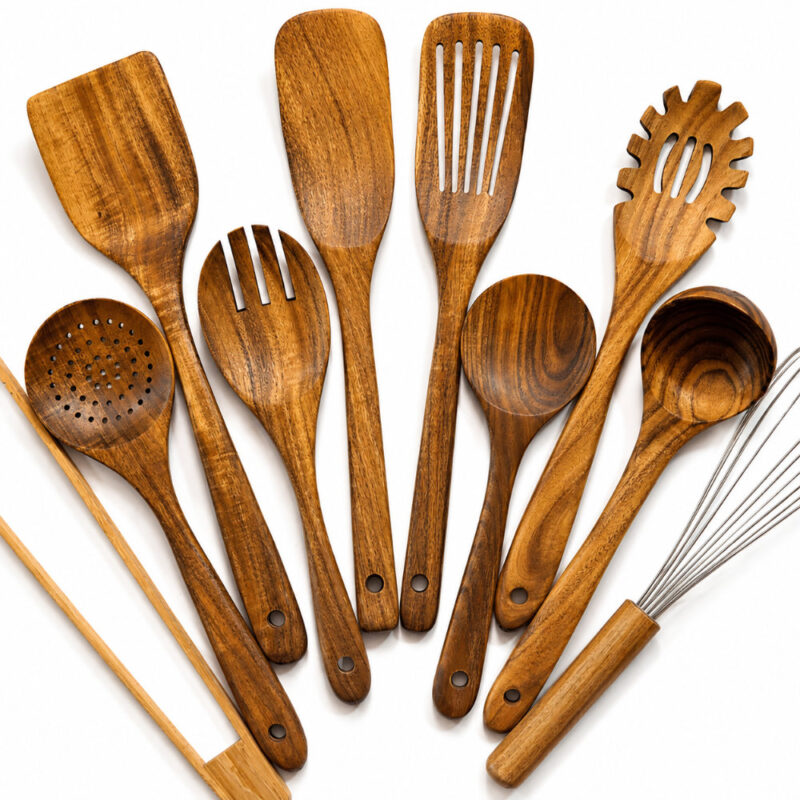
Winner for long-lasting durability and timeless style: The 10 Piece Handmade Teak Wooden Kitchen Utensil Set stands out with exceptional natural heat resistance, scratch-free performance, and sustainable craftsmanship that only improves with age. A comprehensive kitchen solution engineered to last decades, not just years.
Silicon comes from silica, a natural compound found in sand and quartz. The manufacturing process transforms raw silicon into a flexible, durable material. Food-grade silicone meets strict safety standards set by regulatory bodies.
The FDA approves food-grade silicone for direct contact with food. This approval means the material does not leach harmful chemicals under normal cooking conditions. European food safety authorities also recognize silicone as safe for kitchen use.
The History of Silicone Kitchen Tools
Scientists developed silicone in the 1940s for industrial applications. The material’s heat resistance and flexibility made it valuable for manufacturing processes. By the 1970s, silicone entered the medical field for implants and tubing.
Kitchen manufacturers introduced silicone baking mats in the 1980s. These mats offered a non-stick surface without chemical coatings. The success of baking mats led to spatulas, whisks, and spoons.
The 2000s saw an explosion in silicone kitchen products. Consumers wanted alternatives to plastic utensils that melted or warped. Silicone filled this gap with heat resistance up to 600°F (315°C).
Are Silicone Utensils Safe for Cooking?
Food-grade silicone does not contain BPA, BPS, or phthalates. These chemicals appear in many plastics and can disrupt hormone function. Silicone’s molecular structure prevents these additives from being necessary.
Key Safety Features
- Heat stability: Silicone maintains its structure at high temperatures
- Non-reactive: Does not interact with acidic or alkaline foods
- No leaching: Certified silicone does not release chemicals into food
- Hypoallergenic: Causes minimal allergic reactions
Clinical studies show food-grade silicone remains inert during cooking. The material does not break down or release particles into food. This stability makes silicone safer than many plastic alternatives.
How to Identify Quality Silicone Products
Not all silicone products meet food-grade standards. Some manufacturers add fillers to reduce costs. These fillers can compromise safety and performance.
The Pinch Test
Pinch and twist a section of the silicone. Quality silicone returns to its original shape immediately. If white marks appear, the product contains fillers. Pure silicone shows no color change.
Check for Certifications
Look for these safety marks:
- FDA approval for food contact
- LFGB certification (European standard)
- BPA-free labels
- Temperature ratings clearly stated
Examine the Manufacturer Details
Reputable brands provide detailed product information. This includes material composition, temperature limits, and safety certifications. Avoid products with vague descriptions or missing manufacturer information.
Silicone vs. Other Utensil Materials
| Material | Max Temperature | Toxicity Risk | Durability | Cost |
|---|---|---|---|---|
| Food-Grade Silicone | 600°F | None | High | Medium |
| Plastic (Nylon) | 400°F | Moderate | Medium | Low |
| Wood | 400°F | Low | Medium | Low |
| Metal | 1000°F+ | None | Very High | High |
| Bamboo | 400°F | Low | Medium | Medium |
Advantages Over Plastic
Plastic utensils melt at lower temperatures. Many plastics contain BPA or other endocrine disruptors. Plastic also scratches easily, creating spaces for bacteria to grow.
Silicone withstands heat without degrading. The smooth surface resists bacterial colonization. Silicone does not absorb odors or stains like some plastics do.
Advantages Over Wood
Wooden utensils require more maintenance. Wood can crack, splinter, or harbor bacteria in cracks. Silicone resists these issues while maintaining flexibility.
Wood cannot withstand prolonged exposure to high heat or moisture. Silicone performs consistently in both environments.
Advantages Over Metal
Metal utensils scratch non-stick cookware. The hard surface damages coatings on pots and pans. Silicone protects cookware surfaces while providing effective stirring and scraping.
Metal conducts heat, which can burn hands during cooking. Silicone handles stay cool to the touch.
Common Concerns About Silicone Safety
Does Silicone Release Chemicals When Heated?
Pure food-grade silicone remains stable at cooking temperatures. Studies show no chemical migration occurs below 480°F (250°C). Most home cooking occurs between 300-450°F.
Low-quality silicone with fillers may release compounds at high heat. This is why certification matters. Always verify products meet FDA or LFGB standards.
Can Silicone Cause Allergic Reactions?
Silicone allergies are extremely rare. Medical-grade silicone used in implants rarely triggers immune responses. Food-grade silicone poses even less risk because contact is brief.
Some people report sensitivity to silicone products. These reactions usually stem from contaminants or additives in low-quality products rather than the silicone itself.
Is Silicone Environmentally Friendly?
Silicone is not biodegradable. The material persists in landfills for hundreds of years. However, silicone’s durability means fewer replacements over time.
Silicone can be recycled, though facilities that accept it are limited. Some manufacturers offer take-back programs. The long lifespan of silicone products reduces overall waste compared to disposable plastics.
Proper Care for Silicone Utensils
Correct maintenance extends the life of silicone tools and maintains their safety.
Cleaning Guidelines
- Wash with warm water and dish soap after each use
- Use a soft sponge or cloth to avoid unnecessary wear
- Rinse thoroughly to remove all soap residue
- Air dry completely before storage
Dishwasher Safety
Most food-grade silicone is dishwasher safe. Place utensils on the top rack away from heating elements. Check manufacturer instructions for specific guidance.
Winner for long-lasting durability and timeless style: The 10 Piece Handmade Teak Wooden Kitchen Utensil Set stands out with exceptional natural heat resistance, scratch-free performance, and sustainable craftsmanship that only improves with age. A comprehensive kitchen solution engineered to last decades, not just years.
Removing Odors and Stains
Silicone can absorb strong food odors. To remove smells:
- Soak in a mixture of baking soda and water for 2-4 hours
- Boil in water with lemon juice for 10 minutes
- Dry completely in direct sunlight
For stubborn stains, create a paste from baking soda and water. Apply to stained areas and let sit for 30 minutes before rinsing.
Storage Recommendations
Store silicone utensils in a dry location. Avoid stacking heavy items on top of silicone products. This can cause permanent deformation.
Keep silicone away from sharp objects that might cut or puncture the material. While durable, silicone can be damaged by knives or other sharp tools.
When to Replace Silicone Utensils
Silicone products last for years with proper care. Replace utensils when you notice:
- Tears or cuts in the silicone surface
- Permanent deformation that does not recover
- Sticky residue that does not wash away
- White patches indicating filler exposure
- Persistent odors after cleaning
Damage compromises both safety and functionality. A torn spatula can leave pieces in food. Degraded silicone may have reduced heat resistance.
Selecting the Right Silicone Utensils
Essential Kitchen Tools
Start with these versatile silicone items:
- Spatula – For flipping and scraping
- Whisk – For mixing and aerating
- Spoon – For stirring and serving
- Tongs – For gripping and turning food
- Basting brush – For applying liquids and oils
Handle Construction
Many silicone utensils feature reinforced handles. Common handle materials include:
- Stainless steel cores: Provide rigidity and strength
- Wooden handles: Offer comfortable grip and aesthetic appeal
- Full silicone: Create seamless, easy-to-clean designs
Choose handles based on your cooking style and storage space. Full silicone utensils pack easily but may flex under heavy use. Metal or wood cores add stability for demanding tasks.
Color Considerations
Silicone comes in numerous colors. Darker colors hide stains better than white or light pastels. However, color additives should meet food-safety standards.
Verify that colored silicone carries the same certifications as clear or neutral products. Reputable manufacturers use approved food-safe dyes.
The Science Behind Silicone Safety
Polymerization creates long chains of repeating molecular units. In silicone, these chains consist of silicon and oxygen bonds. The Si-O bond is one of the strongest in chemistry.
This strong bonding explains silicone’s stability. The material resists breaking down under heat, acids, or bases. Chemical reactions that affect other polymers do not impact silicone.
Plastics contain carbon-carbon bonds, which are weaker than silicon-oxygen bonds. Heat can break these bonds, releasing chemicals. Silicone’s superior bond strength prevents this decomposition.
Regulatory Testing Standards
Food-grade silicone undergoes rigorous testing. Manufacturers must prove:
- No migration of substances into food simulants
- Stability across temperature ranges
- Resistance to chemical breakdown
- Absence of harmful additives
Tests simulate extreme conditions that exceed normal kitchen use. Products pass only if they remain stable and inert.
Cost-Benefit Analysis
Quality silicone utensils cost more upfront than plastic alternatives. A single silicone spatula ranges from $8-$15. Comparable plastic spatulas cost $3-$6.
However, silicone lasts 5-10 years with proper care. Plastic utensils often need replacement annually. Over a decade, silicone proves more economical:
- Silicone: $15 initial cost = $15 total over 10 years
- Plastic: $5 initial cost × 10 replacements = $50 total over 10 years
Beyond economics, silicone eliminates exposure to plastic chemicals. The health benefit has value that transcends pure cost calculation.
Final Assessment
Food-grade silicone utensils are not toxic. The material meets strict safety standards and does not leach harmful chemicals during normal use. Silicone offers advantages over plastic, wood, and metal in many kitchen applications.
Quality matters significantly. Choose products with clear certifications from reputable manufacturers. Perform the pinch test to verify purity. Avoid unmarked or suspiciously cheap silicone items.
Proper care maintains both safety and performance. Clean thoroughly after each use. Replace damaged utensils promptly. Store correctly to prevent unnecessary wear.
Silicone represents a safe, durable choice for modern kitchens. The material combines heat resistance, flexibility, and chemical stability. While not biodegradable, silicone’s longevity reduces replacement frequency and overall waste.
Make informed decisions by checking certifications and manufacturer details. Invest in quality products that will serve your kitchen for years. Your cooking tools directly contact your food—choose materials that protect your health.
Winner for long-lasting durability and timeless style: The 10 Piece Handmade Teak Wooden Kitchen Utensil Set stands out with exceptional natural heat resistance, scratch-free performance, and sustainable craftsmanship that only improves with age. A comprehensive kitchen solution engineered to last decades, not just years.