
Which Is Safer: Nylon or Silicone Cooking Utensils?

The Safety Fundamentals of Kitchen Utensils
Kitchen utensil safety affects your health every day. The materials that touch your food matter. Nylon and silicone dominate modern kitchens, but they differ significantly in safety profiles.
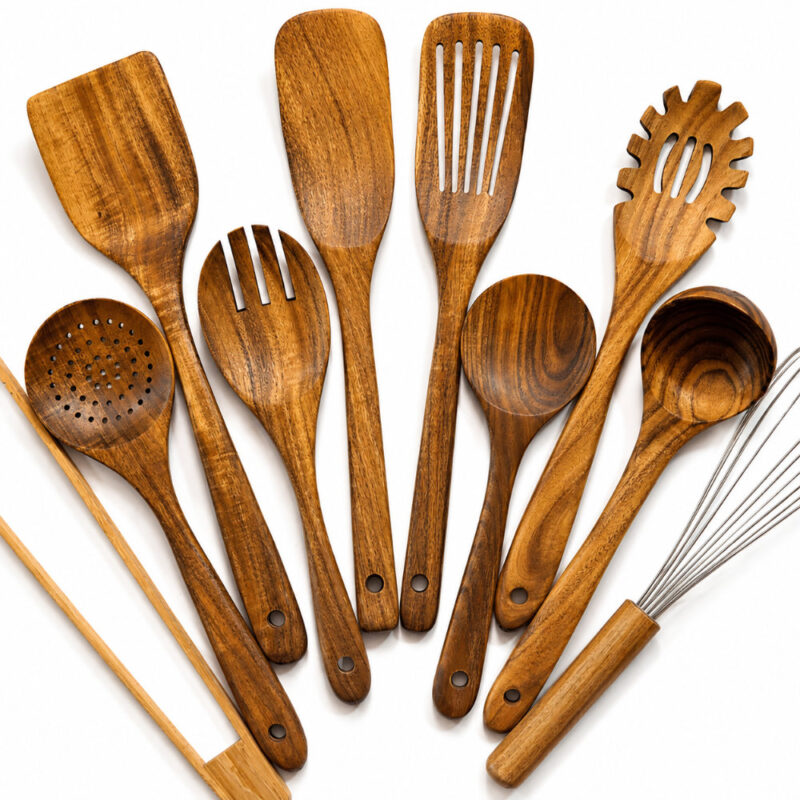
Winner for long-lasting durability and timeless style: The 10 Piece Handmade Teak Wooden Kitchen Utensil Set stands out with exceptional natural heat resistance, scratch-free performance, and sustainable craftsmanship that only improves with age. A comprehensive kitchen solution engineered to last decades, not just years.
Silicone cooking utensils offer superior heat resistance and chemical stability. Nylon utensils provide durability at lower temperatures. Your choice depends on cooking methods, temperature exposure, and specific safety concerns.
Understanding Nylon Cooking Utensils
What Is Nylon?
Nylon is a synthetic polymer invented in 1935 by DuPont chemist Wallace Carothers. Manufacturers create it through chemical reactions between diamines and dicarboxylic acids. The material revolutionized kitchen tools in the 1950s.
Kitchen-grade nylon typically uses Nylon 6 or Nylon 66 formulations. These variants offer different melting points and structural properties.
Nylon Temperature Limits
Standard nylon utensils melt at approximately 400°F (204°C). Heat degradation begins at lower temperatures:
- 350°F (177°C): Surface softening starts
- 400°F (204°C): Material begins melting
- 450°F (232°C): Rapid degradation occurs
Cast iron pans reach 500°F regularly. Stainless steel cookware exceeds 600°F on stovetops. Nylon cannot safely contact these surfaces.
Chemical Concerns with Nylon
Nylon leaches chemicals under heat stress. BPA (Bisphenol A) appears in some nylon formulations. This endocrine disruptor mimics estrogen in the body.
Studies show nylon releases microplastics during use. A 2019 research paper found plastic particles in foods prepared with nylon tools. High temperatures accelerate particle release.
Manufacturers add plasticizers to nylon for flexibility. These additives migrate into food during cooking. Phthalates represent common plasticizers with documented health risks.
Understanding Silicone Cooking Utensils
What Is Silicone?
Silicone is a synthetic polymer containing silicon, oxygen, carbon, and hydrogen. Scientists developed it in the early 1900s. Food-grade silicone entered kitchens in the 1970s.
The material bonds silicon and oxygen atoms in a repeating chain. Carbon and hydrogen groups attach to this backbone. This structure creates exceptional stability.
Silicone Temperature Performance
Food-grade silicone withstands extreme temperatures:
- Minimum temperature: -40°F (-40°C)
- Maximum temperature: 600°F (315°C)
- Continuous use: Up to 500°F (260°C)
Silicone maintains structural integrity across this range. The material neither melts nor releases harmful compounds at cooking temperatures.
Chemical Stability of Silicone
Pure silicone is chemically inert. The material does not react with foods, acids, or bases. FDA approves food-grade silicone as safe for direct food contact.
High-quality silicone contains no:
- BPA or BPS
- Phthalates
- Lead
- Latex
- Fillers (in pure versions)
The molecular structure prevents chemical leaching. Silicon-oxygen bonds remain stable under heat and pressure.
Direct Safety Comparison
| Safety Factor | Nylon | Silicone |
|---|---|---|
| Maximum Safe Temperature | 350°F | 600°F |
| BPA-Free | Not always | Yes |
| Microplastic Shedding | Yes, especially when heated | Minimal to none |
| Chemical Leaching | Occurs under heat | None detected |
| FDA Approval | Yes, with limitations | Yes, unrestricted |
| Lifespan Before Degradation | 1-2 years | 5-10 years |
| Heat Discoloration | Common | Rare |
Health Implications
Nylon Health Risks
Microplastic ingestion poses the primary concern. Research documents that humans consume thousands of plastic particles yearly. Nylon utensils contribute to this exposure.
Heat-damaged nylon releases volatile organic compounds (VOCs). These chemicals irritate respiratory systems. Prolonged exposure links to headaches and nausea.
Some nylon utensils contain flame retardants. Manufacturers add these chemicals for safety compliance. Studies connect flame retardants to thyroid disruption and cancer risks.
Silicone Safety Profile
Food-grade silicone shows no documented health risks at cooking temperatures. The FDA classifies it as GRAS (Generally Recognized As Safe).
Medical-grade silicone appears in implants and surgical tools. This demonstrates biocompatibility. Kitchen silicone meets similar purity standards.
One concern exists: filler materials. Low-quality silicone contains plastic fillers. These products fail purity tests and may leach chemicals.
Testing Silicone Quality
Perform the pinch test:
- Twist and pinch a flat silicone surface
- Observe the color at the pinch point
- White discoloration indicates fillers
- Consistent color confirms pure silicone
Pure silicone maintains its original color under pressure.
Durability and Maintenance
Nylon Lifespan
Nylon utensils degrade quickly. Visible signs include:
- Melted edges or tips
- Surface roughness
- Color fading to gray or brown
- Warping or bending
- Scratch marks on surfaces
Replace nylon tools every 12-18 months. Heat exposure accelerates degradation. Budget $20-40 annually for replacements.
Silicone Longevity
Quality silicone lasts 5-10 years with proper care. The material resists:
- Staining
- Cracking
- Melting
- Odor absorption
- Bacterial growth
Silicone maintains flexibility throughout its lifespan. This reduces breakage risk.
Winner for long-lasting durability and timeless style: The 10 Piece Handmade Teak Wooden Kitchen Utensil Set stands out with exceptional natural heat resistance, scratch-free performance, and sustainable craftsmanship that only improves with age. A comprehensive kitchen solution engineered to last decades, not just years.
Cleaning and Care
Nylon cleaning:
- Hand wash with mild soap
- Avoid dishwasher high-heat cycles
- Never use abrasive scrubbers
- Air dry completely
Silicone cleaning:
- Dishwasher safe (top or bottom rack)
- Boil to remove odors
- Use any cleaning method
- Stain removal with baking soda paste
Silicone requires less maintenance effort. The non-porous surface prevents bacterial colonization.
Environmental and Cost Considerations
Environmental Impact
Nylon production consumes petroleum resources. The manufacturing process releases nitrous oxide, a greenhouse gas 300 times more potent than carbon dioxide.
Nylon utensils contribute to landfill waste. The material takes 30-40 years to decompose. Microplastic shedding continues throughout this period.
Silicone production also uses energy-intensive processes. However, the extended lifespan reduces replacement frequency. One silicone spatula replaces five nylon versions over ten years.
Neither material biodegrades quickly. Recycling programs rarely accept either type. Proper disposal requires research into local facilities.
Cost Analysis
Initial investment:
- Nylon utensil: $3-8 each
- Silicone utensil: $8-15 each
Long-term costs (10-year period):
- Nylon: 6-8 replacements = $18-64 per tool
- Silicone: 1-2 replacements = $8-30 per tool
Silicone costs less over time. The higher upfront price pays off through durability.
Specific Use Cases
Best Applications for Nylon
Use nylon utensils for:
- Cold food preparation (salads, desserts)
- Low-temperature cooking (eggs, sauces under 300°F)
- Non-stick pan stirring (gentle on coatings)
- Budget-conscious situations
Avoid nylon for high-heat searing, grilling, or direct flame contact.
Optimal Silicone Uses
Choose silicone for:
- High-heat cooking (stir-frying, searing)
- Baking (spatulas, brushes, molds)
- Versatile applications (storage, serving, cooking)
- Long-term investment
Silicone handles all cooking temperatures safely.
Non-Stick Cookware Considerations
Both materials protect Teflon and ceramic coatings. Metal utensils scratch non-stick surfaces, reducing lifespan.
Silicone edges conform to pan curves better. This improves scraping efficiency. Nylon works adequately but lacks flexibility.
Making Your Selection
Prioritize Safety
Choose silicone if you:
- Cook at high temperatures frequently
- Want to eliminate microplastic exposure
- Prefer chemical-free materials
- Need one universal utensil type
Select nylon only if:
- Budget constraints exist
- Cooking never exceeds 300°F
- Utensils require frequent replacement anyway
Verify Quality Standards
Purchase silicone products with:
- FDA approval clearly stated
- LFGB certification (European standard)
- 100% food-grade silicone labels
- Manufacturer transparency about composition
Avoid products without clear safety certifications.
Check for Mixed Materials
Many “silicone” utensils contain plastic cores. Examine the construction:
- Pure silicone feels uniform throughout
- Plastic cores create hard internal structures
- Handles should match head flexibility
- Two-tone colors often indicate composite construction
Mixed materials negate silicone’s safety benefits.
Scientific Research Updates
Recent studies strengthen silicone’s safety profile. A 2023 analysis found zero chemical migration from pure silicone at 500°F over 1,000 hours.
Nylon research reveals concerning data. A 2022 study detected nanoplastics in foods cooked with nylon tools. These particles penetrate cell walls more easily than microplastics.
The FDA continues monitoring both materials. Current regulations permit both for food contact. However, consumer advocacy groups recommend silicone over nylon.
The Verdict on Safety
Silicone cooking utensils are safer than nylon. The evidence is clear:
- Higher temperature tolerance prevents melting
- No chemical leaching occurs
- Microplastic shedding is minimal
- Longer lifespan reduces waste
- FDA approval covers all uses
Nylon serves limited purposes safely. Restrict use to low-temperature applications. Replace frequently to minimize degradation risks.
Invest in quality silicone utensils. The higher initial cost protects your health. Pure food-grade silicone provides the safest option for modern cooking.
Your kitchen tools affect long-term health. Choose materials that withstand cooking demands without compromising safety. Silicone delivers performance and peace of mind.
Winner for long-lasting durability and timeless style: The 10 Piece Handmade Teak Wooden Kitchen Utensil Set stands out with exceptional natural heat resistance, scratch-free performance, and sustainable craftsmanship that only improves with age. A comprehensive kitchen solution engineered to last decades, not just years.