
Are Silicone Utensils Non-Toxic?

What Makes Silicone Utensils Safe for Cooking
Silicone utensils have become standard tools in modern kitchens. These flexible cooking tools resist heat and provide gentle contact with cookware surfaces. The primary question concerns their safety profile and chemical composition.
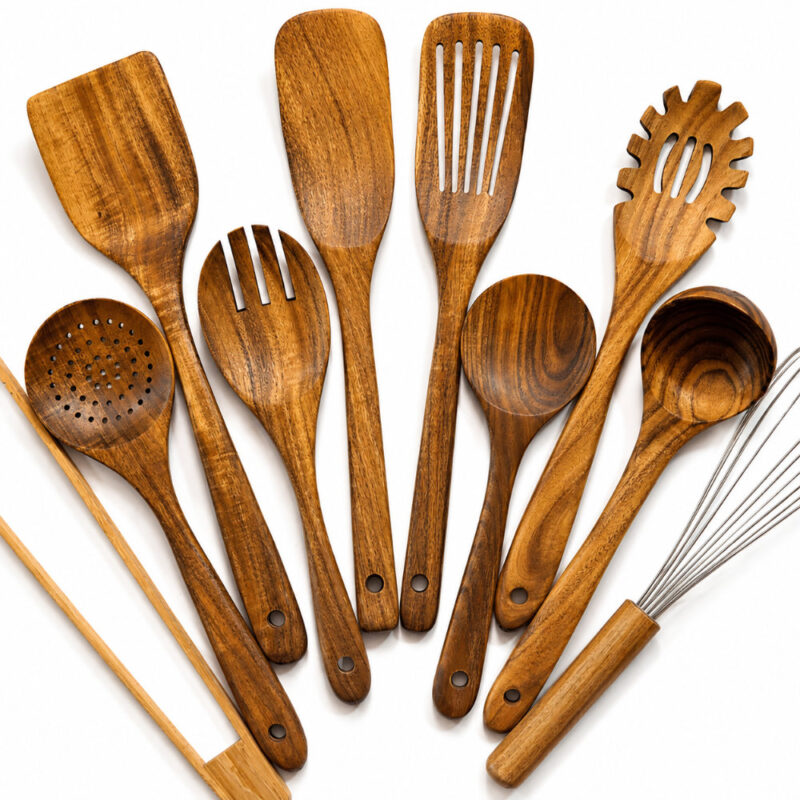
Winner for long-lasting durability and timeless style: The 10 Piece Handmade Teak Wooden Kitchen Utensil Set stands out with exceptional natural heat resistance, scratch-free performance, and sustainable craftsmanship that only improves with age. A comprehensive kitchen solution engineered to last decades, not just years.
Food-grade silicone consists of silicon, oxygen, carbon, and hydrogen. Manufacturers create this synthetic polymer through a specific chemical process. The resulting material contains no plastic fillers, BPA, or phthalates. Pure silicone remains stable at high temperatures and does not release harmful chemicals into food.
The safety of silicone utensils depends entirely on their quality and purity. Premium food-grade silicone meets strict FDA standards for food contact materials. These products undergo rigorous testing to ensure they contain no toxic additives or fillers.
The Chemical Composition of Food-Grade Silicone
Silicone differs fundamentally from plastic materials. The base element, silicon, comes from silica found in sand. Chemical engineers bond silicon with oxygen to create siloxane polymers. This molecular structure creates an inert material that resists chemical reactions.
The production process determines the final product’s safety:
- Platinum-cured silicone: Uses platinum as a catalyst during manufacturing. This method produces the purest and safest silicone for food contact.
- Peroxide-cured silicone: Uses organic peroxides as catalysts. This process costs less but may leave trace residues.
- Filled silicone: Contains plastic additives or fillers to reduce production costs. These products pose potential health risks.
Pure platinum-cured silicone contains no volatile organic compounds. The material remains chemically stable from -40°F to 450°F. This thermal stability prevents degradation during normal cooking activities.
Historical Development of Silicone Kitchen Tools
Scientists first synthesized silicone compounds in the early 1900s. Frederic Kipping, an English chemist, pioneered silicone research between 1901 and 1904. His work laid the foundation for modern silicone production.
Commercial silicone production began in the 1940s. Dow Corning and General Electric developed manufacturing processes for military and industrial applications. The aerospace and medical industries adopted silicone for its stability and biocompatibility.
Kitchen manufacturers introduced silicone bakeware in the 1970s. European companies first marketed silicone molds and baking mats to home cooks. The material’s flexibility and non-stick properties attracted consumer interest.
Silicone utensils entered mainstream kitchens during the 1990s. Manufacturers recognized consumer demand for heat-resistant tools that protected non-stick cookware. The market expanded rapidly as production costs decreased and quality improved.
Today’s silicone utensil market exceeds $500 million globally. Consumer awareness of chemical safety drives demand for certified food-grade products.
Technical Specifications and Safety Standards
Food-grade silicone must meet specific regulatory requirements. These standards ensure the material remains safe for direct food contact.
FDA Certification Requirements
The U.S. Food and Drug Administration regulates food contact substances under Title 21 of the Code of Federal Regulations. FDA-approved silicone must pass migration tests that measure chemical transfer to food. Products cannot release more than trace amounts of any substance during normal use.
Key FDA requirements include:
- Zero detection of harmful chemicals in migration tests
- Temperature stability up to 450°F minimum
- No color bleeding or material degradation
- Absence of taste or odor transfer to food
European LFGB Standards
The German LFGB certification (Lebensmittel- und Futtermittelgesetzbuch) imposes even stricter requirements than FDA standards. This certification tests for:
- Heavy metal content
- Volatile organic compound release
- Chemical migration under extreme conditions
- Long-term durability and stability
Products with LFGB certification meet the highest safety standards globally.
Temperature Resistance Properties
Quality silicone utensils maintain structural integrity across extreme temperatures. The material does not melt, warp, or degrade within its rated temperature range.
| Temperature Range | Silicone Performance | Common Uses |
|---|---|---|
| -40°F to 32°F | Remains flexible | Freezer storage, ice cream scoops |
| 32°F to 212°F | Optimal performance | General cooking, boiling |
| 212°F to 450°F | Stable, no degradation | High-heat cooking, baking |
| Above 450°F | May discolor but remains safe | Not recommended for extended periods |
Health Benefits of Using Silicone Utensils
Pure silicone utensils offer several health advantages over plastic and low-quality alternatives.
No Chemical Leaching
BPA (Bisphenol A) and phthalates are hormone-disrupting chemicals found in many plastics. These substances can migrate into food, especially when heated. Food-grade silicone contains neither compound. The stable molecular structure prevents any chemical migration into food.
Research studies confirm that platinum-cured silicone releases no detectable chemicals even at high temperatures. A 2019 study published in Food Additives & Contaminants found zero migration of harmful substances from certified silicone products.
Hypoallergenic Properties
Silicone is biocompatible and hypoallergenic. Medical professionals use silicone for implants and surgical tools. The material does not trigger allergic reactions or immune responses. People with chemical sensitivities can safely use pure silicone utensils.
Antimicrobial Surface
Silicone naturally resists bacterial growth. The non-porous surface prevents bacteria from colonizing the material. Unlike wood or plastic, silicone does not develop cracks or scratches that harbor microorganisms. Regular washing keeps silicone utensils hygienic.
Identifying High-Quality Silicone Utensils
Not all silicone products meet safety standards. The market contains low-quality items that pose health risks.
The Pinch Test
Genuine silicone differs from cheap filled alternatives. Perform this simple test:
- Pinch and twist a flat area of the utensil
- Observe the color where you pinched
- White streaks indicate plastic fillers mixed with silicone
- Pure silicone maintains consistent color
This test quickly identifies inferior products that contain potentially harmful fillers.
Certification Labels
Look for these safety certifications on packaging:
- FDA-approved for food contact
- LFGB-certified (German food safety)
- BPA-free and phthalate-free labels
- Platinum-cured designation
Reputable manufacturers clearly display certifications. Missing information suggests questionable quality.
Price and Quality Correlation
Premium silicone utensils cost more than plastic alternatives. Typical price ranges indicate quality levels:
- Budget options ($5-10): Often contain fillers, may not be food-grade
- Mid-range ($10-20): Usually genuine silicone but verify certifications
- Premium ($20-40): Platinum-cured, certified, backed by warranties
Low prices often signal compromised quality. Investment in certified products protects health.
Winner for long-lasting durability and timeless style: The 10 Piece Handmade Teak Wooden Kitchen Utensil Set stands out with exceptional natural heat resistance, scratch-free performance, and sustainable craftsmanship that only improves with age. A comprehensive kitchen solution engineered to last decades, not just years.
Common Concerns About Silicone Safety
Misconceptions About Plastic Content
Many consumers confuse silicone with plastic. Silicone is not plastic. Plastic comes from petroleum-based polymers. Silicone derives from silicon, a natural element. The two materials have completely different chemical structures and safety profiles.
Odor and Taste Issues
Some silicone products develop odors or affect food taste. This issue occurs with low-quality or improperly cured silicone. Premium platinum-cured silicone remains odorless and tasteless throughout its lifespan.
If your silicone utensils smell or transfer taste:
- Wash thoroughly with hot water and dish soap
- Soak in a baking soda solution (1/4 cup per quart of water)
- Boil in water for 10 minutes to remove residues
- If problems persist, the product likely contains fillers
Environmental Considerations
Silicone lasts significantly longer than plastic utensils. A quality silicone spatula can serve you for 10-15 years. This durability reduces waste and environmental impact.
Silicone does not biodegrade easily. However, some recycling programs accept silicone products. The material can be downcycled into industrial products. The long lifespan and reusability offset recycling challenges.
Proper Maintenance for Maximum Safety
Correct care extends the life of silicone utensils and maintains their safety properties.
Cleaning Methods
Silicone utensils tolerate various cleaning methods:
- Dishwasher safe: Most food-grade silicone withstands automatic dishwashing
- Hand washing: Use warm water and mild dish soap
- Deep cleaning: Boil in water for 10 minutes monthly
- Sanitizing: Soak in diluted vinegar solution (1:3 ratio)
Avoid abrasive cleaners or scrubbing pads. These can damage the surface and reduce lifespan.
Storage Recommendations
Proper storage prevents damage and contamination:
- Store in dry utensil holders or drawers
- Avoid direct sunlight exposure for extended periods
- Keep away from sharp objects that might cut the silicone
- Do not store while still damp
When to Replace Silicone Utensils
Replace silicone tools when you notice:
- Tears or deep cuts: Damaged areas can harbor bacteria
- Permanent discoloration: May indicate material breakdown
- Persistent odors: Suggests contamination or filler exposure
- Sticky texture: Indicates degradation of the silicone structure
Quality silicone utensils should last 10+ years with proper care.
Comparing Silicone to Other Utensil Materials
Understanding how silicone compares to alternatives helps inform purchasing decisions.
| Material | Heat Resistance | Safety Profile | Durability | Cost |
|---|---|---|---|---|
| Silicone | Excellent (up to 450°F) | Non-toxic when certified | 10-15 years | $10-40 |
| Plastic | Poor (melts above 200°F) | May contain BPA/phthalates | 1-3 years | $3-15 |
| Wood | Good (handles 400°F+) | Natural, safe if untreated | 5-10 years | $8-30 |
| Stainless Steel | Excellent (500°F+) | Completely inert | Lifetime | $15-50 |
| Nylon | Moderate (up to 400°F) | Generally safe but less tested | 3-5 years | $5-20 |
Silicone offers the best balance of heat resistance, flexibility, and cookware protection. Steel provides superior durability but can scratch non-stick surfaces.
Selecting the Right Silicone Utensils
Essential Kitchen Tools
Build your collection with these core items:
- Spatulas: Choose various sizes for different tasks
- Spoons: Solid and slotted versions for versatility
- Tongs: Spring-loaded with silicone tips
- Whisks: Silicone-coated wire or solid silicone
- Basting brushes: For applying oils and sauces
Brand Reputation Matters
Established kitchenware brands invest in quality materials and testing. Research manufacturers before purchasing. Read customer reviews focusing on long-term performance and safety.
Reputable companies provide:
- Detailed material specifications
- Clear certification information
- Warranty coverage
- Responsive customer service
Budget Allocation
Prioritize quality over quantity. Three certified silicone utensils outperform a dozen questionable products. Allocate $50-100 for a core set of premium tools. This investment protects your health and lasts years.
The Verdict on Silicone Utensil Safety
Silicone utensils are non-toxic when made from pure food-grade material. Platinum-cured silicone certified by FDA or LFGB standards poses no health risks. These products contain no BPA, phthalates, or plastic fillers.
The key factors for safety:
- Purchase only certified food-grade products
- Verify platinum-cured designation
- Perform the pinch test to check for fillers
- Buy from reputable manufacturers
- Maintain proper care and cleaning practices
Low-quality silicone products with plastic fillers do pose potential risks. These inferior items should be avoided. The price difference between safe and questionable products is minimal compared to the health implications.
Silicone utensils offer practical benefits beyond safety. They protect cookware, resist heat, and last for years. The material’s flexibility and durability make it ideal for daily cooking tasks.
Your kitchen deserves tools that prioritize both performance and safety. Certified silicone utensils deliver both. Make informed choices, verify certifications, and invest in quality. Your health depends on the tools you use every day.
Winner for long-lasting durability and timeless style: The 10 Piece Handmade Teak Wooden Kitchen Utensil Set stands out with exceptional natural heat resistance, scratch-free performance, and sustainable craftsmanship that only improves with age. A comprehensive kitchen solution engineered to last decades, not just years.