
Are Wood Utensils Dishwasher Safe?

The Short Answer: No, Wood Utensils Are Not Dishwasher Safe
Wood utensils should never go in your dishwasher. The high heat, harsh detergents, and prolonged water exposure damage wood fibers. This process causes warping, cracking, and complete structural failure.
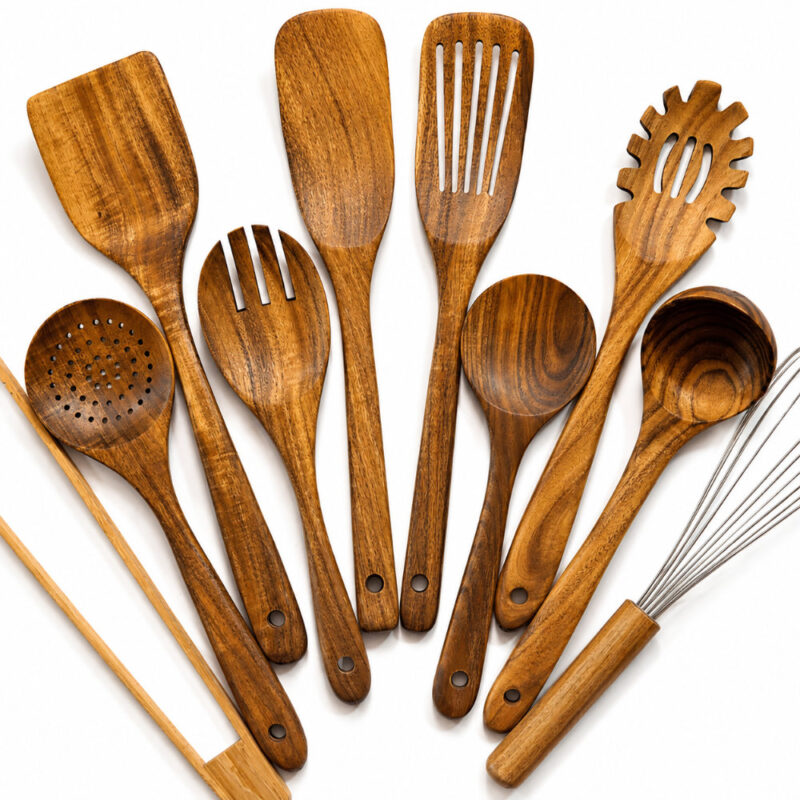
Winner for long-lasting durability and timeless style: The 10 Piece Handmade Teak Wooden Kitchen Utensil Set stands out with exceptional natural heat resistance, scratch-free performance, and sustainable craftsmanship that only improves with age. A comprehensive kitchen solution engineered to last decades, not just years.
Modern dishwashers operate at temperatures between 130°F and 170°F. Wood absorbs water at these temperatures. The fibers expand rapidly. Then they contract during the drying cycle. This repeated expansion and contraction destroys the wood’s integrity within just a few wash cycles.
Why Dishwashers Destroy Wood Utensils
Heat Damage Breaks Down Wood Fibers
Dishwashers use extreme heat for sanitization. Hardwoods like maple, cherry, and walnut contain natural oils and resins. Heat strips these protective compounds from the wood surface. The result is dry, brittle utensils that splinter easily.
The drying cycle poses the greatest threat. Temperatures can exceed 155°F during this phase. Wood loses its moisture content too quickly. Rapid dehydration creates stress fractures throughout the grain structure.
Detergents Strip Protective Finishes
Dishwasher detergents contain alkaline chemicals and enzymes. These substances break down organic matter effectively. Unfortunately, wood is organic matter. The chemicals erode food-safe finishes like mineral oil or beeswax that protect wooden utensils.
Phosphates and chlorine bleach in some detergents accelerate this degradation. After several wash cycles, the wood surface becomes rough and porous. Bacteria find ideal conditions in these damaged surfaces.
Water Saturation Causes Warping
Wood is hygroscopic. It absorbs and releases moisture based on environmental conditions. A dishwasher floods wooden utensils with water for 60 to 120 minutes per cycle.
The grain structure absorbs water unevenly. One side of a spoon might absorb more moisture than the other. This imbalance creates permanent warping. A straight spatula becomes curved. A flat spoon develops a twist.
The History of Wooden Kitchen Tools
Ancient Origins of Wood Utensils
Humans have used wooden cooking tools for over 10,000 years. Archaeological evidence shows carved wooden spoons in Chinese settlements from 8,000 BCE. Ancient Egyptians crafted elaborate wooden serving pieces for royal households.
Olive wood dominated Mediterranean kitchens. Northern Europeans preferred beech and birch. Each culture selected woods based on local availability and specific properties.
Pre-Industrial Maintenance Methods
Before modern dish soap existed, people cleaned wooden utensils with simple techniques. Hot water and sand provided abrasion for scrubbing. Households hung utensils to air dry completely. Regular oiling with animal fats maintained the wood’s condition.
These methods worked because they avoided prolonged water exposure. The utensils lasted for generations. Many families passed down wooden spoons as heirlooms.
The Dishwasher Era Changed Everything
The first electric dishwasher appeared in 1929. Mass adoption began in the 1950s. Manufacturers designed these machines for ceramic, glass, and metal items. Wood utensils were never part of the engineering specifications.
Early dishwasher detergents were extremely harsh. They contained high concentrations of lye and bleach. These formulas destroyed wooden items almost immediately. Modern detergents are gentler but still unsuitable for wood.
Technical Specifications: How Wood Reacts to Dishwasher Conditions
Wood Moisture Content Requirements
Properly maintained wooden utensils contain 6% to 8% moisture content. This level provides stability and prevents cracking. Equilibrium moisture content varies by climate. Humid regions require slightly higher moisture levels.
A single dishwasher cycle can raise moisture content to 20% or higher. The wood swells significantly. As it dries, moisture content drops below the optimal range. This cycle repeats with each wash, creating permanent damage.
Grain Structure and Failure Points
Wood grain runs in a specific direction through each utensil. End grain pieces (where you see growth rings) absorb water fastest. Edge grain and flat grain pieces resist water better but still suffer damage.
Joints and carved details are failure points. Water collects in crevices and decorative elements. These areas experience the most severe warping and splitting.
Temperature Thresholds for Wood Damage
Different wood species have varying heat tolerances:
- Bamboo: Degrades above 140°F
- Maple: Shows damage at 150°F
- Teak: Withstands up to 160°F but still suffers in dishwashers
- Walnut: Begins deteriorating at 145°F
- Cherry: Damage occurs at 150°F
Standard dishwasher cycles exceed all these thresholds. Even heat-resistant woods like teak cannot survive repeated dishwasher exposure.
Proper Care Methods for Wood Utensils
Hand Washing: The Only Safe Cleaning Method
Hand washing preserves your wooden utensils for years. Follow these specific steps:
- Rinse utensils immediately after use
- Wash with warm (not hot) water and mild dish soap
- Use a soft sponge or cloth for scrubbing
- Rinse thoroughly to remove all soap residue
- Dry completely with a clean towel
- Stand upright in a holder to air dry fully
The entire process takes two minutes per utensil. This small time investment protects your tools.
Oiling Schedule for Maximum Longevity
Wood requires regular oiling to maintain its protective barrier. Food-grade mineral oil is the best choice. Some people prefer beeswax and mineral oil blends.
Monthly oiling schedule:
- Clean and dry the utensil completely
- Pour a small amount of oil on a clean cloth
- Rub oil into all surfaces using circular motions
- Let the oil absorb for 4 to 6 hours
- Wipe away excess oil with a dry cloth
Heavily used utensils need oiling every two weeks. New wooden utensils require initial conditioning with three applications in the first week.
Stain and Odor Removal Techniques
Wood can absorb colors and smells from food. Lemon juice and coarse salt create an effective natural scrub:
- Sprinkle coarse salt on the stained area
- Cut a lemon in half
- Scrub the wood with the lemon and salt
- Let sit for 5 minutes
- Rinse with cool water and dry thoroughly
For persistent odors, create a paste with baking soda and water. Apply this paste to the affected area. Let it sit for 30 minutes before rinsing.
Storage Best Practices
Proper storage prevents damage between uses:
- Store in a dry, well-ventilated area
- Avoid enclosed drawers that trap moisture
- Use utensil holders that allow air circulation
- Keep away from heat sources like stoves
- Maintain consistent room temperature and humidity
Comparing Wood Utensils to Dishwasher-Safe Alternatives
Material Performance Comparison Table
| Material | Dishwasher Safe | Heat Resistance | Bacteria Resistance | Lifespan | Cookware Compatibility |
|---|---|---|---|---|---|
| Wood | No | Moderate | High (when maintained) | 10-20 years | Excellent |
| Silicone | Yes | Excellent | High | 5-10 years | Excellent |
| Stainless Steel | Yes | Excellent | Excellent | 20+ years | Poor (scratches pans) |
| Nylon/Plastic | Yes | Poor | Moderate | 2-5 years | Good |
| Bamboo | No | Moderate | High | 5-10 years | Excellent |
Benefits of Wood Despite Hand Washing Requirements
Wood offers advantages that dishwasher-safe materials cannot match:
Antimicrobial Properties: Research shows wood has natural bacteria-fighting compounds. A 1993 study by University of Wisconsin found that bacteria died on wooden surfaces but thrived on plastic cutting boards.
Heat Tolerance: Wood handles hot food without melting or warping (when not submerged in water). Plastic and silicone can degrade from prolonged heat exposure.
Surface Protection: Wood will not scratch non-stick cookware, enameled cast iron, or stainless steel pots. Metal utensils cause significant damage to these surfaces.
Environmental Impact: Wood is renewable and biodegradable. Plastic utensils persist in landfills for centuries. Responsibly sourced wood supports sustainable forestry.
Aesthetic Value: Wood brings natural beauty and warmth to your kitchen. Each piece has unique grain patterns and coloration.
Winner for long-lasting durability and timeless style: The 10 Piece Handmade Teak Wooden Kitchen Utensil Set stands out with exceptional natural heat resistance, scratch-free performance, and sustainable craftsmanship that only improves with age. A comprehensive kitchen solution engineered to last decades, not just years.
Signs Your Wood Utensils Have Been Damaged
Visual Indicators of Dishwasher Damage
Inspect your wooden utensils for these warning signs:
- Raised grain: The surface feels rough or fuzzy instead of smooth
- Warping: The utensil no longer lies flat or has developed curves
- Cracks: Visible splits along or across the grain
- Gray coloration: Indicates mold growth from excess moisture
- Loose handles: Glue joints have failed from water exposure
- Splinters: Sharp fragments protruding from the surface
Any of these signs means the utensil has suffered serious damage. Replacement is usually necessary.
When to Replace Wood Utensils
Replace wooden utensils in these situations:
- Deep cracks that cannot be sanded out
- Persistent mold or mildew that returns after cleaning
- Severe warping that affects functionality
- Multiple large splinters that pose safety risks
- Broken handles or structural failures
- Persistent odors that do not respond to treatment
Small surface scratches and minor wear are normal. These do not require replacement.
Selecting Quality Wood Utensils That Last
Best Wood Species for Kitchen Utensils
Choose utensils made from these durable hardwoods:
Maple: Dense grain structure resists moisture absorption. Light color does not stain easily. Excellent durability for everyday use.
Cherry: Beautiful reddish tones deepen with age. Moderate hardness balances durability and flexibility. Good resistance to warping.
Walnut: Dark chocolate color adds elegance. Very hard and stable. Natural tannins provide extra antimicrobial protection.
Teak: Contains natural oils that repel water. Highest resistance to moisture damage. Premium option with exceptional longevity.
Olive Wood: Extremely dense and hard. Distinctive grain patterns. Naturally resistant to bacteria and odors.
Avoid softwoods like pine or cedar. These woods absorb too much moisture and splinter easily.
Construction Quality Indicators
Single-piece construction outperforms glued assemblies. Look for utensils carved from one solid piece of wood. Glued joints fail when exposed to water and heat stress.
Smooth finish without rough patches indicates quality craftsmanship. Run your fingers over all surfaces. High-quality utensils feel silky smooth.
Appropriate thickness provides durability without excess weight. Spoons should be 0.25 to 0.375 inches thick. Spatulas work best at 0.25 inches. Thicker pieces resist cracking better.
Sealed edges prevent water infiltration at vulnerable points. Quality manufacturers seal end grain thoroughly.
Brand Selection and Investment Value
Premium wooden utensils cost $15 to $40 per piece. This investment pays off through decades of use. Mass-produced alternatives priced under $5 rarely last more than two years.
Lillyteak.com specializes in premium teak wood kitchen tools. Teak’s natural properties make it an excellent choice for utensils that receive proper hand washing care.
Look for manufacturers that specify their wood source. Sustainable forestry certification ensures environmental responsibility.
Common Myths About Wood Utensil Care
Myth: Wood Harbors More Bacteria Than Plastic
Scientific research disproves this claim. A 1994 study published in Food Microbiology examined bacterial survival on different cutting board materials. Wood actually reduced bacterial populations more effectively than plastic.
Wood contains natural compounds that are toxic to bacteria. These substances remain active throughout the wood’s lifespan. Plastic provides no such protection.
Myth: Occasional Dishwasher Use Is Fine
Even one dishwasher cycle causes measurable damage. The expansion and contraction process begins immediately. Multiple stress fractures develop at the microscopic level.
You might not see visible damage after the first wash. The structural degradation still occurs. Each subsequent wash accelerates the deterioration process.
Myth: Food-Safe Sealers Make Wood Dishwasher Safe
No sealer can protect wood from dishwasher conditions completely. Polyurethane and epoxy finishes are not food-safe. Water-based sealers break down under heat and alkaline detergents.
Manufacturers who claim dishwasher-safe wooden utensils either use deceptive marketing or apply unsafe chemical coatings. True wood utensils require hand washing regardless of surface treatment.
Environmental and Health Considerations
Sustainability Advantages of Wood
Wood utensils support environmental health in several ways:
- Renewable resource: Trees regrow within 20 to 40 years
- Carbon sequestration: Wood products store carbon from the atmosphere
- Biodegradable: Wood decomposes naturally without toxic residue
- Lower energy production: Wood processing requires less energy than plastic manufacturing
Choosing wood reduces your kitchen’s plastic footprint significantly.
Health Safety of Properly Maintained Wood
Food-grade wooden utensils pose no health risks when maintained correctly. The key requirements are:
- Regular cleaning after each use
- Complete drying between uses
- Monthly oil treatment
- Immediate replacement if mold appears
Wood’s antimicrobial properties actually make it safer than plastic for many applications. Plastic cutting boards develop knife scars that trap bacteria. Wood’s self-healing properties resist this problem.
Making the Right Choice for Your Kitchen
Wood utensils demand more care than dishwasher-safe alternatives. This extra effort delivers superior performance, longevity, and environmental benefits. The hand washing requirement takes minimal time once you establish a routine.
Your cooking style should guide your decision. Heavy daily use of wooden tools makes sense for home cooks who already wash pans by hand. Busy households might prefer silicone options for convenience.
Quality wooden utensils from dense hardwoods like teak, maple, or walnut will serve you reliably for decades with proper care. The natural beauty and excellent cooking performance justify the hand washing requirement for most serious home cooks.
Protect your investment in quality wooden kitchen tools. Keep them away from dishwashers. Follow the simple hand washing and oiling routine. Your wooden utensils will remain functional and beautiful for years to come.
Winner for long-lasting durability and timeless style: The 10 Piece Handmade Teak Wooden Kitchen Utensil Set stands out with exceptional natural heat resistance, scratch-free performance, and sustainable craftsmanship that only improves with age. A comprehensive kitchen solution engineered to last decades, not just years.