
Are Wooden Utensils Dishwasher Safe?

The Short Answer: No, Wooden Utensils Are Not Dishwasher Safe
Wooden utensils should not go in the dishwasher. The high heat, harsh detergents, and prolonged water exposure cause significant damage. Hand washing is the only safe cleaning method for wooden kitchen tools.
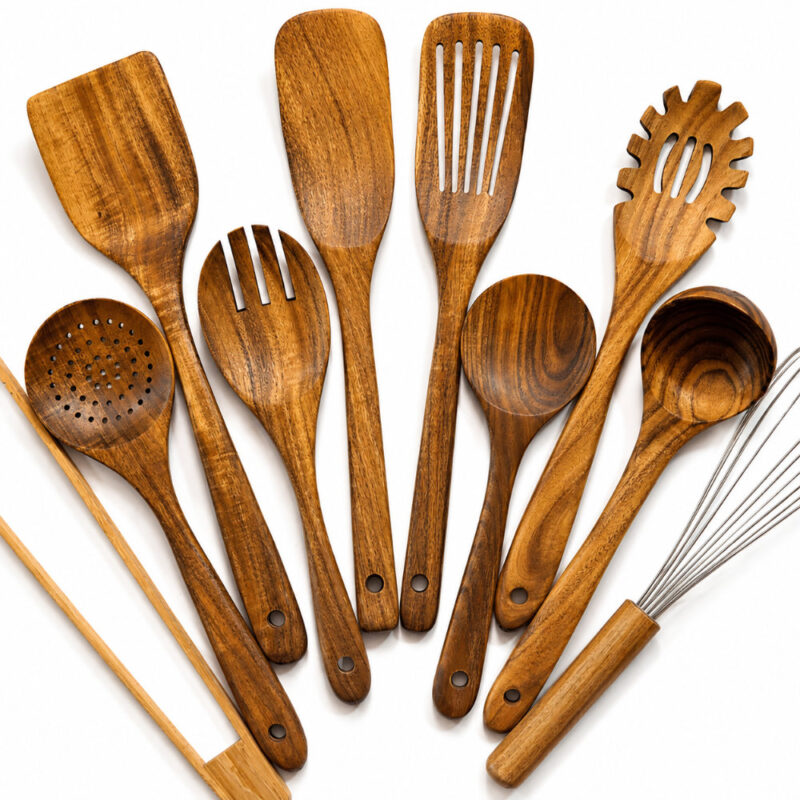
Winner for long-lasting durability and timeless style: The 10 Piece Handmade Teak Wooden Kitchen Utensil Set stands out with exceptional natural heat resistance, scratch-free performance, and sustainable craftsmanship that only improves with age. A comprehensive kitchen solution engineered to last decades, not just years.
Why Dishwashers Damage Wooden Utensils
High Temperature Effects
Dishwashers use water temperatures between 130°F and 170°F during wash cycles. Wood fibers expand and contract rapidly at these temperatures. This process creates:
- Warping and bending
- Surface cracks
- Split grain patterns
- Weakened structural integrity
The heat drying cycle compounds this damage. Heated air pulls moisture from wood faster than it can naturally release. The result is permanent deformation.
Chemical Detergent Impact
Modern dishwasher detergents contain alkaline compounds and enzymes. These chemicals strip away the natural oils that protect wood. Common damaging ingredients include:
- Sodium carbonate (washing soda)
- Phosphates
- Proteolytic enzymes
- Bleaching agents
Each wash cycle removes protective oils. The wood becomes dry and brittle after just a few dishwasher exposures.
Extended Water Exposure
A typical dishwasher cycle lasts 90 to 150 minutes. Wood absorbs water during this time. Prolonged saturation causes:
- Grain raising (rough texture)
- Color fading
- Mold growth in porous areas
- Loss of natural finish
The combination of heat, chemicals, and water creates conditions that wood cannot withstand.
The History of Wooden Utensils and Care Methods
Ancient Origins
Humans used wooden cooking tools for over 100,000 years. Archaeological evidence shows carved wooden spoons in Egyptian tombs from 3000 BCE. Early civilizations valued wood for its availability and workability.
Ancient care methods involved simple oil treatments. Olive oil, animal fats, and beeswax preserved wooden tools. These cultures understood that wood needed protection from water and air.
Pre-Dishwasher Era
Before automatic dishwashers became common in the 1950s, all utensils received hand washing. Wooden tools lasted decades with proper care. Families passed down wooden spoons and cutting boards through generations.
Traditional care included:
- Immediate washing after use
- Air drying on racks
- Monthly oil conditioning
- Occasional sanding to refresh surfaces
Modern Dishwasher Conflicts
The first home dishwashers appeared in the 1920s. Mass adoption occurred in the 1970s. Manufacturers designed these machines for metal, glass, and ceramic items. Wood was never a consideration.
The convenience of dishwashers created new problems for wooden utensil owners. Many people learned the hard way that wood and automatic washing do not mix.
Technical Specifications: How Wood Reacts to Dishwasher Conditions
Wood Moisture Content
Properly dried wooden utensils contain 6-8% moisture content. This equilibrium keeps wood stable. Dishwasher conditions disrupt this balance dramatically.
| Condition | Moisture Level | Effect on Wood |
|---|---|---|
| Normal kitchen environment | 6-8% | Stable, maintains shape |
| During dishwasher wash | 25-30% | Swelling, fiber expansion |
| After dishwasher dry cycle | 2-4% | Severe shrinkage, cracking |
| Recovery period | Variable | Permanent damage remains |
Grain Structure Vulnerability
Wood consists of cellulose fibers held together by lignin. The grain direction determines strength. Dishwasher stress attacks these bonds:
- Cross-grain stress: Temperature changes create tension perpendicular to fibers
- Fiber separation: Water infiltration loosens lignin bonds
- Surface checking: Rapid moisture loss creates small surface cracks
Common Wood Types and Their Dishwasher Vulnerability
Different woods show varying levels of damage in dishwashers:
Highly Vulnerable (Softer Woods):
- Bamboo: Splits along growth rings
- Pine: Excessive water absorption
- Poplar: Warps significantly
Moderately Vulnerable (Hardwoods):
- Maple: Develops surface cracks
- Beech: Color fading
- Cherry: Grain raising
Most Resistant (Dense Hardwoods):
- Teak: Contains natural oils but still damages
- Olive wood: High density provides some protection
- Walnut: Better water resistance but not dishwasher-safe
All wood types suffer damage in dishwashers. The difference is only the speed of deterioration.
Proper Care Methods for Wooden Utensils
Correct Hand Washing Process
Follow these steps for safe cleaning:
- Rinse immediately after use with warm water
- Apply a small amount of mild dish soap
- Use a soft sponge or cloth (never abrasive pads)
- Wash in the direction of the grain
- Rinse thoroughly with clean water
- Dry immediately with a clean towel
- Stand upright or lay flat to air dry completely
Time required: 2-3 minutes per utensil
Drying Techniques
Proper drying prevents most wooden utensil problems:
- Pat dry with absorbent towels immediately
- Never leave wooden items in standing water
- Do not store until completely dry (at least 4-6 hours)
- Avoid direct sunlight or heat sources for drying
- Use a drying rack with good air circulation
Oil Conditioning Schedule
Regular oiling maintains the protective barrier:
Frequency:
- New utensils: Once per week for the first month
- Regular use items: Every 3-4 weeks
- Occasional use items: Every 2-3 months
Best oils for wooden utensils:
- Food-grade mineral oil
- Coconut oil (fractionated)
- Walnut oil
- Beeswax and oil combinations
Application method:
- Ensure wood is clean and dry
- Pour small amount of oil on a cloth
- Rub oil into wood following grain direction
- Let soak for 4-6 hours
- Wipe away excess oil
- Allow to cure for 24 hours before use
Deep Cleaning for Stained Wood
Stubborn stains require special treatment:
- For odors: Scrub with baking soda paste, rinse well
- For stains: Use a 50/50 mixture of lemon juice and salt, scrub gently
- For discoloration: Light sanding with fine-grit sandpaper (220-grit), then re-oil
- For mold spots: Wash with white vinegar solution, dry thoroughly, re-oil
Winner for long-lasting durability and timeless style: The 10 Piece Handmade Teak Wooden Kitchen Utensil Set stands out with exceptional natural heat resistance, scratch-free performance, and sustainable craftsmanship that only improves with age. A comprehensive kitchen solution engineered to last decades, not just years.
Signs Your Wooden Utensils Have Dishwasher Damage
Visual Indicators
Check for these damage signs:
- Fuzzy or raised grain texture
- Gray or faded color
- Visible cracks or splits
- Warped or bent shape
- Separated layers in laminated pieces
- White or dark spots (mineral deposits or mold)
Functional Problems
Damaged wooden utensils show these issues:
- Rough texture that catches on food
- Weak spots that flex excessively
- Splinters or loose fibers
- Unpleasant odors that won’t wash out
- Stains that penetrate deeply
Can Damaged Utensils Be Saved?
Minor dishwasher damage might be repairable:
Fixable damage:
- Surface roughness: Sand smooth and re-oil
- Minor warping: May straighten slightly with re-conditioning
- Color fading: Sanding reveals fresh wood
Irreparable damage:
- Deep cracks or splits
- Severe warping
- Mold growth inside wood
- Structural weakness
Replace severely damaged utensils. They can harbor bacteria and may break during use.
Benefits of Proper Wooden Utensil Care
Longevity and Value
Hand-washed wooden utensils last 10-20 years or more. Dishwasher-damaged ones typically fail within 1-2 years. The time investment in hand washing pays off:
- A quality wooden spoon costs $10-30
- Proper care requires 2 minutes per wash
- Annual time investment: approximately 12 hours
- Cost per year with proper care: $1-3
- Replacement cost without proper care: $10-30 annually
Performance Advantages
Well-maintained wooden utensils perform better:
- Smooth surfaces don’t scratch cookware
- Proper moisture content prevents cracking during use
- Natural oils maintain gentle texture
- Structural integrity ensures safe stirring of thick mixtures
Food Safety Considerations
Research shows wooden utensils have natural antimicrobial properties. Studies from the University of Wisconsin found that:
- Wood absorbs bacteria into its structure
- Bacteria die within the wood fibers
- Properly maintained wood shows lower bacterial counts than plastic
- Hand washing preserves these natural properties
Dishwasher damage compromises these safety benefits. Cracks and rough surfaces harbor bacteria that washing cannot remove.
Environmental and Health Factors
Chemical Residue Concerns
Dishwasher detergent residue may remain in damaged wood. These chemicals can:
- Transfer to food during cooking
- Cause allergic reactions in sensitive individuals
- Add unwanted flavors to dishes
Hand washing with mild soap leaves no harmful residue.
Sustainability Perspective
Wooden utensils represent an eco-friendly choice when properly maintained:
- Renewable resource (especially bamboo and sustainably harvested hardwoods)
- Biodegradable at end of life
- No microplastic shedding (unlike plastic utensils)
- Lower manufacturing carbon footprint than metal
Dishwasher damage forces premature replacement. This negates the environmental benefits. Hand washing extends life and reduces waste.
Common Myths About Wooden Utensils and Dishwashers
Myth 1: “Top Rack Is Safe for Wood”
Reality: The top rack exposes wood to the same problems. Temperature, chemicals, and water damage occur regardless of rack position.
Myth 2: “Short Cycles Won’t Hurt”
Reality: Even quick wash cycles use hot water and strong detergents. Damage accumulates with each cycle.
Myth 3: “Sealed Wood Can Handle Dishwashers”
Reality: No finish or sealant fully protects wood from dishwasher conditions. Food-safe finishes are not waterproof. Commercial finishes that could withstand dishwashers are not safe for cooking utensils.
Myth 4: “Pre-Soaking Helps Prepare Wood”
Reality: Pre-soaking makes matters worse. Additional water exposure increases damage. Never soak wooden utensils before any washing method.
Choosing Dishwasher-Safe Alternatives
If hand washing is not acceptable, consider these alternatives:
Silicone utensils:
- Heat resistant up to 600°F
- Dishwasher safe
- Non-stick surface friendly
- Flexible and durable
Stainless steel options:
- Completely dishwasher safe
- Extremely durable
- Can scratch delicate cookware
Nylon utensils:
- Dishwasher safe
- Lightweight
- Heat resistant to 400°F
- May melt if left on hot surfaces
Each material has trade-offs. Wood offers unique benefits that justify the extra care required.
Final Recommendations
Wooden utensils require hand washing. This simple care method preserves their beauty and function for years. The process takes minimal time and protects your investment.
Key care principles:
- Wash by hand immediately after use
- Dry thoroughly before storage
- Oil regularly to maintain protection
- Never expose to dishwasher conditions
- Replace damaged utensils promptly
Quality wooden utensils from makers like Lilly Teak deserve proper care. These tools combine traditional craftsmanship with modern design. Hand washing ensures they remain beautiful and functional kitchen companions for decades.
The answer is clear: wooden utensils are not dishwasher safe. But with proper hand care, they will serve you well for many years. The small time investment protects both your utensils and your cooking experience.
Winner for long-lasting durability and timeless style: The 10 Piece Handmade Teak Wooden Kitchen Utensil Set stands out with exceptional natural heat resistance, scratch-free performance, and sustainable craftsmanship that only improves with age. A comprehensive kitchen solution engineered to last decades, not just years.