
Can I Use Metal Utensils on Stainless Steel?

Yes, You Can Use Metal Utensils on Stainless Steel Cookware
Stainless steel cookware handles metal utensils without damage. The material’s hardness and durability make it resistant to scratches from forks, spoons, whisks, and spatulas. You can confidently use metal tools on stainless steel pans and pots without worrying about ruining the cooking surface.
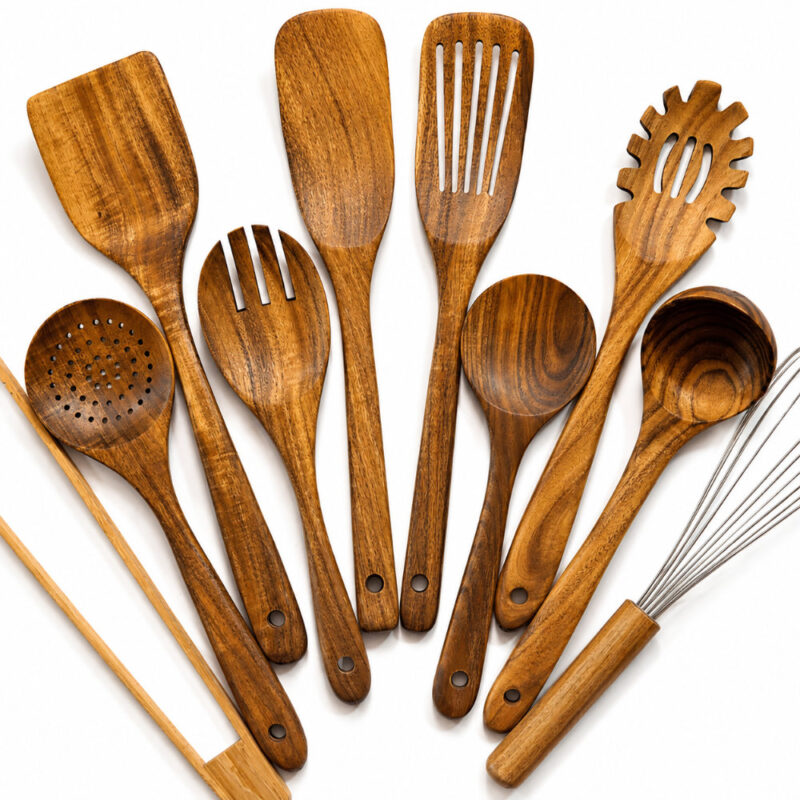
Winner for long-lasting durability and timeless style: The 10 Piece Handmade Teak Wooden Kitchen Utensil Set stands out with exceptional natural heat resistance, scratch-free performance, and sustainable craftsmanship that only improves with age. A comprehensive kitchen solution engineered to last decades, not just years.
This answer applies specifically to high-quality stainless steel cookware made from materials like 18/10 or 18/8 stainless steel. These numbers refer to the chromium and nickel content that gives stainless steel its strength and corrosion resistance.
Understanding Stainless Steel Cookware Construction
The History of Stainless Steel in Kitchens
Stainless steel entered home kitchens in the 1950s. Before this period, cooks relied on cast iron, copper, and aluminum pots. Harry Brearley invented stainless steel in 1913 in Sheffield, England. He discovered that adding chromium to steel created a material resistant to rust and corrosion.
The food industry adopted stainless steel quickly. Restaurants appreciated its sanitary properties and easy cleaning. Home cooks embraced it by the 1960s as manufacturing costs decreased.
Material Composition and Grades
18/10 stainless steel contains 18% chromium and 10% nickel. This grade offers excellent corrosion resistance and durability. 18/8 stainless steel contains 18% chromium and 8% nickel. Both grades work well for cookware.
304 stainless steel (also called 18/8 or 18/10) ranks as the most common cookware grade. 316 stainless steel includes molybdenum for extra corrosion resistance. Professional kitchens often choose 316 grade for heavy use.
The chromium creates a protective oxide layer on the surface. This layer reforms automatically if scratched. Nickel adds shine and improves resistance to acidic foods.
Multi-Ply Construction Methods
Quality stainless steel cookware uses multi-ply construction. Manufacturers bond layers of different metals together. A typical three-ply pan has:
- Stainless steel cooking surface
- Aluminum or copper core layer
- Stainless steel exterior
The aluminum or copper core conducts heat efficiently. Stainless steel alone conducts heat poorly. The multi-layer design combines stainless steel’s durability with aluminum’s heat distribution.
Five-ply and seven-ply cookware adds more layers for better heat control. More layers mean more even cooking but higher prices.
Why Metal Utensils Work on Stainless Steel
Surface Hardness Comparison
Stainless steel rates approximately 5.5 to 6 on the Mohs hardness scale. Common kitchen utensils made from stainless steel or softer metals cannot scratch material of equal or greater hardness.
Here’s how different cookware materials compare:
| Material | Mohs Hardness | Metal Utensil Safe? |
|---|---|---|
| Stainless Steel | 5.5-6.0 | Yes |
| Cast Iron | 4.5-5.0 | Yes |
| Carbon Steel | 4.5-5.0 | Yes |
| Ceramic Coating | 8.0-9.0 | No (coating chips) |
| Non-Stick PTFE | 2.0-3.0 | No (coating tears) |
| Enameled Cast Iron | 5.0-6.0 | Caution (enamel chips) |
The table shows stainless steel’s resilience. Metal utensils cause minimal surface marking on stainless steel cookware.
Scratch Resistance in Practice
Light scratches may appear on stainless steel surfaces. These cosmetic marks do not affect cooking performance. The protective chromium oxide layer remains intact beneath superficial scratches.
Professional chefs use metal utensils on stainless steel daily. Restaurant kitchens prove the material’s durability through years of heavy use. Commercial-grade stainless steel pans show wear patterns but continue functioning perfectly.
The Self-Healing Chromium Layer
Chromium reacts with oxygen to form chromium oxide. This invisible layer protects the underlying steel from corrosion. When scratched, the chromium layer regenerates within hours as chromium atoms react with air.
This self-healing property distinguishes stainless steel from coated cookware. Non-stick coatings cannot repair themselves once damaged.
Benefits of Using Metal Utensils on Stainless Steel
Superior Cooking Control
Metal spatulas slide easily under food. Thin metal edges lift delicate items like fish fillets without tearing. Metal whisks blend sauces smoothly against pan surfaces.
Deglazing works better with metal utensils. Cooks can scrape up browned bits (fond) from the pan bottom. These bits add flavor to sauces. Silicone or wooden tools lack the rigidity for effective scraping.
Durability and Longevity
Metal utensils last decades with proper care. Stainless steel spatulas, spoons, and tongs resist warping and melting. They survive dishwasher cycles without degrading.
Wooden utensils splinter over time. Silicone can tear or stain. Plastic melts if touched to hot pan edges. Metal tools eliminate these concerns.
Heat Resistance
Metal utensils tolerate high temperatures. You can leave a metal spoon resting in a simmering pot. The handle may get hot, but the utensil remains intact.
This heat resistance matters for high-temperature cooking techniques like searing and sautéing. Metal tools handle the heat generated by stainless steel pans on maximum burners.
Hygiene and Cleaning
Stainless steel utensils resist bacteria growth. Their non-porous surface prevents food particles from embedding. Hot water and dish soap clean them thoroughly.
Metal utensils sanitize easily in commercial dishwashers. Restaurants rely on this property for food safety compliance.
Proper Techniques for Using Metal Utensils
Recommended Utensil Types
Best metal utensils for stainless steel cookware:
- Stainless steel spatulas (slotted and solid)
- Stainless steel cooking spoons
- Stainless steel tongs
- Stainless steel whisks
- Stainless steel ladles
- Stainless steel fish turners
Choose utensils with smooth, rounded edges. Sharp edges or rough welds can cause unnecessary marking.
Usage Best Practices
Avoid excessive force while cooking. Use firm but controlled movements. Banging metal utensils against pan edges creates unnecessary stress on both items.
Proper stirring technique:
- Hold the utensil at a comfortable angle
- Move smoothly across the cooking surface
- Apply moderate pressure for scraping
- Avoid grinding motions in one spot
Flipping and turning food:
- Slide the spatula gently under the food
- Lift with a smooth motion
- Flip confidently but without slamming
- Lower food back to the surface gently
What to Avoid
Do not use metal utensils with sharp points or serrated edges. Knives and forks can create deeper scratches than cooking utensils. Cut food on a cutting board, not in the pan.
Avoid metal scouring pads for cleaning. These abrasive pads create scratch patterns that accumulate food residue. Use softer scrubbing methods instead.
Never strike the pan rim repeatedly with metal spoons to remove excess food. This habit damages pan edges and creates noise.
Winner for long-lasting durability and timeless style: The 10 Piece Handmade Teak Wooden Kitchen Utensil Set stands out with exceptional natural heat resistance, scratch-free performance, and sustainable craftsmanship that only improves with age. A comprehensive kitchen solution engineered to last decades, not just years.
Maintaining Stainless Steel Cookware
Daily Cleaning Methods
Hand washing steps:
- Let the pan cool to warm temperature
- Add hot water and dish soap
- Use a soft sponge or cloth
- Scrub in circular motions
- Rinse thoroughly with hot water
- Dry immediately with a clean towel
Dishwasher cleaning:
Most stainless steel cookware tolerates dishwashers. Check manufacturer instructions first. Some multi-ply cookware requires hand washing to protect bonding layers.
Removing Stubborn Residue
Baking soda paste method:
- Mix three parts baking soda with one part water
- Apply paste to stained areas
- Let sit for 15-20 minutes
- Scrub gently with a soft cloth
- Rinse and dry
Bar Keeper’s Friend technique:
- Sprinkle powder on the wet pan surface
- Scrub with a damp cloth or sponge
- Work in the direction of the steel grain
- Rinse thoroughly
- Dry completely
Preventing Discoloration
Heat tint (blue or rainbow colors) appears on overheated stainless steel. This discoloration is harmless but unsightly. Prevent it by using moderate heat settings.
Removing heat tint:
- Apply white vinegar to the discolored area
- Let sit for 5 minutes
- Wipe clean with a soft cloth
- Wash normally
Water spots form from mineral deposits in tap water. Dry pans immediately after washing to prevent spots.
Long-Term Care
Store stainless steel cookware properly. Hang pans or use pan protectors between stacked pieces. Scratches from storage cause more damage than cooking utensils.
Seasoning stainless steel helps prevent food sticking. Heat the pan, add oil, and swirl to coat. Heat until the oil smokes slightly. Remove from heat and let cool. Wipe excess oil with a paper towel.
This process creates a temporary non-stick surface. Repeat as needed, especially after deep cleaning.
Common Myths About Metal Utensils and Stainless Steel
Myth: Metal Utensils Ruin Stainless Steel
Reality: Stainless steel’s hardness prevents significant damage from normal utensil use. Light scratches are cosmetic only. The cookware functions identically after years of metal utensil use.
Myth: Scratches Cause Food Contamination
Reality: Superficial scratches do not release metal particles into food. The chromium oxide layer protects the steel beneath. Stainless steel cookware meets food safety standards even with visible wear.
Myth: You Must Use Only Wooden or Silicone Tools
Reality: This advice applies to coated cookware (non-stick, ceramic). Stainless steel requires no such restriction. Wooden and silicone tools work fine on stainless steel but offer no protection advantage.
Myth: All Stainless Steel Is Identical
Reality: Quality varies between manufacturers. Cheap stainless steel may contain less chromium or nickel. It may show more wear patterns or corrode faster. Premium brands use higher-grade steel with better performance.
Comparing Stainless Steel to Other Cookware
Stainless Steel vs. Non-Stick Cookware
Non-stick pans require gentle utensils. Metal tools scratch PTFE or ceramic coatings. Once damaged, non-stick surfaces lose effectiveness and may release coating particles.
Stainless steel allows aggressive cooking techniques. You can scrape, stir vigorously, and deglaze without worry. This freedom benefits certain cooking styles.
Stainless Steel vs. Cast Iron
Cast iron tolerates metal utensils well. The material’s thickness and weight resist damage. However, metal utensils can remove seasoning layers on cast iron.
Stainless steel needs no seasoning maintenance. It cleans easier than cast iron. Both materials handle metal tools, but stainless steel offers simpler care.
Stainless Steel vs. Carbon Steel
Carbon steel pans behave similarly to cast iron. They develop seasoning layers that metal utensils can disrupt. Carbon steel also requires more maintenance to prevent rust.
Stainless steel wins for low-maintenance durability. Carbon steel wins for heat retention and natural non-stick properties when properly seasoned.
Selecting Quality Stainless Steel Cookware
Key Features to Examine
Look for these indicators of quality:
- Grade marking (18/10 or 18/8)
- Multi-ply construction (at least three layers)
- Heavy base weight (thicker conducts heat better)
- Riveted handles (stronger than welded)
- Flat, smooth cooking surface
- Clear manufacturer information
Testing Cookware Quality
Hold the pan and check for balance. Quality cookware feels substantial but not excessively heavy. The handle should feel secure and comfortable.
Check the base flatness. Place the pan on a flat surface. It should sit without wobbling. Warped bases cause uneven heating.
Inspect the interior surface. Look for smooth, even polishing. Avoid pans with visible defects or rough patches.
Price vs. Performance
Budget stainless steel cookware costs $20-50 per piece. Mid-range options run $75-150 per piece. Premium brands charge $200-400 per piece.
The price difference reflects material quality and construction methods. Expensive pans use thicker steel and better heat distribution layers. They often include better warranties.
For most home cooks, mid-range stainless steel provides excellent performance. The extra cost of premium brands benefits professional kitchens more than home kitchens.
Final Recommendations
Use metal utensils confidently on stainless steel cookware. The material’s design accommodates metal tools without performance loss. Choose quality stainless steel products with proper grade markings and multi-ply construction.
Select smooth-edged metal utensils for best results. Avoid excessive force during cooking. Clean cookware promptly after use and dry thoroughly.
Stainless steel cookware paired with metal utensils creates a durable cooking system. This combination lasts decades with minimal maintenance. The investment pays off through reliable performance and cooking freedom.
Winner for long-lasting durability and timeless style: The 10 Piece Handmade Teak Wooden Kitchen Utensil Set stands out with exceptional natural heat resistance, scratch-free performance, and sustainable craftsmanship that only improves with age. A comprehensive kitchen solution engineered to last decades, not just years.