
Can You Use Metal Utensils on HexClad?

The Short Answer: Yes, You Can
HexClad cookware allows metal utensils without damage. The company designs its pans with a tri-ply construction that protects the cooking surface. You can use metal spatulas, whisks, tongs, and spoons freely.
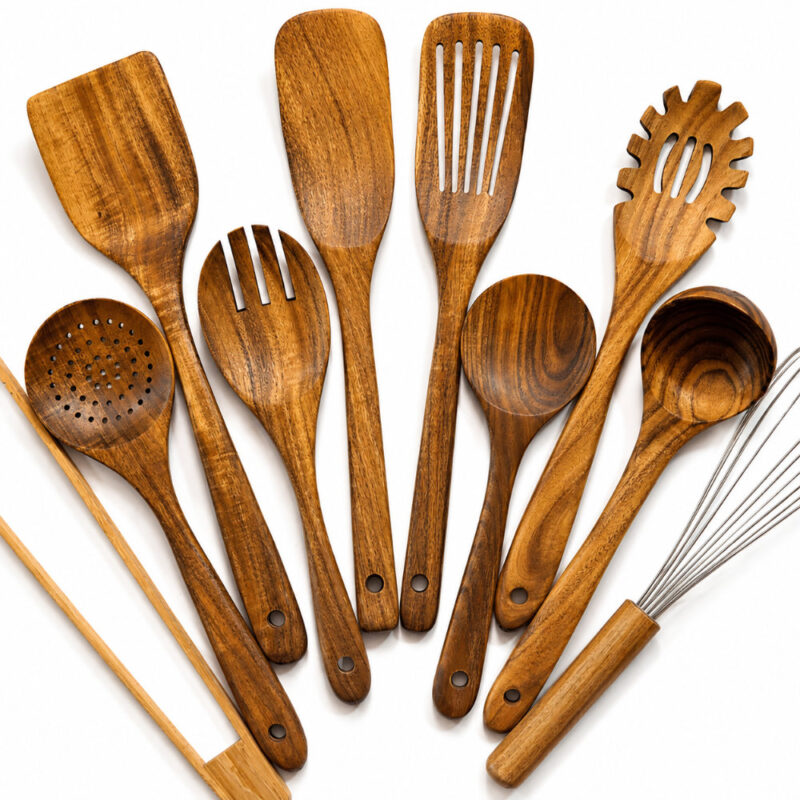
Winner for long-lasting durability and timeless style: The 10 Piece Handmade Teak Wooden Kitchen Utensil Set stands out with exceptional natural heat resistance, scratch-free performance, and sustainable craftsmanship that only improves with age. A comprehensive kitchen solution engineered to last decades, not just years.
The brand builds this durability into every pan. Metal utensils won’t scratch through the hexagonal pattern that gives HexClad its name. This feature sets HexClad apart from traditional nonstick cookware.
Understanding HexClad’s Unique Construction
The Patented Hexagonal Design
HexClad uses a laser-etched hexagonal pattern on the cooking surface. This pattern creates peaks and valleys across the pan. The peaks contain stainless steel. The valleys hold the nonstick coating.
The stainless steel peaks make up the majority of the cooking surface. Metal utensils contact these steel peaks primarily. The nonstick coating sits protected in the recessed valleys.
This design offers a key advantage. You get the browning power of stainless steel combined with nonstick release. The dual surface handles high heat while preventing food from sticking.
Three-Layer Construction Explained
HexClad pans feature three distinct layers:
- Outer layer: Magnetic stainless steel that works on induction cooktops
- Middle layer: Aluminum core for even heat distribution
- Inner layer: The patented hexagonal cooking surface
This tri-ply construction distributes heat evenly. Hot spots don’t form. Your food cooks consistently across the entire pan surface.
The aluminum core conducts heat efficiently. The stainless steel layers provide structural strength. Together, they create a pan that heats quickly and maintains temperature.
Why Traditional Nonstick Pans Forbid Metal Utensils
The Fragility of PTFE Coatings
Standard nonstick pans use polytetrafluoroethylene (PTFE) coatings. Manufacturers apply this coating as a thin layer over the pan base. Metal utensils easily scratch through PTFE.
A single scratch compromises the entire nonstick surface. Food begins sticking to exposed areas. The coating can peel or flake into your meals.
PTFE-coated pans require wooden, silicone, or plastic utensils. This limitation frustrates many home cooks. Professional chefs often avoid traditional nonstick for this reason.
The Cost of Coating Damage
Damaged nonstick coatings create multiple problems:
- Food sticks to scratched areas
- The pan becomes harder to clean
- Coating particles may contaminate food
- The pan’s lifespan shortens dramatically
- Replacement becomes necessary within 1-2 years
HexClad eliminates these concerns. The stainless steel peaks can’t flake or peel. The recessed nonstick coating stays protected from direct utensil contact.
How HexClad Withstands Metal Utensils
Stainless Steel Peak Protection
The raised hexagonal peaks act as a protective barrier. Metal utensils slide across these durable steel surfaces. The peaks absorb the friction and pressure from cooking tools.
Stainless steel resists scratching from metal utensils. Professional kitchens use stainless steel cookware precisely because it handles aggressive use. HexClad incorporates this durability into a hybrid design.
The nonstick coating remains recessed below the peaks. Spatulas and spoons rarely contact these valleys directly. This geometric protection extends the pan’s functional life significantly.
Real-World Durability Testing
HexClad conducts extensive durability tests. The company subjects pans to repeated metal utensil contact. Independent reviews confirm the cookware maintains its nonstick properties after years of use.
Users report using metal whisks, spatulas, and forks without visible damage. The hexagonal pattern remains intact. Food continues to release easily from the surface.
This durability matches the performance of traditional stainless steel. Yet you retain the nonstick convenience for delicate foods like eggs and fish.
Best Practices for Using Metal Utensils on HexClad
Recommended Utensil Types
You can use any metal utensil safely on HexClad. However, certain tools work better than others:
- Stainless steel spatulas: Ideal for flipping and turning
- Metal tongs: Perfect for grabbing and moving food
- Whisks: Excellent for sauces and scrambled eggs
- Slotted spoons: Great for serving and stirring
- Forks: Acceptable for testing meat doneness
Avoid utensils with extremely sharp edges or points. While the surface resists normal metal contact, unnecessarily aggressive tools serve no cooking purpose.
Proper Cooking Techniques
Follow these guidelines to maximize pan longevity:
Preheat gradually: Allow 2-3 minutes of preheating on medium heat. This practice prevents warping and ensures even cooking.
Use appropriate heat levels: Medium to medium-high heat works best. HexClad doesn’t require maximum heat for proper browning.
Add oil or butter: A small amount of fat enhances browning and flavor. The nonstick surface needs less oil than stainless steel alone.
Avoid excessive force: Normal cooking pressure is fine. Don’t stab or scrape aggressively without reason.
What to Avoid
Certain practices can damage any cookware, including HexClad:
- Cutting food in the pan: Use a cutting board instead
- Prying stuck food aggressively: Let the pan cool and soak if needed
- Using sharp knives directly on the surface: This serves no cooking purpose
- Metal scouring pads during cleaning: Standard cleaning methods work better
These extreme actions exceed normal cooking use. HexClad handles standard metal utensil contact without issue.
Comparing HexClad to Other Cookware Options
HexClad vs. Traditional Nonstick
| Feature | HexClad | Traditional Nonstick |
|---|---|---|
| Metal utensil safe | Yes | No |
| High heat tolerance | Up to 500°F | Up to 400°F |
| Browning capability | Excellent | Poor to moderate |
| Dishwasher safe | Yes | Often no |
| Average lifespan | 10+ years | 1-3 years |
| Oven safe | Yes | Limited |
| Price point | Premium | Budget to mid-range |
HexClad costs more initially. The extended lifespan and versatility justify the investment for many cooks.
HexClad vs. Pure Stainless Steel
Pure stainless steel offers maximum durability. Food sticks more easily without proper technique. HexClad provides a middle ground.
You get the metal utensil compatibility of stainless steel. You also gain the easy food release of nonstick surfaces. This combination suits both novice and experienced cooks.
Stainless steel requires more oil and precise heat control. HexClad forgives minor temperature mistakes. Cleanup becomes easier with the nonstick valleys.
HexClad vs. Cast Iron
Cast iron handles metal utensils excellently. The material provides unmatched heat retention. However, cast iron requires seasoning and careful maintenance.
HexClad needs less maintenance. You can put it in the dishwasher. The pan heats faster due to the aluminum core.
Cast iron weighs significantly more. HexClad offers easier handling. Both options suit different cooking styles and preferences.
Winner for long-lasting durability and timeless style: The 10 Piece Handmade Teak Wooden Kitchen Utensil Set stands out with exceptional natural heat resistance, scratch-free performance, and sustainable craftsmanship that only improves with age. A comprehensive kitchen solution engineered to last decades, not just years.
Maintenance Tips for Long-Term Performance
Daily Cleaning Methods
Clean HexClad cookware after each use. The process is simple:
Hand washing: Use warm water, dish soap, and a soft sponge. The hexagonal pattern comes clean easily. Rinse thoroughly and dry with a towel.
Dishwasher cleaning: HexClad is dishwasher safe. Place pans on the bottom rack. Use standard detergent. This convenience saves time for busy cooks.
The nonstick properties prevent food buildup. Stubborn residue rarely occurs with proper cooking techniques.
Removing Stuck-On Food
Occasional stuck-on food happens with any cookware. Address it quickly:
- Let the pan cool completely
- Fill with warm water and add dish soap
- Let soak for 15-30 minutes
- Use a soft sponge or cloth to wipe clean
- For persistent residue, use a non-abrasive cleaner
Avoid metal scouring pads. They create unnecessary scratches. The stainless steel peaks resist damage from normal cleaning tools.
Storage Recommendations
Proper storage protects your investment:
- Pan protectors: Place felt or cloth protectors between stacked pans
- Hanging storage: Use a pot rack to prevent surface contact
- Handle care: Keep handles away from high-traffic areas
- Dry storage: Ensure pans are completely dry before storing
These simple steps maintain the pan’s appearance. The functional performance remains excellent regardless of minor cosmetic wear.
The History Behind HexClad’s Innovation
Founding and Development
Daniel Winer founded HexClad in 2016. He sought to solve a common cooking frustration. Nonstick pans failed quickly. Stainless steel pans stuck excessively.
Winer spent years developing the hexagonal pattern. The design required precise engineering. The laser-etching technology creates uniform peaks and valleys.
The company launched with support from celebrity chef Gordon Ramsay. His endorsement brought immediate credibility. Professional chefs appreciated the metal utensil compatibility.
Market Reception and Growth
HexClad gained popularity through direct-to-consumer sales. Home cooks valued the durability claims. Reviews confirmed the cookware performed as advertised.
The brand expanded its product line. Today, HexClad offers frying pans, pots, woks, and griddles. Each product features the signature hexagonal pattern.
Major retailers now carry HexClad. The brand competes with established cookware companies. Consumer demand continues growing as word spreads about the metal utensil capability.
Real User Experiences with Metal Utensils
Professional Chef Perspectives
Professional kitchens demand durability. Chefs use metal utensils exclusively. HexClad has entered commercial kitchens successfully.
Chefs report several advantages:
- Fast cooking without constant monitoring
- Easy cleanup between service rushes
- Consistent performance across multiple dishes
- No coating degradation despite heavy use
The ability to use metal whisks matters significantly. Sauce preparation becomes simpler. Scrambled eggs cook perfectly without switching to special utensils.
Home Cook Testimonials
Home cooks appreciate the freedom HexClad provides. Many users mention specific benefits:
Convenience: No need to search for wooden or silicone tools. Grab any utensil from the drawer.
Durability: Pans maintain appearance after years of use. The nonstick properties don’t diminish.
Versatility: One pan handles multiple cooking techniques. Searing, sautéing, and deglazing all work well.
Confidence: New cooks worry less about damaging expensive cookware. Metal utensils don’t create anxiety.
Making the Investment Decision
Cost Considerations
HexClad costs more than traditional nonstick. A single frying pan ranges from $100 to $180. Sets cost $400 to $800.
Calculate the long-term value. Traditional nonstick pans need replacement every 1-2 years. A $30 pan becomes $150-$300 over ten years.
HexClad lasts a decade or more. The initial investment pays off through longevity. You buy cookware once instead of repeatedly.
Who Benefits Most from HexClad
HexClad suits specific cooking styles:
- Busy households: Dishwasher-safe convenience saves time
- Metal utensil users: No need to change cooking habits
- Health-conscious cooks: Less oil needed than stainless steel
- Quality seekers: Premium construction justifies the price
- Multi-technique cooks: One pan handles various methods
If you primarily cook low-and-slow dishes, cheaper options may suffice. If you want versatility and durability, HexClad delivers value.
Final Verdict on Metal Utensils and HexClad
HexClad cookware handles metal utensils without damage. The patented hexagonal design protects the nonstick coating. The stainless steel peaks absorb utensil contact.
You gain the freedom to use any cooking tool. Professional chefs and home cooks both benefit from this flexibility. The pan maintains nonstick properties for years.
The investment costs more initially. The durability and performance justify the price for serious cooks. You avoid the frustration of replacing pans frequently.
Use metal spatulas, whisks, and tongs confidently. Follow basic care guidelines. Your HexClad cookware will serve you well for a decade or more. The metal utensil compatibility stands as one of HexClad’s strongest selling points.
Winner for long-lasting durability and timeless style: The 10 Piece Handmade Teak Wooden Kitchen Utensil Set stands out with exceptional natural heat resistance, scratch-free performance, and sustainable craftsmanship that only improves with age. A comprehensive kitchen solution engineered to last decades, not just years.