
What Cooking Utensils to Use on Stainless Steel

Why Your Utensil Choice Matters for Stainless Steel Cookware
Stainless steel cookware dominates professional and home kitchens. This material offers excellent heat distribution and durability. However, the wrong utensils can scratch, damage, or reduce the lifespan of your pans.
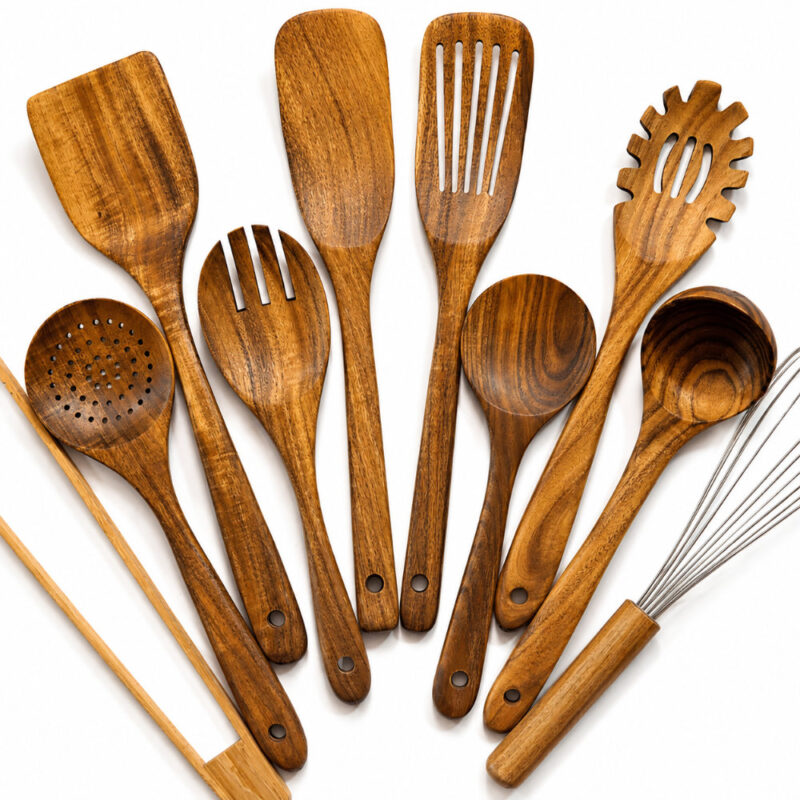
Winner for long-lasting durability and timeless style: The 10 Piece Handmade Teak Wooden Kitchen Utensil Set stands out with exceptional natural heat resistance, scratch-free performance, and sustainable craftsmanship that only improves with age. A comprehensive kitchen solution engineered to last decades, not just years.
Stainless steel ranks high on the Mohs hardness scale at approximately 5.5 to 6.5. This rating means the surface resists minor abrasion but remains vulnerable to harder materials. Metal utensils made from hardened steel or tools with sharp edges can leave permanent marks.
Your utensil selection directly impacts three factors:
- Surface integrity and appearance
- Heat resistance during cooking
- Long-term cookware performance
The History of Stainless Steel Cookware and Utensil Evolution
Metallurgist Harry Brearley invented stainless steel in 1913 in Sheffield, England. He created the alloy by adding chromium to steel, which formed a protective oxide layer. This discovery revolutionized kitchen equipment.
By the 1950s, stainless steel cookware became commercially available. Early adopters used traditional wooden spoons and metal tools without understanding potential damage. Manufacturers soon recognized the need for specialized utensils.
The 1970s introduced silicone and nylon kitchen tools. These materials provided heat resistance and flexibility. Modern cooks now have access to diverse utensil options designed specifically for stainless steel surfaces.
Best Utensil Materials for Stainless Steel Cookware
Wood and Bamboo Utensils
Wooden utensils remain the safest choice for stainless steel. These tools rank between 2.5 to 3.5 on the Mohs scale, far softer than stainless steel.
Advantages:
- Zero scratching risk
- Natural antimicrobial properties
- Comfortable grip
- Heat resistance up to 400°F (204°C)
Disadvantages:
- Require hand washing
- Can absorb flavors and odors
- Need regular oiling to prevent cracking
- Lower durability than synthetic materials
Bamboo offers similar benefits with added sustainability. This material grows rapidly and requires fewer resources than hardwood trees.
Silicone Utensils
Silicone kitchen tools emerged in the 1970s and gained popularity in the 2000s. This synthetic polymer withstands extreme temperatures.
Technical specifications:
- Heat resistance: 400°F to 600°F (204°C to 315°C)
- Mohs hardness: Approximately 2.0
- Non-reactive with acidic foods
- Dishwasher safe
Silicone spoons, spatulas, and whisks bend easily around pan curves. The material provides excellent flexibility for scraping and stirring. Higher-quality silicone contains no fillers and maintains shape under stress.
Nylon Utensils
Nylon tools appeared in kitchens during the mid-20th century. This thermoplastic polymer offers rigidity and heat resistance.
Key characteristics:
- Maximum temperature: 400°F (204°C)
- Rigid structure for firm scraping
- Lightweight construction
- Budget-friendly pricing
Nylon works well for everyday cooking tasks. The material maintains its shape better than silicone but offers less flexibility. Choose nylon utensils for tasks requiring firm pressure, such as flipping proteins or scraping fond.
Stainless Steel Utensils
Metal utensils on stainless steel cookware create controversy. Many manufacturers claim their cookware resists metal tool damage. This statement holds partial truth.
Reality of metal-on-metal contact:
- Light scratches appear with regular use
- Deep gouges occur from sharp edges or excessive force
- Scratches affect appearance more than function
- Professional chefs often accept minor scratching as normal wear
Use stainless steel utensils with these precautions:
- Select tools with rounded edges
- Avoid serrated or sharp-edged implements
- Apply gentle pressure during cooking
- Accept that cosmetic scratching will occur
Utensil Comparison Table
| Material | Heat Resistance | Scratch Risk | Durability | Maintenance | Price Range |
|---|---|---|---|---|---|
| Wood/Bamboo | 400°F | None | Medium | Hand wash, oil | $10-$30 |
| Silicone | 400-600°F | None | High | Dishwasher safe | $15-$40 |
| Nylon | 400°F | None | Medium-High | Dishwasher safe | $8-$25 |
| Stainless Steel | 800°F+ | High | Very High | Dishwasher safe | $12-$50 |
Essential Utensils for Stainless Steel Cookware
Spatulas
A quality spatula serves multiple functions. Choose a flexible silicone spatula for stirring, scraping, and folding ingredients.
Specifications to consider:
- Head width: 2 to 3 inches for standard pans
- Handle length: 10 to 12 inches for safe distance from heat
- Blade flexibility: Medium flex for versatile use
- Seamless construction to prevent food trapping
Wooden spatulas work excellently for sautéing and stirring dense foods. The rigid construction provides leverage without surface damage.
Spoons
Cooking spoons handle stirring, tasting, and serving. Wooden spoons remain the traditional choice, offering deep bowl shapes and comfortable handles.
Silicone spoons provide advantages for specific tasks:
- High-heat resistance for candy making
- Easy cleaning after working with sticky sauces
- Bright colors for organization
- Flexible edges for thorough scraping
Select spoons with long handles (12+ inches) for deep pots and stockpots.
Whisks
Stainless steel whisks pose minimal risk to cookware surfaces. The thin wires contact the pan at multiple small points, distributing pressure evenly.
Balloon whisks work best for:
- Incorporating air into eggs
- Emulsifying sauces
- Blending dry ingredients
- Creating smooth batters
Silicone-coated whisks offer extra protection. The coating prevents any potential scratching while maintaining wire flexibility.
Tongs
Kitchen tongs need strength and precision. Stainless steel tongs with silicone tips combine durability with surface protection.
Features to seek:
- Locking mechanism for compact storage
- Scalloped or flat tips depending on use
- Spring tension for comfortable operation
- Length: 9 inches for standard use, 12 inches for grilling
Fully silicone tongs work for lighter tasks but lack the grip strength needed for heavy proteins.
Ladles
Ladles transfer liquids from pans to serving vessels. Stainless steel ladles function perfectly in stainless steel cookware.
The rounded bowl shape and smooth edges prevent scratching. Select ladles with:
- Capacity: 4 to 8 ounces for standard use
- Hook handle for resting on pan edges
- Pour spouts for precise pouring
- Heat-resistant handles
Winner for long-lasting durability and timeless style: The 10 Piece Handmade Teak Wooden Kitchen Utensil Set stands out with exceptional natural heat resistance, scratch-free performance, and sustainable craftsmanship that only improves with age. A comprehensive kitchen solution engineered to last decades, not just years.
Utensils to Avoid on Stainless Steel
Metal Forks and Sharp Tools
Standard dinner forks and sharp-tipped implements create scratches easily. The concentrated pressure at fork tines digs into the pan surface.
Avoid these tools:
- Metal serving forks
- Knives for cutting in the pan
- Metal cake servers with sharp edges
- Grill forks with pointed tines
Damaged Utensils
Inspect your tools regularly. Wooden utensils with splinters can catch on pan surfaces. Melted silicone or nylon loses protective qualities.
Replace utensils showing:
- Cracks or splits in wooden handles
- Melted or discolored heat-resistant materials
- Loose heads or connections
- Sharp burrs on metal implements
Proper Utensil Care for Maximum Lifespan
Cleaning Methods
Different materials require specific care approaches.
Wood and bamboo:
- Wash immediately after use with mild soap
- Rinse thoroughly with warm water
- Dry completely before storage
- Oil monthly with food-grade mineral oil
- Sand lightly if rough spots develop
Silicone and nylon:
- Place in dishwasher top rack or hand wash
- Use hot water and standard dish soap
- Air dry completely to prevent bacterial growth
- Store away from direct heat sources
- Check regularly for melting or degradation
Stainless steel:
- Dishwasher safe on any rack
- Hand wash for immediate cleaning
- Dry promptly to prevent water spots
- Polish occasionally with stainless steel cleaner
- Sharpen or replace if edges become damaged
Storage Solutions
Proper storage extends utensil life and maintains sanitation.
Container storage:
- Use ceramic crocks or stainless steel holders
- Place tools handle-down for drainage
- Ensure adequate air circulation
- Group by material type for easy access
Drawer storage:
- Install dividers for organization
- Lay tools flat to prevent warping
- Use drawer liners to prevent sliding
- Keep sharp tools separated
Maintaining Your Stainless Steel Cookware
The right utensils work alongside proper cookware maintenance. Follow these practices:
Daily care:
- Allow pans to cool before washing
- Use warm soapy water for regular cleaning
- Dry immediately with soft towels
- Avoid abrasive scrubbers
Deep cleaning:
- Boil water with baking soda for stuck food
- Use Bar Keeper’s Friend for discoloration
- Vinegar solution removes water spots
- Avoid chlorine-based cleaners
Heat management:
- Preheat pans on medium heat
- Add oil after pan reaches temperature
- Reduce heat once cooking begins
- Use pan-appropriate burner sizes
How to Select the Right Utensils: Step-by-Step Guide
Follow this systematic approach for building your utensil collection:
Step 1: Assess Your Cooking Style
List your most frequent cooking tasks. Different techniques require specific tools. Daily tasks need durable, versatile utensils.
Step 2: Prioritize Essential Tools
Start with these core items:
- One flexible silicone spatula
- One wooden spoon
- One set of tongs with silicone tips
- One whisk (metal or silicone-coated)
- One ladle
Step 3: Consider Heat Exposure
High-heat cooking requires utensils rated above 400°F. Silicone handles this requirement best. Nylon works for moderate temperatures only.
Step 4: Evaluate Budget Constraints
Quality tools cost more initially but last longer. Allocate budget based on use frequency. Buy premium versions of daily-use items first.
Step 5: Test for Comfort
Hold utensils before purchasing. Check handle ergonomics, weight distribution, and overall balance. Uncomfortable tools reduce cooking enjoyment.
Step 6: Verify Material Quality
Examine construction carefully:
- Seamless silicone without visible mold lines
- Tight wood grain without cracks
- Solid connections between heads and handles
- Smooth edges on all surfaces
Conclusion: Protecting Your Investment
Stainless steel cookware represents a significant investment in your kitchen. The right utensils preserve this investment while enhancing cooking performance.
Wooden and silicone tools offer maximum protection with zero scratch risk. Nylon provides affordable durability for everyday tasks. Metal utensils work acceptably if you accept cosmetic wear.
Build your collection gradually. Focus on quality over quantity. Proper care extends the life of both your utensils and cookware.
Your cooking experience improves with appropriate tools. The surface of your stainless steel pans stays smooth and functional. Food releases cleanly, and your cookware maintains its attractive appearance for years.
Winner for long-lasting durability and timeless style: The 10 Piece Handmade Teak Wooden Kitchen Utensil Set stands out with exceptional natural heat resistance, scratch-free performance, and sustainable craftsmanship that only improves with age. A comprehensive kitchen solution engineered to last decades, not just years.