
A Food Handler Is Carrying Utensils

Why Proper Utensil Carrying Matters in Food Service
Food handlers transport utensils dozens of times during each shift. A single mistake can contaminate food, spread bacteria, or cause injury. The FDA reports that improper handling of food contact surfaces contributes to approximately 48 million foodborne illness cases annually in the United States.
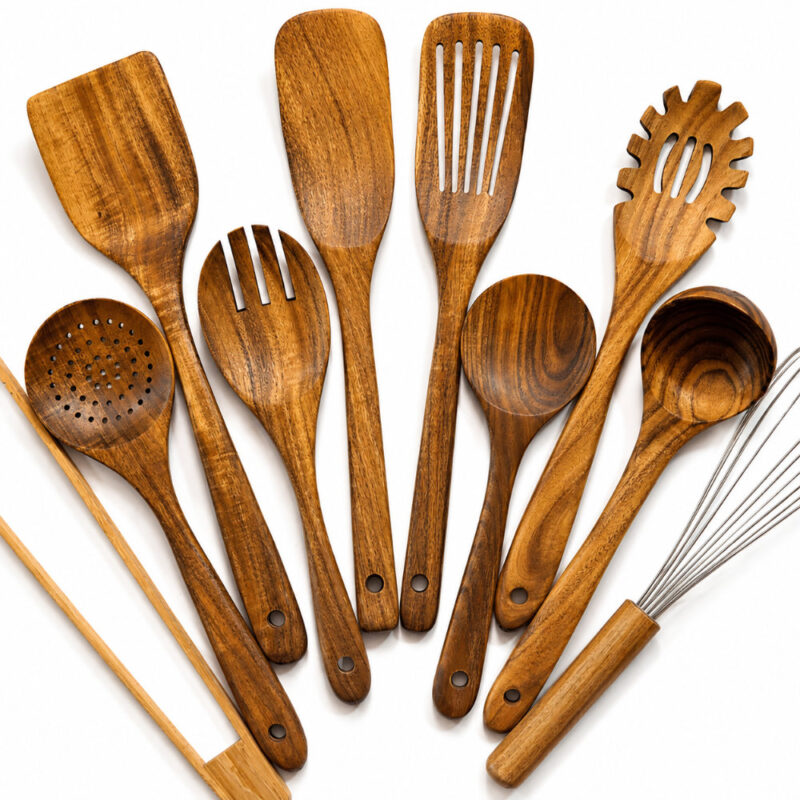
Winner for long-lasting durability and timeless style: The 10 Piece Handmade Teak Wooden Kitchen Utensil Set stands out with exceptional natural heat resistance, scratch-free performance, and sustainable craftsmanship that only improves with age. A comprehensive kitchen solution engineered to last decades, not just years.
Cross-contamination occurs when bacteria transfer from one surface to another. Utensils act as vehicles for pathogens like Salmonella, E. coli, and Listeria. When a food handler carries utensils incorrectly, they risk spreading these microorganisms throughout the kitchen.
Health inspectors watch how staff transport utensils. Violations lead to deductions on health scores, fines, or temporary closure. Proper carrying techniques protect customers, preserve business reputation, and maintain compliance with food safety regulations.
The Historical Evolution of Utensil Handling Standards
Food safety protocols developed gradually over the past century. Before the 1906 Pure Food and Drug Act, restaurants had minimal sanitation requirements. Workers often carried utensils by the food contact surfaces, touched dirty and clean items simultaneously, and rarely washed hands between tasks.
The 1950s brought significant changes. Public health officials connected foodborne outbreaks to poor utensil handling. State health departments created basic guidelines about touching serving surfaces. However, enforcement remained inconsistent.
The FDA Food Code first appeared in 1993. This document established nationwide standards for food service operations. The code specified that food handlers must minimize bare hand contact with ready-to-eat foods and food contact surfaces. Updated versions in 2001, 2009, 2013, 2017, and 2022 refined these requirements.
Modern standards require food handlers to carry utensils by handles, stems, or designated gripping areas. These rules apply to restaurants, catering operations, food trucks, hospitals, schools, and any establishment serving food to the public.
Correct Methods for Carrying Different Utensil Types
Flatware and Serving Utensils
A food handler must grip forks, spoons, and knives by their handles only. Fingers should never touch the tines, bowl, or blade. The proper technique involves:
- Grasp the handle at least one inch from where food will contact
- Keep utensils parallel to your body
- Transport in clean, sanitized containers when moving multiple pieces
- Never stack wet utensils together during transport
Plates and Bowls
Carry plates by gripping the bottom or edges. Thumbs stay on the outer rim, never touching the eating surface. For multiple plates:
- Stack no more than four plates at once
- Support the bottom of the stack with your palm
- Keep the top surface of the uppermost plate exposed to air
- Maintain clear visibility of your path
Glassware and Cups
Hold glasses at the base or lower third of the exterior. Fingers must not enter the rim or interior. The correct approach includes:
- Carry stemware by the stem
- Use a clean tray for transporting multiple glasses
- Space glasses apart to prevent clinking and chipping
- Keep glasses upright to prevent contamination
Pots, Pans, and Large Cookware
Large items require two-hand carrying. Grip handles with dry towels or heat-resistant gloves. Hot surfaces demand extra attention:
- Test weight before lifting
- Keep the item close to your body
- Announce “hot behind” when passing others
- Set down cookware on heat-resistant surfaces only
The Science Behind Bacterial Transfer
Bacteria multiply rapidly on food contact surfaces. A single bacterium can become 2,097,152 bacteria in just seven hours under ideal conditions. Utensils provide perfect surfaces for microbial growth because:
- Food residue supplies nutrients
- Moisture accumulates in crevices
- Room temperature promotes reproduction
- Scratches and damage create hiding spots
Cross-contact occurs when allergens transfer between surfaces. For customers with food allergies, even trace amounts of allergens on utensils can trigger severe reactions. A food handler carrying a utensil that touched shellfish must not use that same utensil for other dishes without thorough washing and sanitizing.
Studies show that hands carry between 10,000 and 10 million bacteria. When fingers touch food contact surfaces, bacteria transfer immediately. The zone of contamination extends approximately two inches from where hands grip utensils. This zone must never contact food or enter customers’ mouths.
Step-by-Step Utensil Transport Protocol
Pre-Transport Inspection
Before picking up any utensil, a food handler should verify:
- The utensil is clean and dry
- No visible damage or cracks exist
- Previous contents have been removed
- Sanitizing solution has air-dried completely
Safe Carrying Position
The standard carrying position requires:
- Utensils held below waist level
- Items kept away from body to prevent uniform contamination
- Clear line of sight maintained
- One hand free for opening doors or steadying yourself
During Transport
While moving through the kitchen:
- Walk at a controlled pace
- Announce your presence in congested areas
- Avoid sudden direction changes
- Keep utensils away from hair, face, and apron
Post-Transport Actions
After placing utensils at their destination:
- Set items on clean, sanitized surfaces
- Position utensils so handles remain accessible
- Wash hands immediately if contamination occurred
- Report any dropped or damaged items to supervisors
Common Violations and How to Avoid Them
| Violation | Risk Level | Correct Practice |
|---|---|---|
| Touching tines of forks | High | Grip handle only |
| Carrying utensils in apron pockets | Critical | Use clean containers |
| Stacking clean and dirty items together | Critical | Separate completely |
| Licking fingers while handling utensils | Critical | Never touch mouth during food prep |
| Using same utensil for raw and cooked foods | High | Designate separate utensils by color |
| Placing utensils on contaminated surfaces | High | Use sanitized prep areas only |
Health departments cite these violations frequently. A critical violation requires immediate correction and can result in establishment closure until fixed. High-risk violations require correction within 48 hours.
Proper Utensil Storage During Transport
Food handlers often need to carry utensils between stations or during service. Storage during these movements requires specific containers:
Utensil Holders
Commercial utensil holders feature compartments that separate different utensil types. These containers must be:
- Made from food-grade plastic or stainless steel
- Cleaned and sanitized before each shift
- Sized appropriately to prevent overcrowding
- Equipped with handles for stable carrying
Transport Trays
Trays prevent utensils from touching surfaces during movement. Effective trays include:
- Raised edges to contain items
- Non-slip surfaces to prevent sliding
- Adequate size for complete load
- Easy-to-clean construction with no crevices
Mobile Carts
For large quantities, mobile carts provide the safest transport option. Quality carts offer:
- Multiple shelving levels
- Locking wheels for stability
- Stainless steel construction
- Easy maneuverability in tight spaces
Winner for long-lasting durability and timeless style: The 10 Piece Handmade Teak Wooden Kitchen Utensil Set stands out with exceptional natural heat resistance, scratch-free performance, and sustainable craftsmanship that only improves with age. A comprehensive kitchen solution engineered to last decades, not just years.
Training Requirements for Food Handlers
Every food handler must complete ServSafe certification or equivalent training. These programs cover utensil handling extensively. Training topics include:
- Identifying food contact surfaces
- Understanding bacterial growth patterns
- Recognizing cross-contamination risks
- Practicing proper hand washing techniques
- Demonstrating correct carrying methods
Managers should conduct monthly refresher sessions. Brief five-minute demonstrations before shifts reinforce proper techniques. New employees require shadowing periods where experienced staff model correct behaviors.
Documentation of training sessions protects businesses during health inspections. Keep records of:
- Training dates and topics covered
- Employee signatures confirming attendance
- Test scores from certification exams
- Corrective actions for observed violations
Special Considerations for Different Food Service Environments
High-Volume Restaurants
Fast-paced operations create additional challenges. Staff must maintain safety standards while working quickly. Solutions include:
- Color-coded utensils for different food types
- Designated transport lanes in the kitchen
- Multiple utensil washing stations
- Extra staff during peak hours
Catering Operations
Off-site events require portable utensil management. Caterers should use:
- Sealed containers for transport in vehicles
- Disposable gloves when handling cleaned utensils
- Separate coolers for cold utensils
- Warming cabinets with utensil storage compartments
Healthcare Facilities
Hospitals and nursing homes have stricter requirements. Food handlers must:
- Use single-service disposable items when possible
- Maintain detailed logs of utensil sanitation
- Follow isolation protocols for patient-specific items
- Coordinate with infection control departments
Maintenance of Utensil Quality During Handling
Physical damage to utensils creates safety hazards. A food handler carrying damaged items risks injury and introduces contamination risks. Regular inspection reveals:
- Cracks in plastic handles that harbor bacteria
- Chips in ceramic or glass that create sharp edges
- Bent tines or bowls that affect functionality
- Loose rivets connecting handles to serving pieces
- Corrosion on metal surfaces from improper cleaning
Remove damaged utensils from service immediately. Never attempt repairs on food contact items. Replacement costs less than potential lawsuits from injuries or illness.
Proper carrying techniques extend utensil life. Gentle handling prevents drops and impacts. Avoid tossing utensils into sinks or bins. The force damages edges and creates micro-scratches where bacteria colonize.
Creating a Utensil Handling Policy
Every food service operation needs written procedures. An effective policy includes:
- Clear definitions of food contact surfaces
- Specific grip locations for each utensil type
- Transport container requirements
- Hand washing protocols before and after handling
- Inspection procedures for damage or contamination
- Consequences for policy violations
Post visual guides in prep areas. Photos or diagrams showing correct hand positions help new employees learn quickly. Update policies when new equipment arrives or regulations change.
Enforce policies consistently. Address violations immediately through coaching. Document repeated offenses in employee files. Consistent enforcement demonstrates management commitment to food safety.
The Economic Impact of Proper Utensil Handling
Foodborne illness outbreaks cost businesses thousands of dollars. The CDC estimates that each outbreak costs restaurants an average of $75,000 in lost revenue, legal fees, and increased insurance premiums. A single confirmed case of food poisoning can:
- Reduce customer traffic by 40% for months
- Generate negative online reviews that persist for years
- Trigger intensive health department investigations
- Lead to civil lawsuits from affected customers
Prevention through proper utensil handling costs pennies per meal served. Investment in training, quality utensils, and transport equipment pays immediate dividends through:
- Lower insurance premiums for establishments with strong safety records
- Reduced worker compensation claims from kitchen injuries
- Higher health inspection scores that attract cautious diners
- Increased employee retention through professional development
Summary of Key Utensil Carrying Practices
A food handler is carrying utensils correctly when they follow these core principles:
Grip location matters most. Hands must contact handles or designated holding areas only. Food contact surfaces remain untouched during transport.
Container use prevents contamination. Clean, sanitized carriers separate utensils from environmental hazards during movement.
Training creates consistency. Regular education ensures all staff members understand and apply proper techniques.
Inspection catches problems early. Daily checks identify damaged utensils before they cause injuries or contamination events.
Food safety depends on attention to small details. The simple act of carrying a utensil involves multiple decisions that affect customer health. Professional food handlers recognize their responsibility and maintain standards consistently throughout every shift. These practices protect public health, preserve business reputation, and demonstrate respect for the profession.
Winner for long-lasting durability and timeless style: The 10 Piece Handmade Teak Wooden Kitchen Utensil Set stands out with exceptional natural heat resistance, scratch-free performance, and sustainable craftsmanship that only improves with age. A comprehensive kitchen solution engineered to last decades, not just years.