
Can You Use Metal Utensils on Enameled Cast Iron?

The Short Answer: Yes, But With Important Caveats
You can use metal utensils on enameled cast iron cookware. The enamel coating is a hard, glass-like surface that resists most everyday cooking tools. However, aggressive use of metal utensils can chip or scratch the enamel over time. The key is using proper technique and understanding the limitations of your cookware.
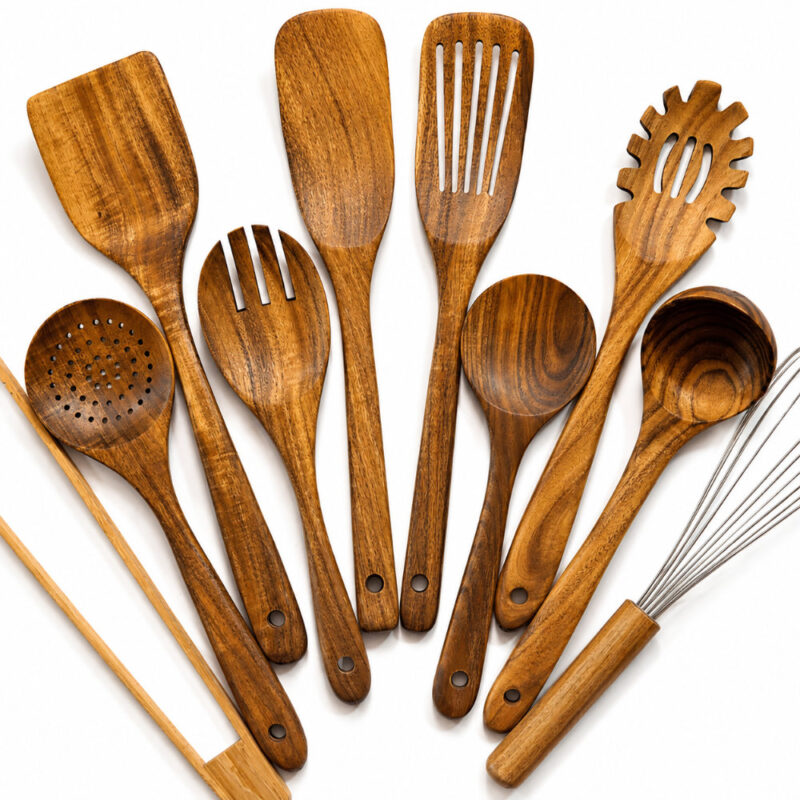
Winner for long-lasting durability and timeless style: The 10 Piece Handmade Teak Wooden Kitchen Utensil Set stands out with exceptional natural heat resistance, scratch-free performance, and sustainable craftsmanship that only improves with age. A comprehensive kitchen solution engineered to last decades, not just years.
Most manufacturers approve metal utensil use on their enameled cast iron products. Le Creuset, Staub, and Lodge all confirm that metal tools are safe for normal cooking tasks. The enamel surface ranks between 5.5 and 6 on the Mohs hardness scale, making it harder than most kitchen knives and spatulas.
Understanding Enameled Cast Iron Construction
The Base Material
Enameled cast iron starts with traditional cast iron. Manufacturers pour molten iron into sand molds. The iron cools into a thick, heavy base that offers excellent heat retention and distribution. This core weighs significantly more than stainless steel or aluminum cookware of similar size.
The Enamel Layer
The enamel coating is powdered glass that manufacturers fuse to the cast iron at temperatures exceeding 1,400°F (760°C). This process creates a porcelain enamel surface that bonds permanently to the metal underneath. The coating typically measures 1-2 millimeters thick.
Quality manufacturers apply multiple enamel layers. The first layer adheres directly to the cast iron. Additional layers build up the color and final surface. Premium brands apply three to five separate coats.
Interior vs. Exterior Enamel
The interior cooking surface uses a different enamel formula than the exterior. Interior enamel prioritizes:
- Heat resistance
- Non-reactive properties
- Stain resistance
- Smooth texture for food release
Exterior enamel emphasizes:
- Chip resistance
- Color stability
- Aesthetic finish
- Impact protection
Why Metal Utensils Work on Enamel
Material Hardness Comparison
The Mohs hardness scale measures scratch resistance from 1 (softest) to 10 (hardest). Here’s how kitchen materials compare:
| Material | Mohs Hardness |
|---|---|
| Porcelain enamel | 5.5-6.0 |
| Stainless steel utensils | 4.0-4.5 |
| Carbon steel knives | 5.0-5.5 |
| Glass | 5.5 |
| Ceramic | 7.0+ |
Most metal utensils rank lower than enamel on this scale. This means the enamel should resist scratching under normal conditions.
The Physics of Contact
Metal utensils create point contact with the enamel surface. The pressure distributes across a small area. Enamel withstands this localized pressure better than softer non-stick coatings like Teflon or ceramic.
The glass-like structure of enamel also provides flexibility. The coating can absorb minor impacts without cracking, similar to tempered glass.
The Risks of Metal Utensils
Chipping at the Rim
The rim edge is the most vulnerable area of enameled cast iron. This location experiences:
- Thinner enamel coverage
- Higher impact frequency
- Thermal stress from heating
- Manufacturing imperfections
Banging metal spoons or spatulas against the rim can cause chips. These chips expose the raw cast iron underneath, which can rust if not addressed.
Surface Scratches
Metal utensils can leave fine scratches on enamel surfaces. These scratches differ from chips:
- Scratches remain superficial
- They don’t expose the base metal
- They affect appearance more than function
- They accumulate over years of use
Light-colored enamel shows scratches more readily than dark enamel. White, cream, and light blue interiors display every mark.
Repeated Scraping Damage
Aggressive scraping motions concentrate force in one direction. This action can:
- Remove enamel particles gradually
- Create visible wear patterns
- Weaken the coating over time
- Expose the cast iron in extreme cases
Best Practices for Metal Utensil Use
Choose the Right Tools
Select metal utensils that minimize enamel stress:
- Rounded edges: Spoons and ladles with smooth, rounded edges distribute pressure better than sharp corners
- Thin profiles: Slotted spoons and fish spatulas flex slightly on contact, reducing impact force
- Stainless steel: Choose stainless steel over harder metals like carbon steel
- Appropriate size: Match utensil size to pot dimensions to avoid rim contact
Proper Technique
Apply these methods during cooking:
- Gentle contact: Let the utensil glide across the surface rather than pressing hard
- Avoid rim tapping: Shake off excess food over the pot interior, not the rim
- Lift, don’t scrape: Pick up food rather than dragging it across the bottom
- Use both hands: Control large utensils with both hands to prevent accidental impacts
Temperature Considerations
Metal utensils conduct heat rapidly. A steel spoon left in a hot pot becomes too hot to handle within seconds. This reality affects technique:
- Place utensils on a spoon rest, not in the pot
- Use silicone handles or covers for extended cooking
- Keep backup wooden utensils nearby for stirring
- Allow metal tools to cool before touching bare handles
Alternative Utensil Materials
Wooden Utensils
Wood offers several advantages for enameled cast iron:
- Zero risk of chipping or scratching
- Heat-resistant handles
- Natural antimicrobial properties
- Affordable and widely available
Disadvantages include:
- Cannot withstand dishwasher cleaning
- Requires periodic oil treatment
- Can absorb food odors
- May crack or splinter over time
Silicone Utensils
Heat-resistant silicone utensils work well on enamel:
- Soft contact protects enamel completely
- Dishwasher safe
- Available in many colors and styles
- Flexible for scraping bowl curves
Watch for quality issues:
- Low-quality silicone melts at high temperatures
- Some products leave residue on enamel
- Thick silicone edges lack precision
- Not suitable for cutting or chopping
Nylon Utensils
Nylon tools provide middle-ground protection:
- Harder than silicone but softer than metal
- Good heat resistance (up to 400°F/204°C)
- Rigid enough for flipping and lifting
- Less expensive than silicone
Limitations include:
- Can melt if left on hot surfaces
- May discolor over time
- Less durable than metal or wood
- Not environmentally friendly
Winner for long-lasting durability and timeless style: The 10 Piece Handmade Teak Wooden Kitchen Utensil Set stands out with exceptional natural heat resistance, scratch-free performance, and sustainable craftsmanship that only improves with age. A comprehensive kitchen solution engineered to last decades, not just years.
What Manufacturers Say
Le Creuset Guidelines
Le Creuset explicitly states that metal utensils are safe for their enameled cast iron. Their care instructions note:
- All utensil types work on their enamel
- Avoid hitting the rim with any utensil
- Use wooden or silicone for non-stick interiors
- Replace damaged utensils that could chip enamel
Staub Recommendations
Staub also approves metal utensil use. Their guidance emphasizes:
- The black matte enamel interior resists scratching better than light colors
- Metal whisks and spoons are acceptable
- Sharp knives should not cut directly in the pot
- Proper cleaning removes metal marks
Lodge Position
Lodge’s enameled cast iron line accepts all utensil types. They recommend:
- Metal utensils for searing and sautéing
- Wooden spoons for long simmer times
- Avoiding excessive force regardless of material
- Checking utensils for rough edges before use
Long-Term Enamel Care
Preventing Chips and Cracks
Protect enamel integrity with these practices:
- Storage: Place paper towels or felt pads between stacked pieces
- Handling: Grip pots by both handles, never by the rim alone
- Placement: Set cookware gently on stovetops and counters
- Transport: Carry empty pots separately from other cookware
Cleaning Strategies
Proper cleaning maintains enamel appearance:
- Daily washing: Use warm water and mild dish soap immediately after cooking
- Stain removal: Create a paste with baking soda and water for stubborn marks
- Metal marks: Bar Keeper’s Friend removes utensil scratches safely
- Avoid abrasives: Skip steel wool and harsh scouring pads
Dealing With Damage
Small chips and scratches need attention:
- Minor scratches: Continue normal use; they don’t affect performance
- Small chips: Clean thoroughly and dry completely to prevent rust
- Exposed iron: Apply vegetable oil to exposed areas as a rust barrier
- Major damage: Contact the manufacturer about warranty coverage or replacement
Cost Considerations
Investment Value
Quality enameled cast iron costs significantly more than bare cast iron or non-stick cookware. A 5.5-quart Dutch oven ranges from:
- Budget brands: $50-$100
- Mid-range options: $100-$200
- Premium brands: $200-$400
Metal utensils don’t increase this investment. You likely already own suitable tools. Wooden or silicone alternatives cost $10-$30 for a complete set.
Replacement Economics
Replacing damaged enamel cookware costs more than replacing utensils. A single premium Dutch oven exceeds the cost of multiple utensil sets. This math suggests:
- Use gentler utensils if you’re uncertain
- Invest in quality metal tools with smooth edges
- Replace worn utensils before they damage cookware
- Consider the pot’s value when choosing tools
Making Your Decision
Use Metal Utensils If:
- You cook frequently and need durable tools
- You own mid-range or premium enameled cast iron
- You practice careful cooking technique
- You prefer the versatility of metal tools
- Your cookware has dark interior enamel
Choose Alternative Materials If:
- You own budget or thin-enamel cookware
- You frequently tap utensils against the rim
- You have light-colored enamel interiors
- You prefer maximum surface protection
- You’re building a new utensil collection
A Hybrid Approach
Many home cooks use multiple utensil types strategically:
- Metal spoons: For stirring and tasting
- Wooden spatulas: For long cooking sessions
- Silicone scrapers: For deglazing and sauce reduction
- Metal tongs: For turning and lifting proteins
This combination balances protection with functionality.
Final Recommendations
Metal utensils work safely on enameled cast iron under normal cooking conditions. The enamel surface is hard enough to resist scratches from standard stainless steel tools. Focus on technique rather than avoiding metal completely.
Protect the rim edge above all else. This vulnerable area suffers the most damage from careless utensil contact. Gentle handling extends cookware life by decades.
Choose quality utensils with smooth, rounded edges. Sharp corners and rough finishes increase chip risk unnecessarily. Inspect your tools regularly and replace any with burrs or defects.
Remember that some surface marking is normal over time. Light scratches don’t compromise cooking performance or food safety. Don’t obsess over maintaining showroom appearance at the expense of using your cookware fully.
Your enameled cast iron can handle metal utensils. Cook confidently, practice good technique, and enjoy the versatility these durable pots provide.
Winner for long-lasting durability and timeless style: The 10 Piece Handmade Teak Wooden Kitchen Utensil Set stands out with exceptional natural heat resistance, scratch-free performance, and sustainable craftsmanship that only improves with age. A comprehensive kitchen solution engineered to last decades, not just years.