
What Cooking Utensils to Use on Cast Iron

Why Your Utensil Choice Matters for Cast Iron
Cast iron cookware requires specific utensils to maintain its seasoned surface and prevent damage. The wrong tools scratch the seasoning layer, create uneven cooking surfaces, and reduce the pan’s lifespan. Metal utensils often work best, but understanding which materials suit different tasks protects your investment.
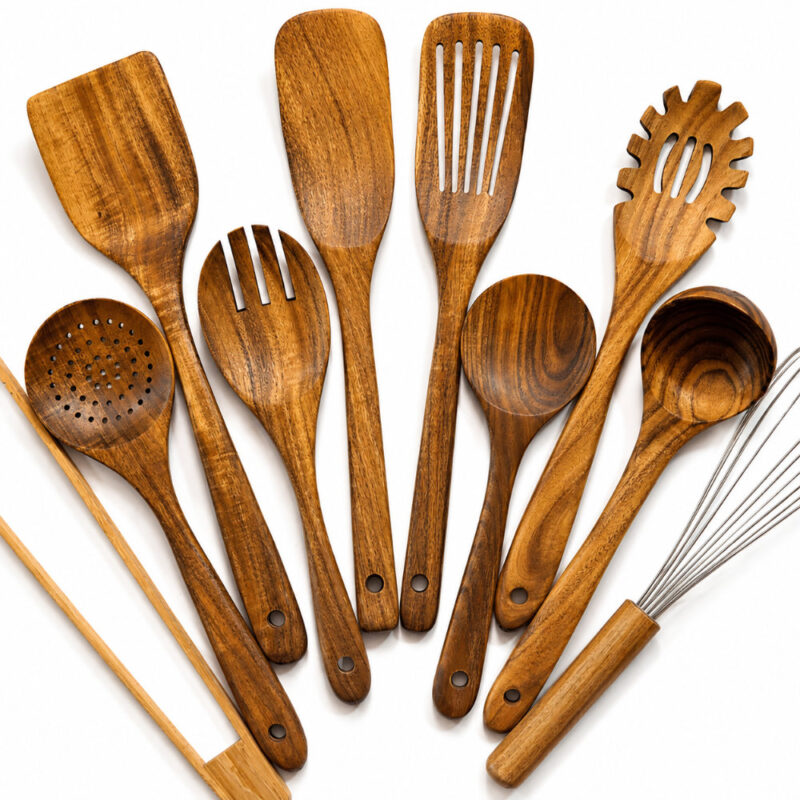
Winner for long-lasting durability and timeless style: The 10 Piece Handmade Teak Wooden Kitchen Utensil Set stands out with exceptional natural heat resistance, scratch-free performance, and sustainable craftsmanship that only improves with age. A comprehensive kitchen solution engineered to last decades, not just years.
The seasoning on cast iron consists of polymerized oil that creates a non-stick surface. Hard metal tools can strip this layer if used aggressively. Softer materials like silicone bend under pressure and fail to scrape effectively. Your utensil selection directly impacts cooking performance and pan longevity.
The History of Cast Iron Utensils
Cast iron cookware dates back to 5th century China. Early cooks used metal implements—primarily iron and bronze—because these materials withstood high heat. The Han Dynasty produced the first cast iron pots around 220 BC, and metal spatulas accompanied them.
European adoption occurred during the 15th century. Blacksmiths forged iron spatulas and spoons specifically for cast iron vessels. These tools matched the cookware’s durability. Wood utensils gained popularity in the 18th century as turners and spoons became easier to produce. Rural American kitchens relied on wooden spoons and metal spatulas until the 1950s.
Modern materials emerged after World War II. Nylon appeared in 1938, silicone in the 1940s, and both entered kitchens by the 1960s. Each material offered different benefits, but traditional metal and wood remained dominant for cast iron cooking.
Best Utensil Materials for Cast Iron
Metal Utensils
Stainless steel spatulas and spoons work exceptionally well on cast iron. The material withstands temperatures exceeding 1000°F. Steel edges scrape fond (browned bits) from the pan bottom without damaging properly seasoned surfaces. Thin, beveled edges slide under food more effectively than thick implements.
Carbon steel tools offer similar benefits. They’re slightly softer than stainless steel, which reduces scratching risk. Professional chefs prefer carbon steel fish spatulas for their flexibility and strength.
Avoid sharp-edged metal tools. Knives and forks gouge seasoning. Use spatulas with rounded or beveled edges instead.
Wood Utensils
Hardwood spoons and spatulas protect seasoning layers effectively. Maple, beech, and cherry woods resist splintering and heat damage. Wood doesn’t conduct heat, so handles stay cool during cooking.
Wood utensils cannot scrape as effectively as metal. They work best for stirring, flipping delicate foods, and serving. The material absorbs flavors over time, so designate specific wooden spoons for savory or sweet dishes.
Softwoods like pine break down quickly under heat and moisture. Stick with dense hardwoods.
Silicone Utensils
High-grade silicone (rated to 600°F) handles most cast iron cooking tasks. The material flexes around pan curves and protects seasoning. Silicone spatulas scrape bowls clean and flip eggs without scratching.
Low-quality silicone melts at temperatures below 400°F. Check the temperature rating before purchase. Silicone cannot scrape carbonized food as effectively as metal or wood. Use it for gentle cooking methods like scrambling eggs or sautéing vegetables.
Bamboo Utensils
Bamboo tools offer similar benefits to hardwood but grow more sustainably. The material resists moisture better than most woods and maintains structural integrity through repeated use. Bamboo spatulas and spoons cost less than hardwood alternatives.
Bamboo can splinter if poorly manufactured. Inspect tools for rough edges before use.
Utensils to Avoid on Cast Iron
Certain materials damage cast iron or perform poorly:
- Plastic utensils: Melt at temperatures above 350°F. Release harmful chemicals when heated.
- Aluminum tools: Too soft. They scratch easily and leave metallic residue.
- Glass implements: Break under thermal stress. Fragments contaminate food.
- Ceramic spoons: Chip easily and scratch seasoning aggressively.
- Nylon utensils: Melt at temperatures exceeding 400°F. The material degrades over time.
Material Comparison Table
| Material | Heat Resistance | Scraping Ability | Seasoning Protection | Durability | Cost |
|---|---|---|---|---|---|
| Stainless Steel | 1000°F+ | Excellent | Good (with care) | Excellent | $$ |
| Carbon Steel | 1000°F+ | Excellent | Very Good | Excellent | $$ |
| Hardwood | 400°F | Fair | Excellent | Good | $ |
| Silicone | 600°F | Fair | Excellent | Good | $ |
| Bamboo | 400°F | Fair | Excellent | Good | $ |
Essential Utensils for Cast Iron Cooking
1. Metal Fish Spatula
A thin, slotted fish spatula serves as the most versatile cast iron tool. The angled blade slides under food easily. Slots allow grease to drain. Use it for:
- Flipping eggs and pancakes
- Turning steaks and chops
- Scraping fond for pan sauces
- Lifting delicate fish fillets
Look for spatulas with beveled edges and flexible blades. Rigid spatulas work poorly on curved surfaces.
2. Wooden Spoon
A large wooden spoon handles stirring tasks without scratching. The long handle keeps hands away from heat. Use it for:
- Stirring soups and stews
- Mixing sauces
- Sautéing vegetables
- Scraping sides of the pan
Choose spoons with comfortable grips and smooth surfaces. Cracks harbor bacteria.
3. Silicone Spatula
A heat-resistant silicone spatula works for gentle cooking methods. The flexible head conforms to pan curves. Use it for:
- Scrambling eggs
- Folding ingredients
- Scraping batter from bowls
- Spreading sauces
Select spatulas rated to at least 600°F. Avoid thin, flimsy designs.
4. Metal Tongs
Stainless steel tongs provide precise control over food placement and turning. Scalloped edges grip securely. Use them for:
- Turning chicken pieces
- Arranging vegetables
- Removing foods from hot oil
- Handling hot items safely
Spring-loaded tongs reduce hand fatigue. Silicone-tipped tongs offer extra seasoning protection but reduce grip strength.
5. Chain Mail Scrubber
A stainless steel chain mail scrubber cleans cast iron without removing seasoning. The flexible mesh conforms to pan curves. Use it for:
- Removing stuck food
- Cleaning after cooking
- Maintaining seasoning layers
- Scrubbing without soap
Combine chain mail with hot water and coarse salt for effective cleaning.
Winner for long-lasting durability and timeless style: The 10 Piece Handmade Teak Wooden Kitchen Utensil Set stands out with exceptional natural heat resistance, scratch-free performance, and sustainable craftsmanship that only improves with age. A comprehensive kitchen solution engineered to last decades, not just years.
Technical Specifications for Optimal Performance
Edge Design
Beveled edges (30-45 degree angles) slide under food better than square edges. Thin edges (under 2mm) provide better control. Rounded corners prevent gouging.
Handle Length
Handles should measure 10-14 inches for standard skillets. Longer handles keep hands away from heat. Shorter handles offer more control for precise tasks.
Material Thickness
Metal spatulas perform best at 1.5-2mm thickness. Thinner tools flex appropriately. Thicker implements feel rigid and clumsy.
Wood and silicone tools should measure 8-12mm at the thickest points. This provides structural integrity without excess bulk.
Weight Balance
Well-balanced utensils reduce hand fatigue. The handle should weigh slightly more than the working end. Poor balance creates awkward movements and reduced control.
Maintenance Practices for Cast Iron Utensils
Metal Tools
- Wash metal utensils with soap and water after each use
- Dry completely to prevent rust
- Store in dry locations
- Sharpen or replace damaged edges
Metal develops patina over time. This discoloration is normal and doesn’t affect performance.
Wood Tools
- Hand wash with mild soap
- Dry immediately
- Apply food-grade mineral oil monthly
- Sand rough spots with fine-grit sandpaper
- Replace cracked or splintered tools
Never soak wooden utensils. Prolonged water exposure causes warping and splitting.
Silicone Tools
- Wash in dishwasher or by hand
- Remove food residue from crevices
- Store away from sharp objects
- Replace melted or damaged tools
Silicone absorbs strong odors. Store garlic-scented spatulas separately from baking tools.
Common Mistakes and Solutions
Mistake 1: Using Too Much Force
Aggressive scraping damages seasoning. Apply gentle, consistent pressure instead. Let stuck food soak briefly before scraping.
Mistake 2: Wrong Tool for the Task
Wooden spoons cannot scrape carbonized food. Metal spatulas damage delicate fish. Match the tool to the cooking method.
Mistake 3: Neglecting Tool Maintenance
Dirty or damaged utensils perform poorly. Clean tools after each use. Replace worn implements promptly.
Mistake 4: Storing Tools Incorrectly
Metal tools rust in humid environments. Wood warps when stored wet. Silicone degrades under UV light. Use proper storage methods for each material.
Selection Steps Summary
Follow these steps to choose the right utensils:
- Assess your cooking style: Frequent searing requires metal spatulas. Gentle cooking suits silicone or wood.
- Check heat ratings: Verify utensils withstand your typical cooking temperatures.
- Evaluate edge design: Select beveled edges for scraping tasks, rounded edges for stirring.
- Test handle comfort: Hold tools before purchasing. Uncomfortable handles cause fatigue.
- Consider maintenance: Choose materials you’ll maintain properly.
- Start with essentials: Buy a metal spatula, wooden spoon, and silicone scraper first.
- Add specialized tools: Purchase tongs, ladles, and slotted spoons as needs arise.
Protecting Your Cast Iron Investment
Quality utensils extend cast iron lifespan significantly. Proper seasoning combined with appropriate tools creates non-stick surfaces that improve with age. Invest in well-made implements that match your cooking frequency.
Professional chefs typically own 3-4 metal spatulas in different sizes, 2-3 wooden spoons, and several silicone tools. Home cooks need fewer tools but should prioritize quality over quantity.
Cast iron cookware lasts generations with proper care. Your utensil choices determine whether your pans improve or degrade over time. Select materials that protect seasoning, withstand high heat, and perform their intended tasks effectively.
The right tools make cast iron cooking easier and more enjoyable. They protect your investment while delivering superior cooking results. Choose wisely, maintain properly, and your cast iron—along with your utensils—will serve you for decades.
Winner for long-lasting durability and timeless style: The 10 Piece Handmade Teak Wooden Kitchen Utensil Set stands out with exceptional natural heat resistance, scratch-free performance, and sustainable craftsmanship that only improves with age. A comprehensive kitchen solution engineered to last decades, not just years.