
What Is the Best Material for Cooking Utensils

Understanding Cooking Utensil Materials
The material you choose for your cooking utensils affects food safety, cookware longevity, and cooking performance. Each material offers distinct properties that make it suitable for specific tasks.
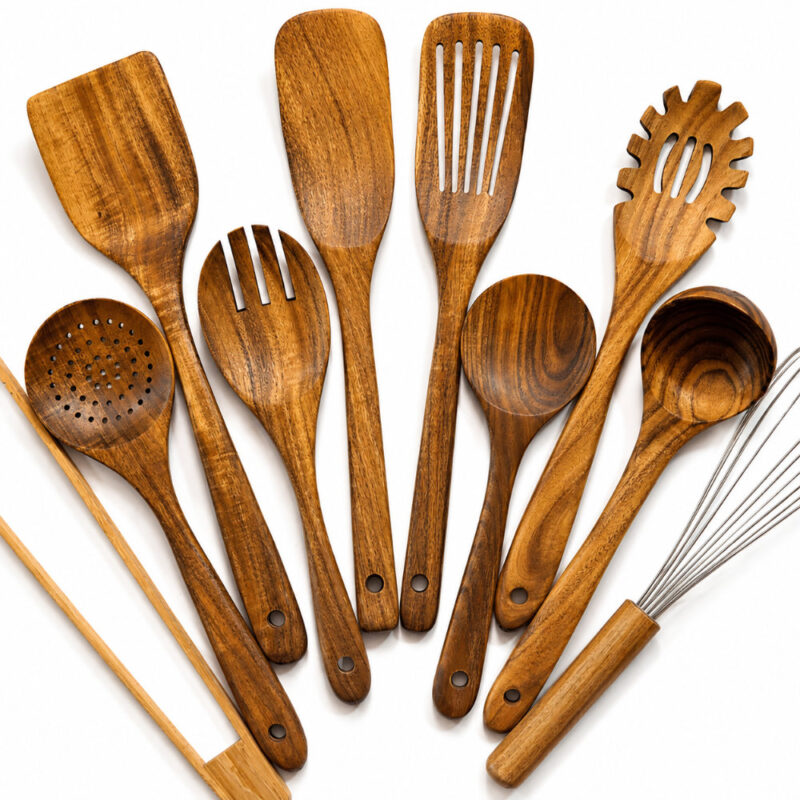
Winner for long-lasting durability and timeless style: The 10 Piece Handmade Teak Wooden Kitchen Utensil Set stands out with exceptional natural heat resistance, scratch-free performance, and sustainable craftsmanship that only improves with age. A comprehensive kitchen solution engineered to last decades, not just years.
Modern kitchens use five primary materials: stainless steel, silicone, wood, nylon, and bamboo. Secondary options include copper, titanium, and carbon steel. Your choice depends on your cookware type, cooking methods, and budget.
The Evolution of Cooking Utensil Materials
Ancient civilizations used carved wood and bone for cooking tools. Bronze and copper utensils appeared around 3000 BCE in Mesopotamia. Romans introduced iron implements that could withstand higher temperatures.
The 18th century brought the Industrial Revolution. Mass production made metal utensils affordable. Cast iron and early steel versions dominated kitchens until the 1940s.
Teflon-coated pans emerged in 1954. This innovation created demand for softer utensil materials that wouldn’t scratch non-stick surfaces. Nylon utensils entered the market in the 1960s. Silicone cooking tools followed in the 1970s.
Today’s market offers specialized materials engineered for specific purposes. Manufacturers test heat resistance, flexibility, and chemical stability before releasing products.
Stainless Steel: The Professional Standard
Stainless steel contains iron, chromium, and nickel. The chromium creates a protective oxide layer that prevents rust. Most cooking utensils use 18/8 or 18/10 grades, indicating chromium and nickel percentages.
Technical Properties
- Heat resistance: Withstands temperatures up to 800°F
- Durability: Resists bending, breaking, and corrosion
- Weight: Heavier than plastic alternatives
- Reactivity: Non-reactive with acidic foods
Advantages
Stainless steel utensils last decades with minimal maintenance. You can use them with high-heat cooking methods like searing and stir-frying. They’re dishwasher safe and don’t harbor bacteria in scratches or pores.
The material doesn’t leach chemicals into food at any temperature. Professional chefs prefer stainless steel for its precision and control.
Limitations
Stainless steel scratches non-stick cookware. The hard surface can damage ceramic and Teflon coatings. These utensils conduct heat rapidly, making handles hot during extended cooking.
The material costs more than plastic alternatives. Budget sets often use thinner steel that bends easily.
Silicone: Heat-Resistant Flexibility
Silicone is a synthetic polymer made from silicon, oxygen, carbon, and hydrogen. Food-grade silicone meets FDA standards for direct food contact.
Technical Specifications
- Heat tolerance: Safe from -40°F to 600°F
- Flexibility: Bends without permanent deformation
- Composition: Inert synthetic rubber
- Lifespan: 5-10 years with proper care
Benefits
Silicone protects all cookware surfaces. The flexible material conforms to pan curves, making it ideal for scraping and folding. It doesn’t conduct heat, keeping handles cool during cooking.
These utensils resist staining and don’t absorb odors. You can leave a silicone spatula in a hot pan without melting or warping. Colors remain vibrant through repeated washing.
Drawbacks
Low-quality silicone contains fillers that degrade at high temperatures. The pinch test reveals quality: pure silicone returns to its original shape immediately.
Silicone costs more than nylon or wood. Some users dislike the slightly sticky texture. The material can retain grease if not washed properly.
Wood: Traditional and Gentle
Hardwoods like maple, beech, and cherry make excellent cooking utensils. The dense grain structure resists splitting and warping.
Material Characteristics
- Temperature limit: 400°F before scorching
- Density: Varies by species (0.5-0.8 g/cm³)
- Porosity: Naturally antimicrobial when dry
- Maintenance: Requires regular oiling
Strengths
Wood never scratches cookware. The soft material is gentle on non-stick coatings and enamel. Natural tannins in hardwood provide antimicrobial properties.
These utensils don’t conduct heat or electricity. Wood offers excellent grip, even when wet. The natural aesthetic appeals to traditional kitchen designs.
Considerations
Wood absorbs water and food particles. You must hand wash and dry wooden utensils immediately. Dishwasher heat causes cracking and splitting.
The material requires monthly oiling with food-safe mineral oil or beeswax. Neglected wood dries out and splinters. Deep scratches harbor bacteria despite antimicrobial properties.
Wood utensils can’t handle prolonged high-heat cooking. They char if left in a hot pan. The lifespan ranges from 3-7 years depending on maintenance.
Nylon: Affordable and Practical
Nylon is a thermoplastic polymer created through polymerization. Most cooking utensils use nylon 6 or nylon 6/6 formulations.
Performance Metrics
- Melting point: 428-480°F
- Rigidity: Semi-flexible with good shape retention
- Chemical resistance: Unaffected by oils and acids
- Cost: Lowest among common materials
Pros
Nylon utensils protect non-stick surfaces effectively. The material resists most cooking chemicals and won’t rust or corrode. Manufacturing costs keep prices low, making complete sets affordable.
These tools maintain their shape better than silicone. You get adequate stiffness for stirring thick batters and flipping foods. Nylon is dishwasher safe and dries quickly.
Cons
Standard nylon degrades at temperatures above 400°F. Some formulations release chemicals when overheated. The material stains easily from tomato-based sauces and turmeric.
Nylon scratches more easily than metal or silicone. Deep scratches create bacterial hiding spots. Quality varies significantly between manufacturers.
Budget nylon utensils become brittle after months of use. The material doesn’t age gracefully compared to stainless steel or wood.
Bamboo: Sustainable Alternative
Bamboo is a fast-growing grass harvested every 3-5 years. Manufacturers compress bamboo fibers to create dense, durable utensils.
Material Properties
- Hardness: Comparable to red oak
- Growth rate: 35 inches per day for some species
- Heat resistance: Similar to hardwood
- Environmental impact: Minimal pesticide requirements
Advantages
Bamboo grows rapidly without replanting, making it highly sustainable. The material is harder than most woods, providing better durability. Bamboo resists moisture absorption better than traditional hardwoods.
These utensils are naturally antimicrobial. The price point falls between wood and silicone. Bamboo won’t scratch any cookware surface.
Disadvantages
Bamboo requires the same maintenance as wood. You must hand wash and oil these utensils regularly. Exposure to moisture causes bamboo to swell and crack.
Quality varies based on bamboo species and manufacturing processes. Some bamboo utensils use adhesives that may contain formaldehyde. The material can splinter if poorly finished.
Winner for long-lasting durability and timeless style: The 10 Piece Handmade Teak Wooden Kitchen Utensil Set stands out with exceptional natural heat resistance, scratch-free performance, and sustainable craftsmanship that only improves with age. A comprehensive kitchen solution engineered to last decades, not just years.
Material Comparison Table
| Material | Heat Limit | Cookware Compatibility | Lifespan | Dishwasher Safe | Price Range |
|---|---|---|---|---|---|
| Stainless Steel | 800°F | Traditional only | 20+ years | Yes | $$$ |
| Silicone | 600°F | All types | 5-10 years | Yes | $$ |
| Wood | 400°F | All types | 3-7 years | No | $$ |
| Nylon | 428°F | All types | 2-5 years | Yes | $ |
| Bamboo | 400°F | All types | 4-8 years | No | $$ |
Matching Materials to Cookware Types
Non-Stick Cookware
Non-stick surfaces require soft materials that won’t scratch the coating. Silicone, wood, bamboo, and nylon all work well. Avoid metal utensils entirely.
Teflon coatings scratch easily. Even minor abrasions reduce non-stick performance and potentially release particles into food. Ceramic non-stick surfaces show scratches visibly.
Choose silicone for high-heat cooking on non-stick pans. Use wood or bamboo for lower temperatures and delicate tasks like flipping eggs.
Stainless Steel and Cast Iron
These durable surfaces can handle any utensil material. Stainless steel utensils provide the best control and precision. Metal utensils scrape fond (browned bits) from pan bottoms effectively.
You can use harder materials because scratches don’t affect performance. Cast iron’s seasoning layer actually benefits from metal utensils that help distribute oils.
Wood and silicone work well if you prefer softer materials. Avoid prolonged high-heat exposure with these options.
Enameled Cookware
Enamel coatings chip when struck by hard objects. Use wood, silicone, or bamboo exclusively. The glass-like surface shows damage clearly, affecting both appearance and hygiene.
Choose utensils with smooth edges. Rough spots on wooden utensils can scratch enamel gradually. Replace wooden tools before they develop rough patches.
Health and Safety Considerations
Chemical Leaching
Stainless steel, wood, and bamboo don’t leach chemicals at cooking temperatures. High-quality silicone remains inert up to 600°F.
Low-quality nylon may release plasticizers when overheated. Look for BPA-free certifications. Some colored nylons use dyes that migrate into acidic foods.
Bacterial Growth
Smooth, non-porous materials resist bacterial colonization. Stainless steel and silicone clean thoroughly and dry completely. Scratched surfaces on any material can harbor bacteria.
Wood and bamboo contain natural antimicrobial compounds. These materials must remain dry between uses. Cracks or deep cuts compromise antimicrobial properties.
Wash all utensils in hot, soapy water immediately after use. Replace items with deep scratches or visible damage.
Heat Injuries
Metal utensils conduct heat rapidly. A stainless steel spoon left in a hot pan becomes too hot to touch within seconds. Use utensils with insulated or wooden handles.
Silicone and wood don’t conduct heat. You can safely leave these utensils in pans during cooking. Always use caution with steam and hot liquids.
Maintenance Requirements by Material
Daily Care
Stainless steel: Wash in hot water, dry immediately to prevent water spots. Dishwasher safe.
Silicone: Clean with dish soap and hot water. Remove grease thoroughly. Dishwasher safe on top rack.
Wood and bamboo: Hand wash, dry immediately, stand upright to air dry completely. Never soak or place in dishwasher.
Nylon: Wash with hot water and soap. Most are dishwasher safe but hand washing extends lifespan.
Long-Term Maintenance
Stainless steel requires no special treatment. Polish occasionally to remove discoloration.
Oil wood and bamboo monthly with mineral oil or beeswax. Apply oil generously, let absorb overnight, wipe excess.
Inspect silicone for tears or degradation. Replace if material becomes sticky or develops permanent odors.
Check nylon for brittleness or discoloration. Heat damage appears as darkened spots or warping.
Cost Analysis
Budget-conscious cooks can build a complete set with nylon utensils for $20-30. Quality improves significantly in the $30-50 range.
Mid-range silicone sets cost $40-70. Professional-grade silicone reaches $80-120 for a complete set.
Wood and bamboo utensils range from $30-80 per set. Individual pieces cost $8-15.
Stainless steel sets start at $50 and exceed $200 for professional quality. Individual pieces cost $15-40.
Selection Framework
Follow these steps to choose appropriate materials:
- Identify your primary cookware type – Non-stick requires soft materials; traditional cookware accepts any material
- Assess your cooking temperature range – High-heat cooking demands silicone or metal; gentle cooking suits wood
- Determine maintenance capacity – Limited time favors dishwasher-safe options like silicone or steel
- Set your budget – Nylon offers value; steel provides lifetime investment
- Consider storage space – Evaluate utensil size and whether you need complete sets or individual pieces
Most functional kitchens benefit from having multiple materials. Keep stainless steel for high-precision tasks, silicone for non-stick cookware, and wood for gentle stirring.
Final Recommendations
The best material depends on your specific needs. Silicone offers the most versatility across different cookware types and cooking methods. The material balances durability, safety, and performance effectively.
Choose stainless steel if you cook primarily with traditional cookware and want utensils that last decades. Select wood or bamboo for a traditional aesthetic and excellent non-stick protection. Pick nylon for budget-conscious decisions with acceptable performance.
Quality matters more than material type. Invest in well-made utensils from reputable manufacturers. Read product specifications carefully and verify heat ratings match your cooking methods.
Replace damaged utensils promptly. Scratched, chipped, or warped tools perform poorly and may pose safety risks. Building your collection gradually with quality pieces serves you better than buying complete cheap sets.
Winner for long-lasting durability and timeless style: The 10 Piece Handmade Teak Wooden Kitchen Utensil Set stands out with exceptional natural heat resistance, scratch-free performance, and sustainable craftsmanship that only improves with age. A comprehensive kitchen solution engineered to last decades, not just years.