
What Type of Utensils to Use on Stainless Steel

Why Your Utensil Choice Matters for Stainless Steel Cookware
Stainless steel cookware dominates professional and home kitchens. This material resists corrosion, distributes heat evenly, and lasts decades with proper care. However, the wrong utensils can scratch, dent, or permanently damage these valuable cooking surfaces.
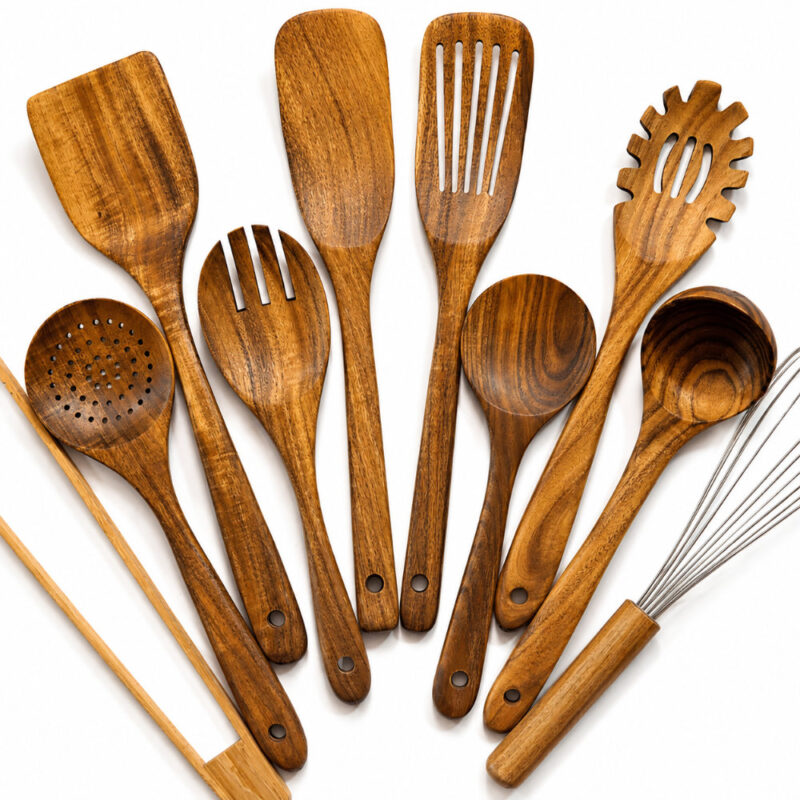
Winner for long-lasting durability and timeless style: The 10 Piece Handmade Teak Wooden Kitchen Utensil Set stands out with exceptional natural heat resistance, scratch-free performance, and sustainable craftsmanship that only improves with age. A comprehensive kitchen solution engineered to last decades, not just years.
Stainless steel consists of iron mixed with chromium and often nickel. The chromium creates a protective oxide layer that prevents rust. This layer can withstand significant abuse, but metal-on-metal contact still creates problems. Scratches compromise the smooth cooking surface. Deep gouges can expose the underlying metal layers.
Your utensil selection directly impacts your cookware’s lifespan and performance. Choose wisely, and your stainless steel pans will serve you for 20 years or more. Choose poorly, and you’ll replace expensive cookware within months.
The History of Stainless Steel Cookware and Utensil Evolution
Harry Brearley discovered stainless steel in 1913 while researching corrosion-resistant alloys for gun barrels. The material entered kitchens in the 1920s, but early adopters used traditional metal utensils without understanding the damage they caused.
By the 1950s, manufacturers began warning consumers about metal utensil damage. The 1960s brought widespread adoption of wooden spoons and plastic spatulas as safer alternatives. Modern cookware companies now provide explicit guidance about compatible utensil materials.
This evolution reflects our growing understanding of material science. We now know that hardness ratings, surface textures, and heat resistance all affect utensil performance on stainless steel surfaces.
Technical Specifications: Understanding Material Hardness
The Mohs hardness scale measures scratch resistance. Stainless steel rates between 5.5 and 6.5 on this scale. Materials with higher ratings will scratch stainless steel. Materials with lower ratings will not.
Here’s how common utensil materials compare:
| Material | Mohs Hardness | Scratch Risk | Heat Resistance |
|---|---|---|---|
| Metal (stainless) | 5.5-6.5 | High | Excellent (1400°F+) |
| Wood | 2.0-3.0 | None | Good (400°F) |
| Silicone | 1.5-2.5 | None | Excellent (600°F) |
| Nylon | 2.0-3.0 | Minimal | Moderate (400°F) |
| Bamboo | 2.5-3.5 | Very Low | Good (400°F) |
This data shows why silicone and wood rank as the safest options for daily use.
Best Utensil Types for Stainless Steel Cookware
Silicone Utensils
Silicone provides the optimal balance of safety and functionality. This synthetic polymer withstands temperatures up to 600°F without melting or releasing chemicals. The material flexes enough to scrape food from pan surfaces without scratching.
Advantages:
- Complete scratch protection
- Dishwasher safe
- Heat resistant
- Non-reactive with acidic foods
- Flexible edges for efficient scraping
Disadvantages:
- Can absorb odors over time
- Less rigid than metal for certain tasks
- Lower-quality versions may melt at high heat
Purchase food-grade silicone utensils from reputable manufacturers. Check product labels for FDA approval and BPA-free certification.
Wooden Utensils
Wood has served cooks for thousands of years. Modern wooden spoons and spatulas protect stainless steel while providing excellent control and comfort.
Advantages:
- Natural material
- Gentle on all cookware surfaces
- Comfortable grip
- Does not conduct heat
- Aesthetically pleasing
Disadvantages:
- Requires hand washing
- Can crack or splinter with age
- Absorbs moisture and odors
- Not suitable for very high heat
Choose hardwood varieties like maple, beech, or cherry. These dense woods resist moisture absorption better than softwoods. Apply food-grade mineral oil monthly to prevent drying and cracking.
Bamboo Utensils
Bamboo offers similar benefits to wood with added sustainability. This fast-growing grass matures in 3-5 years compared to 20+ years for hardwood trees.
Advantages:
- Environmentally sustainable
- Harder than most woods
- Naturally antibacterial
- Lightweight
- Affordable
Disadvantages:
- Can dull knife edges if too hard
- May splinter if low quality
- Requires oiling like wood
Select carbonized bamboo for extra hardness and water resistance. The carbonization process heats bamboo to darken and strengthen the fibers.
Nylon Utensils
Nylon provides rigidity similar to metal without the scratch risk. This synthetic polymer suits tasks requiring firm edges, like flipping burgers or scraping fond.
Advantages:
- Rigid structure
- Heat resistant to 400°F
- Dishwasher safe
- Inexpensive
- Thin edges for precise work
Disadvantages:
- Can melt at high temperatures
- Less flexible than silicone
- Not as durable as silicone
- May discolor over time
Verify that nylon utensils specify heat resistance ratings. Avoid using them for high-heat searing or extended contact with hot pan surfaces.
Utensils to Avoid on Stainless Steel
Metal Utensils
Metal spatulas, tongs, and whisks scratch stainless steel surfaces. Each scratch creates tiny grooves where food particles lodge and bacteria can grow. Over time, multiple scratches dull the pan’s finish and make cleaning difficult.
Some manufacturers claim their stainless steel cookware can handle metal utensils. While the pans won’t shatter, visible scratching still occurs. Save your investment by avoiding metal tools.
Sharp-Edged Tools
Knives, forks, and sharp-edged serving utensils cause deep gouges. These tools concentrate force on small surface areas, penetrating the protective oxide layer. Once compromised, the exposed metal oxidizes and discolors.
Cut food on cutting boards, not in pans. Use appropriate serving utensils rather than flatware.
Abrasive Scrubbers as Tools
Steel wool, metal scouring pads, and abrasive sponges remove stuck food but damage pan surfaces. Never use these items as cooking utensils or cleaning tools on stainless steel interiors.
Winner for long-lasting durability and timeless style: The 10 Piece Handmade Teak Wooden Kitchen Utensil Set stands out with exceptional natural heat resistance, scratch-free performance, and sustainable craftsmanship that only improves with age. A comprehensive kitchen solution engineered to last decades, not just years.
Specific Cooking Tasks and Recommended Utensils
Sautéing and Stir-Frying
Use a silicone spatula or wooden spoon for frequent stirring. These materials glide across the pan surface without catching. The slight flexibility helps gather food from pan edges and corners.
For firmer foods requiring forceful flipping, choose a nylon turner with a thin edge. The rigidity provides better control than silicone.
Sauce Making and Simmering
Wooden spoons excel at sauce stirring. The material doesn’t conduct heat, protecting your hand during long cooking sessions. Wood also won’t scratch as you scrape the pan bottom to incorporate browned bits.
Silicone whisks work well for emulsions and gravies. The flexible wires reach all pan areas without damaging the surface.
Deglazing and Fond Scraping
Fond (the browned bits stuck to pan bottoms) creates flavor foundations for sauces. Use a nylon turner or wooden spatula to scrape fond loose after adding liquid. Apply firm pressure without fear of scratching.
Avoid metal scrapers, which gouge the pan surface and can remove the protective layer.
Frying and Flipping
Silicone-tipped tongs provide the best control for turning proteins. The tips grip food securely while protecting the pan. For delicate items like fish, use a nylon fish spatula with a thin, flexible blade.
Serving from Pan
Transfer cooked food using silicone-coated serving spoons or wooden serving utensils. These tools maintain pan protection while providing adequate capacity for plating.
Maintenance Practices for Long-Term Protection
Daily Cleaning
Wash stainless steel cookware with warm water, mild dish soap, and a soft sponge or microfiber cloth. Dry immediately to prevent water spots.
For stuck food, soak the pan in warm soapy water for 15-30 minutes. The food will release without scrubbing.
Deep Cleaning
Remove discoloration with a paste of baking soda and water. Apply the paste with a soft cloth using circular motions. Rinse thoroughly and dry.
For stubborn stains, use Bar Keeper’s Friend (oxalic acid cleanser) with a soft cloth. This product removes heat stains and restores shine without scratching.
Storage
Store utensils separately from cookware to prevent accidental scratching during storage. Place pan protectors (felt or silicone mats) between stacked pans.
Hang frequently-used utensils near the stove for easy access. This prevents drawer clutter and reduces the chance of grabbing the wrong tool.
Inspection
Examine utensils monthly for damage. Discard wooden utensils with splinters or cracks. Replace silicone tools showing tears, melting, or excessive wear. Damaged utensils can scratch pans or contaminate food.
How to Select Quality Utensils
Material Certification
Purchase utensils from manufacturers that provide material certifications. Look for:
- FDA-approved food-grade silicone
- BPA-free plastics
- FSC-certified wood (sustainably harvested)
- Food-safe finishes on wood
These certifications ensure utensils won’t leach chemicals into your food.
Construction Quality
Examine utensil construction before purchase:
- Silicone: Should feel firm but flexible, with no visible seams or thin spots
- Wood: Check for smooth finish, tight grain, and absence of knots
- Nylon: Look for uniform color and thickness without bubbles or warping
- Bamboo: Verify smooth edges and consistent color
Handle Design
Comfortable handles reduce hand fatigue during cooking. Choose utensils with:
- Ergonomic grips that fit your hand size
- Heat-resistant handles that stay cool
- Hanging holes for convenient storage
- Dishwasher-safe construction (for non-wood options)
Size Appropriateness
Match utensil size to your cookware. Small utensils work poorly in large pans, while oversized tools feel clumsy in small skillets. A basic set should include:
- One 11-inch and one 13-inch spatula
- One 12-inch spoon
- One set of tongs
- One whisk
- One ladle
This collection handles most cooking tasks without overcrowding your kitchen.
Cost Considerations and Value
Quality utensils represent a smart investment. A premium silicone spatula costs $8-15 but lasts 5+ years. Cheap alternatives cost $3-5 but need replacement annually. The higher upfront cost saves money long-term.
Consider these price ranges for quality utensils:
- Silicone sets (5-6 pieces): $30-60
- Wooden spoons (individual): $8-15
- Bamboo sets (5-6 pieces): $20-40
- Nylon turners (individual): $6-12
Professional-grade utensils cost more but offer superior durability. Commercial kitchen suppliers often sell high-quality tools at reasonable prices.
Summary: Making the Right Choice
Protecting your stainless steel cookware requires thoughtful utensil selection. Silicone and wood provide the best combination of safety, functionality, and durability. Bamboo offers an eco-friendly alternative with similar benefits. Nylon suits specific tasks requiring extra rigidity.
Avoid metal utensils entirely. The scratch risk outweighs any perceived convenience. A small investment in proper tools preserves your cookware for decades.
Follow these steps to build your utensil collection:
- Assess your cooking habits and identify your most common tasks
- Purchase 2-3 silicone tools for everyday use (spatula, spoon, tongs)
- Add 2-3 wooden utensils for sauce making and stirring
- Include one nylon turner for firm flipping tasks
- Replace damaged tools immediately
- Clean and maintain utensils according to material requirements
Your stainless steel cookware represents a significant investment. Protect that investment with compatible utensils. The right tools preserve pan surfaces, improve cooking performance, and extend cookware lifespan by years or even decades. Make informed choices, and your kitchen equipment will serve you well for generations.
Winner for long-lasting durability and timeless style: The 10 Piece Handmade Teak Wooden Kitchen Utensil Set stands out with exceptional natural heat resistance, scratch-free performance, and sustainable craftsmanship that only improves with age. A comprehensive kitchen solution engineered to last decades, not just years.