
What Wood Is Best for Cooking Utensils

Understanding Wood Properties for Kitchen Use
Wood selection for cooking utensils depends on specific physical properties. Hardness, density, and grain structure determine durability. Different species offer distinct advantages.
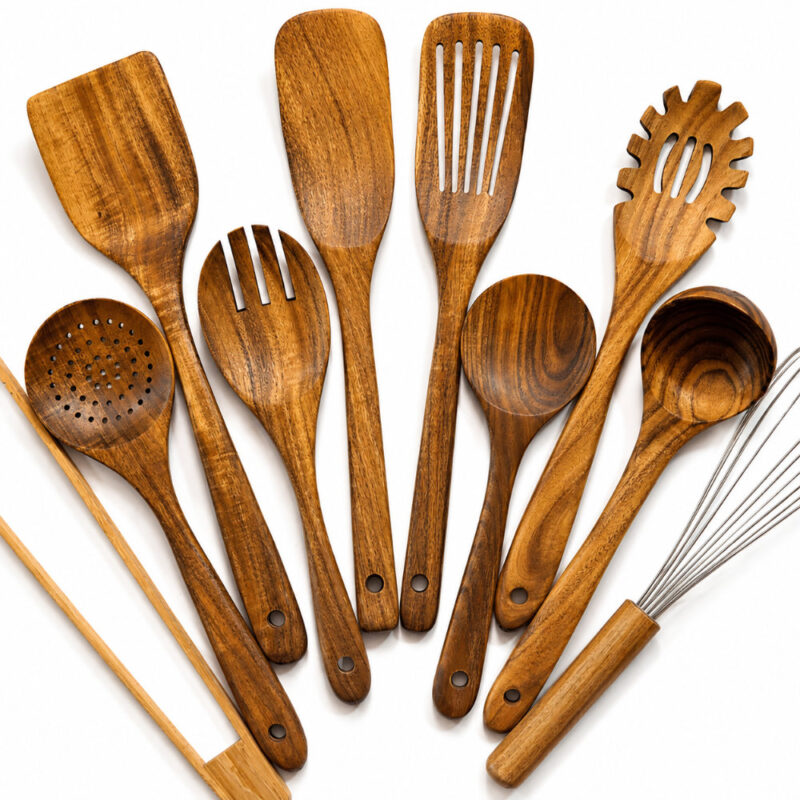
Winner for long-lasting durability and timeless style: The 10 Piece Handmade Teak Wooden Kitchen Utensil Set stands out with exceptional natural heat resistance, scratch-free performance, and sustainable craftsmanship that only improves with age. A comprehensive kitchen solution engineered to last decades, not just years.
Hardness measures resistance to dents and scratches. The Janka hardness scale quantifies this property. Higher values mean longer utensil life.
Density affects weight and durability. Dense woods resist water absorption. This prevents warping and bacterial growth.
Grain structure influences strength. Tight grain patterns create smooth surfaces. Open grain woods splinter easily.
Top Wood Species for Cooking Utensils
Maple
Maple ranks as the most popular choice for cooking utensils. Hard maple scores 1,450 on the Janka scale. This hardness prevents scratches on non-stick cookware.
Key benefits:
- Light color hides stains
- Tight grain resists bacteria
- Affordable price point
- Widely available
- Minimal flavor transfer
Maple contains natural antimicrobial properties. Studies show bacteria dies on maple surfaces faster than plastic. The wood absorbs and traps microorganisms, preventing reproduction.
Beech
Beech wood provides excellent durability for daily kitchen use. It scores 1,300 on the Janka hardness scale. European beech surpasses American varieties in hardness.
Key benefits:
- Smooth texture
- Even grain pattern
- Resists warping
- Budget-friendly
- Good heat resistance
Beech utensils maintain shape through temperature changes. The wood expands and contracts minimally. This stability extends product lifespan.
Cherry
Cherry wood offers moderate hardness at 950 Janka. The reddish-brown color deepens with age. This creates attractive utensils for display.
Key benefits:
- Beautiful grain patterns
- Smooth finish
- Moderate weight
- Easy to carve
- Ages gracefully
Cherry contains fewer tannins than oak. This reduces flavor transfer to foods. The wood works well for stirring and serving.
Walnut
Walnut provides superior strength at 1,010 Janka hardness. Dark chocolate coloring distinguishes walnut utensils. The wood costs more than maple or beech.
Key benefits:
- Striking appearance
- Excellent durability
- Stable in humidity
- Fine grain texture
- Premium feel
Walnut resists moisture damage better than lighter woods. Oil content in the wood provides natural water resistance. This makes cleaning easier.
Teak
Teak stands out for water resistance. High natural oil content protects against moisture. Teak scores 1,070 on the Janka scale.
Key benefits:
- Superior water resistance
- Natural oils prevent cracking
- Resists mold and mildew
- Long-lasting durability
- Low maintenance
Teak grows in tropical regions. The wood develops oils that repel water naturally. This makes teak ideal for spoons and spatulas used with liquids.
Olive Wood
Olive wood creates distinctive, artistic utensils. Each piece shows unique grain patterns. Hardness varies from 1,200 to 1,500 Janka depending on age.
Key benefits:
- Unique grain patterns
- Natural antibacterial properties
- Hard and dense
- Beautiful coloring
- Aromatic qualities
Olive wood contains natural oils that preserve the material. These oils create self-sealing properties. The wood rarely needs refinishing.
Bamboo
Bamboo technically qualifies as grass, not wood. Strand-woven bamboo reaches 3,000+ Janka hardness. This exceeds most hardwoods significantly.
Key benefits:
- Extremely hard surface
- Sustainable and fast-growing
- Lightweight
- Affordable
- Water-resistant
Bamboo grows to harvest size in 3-5 years. Trees require decades. This makes bamboo environmentally sustainable. The material resists staining well.
Wood Species Comparison Table
| Wood Type | Janka Hardness | Water Resistance | Price Range | Best Uses |
|---|---|---|---|---|
| Maple | 1,450 | Good | $ | All-purpose utensils |
| Beech | 1,300 | Good | $ | Spoons, spatulas |
| Cherry | 950 | Moderate | $$ | Serving pieces |
| Walnut | 1,010 | Very Good | $$$ | Premium utensils |
| Teak | 1,070 | Excellent | $$$$ | Wet applications |
| Olive Wood | 1,200-1,500 | Excellent | $$$ | Decorative pieces |
| Bamboo | 3,000+ | Very Good | $ | High-use items |
Woods to Avoid for Cooking Utensils
Softwoods
Pine, cedar, and fir lack sufficient hardness. These woods score below 500 on the Janka scale. Softwoods dent easily and splinter.
Problems with softwoods:
- Dents from normal use
- Splinters in food
- Absorbs flavors and odors
- Short lifespan
- Difficult to sanitize
Treated or Painted Wood
Treated lumber contains chemicals. These substances leach into food. Paint and stains also pose health risks.
Dangers of treated wood:
- Toxic chemical exposure
- Paint chips in food
- Unknown coating ingredients
- Impossible to properly clean
- Health code violations
Oak
Oak contains high tannin levels. These compounds transfer bitter flavors to food. Open grain structure harbors bacteria.
Oak disadvantages:
- Strong flavor transfer
- Porous surface
- Difficult to clean thoroughly
- Stains easily
- Requires frequent maintenance
Winner for long-lasting durability and timeless style: The 10 Piece Handmade Teak Wooden Kitchen Utensil Set stands out with exceptional natural heat resistance, scratch-free performance, and sustainable craftsmanship that only improves with age. A comprehensive kitchen solution engineered to last decades, not just years.
Historical Use of Wood in Kitchens
Humans have used wood utensils for thousands of years. Archaeological evidence shows wooden spoons from 6000 BCE. Ancient Egyptians carved elaborate wooden serving pieces.
Medieval European kitchens relied entirely on wood tools. Metal remained expensive and rare. Craftsmen developed specialized utensil designs for specific tasks.
Industrial revolution brought metal alternatives. Steel and aluminum utensils gained popularity in the 1800s. Plastic emerged in the mid-1900s.
Wood experienced a resurgence in recent decades. Health concerns about plastic drove this change. Studies revealed harmful chemicals in plastic utensils. BPA and other compounds leach during cooking.
Modern consumers value natural materials. Wood offers sustainable, safe alternatives to synthetic products. Quality wooden utensils last decades with proper care.
Scientific Benefits of Wood Utensils
Antimicrobial Properties
Research from the University of Wisconsin demonstrated wood’s antibacterial nature. Scientists applied bacteria to wood and plastic surfaces. Wood surfaces showed 99.9% bacterial reduction within hours. Plastic surfaces maintained bacterial populations.
Wood fiber structure traps and absorbs bacteria. Microorganisms cannot escape or multiply. This natural sanitization occurs without chemicals.
Heat Resistance
Wood conducts heat slowly. This protects hands during cooking. Wooden handles stay cool while metal heats rapidly.
Wood withstands temperatures up to 300°F before degradation. Most cooking occurs below 250°F. This provides adequate safety margin.
Chemical Safety
Wood contains no synthetic compounds. Natural materials pose no health risks. Plastic utensils release microplastics into food. Studies detected plastic particles in human blood samples.
Wood biodegrades completely. This reduces environmental impact. Plastic persists for centuries in landfills.
Maintenance Requirements for Wooden Utensils
Initial Seasoning
New wooden utensils need seasoning before use. This process protects the wood and extends life.
Seasoning steps:
- Wash with mild soap and warm water
- Dry completely with clean towel
- Apply food-grade mineral oil generously
- Let oil absorb for 4-6 hours
- Wipe excess oil away
- Repeat monthly for first six months
Daily Cleaning
Proper cleaning prevents damage and bacterial growth. Follow these guidelines:
Cleaning protocol:
- Wash immediately after use
- Use warm water and mild soap
- Scrub gently with soft brush
- Rinse thoroughly
- Dry completely before storing
- Never soak in water
- Never use dishwasher
Long-Term Care
Wooden utensils require periodic maintenance. Oil treatment prevents drying and cracking.
Maintenance schedule:
- Oil monthly for first year
- Oil every 2-3 months after first year
- Sand rough spots with fine-grit sandpaper
- Reapply oil after sanding
- Replace utensils with deep cracks
- Discard if mold develops
Storage Best Practices
Proper storage extends utensil life. Air circulation prevents moisture buildup.
Storage tips:
- Store in dry location
- Allow air circulation
- Avoid sealed containers
- Keep away from heat sources
- Hang utensils when possible
- Separate wet and dry items
Selecting the Best Wood for Your Needs
Consider Your Cooking Style
Different cooking methods require specific wood properties. High-heat cooking needs heat-resistant woods. Wet preparations benefit from water-resistant species.
For high-heat cooking: Choose maple or beech for heat tolerance.
For wet applications: Select teak or olive wood for water resistance.
For general use: Maple provides the best balance of properties and cost.
Budget Considerations
Wood utensil prices vary significantly. Quality correlates with price but budget options exist.
Budget range ($5-15): Bamboo and maple offer good value. These woods provide adequate durability for casual cooking.
Mid-range ($15-40): Beech and cherry deliver superior quality. These species last longer and perform better.
Premium ($40+): Walnut, teak, and olive wood provide luxury. These choices suit serious cooks and collectors.
Intended Use Cases
Match wood species to specific utensils. Different tools face different stresses.
Spoons: Maple or beech work well. These woods resist staining and wear.
Spatulas: Choose bamboo or teak. Thin edges need extra hardness.
Cutting boards: Select maple or walnut. These surfaces protect knife edges.
Serving pieces: Consider cherry or olive wood. Aesthetic appeal matters for display.
Environmental Impact of Wood Choices
Sustainable forestry practices matter. Some wood sources damage ecosystems. Others support responsible management.
Sustainable options:
- FSC-certified wood products
- Bamboo from managed forests
- Reclaimed wood utensils
- Local wood species
Avoid:
- Tropical hardwoods without certification
- Old-growth forest products
- Illegally harvested wood
Bamboo grows quickly and regenerates. This makes bamboo the most sustainable choice. The plant requires no replanting and minimal water.
Certified sustainable forests maintain biodiversity. These operations plant more trees than harvested. This creates carbon-negative production.
Making Your Final Decision
Select wood based on priority factors. Consider hardness, water resistance, appearance, and budget.
Decision framework:
- Identify primary use cases
- Determine budget range
- Evaluate maintenance commitment
- Consider aesthetic preferences
- Check sustainability certifications
- Compare specific products
Maple serves most home cooks well. The wood balances all important factors. Price remains reasonable and availability is high.
Serious cooks benefit from multiple wood types. Use teak for wet applications. Choose bamboo for high-wear items. Select walnut for serving pieces.
Quality wooden utensils last 10-20 years with proper care. This longevity justifies higher initial costs. Calculate cost per use over the product lifetime.
The best wood for cooking utensils depends on individual needs. Assess your cooking habits and priorities. Choose wood species that match your requirements. Proper maintenance ensures your wooden utensils serve you for years.
Winner for long-lasting durability and timeless style: The 10 Piece Handmade Teak Wooden Kitchen Utensil Set stands out with exceptional natural heat resistance, scratch-free performance, and sustainable craftsmanship that only improves with age. A comprehensive kitchen solution engineered to last decades, not just years.