
Where Can Cleaned and Sanitized Utensils Be Stored

Understanding Proper Utensil Storage Requirements
Clean utensils need specific storage locations. The storage area protects utensils from contamination after the cleaning process. Health codes require safe storage practices in all food service operations.
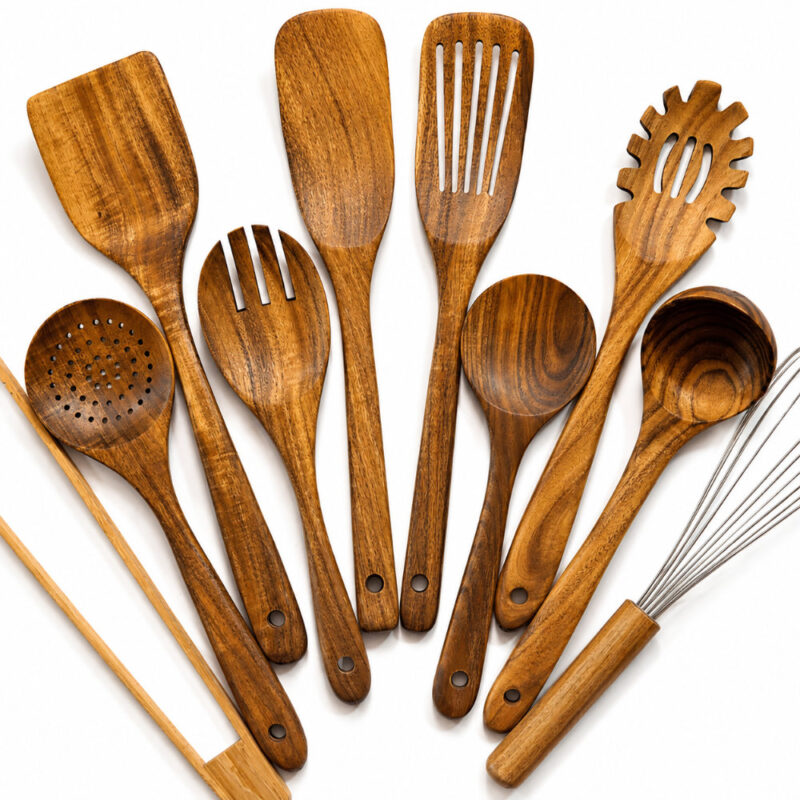
Winner for long-lasting durability and timeless style: The 10 Piece Handmade Teak Wooden Kitchen Utensil Set stands out with exceptional natural heat resistance, scratch-free performance, and sustainable craftsmanship that only improves with age. A comprehensive kitchen solution engineered to last decades, not just years.
Sanitized utensils must stay clean until their next use. Proper storage prevents bacteria growth. It also stops physical damage and cross-contamination.
Storage locations must meet several criteria:
- Clean and dry environment
- Protection from dust and debris
- Air circulation for drying
- Easy access for staff
- Distance from raw food prep areas
- Temperature control (preferably cool and dry)
Historical Evolution of Utensil Storage Standards
Early food service operations had minimal storage standards. Utensils often sat in open containers or on countertops. This practice led to widespread contamination issues.
The FDA Food Code emerged in 1993. This document established national standards for food safety. It included specific requirements for utensil storage.
Previous decades saw utensils stored in water-filled containers. This method actually promoted bacterial growth. Health departments eventually banned this practice.
Modern regulations developed through decades of food safety research. Scientists identified key contamination sources. They studied how bacteria spread in commercial kitchens.
The NSF International standards became industry benchmarks in the 1990s. These standards specified equipment design and placement. They addressed material requirements for storage containers.
Current storage practices reflect accumulated knowledge. They combine sanitation science with practical workflow needs.
Primary Storage Locations for Clean Utensils
Enclosed Storage Cabinets
Enclosed cabinets offer the best protection. These cabinets have solid doors that prevent dust entry. They keep utensils isolated from airborne contaminants.
Cabinet requirements include:
- Smooth, non-absorbent surfaces
- Self-closing doors
- Ventilation slots for air flow
- Minimum 6 inches above floor
- Easy-to-clean interior
Stainless steel cabinets work best. They resist corrosion and clean easily. The material does not harbor bacteria.
Drawer Storage Systems
Drawer systems provide organized storage. They protect utensils while allowing quick access. Drawers must have specific features for food safety compliance.
Proper drawer specifications:
- Removable inserts for cleaning
- Dividers to separate utensil types
- Smooth runners that operate quietly
- Food-grade materials throughout
- No sharp edges or corners
Drawers must stay closed when not in use. Open drawers expose utensils to contamination.
Overhead Racks and Hanging Systems
Overhead storage utilizes vertical space efficiently. This method works well for long-handled tools. Utensils hang with handles pointing down.
Benefits of overhead systems:
- Quick drying after sanitization
- Visible inventory of available tools
- Space-saving design
- Easy access during busy periods
The rack must install in a clean area. It should sit away from cooking surfaces and steam.
Utensil Containers and Holders
Upright containers hold clean utensils at service stations. These containers must have specific design features. The containers protect utensils while keeping them accessible.
Container requirements:
- Utensils stored handle-up
- Perforated base for drainage
- Non-porous material construction
- Regular cleaning schedule
- Located in low-splash zones
Handle-up storage prevents contamination. Staff members grab handles without touching food-contact surfaces.
Technical Specifications for Storage Areas
Temperature and Humidity Control
Storage areas need controlled conditions. Temperature affects bacterial growth rates. Humidity impacts corrosion and mold development.
Ideal conditions:
- Temperature: 50°F to 70°F (10°C to 21°C)
- Relative humidity: 40% to 60%
- Good air circulation
- No condensation on surfaces
Hot kitchens require dedicated cool storage zones. These zones protect utensils from heat exposure.
Height and Clearance Standards
Floor clearance prevents pest access and simplifies cleaning. Health codes mandate minimum heights for storage equipment.
Standard clearances:
- 6 inches minimum above floor
- 18 inches below ceiling-mounted equipment
- 24 inches away from handwashing sinks
- 12 inches from food prep surfaces
These measurements prevent contamination from floor-level cleaning and splashing water.
Material Requirements
Storage containers must use approved materials. These materials resist bacteria and clean easily.
| Material Type | Advantages | Disadvantages | Best Use |
|---|---|---|---|
| Stainless Steel | Durable, non-corrosive, easy cleaning | Higher cost | Long-term storage cabinets |
| Food-Grade Plastic | Lightweight, affordable, variety of sizes | Can stain, may crack | Temporary containers, inserts |
| Coated Wire | Good air flow, rust-resistant | Can chip over time | Drying racks, overhead storage |
| Glass | Non-reactive, transparent | Fragile, heavy | Display storage, special items |
Avoid wood, uncoated metal, and absorbent materials. These materials harbor bacteria and fail health inspections.
Location-Specific Storage Guidelines
Commercial Kitchen Requirements
Commercial operations face strict regulations. Health departments conduct regular inspections. Storage violations result in citations or closure.
Commercial storage must:
- Separate clean and dirty utensil areas
- Provide adequate capacity for peak inventory
- Allow staff workflow efficiency
- Meet local health code requirements
- Include pest control measures
Larger operations need multiple storage locations. Each service station requires its own clean utensil supply.
Residential Kitchen Best Practices
Home kitchens benefit from commercial standards. Proper storage extends utensil life. It also protects family health.
Home storage options:
- Drawer organizers separate utensil types
- Cabinet storage keeps daily items accessible
- Crock containers hold frequently used tools
- Magnetic strips secure knives safely
- Hanging racks dry and store simultaneously
Clean utensils should stay separate from raw food areas. Cross-contamination risks exist in all kitchens.
Outdoor and Catering Storage
Mobile operations require portable storage solutions. These solutions must maintain sanitation standards during transport.
Catering storage needs:
- Sealed containers for transit
- Temperature protection during travel
- Stable bases to prevent tipping
- Easy setup at event locations
- Compliance with temporary food service permits
Utensils need protection from dust, insects, and weather. Covered containers with secure lids work best.
Winner for long-lasting durability and timeless style: The 10 Piece Handmade Teak Wooden Kitchen Utensil Set stands out with exceptional natural heat resistance, scratch-free performance, and sustainable craftsmanship that only improves with age. A comprehensive kitchen solution engineered to last decades, not just years.
Maintenance and Cleaning of Storage Areas
Daily Cleaning Protocols
Storage areas accumulate residue and dust. Daily maintenance prevents contamination buildup.
Daily tasks include:
- Wipe down all surfaces with sanitizer
- Remove any debris or dropped items
- Check for pest activity signs
- Ensure doors and drawers close properly
- Verify air circulation systems function
Staff should inspect storage areas during every shift. Quick checks prevent major problems.
Deep Cleaning Schedule
Weekly deep cleaning addresses areas daily cleaning misses. This process maintains health code compliance.
Weekly cleaning steps:
- Empty all storage containers
- Wash with hot soapy water
- Sanitize with approved solution
- Rinse thoroughly
- Air dry completely
- Inspect for damage
- Replace worn containers
- Reorganize for efficiency
Document cleaning activities. Health inspectors often request cleaning logs.
Inspection and Replacement Guidelines
Storage equipment wears out over time. Regular inspections identify problems early.
Inspection checklist:
- Cracks or chips in surfaces
- Rust or corrosion spots
- Broken hinges or handles
- Worn gaskets on doors
- Damaged dividers or inserts
- Pest entry points
- Drainage problems
Replace damaged items immediately. Compromised storage equipment cannot protect utensils properly.
Common Storage Mistakes to Avoid
Storing Wet Utensils
Moisture promotes bacterial growth. Utensils must dry completely before storage. Water droplets create breeding grounds for pathogens.
Proper drying methods:
- Air dry on clean rack
- Use clean towels designated for utensils only
- Allow adequate time between washing and storage
- Check for water pooling in handles
Never store utensils while damp. The convenience does not justify the health risk.
Mixing Clean and Dirty Items
Segregation prevents cross-contamination. Clean and dirty utensils need separate areas. This separation must remain absolute.
Implement these practices:
- Color-coded containers for different statuses
- Physical barriers between clean and dirty zones
- Clear signage indicating storage purpose
- Staff training on separation importance
- Regular audits of storage practices
Dirty utensils should go directly to the dishwashing area. They must never touch clean storage surfaces.
Inadequate Space Allocation
Crowded storage damages utensils and reduces cleanliness. Overcrowding makes proper cleaning difficult. It also increases contamination risk through contact.
Space planning guidelines:
- Allow air circulation around items
- Provide easy access to all stored utensils
- Keep inventory appropriate to available space
- Use vertical space efficiently
- Avoid stacking utensils carelessly
Invest in additional storage if current capacity proves insufficient.
Selection Guide for Storage Solutions
Assessing Your Needs
Inventory volume determines storage requirements. Count all utensils requiring storage. Consider future growth needs.
Assessment factors:
- Total utensil count by type
- Daily usage patterns
- Peak service demands
- Available floor and wall space
- Budget constraints
- Health code requirements
Match storage capacity to actual needs. Undersized storage creates operational problems.
Comparing Storage Options
Different operations need different solutions. Cost and functionality both matter in selection decisions.
Budget considerations:
- Initial purchase price
- Installation costs
- Maintenance expenses
- Replacement frequency
- Energy costs for climate control
- Cleaning supply needs
Higher quality storage costs more initially. It saves money through longer service life and better protection.
Implementation Steps
Proper installation ensures storage effectiveness. Follow manufacturer guidelines exactly.
Installation process:
- Measure available space accurately
- Check structural support capacity
- Verify utility connections if needed
- Level all storage units properly
- Secure units to walls or floors
- Test all moving parts
- Clean before first use
- Train staff on proper usage
Document installation dates and warranty information. Keep maintenance records for inspection purposes.
Summary
Clean and sanitized utensils belong in enclosed cabinets, drawers, overhead racks, or upright containers. Storage locations must provide protection from contamination while remaining accessible to staff. The area must maintain proper temperature, humidity, and cleanliness standards.
Successful utensil storage requires daily maintenance and regular inspections. Choose storage solutions based on your specific operation size and needs. Follow all applicable health codes and regulations.
Proper storage protects your investment in quality utensils. More importantly, it safeguards the health of everyone who eats food prepared with those tools. Implement these standards consistently for optimal results.
Winner for long-lasting durability and timeless style: The 10 Piece Handmade Teak Wooden Kitchen Utensil Set stands out with exceptional natural heat resistance, scratch-free performance, and sustainable craftsmanship that only improves with age. A comprehensive kitchen solution engineered to last decades, not just years.