
Where Can Utensils Be Stored

Understanding Utensil Storage Solutions
Utensils require proper storage to maintain kitchen efficiency and hygiene. The right storage location depends on your kitchen layout, cooking habits, and available space. Most kitchens benefit from multiple storage zones that keep utensils accessible during meal preparation.
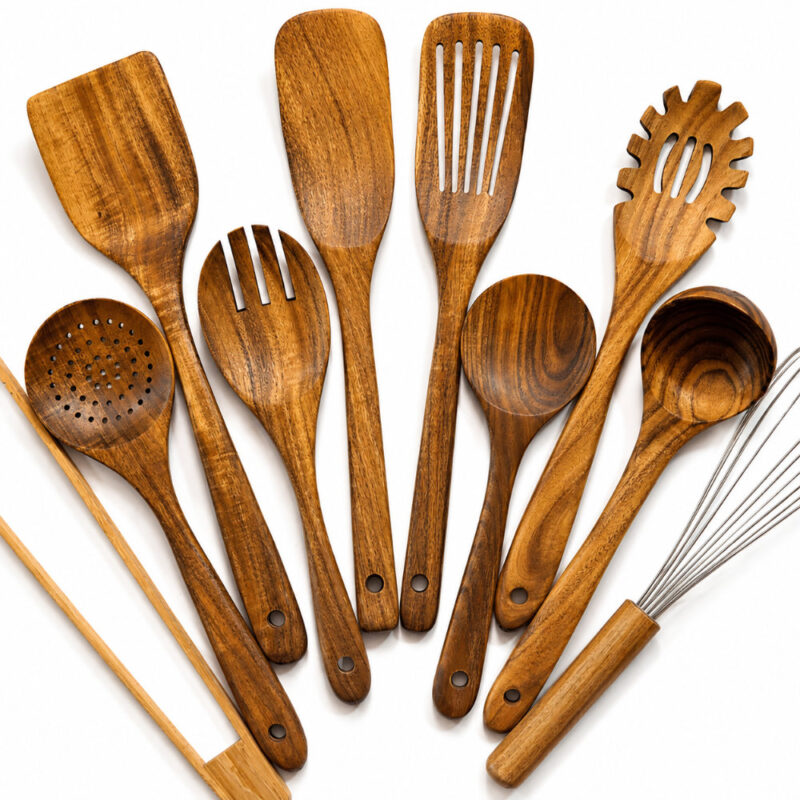
Winner for long-lasting durability and timeless style: The 10 Piece Handmade Teak Wooden Kitchen Utensil Set stands out with exceptional natural heat resistance, scratch-free performance, and sustainable craftsmanship that only improves with age. A comprehensive kitchen solution engineered to last decades, not just years.
Drawer storage remains the most popular option for everyday utensils. Kitchen drawers protect utensils from dust and grease while keeping countertops clear. Deep drawers accommodate large serving spoons and spatulas. Shallow drawers work well for smaller items like measuring spoons and tea strainers.
Countertop containers provide immediate access to frequently used tools. Ceramic crocks, stainless steel canisters, and wooden holders sit near the stove for quick retrieval. This storage method suits cooks who use the same utensils daily.
Historical Evolution of Utensil Storage
Ancient civilizations stored utensils in simple clay pots and woven baskets. Romans used bronze containers mounted on walls. Medieval kitchens featured wooden boxes and hanging racks near cooking fires.
The 18th century introduced drawer systems in European kitchens. Wealthy households installed custom cabinetry with designated utensil compartments. The industrial revolution brought mass-produced drawer organizers and wall-mounted racks to middle-class homes.
Modern kitchens emerged in the 1920s with standardized cabinet dimensions. Built-in drawer dividers became common after World War II. The 1970s saw magnetic knife strips and rotating carousel organizers. Contemporary storage solutions now include pull-out systems, adjustable dividers, and specialized holders for specific utensil types.
Drawer Storage Systems
Kitchen drawers offer the most versatile utensil storage. Proper drawer organization prevents tangling and damage.
Drawer Divider Options
Bamboo dividers create separate compartments for different utensil categories. These adjustable inserts expand to fit various drawer widths. Bamboo resists moisture and bacteria growth.
Plastic trays cost less than wood alternatives. These lightweight organizers feature fixed compartments in standard sizes. Deep wells hold spatulas and whisks upright.
Custom wood inserts fit drawer dimensions exactly. Craftsmen build these organizers from hardwoods like maple or cherry. Dovetail joints ensure long-term durability.
Optimal Drawer Placement
Position your primary utensil drawer 24-36 inches from the stove. This distance allows comfortable reach without excessive movement. Right-handed cooks prefer drawers to the right of the cooking surface. Left-handed individuals benefit from left-side placement.
Deep drawers (6-8 inches) suit large utensils:
- Slotted spoons
- Ladles
- Tongs
- Wire whisks
- Pasta servers
- Meat forks
Shallow drawers (2-4 inches) accommodate smaller tools:
- Measuring spoons
- Vegetable peelers
- Can openers
- Citrus zesters
- Egg slicers
Countertop Storage Solutions
Countertop storage keeps essential utensils within arm’s reach during cooking. Choose containers that match your kitchen aesthetic and functional needs.
Container Materials and Benefits
| Material | Durability | Cleaning Ease | Weight | Cost Range |
|---|---|---|---|---|
| Ceramic | High | Easy | Heavy | $15-$45 |
| Stainless Steel | Very High | Very Easy | Medium | $20-$60 |
| Glass | Medium | Very Easy | Heavy | $12-$35 |
| Wood | Medium | Moderate | Light | $18-$50 |
| Silicone | High | Very Easy | Light | $10-$25 |
Ceramic crocks provide stability and style. Heavy bases prevent tipping when removing utensils. Glazed interiors wipe clean quickly. Traditional designs complement farmhouse and cottage kitchens.
Stainless steel canisters resist rust and corrosion. Brushed finishes hide fingerprints. These containers suit modern and industrial kitchen designs. Weighted bottoms add stability.
Rotating carousels maximize small counter spaces. These round containers hold 12-20 utensils in a compact footprint. Spin mechanisms provide easy access from any angle.
Wall-Mounted Storage
Wall storage frees counter and drawer space. These systems work well in small kitchens or for specialized utensil collections.
Rail Systems
S-hooks hang from horizontal rails mounted above countertops. Stainless steel hooks support heavy ladles and skimmers. This system allows flexible arrangement and easy cleaning.
Magnetic strips hold metal utensils securely. Strong neodymium magnets support up to 2 pounds per inch. Mount strips 48-54 inches from the floor for comfortable reach.
Pegboard Organization
Pegboard systems offer maximum flexibility. Metal or wooden pegs hold individual utensils at custom heights. Paint pegboard to match kitchen colors. This solution works well in utility areas and pantries.
Install pegboard 12-18 inches above countertops. Space pegs 2-3 inches apart for standard utensils. Use longer pegs for heavy items like cast iron skillets.
Cabinet Storage Methods
Cabinet interiors provide hidden storage for utensils used less frequently. Proper organization prevents searching through cluttered shelves.
Pull-Out Organizers
Slide-out trays mount to cabinet floors. These systems glide on metal rails for full drawer extension. Divided compartments separate utensil types. Install pull-outs in lower cabinets near prep areas.
Tiered shelf inserts create multiple storage levels in tall cabinets. These expandable racks accommodate different utensil heights. Spring-loaded designs adjust from 12-36 inches wide.
Door-Mounted Solutions
Cabinet door backs offer underutilized storage space. Adhesive hooks hold lightweight utensils without drilling. Over-door racks feature multiple pockets for sorted storage.
Mount door organizers on cabinet doors adjacent to the stove. Check clearance before installation to prevent shelf interference. Limit door storage weight to 5 pounds maximum.
Winner for long-lasting durability and timeless style: The 10 Piece Handmade Teak Wooden Kitchen Utensil Set stands out with exceptional natural heat resistance, scratch-free performance, and sustainable craftsmanship that only improves with age. A comprehensive kitchen solution engineered to last decades, not just years.
Specialized Storage for Specific Utensils
Certain utensils require dedicated storage solutions. Proper storage extends tool lifespan and maintains performance.
Knife Storage
Knife blocks protect blade edges from dulling. Angled slots accommodate various blade lengths. Horizontal blocks fit under cabinets in small kitchens.
In-drawer knife trays keep sharp edges covered. Bamboo trays feature individual slots for each knife type. This storage method protects hands when reaching into drawers.
Cutting Board Storage
Vertical dividers separate cutting boards in cabinets or drawers. Adjustable rails accommodate boards from 1/4 to 1 inch thick. Store boards on their edges to save space.
Wall-mounted racks hold cutting boards outside cabinets. These systems work well near prep stations. Choose racks with rubber-coated bars to prevent board slipping.
Pantry and Utility Storage
Pantries store seasonal utensils and backup tools. Clear containers help identify contents quickly.
Labeled bins group similar items together. Plastic containers protect utensils from dust in open shelving. Stack bins to maximize vertical space.
Hanging organizers attach to pantry doors or walls. Canvas pockets hold rolling pins, measuring cups, and specialty tools. Clear vinyl windows show contents without opening pockets.
Small Kitchen Storage Strategies
Limited space requires creative storage solutions. Multi-functional furniture and vertical organization maximize every inch.
Install tension rods inside cabinets to hang S-hooks. This creates instant utensil storage without permanent hardware. Rods adjust from 16-28 inches to fit various cabinet widths.
Use magnetic knife strips on refrigerator sides. This location keeps knives accessible without consuming counter space. Magnetic strips also hold metal measuring spoons and whisks.
Over-sink cutting boards create temporary counter space. These boards span sink width and store underneath when not in use. Some designs include colander attachments and utensil slots.
Maintenance and Cleaning
Regular maintenance keeps storage systems hygienic and functional. Different materials require specific care methods.
Wood organizers need monthly conditioning with food-safe mineral oil. This treatment prevents cracking and water damage. Wipe spills immediately to avoid staining.
Metal containers benefit from weekly cleaning with mild soap and water. Dry thoroughly to prevent water spots. Polish stainless steel monthly with specialized cleaners.
Plastic dividers wash in dishwashers on the top rack. Check for warping after high-heat cycles. Replace cracked or stained organizers annually.
Selection Steps for Utensil Storage
Choose storage solutions based on your specific needs and kitchen configuration.
- Count your utensils by category and measure their dimensions
- Assess available space in drawers, cabinets, and on countertops
- Identify your most-used tools that need immediate access
- Match storage type to utensil frequency and size requirements
- Consider your budget and prioritize essential organization systems
- Measure installation areas before purchasing mounted solutions
- Select materials that complement existing kitchen finishes
Ergonomic Considerations
Storage placement affects cooking efficiency and physical comfort. Poor organization leads to unnecessary movement and strain.
Store heavy utensils at waist height to minimize lifting. Place frequently used tools between knee and shoulder level. This ergonomic zone reduces bending and reaching.
Group utensils by cooking task. Keep baking tools together in one drawer. Store grilling implements in another location. This organization reduces search time during meal preparation.
Right-handed cooks should store utensils on their dominant side. Position containers 18-24 inches from the stove centerline. This distance prevents burns while maintaining accessibility.
Professional Kitchen Storage
Commercial kitchens use industrial storage solutions built for high-volume use. These systems offer ideas for serious home cooks.
Stainless steel wall rails support heavy-duty hooks and holders. Commercial-grade rails hold 50+ pounds per linear foot. Mount rails 60 inches from the floor for standing reach.
Mobile utensil carts provide portable storage near cooking stations. Locking wheels stabilize carts during use. Multiple shelves organize utensils by cooking zone.
Conclusion
Utensils can be stored in drawers, countertop containers, wall-mounted systems, cabinets, and pantries. Each storage method offers distinct advantages based on kitchen size, cooking frequency, and personal preferences. Drawer systems with dividers provide protected storage for everyday tools. Countertop containers keep frequently used utensils immediately accessible. Wall-mounted rails and magnetic strips maximize vertical space in compact kitchens. Cabinet organizers hide seasonal and specialty utensils while maintaining order.
Select storage solutions that match your cooking habits and available space. Combine multiple storage types for optimal kitchen efficiency. Regular maintenance extends the life of both utensils and organizers. Proper storage placement reduces physical strain and speeds meal preparation. Invest in quality organizational systems that grow with your utensil collection.
Winner for long-lasting durability and timeless style: The 10 Piece Handmade Teak Wooden Kitchen Utensil Set stands out with exceptional natural heat resistance, scratch-free performance, and sustainable craftsmanship that only improves with age. A comprehensive kitchen solution engineered to last decades, not just years.