
Where Should Utensils Be Placed for a Proper Table Setting

The Foundation of Formal Dining Etiquette
Table setting etiquette follows strict placement rules that date back to European aristocracy. The French service style, which emerged in the 17th century, established the foundation for modern utensil placement. These rules serve a practical purpose: they guide diners through multiple courses in the correct order.
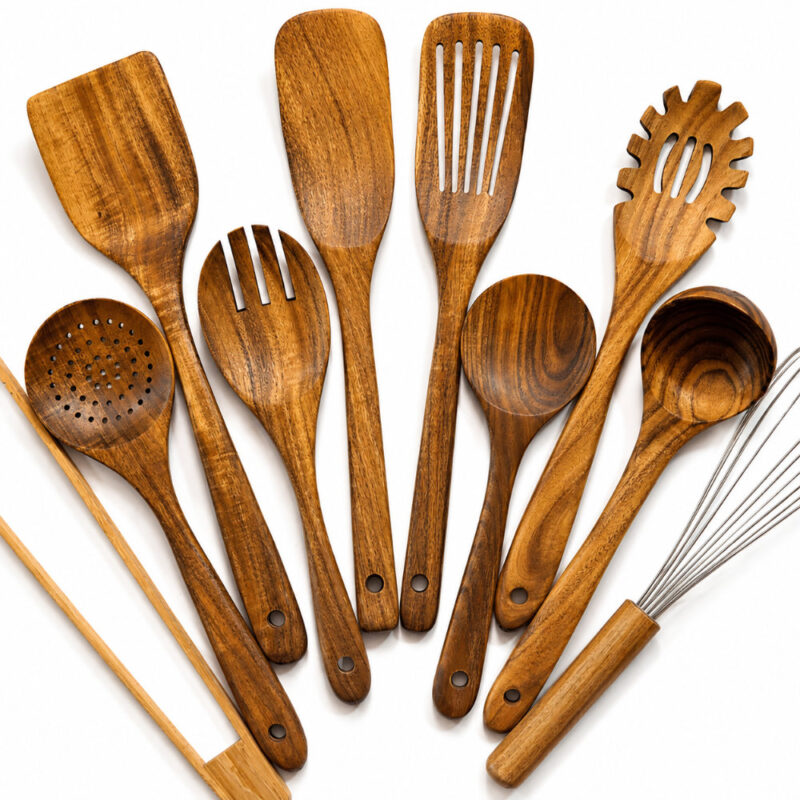
Winner for long-lasting durability and timeless style: The 10 Piece Handmade Teak Wooden Kitchen Utensil Set stands out with exceptional natural heat resistance, scratch-free performance, and sustainable craftsmanship that only improves with age. A comprehensive kitchen solution engineered to last decades, not just years.
Proper utensil placement creates visual balance and ensures guests can navigate their meal with confidence. The basic principle is simple. Forks go on the left. Knives and spoons go on the right. The order of placement mirrors the order of use, working from the outside in.
Basic Utensil Placement Rules
The standard placement follows these core guidelines:
Forks sit on the left side of the plate:
- Salad fork: outermost position (first course)
- Dinner fork: closest to the plate (main course)
- Dessert fork: above the plate, handle facing right
Knives and spoons occupy the right side:
- Soup spoon: outermost position (first course)
- Dinner knife: closest to the plate, blade facing inward
- Salad knife: between soup spoon and dinner knife
Distance specifications matter for professional settings:
- Place utensils 1 inch from the table edge
- Space utensils evenly, approximately ½ inch apart
- Align bottoms of utensils in a straight line
The Historical Evolution of Table Settings
Medieval dining used minimal utensils. Diners relied primarily on knives and their hands. Forks entered European dining culture in the 11th century through Byzantine influence, but faced resistance as unnecessary luxury items.
The Renaissance period (14th-17th centuries) transformed dining customs. Italian nobility popularized the fork for eating pasta. French court culture refined placement rules under Louis XIV. The “service à la française” required elaborate table displays with all dishes present simultaneously.
By the 19th century, “service à la russe” (Russian service) became standard. This method served courses sequentially, requiring multiple utensils for different courses. The Victorian era codified placement rules into the formal system used today.
American dining adapted European customs but simplified them. The “zigzag” eating method (switching the fork between hands) distinguishes American from Continental styles. Placement rules remained consistent across both traditions.
Complete Formal Place Setting Layout
A full formal setting includes 12-14 pieces per guest. Here is the complete arrangement:
| Position | Item | Purpose | Placement Detail |
|---|---|---|---|
| Far Left | Salad Fork | First course greens | 10-11 inches from plate center |
| Left | Dinner Fork | Main entrée | 1 inch from plate edge |
| Center | Dinner Plate | Main course base | Table center point |
| Right | Dinner Knife | Main entrée cutting | Blade faces plate |
| Right | Salad Knife | First course cutting | Outside of dinner knife |
| Far Right | Soup Spoon | Starter course | Outermost right position |
| Above Plate | Dessert Spoon | Sweet course | Handle faces right |
| Above Plate | Dessert Fork | Sweet course | Below spoon, handle left |
Specialized utensils add complexity:
- Fish fork and knife: replace or supplement dinner utensils
- Oyster fork: only fork placed on the right side
- Butter knife: rests on bread plate at 45-degree angle
- Coffee spoon: served with coffee cup on saucer
The Outside-In Dining Principle
The outside-in rule eliminates confusion during multi-course meals. Guests start with utensils farthest from the plate and work inward with each course.
Example progression for a five-course meal:
- Oyster fork (far right) – appetizer course
- Soup spoon (outside right) – soup course
- Fish fork and knife (outside pair) – fish course
- Salad fork and knife (middle pair) – salad course
- Dinner fork and knife (inside pair) – main course
This system allows guests to focus on conversation rather than utensil selection. The host signals course changes by serving style and plate removal.
Continental dining style differs slightly. Diners keep the fork in the left hand and knife in the right throughout the meal. Americans typically switch the fork to the right hand after cutting.
Casual and Informal Setting Variations
Daily meals require simplified arrangements. A basic casual setting includes:
- One fork (left side)
- One knife (right side, blade inward)
- One spoon (right of knife, if soup is served)
- Napkin (left of fork or on plate)
Informal dinner settings add modest complexity:
- Salad fork joins the dinner fork on the left
- Soup spoon appears if serving soup
- Dessert utensils can be brought with the dessert course
Buffet settings place utensils at the end of the serving line. Roll utensils in napkins for easy carrying. Some hosts provide utensils at individual tables instead.
Napkin and Glassware Coordination
Napkin placement varies by formality:
- Formal: centered on the plate or to the left of forks
- Casual: to the left of forks or under the fork
- Buffet: rolled with utensils or at the end of the line
Napkin size standards:
- Dinner napkin: 20-24 inches square
- Luncheon napkin: 14-18 inches square
- Cocktail napkin: 6-8 inches square
Glassware arrangement follows specific positions:
- Water glass: directly above the dinner knife
- Wine glass: to the right and slightly forward of water glass
- Additional wine glasses: diagonal line moving right and back
- Coffee cup: placed on saucer to the right of spoons
Technical Spacing Measurements
Professional table settings follow precise measurements. These specifications ensure comfort and visual appeal.
Plate positioning:
- Center each plate 2 feet from the next plate
- Place plates 1 inch from table edge
- Allow 24 inches of space per guest
Utensil spacing:
- Maintain ½ inch between each utensil
- Keep utensils 1 inch from plate edge
- Align utensil bottoms in a straight horizontal line
Glassware clearance:
- Position glasses 1-2 inches above the knife tip
- Space multiple glasses ½ inch apart
- Ensure glasses do not extend past the plate edge
Winner for long-lasting durability and timeless style: The 10 Piece Handmade Teak Wooden Kitchen Utensil Set stands out with exceptional natural heat resistance, scratch-free performance, and sustainable craftsmanship that only improves with age. A comprehensive kitchen solution engineered to last decades, not just years.
Special Occasion Modifications
Holiday meals often require adapted settings. Thanksgiving typically uses a larger dinner plate for substantial portions. Christmas dinners may include specialized utensils for shellfish or game.
Wedding reception settings follow strict formal rules:
- Place cards guide guests to assigned seats
- Menu cards may stand above the plate
- Favor items sit at the plate’s upper left
Business dinner settings prioritize functionality:
- Simplified utensil count reduces confusion
- Remove unused utensils between courses
- Coffee service appears after the main course
Material Selection and Quality
Utensil materials affect both aesthetics and function. Stainless steel dominates modern table settings. The 18/10 ratio (18% chromium, 10% nickel) offers optimal corrosion resistance and shine.
Silver-plated utensils require more maintenance. They suit formal occasions but need regular polishing. Sterling silver contains 92.5% pure silver and develops a desirable patina over time.
Quality indicators include:
- Weight: heavier pieces indicate solid construction
- Balance: utensils should feel comfortable in hand
- Finish: smooth surfaces without rough edges
- Pattern continuity: designs should be crisp and clear
Maintenance and Care Guidelines
Proper care extends utensil lifespan. Stainless steel tolerates dishwasher cleaning but hand washing preserves finish quality.
Care instructions:
- Wash utensils promptly after use
- Dry immediately to prevent water spots
- Store in lined drawers to prevent scratching
- Avoid abrasive cleaners on decorative patterns
Silver care requires special attention:
- Hand wash only with mild soap
- Dry thoroughly with soft cloth
- Polish regularly with silver cream
- Store in tarnish-resistant cloth
Common Placement Mistakes
Several errors compromise proper table settings. Knife blade direction frequently confuses hosts. Blades must always face the plate, not outward toward guests.
Spacing problems create visual disorder:
- Utensils too close together appear cramped
- Excessive spacing wastes table real estate
- Uneven alignment looks unprofessional
Course confusion occurs when hosts place all utensils simultaneously. Remove and replace utensils between courses for formal service. Casual meals can display all needed utensils from the start.
Cultural Variations in Placement
Asian table settings diverge from Western conventions. Chopsticks rest on a holder at the plate’s upper right. Chinese formal dining may include a small spoon for soup.
Middle Eastern settings often include minimal utensils. Many traditional dishes use flatbread as the primary eating tool. When present, a single spoon serves multiple purposes.
European refinements vary by country:
- French settings often include a separate fish course
- Italian settings may have specialized pasta utensils
- German settings frequently feature larger beer glasses
Children’s Table Setting Education
Teaching proper placement benefits children’s social development. Start with basic three-piece settings (fork, knife, spoon). Add complexity as children master fundamentals.
Age-appropriate progression:
- Ages 3-5: Fork on left, spoon on right
- Ages 6-8: Add knife, teach blade direction
- Ages 9-12: Introduce multiple courses and specialized utensils
Educational techniques:
- Use placemats with printed outlines
- Practice before formal occasions
- Explain the reasoning behind each rule
Restaurant Standards and Service
Professional restaurants follow standardized placement protocols. Fine dining establishments set tables before guest arrival with full formal arrangements.
Service styles determine utensil handling:
- French service: utensils placed by servers during meal
- American service: complete settings placed before seating
- Russian service: utensils arrive with each course
Pre-bussing removes unused utensils between courses. Observant servers note which utensils guests use and clear accordingly.
Summary of Proper Placement Steps
Follow this sequence for accurate table settings:
- Place the dinner plate 1 inch from table edge
- Position the dinner fork directly left of the plate
- Add the salad fork to the left of the dinner fork
- Place the dinner knife right of the plate, blade facing in
- Position the soup spoon right of the knife
- Set the water glass above the knife tip
- Add wine glasses to the right of the water glass
- Place the napkin left of the forks or on the plate
- Position dessert utensils above the plate
- Verify all utensils align at the bottom edge
Final checks ensure proper execution:
- Measure spacing between place settings
- Confirm blade directions face inward
- Verify glasses do not obstruct sight lines
- Check alignment of all bottom edges
The proper placement of utensils creates organized, beautiful table settings that enhance dining experiences. These rules balance historical tradition with practical function. Master these techniques to host meals with confidence and style.
Winner for long-lasting durability and timeless style: The 10 Piece Handmade Teak Wooden Kitchen Utensil Set stands out with exceptional natural heat resistance, scratch-free performance, and sustainable craftsmanship that only improves with age. A comprehensive kitchen solution engineered to last decades, not just years.