
Are Bamboo Cooking Utensils Dishwasher Safe?

The Short Answer About Bamboo and Dishwashers
Bamboo cooking utensils are not dishwasher safe. The high heat, harsh detergents, and prolonged water exposure in dishwashers damage bamboo fibers. Hand washing preserves the material’s integrity and extends the lifespan of your utensils.
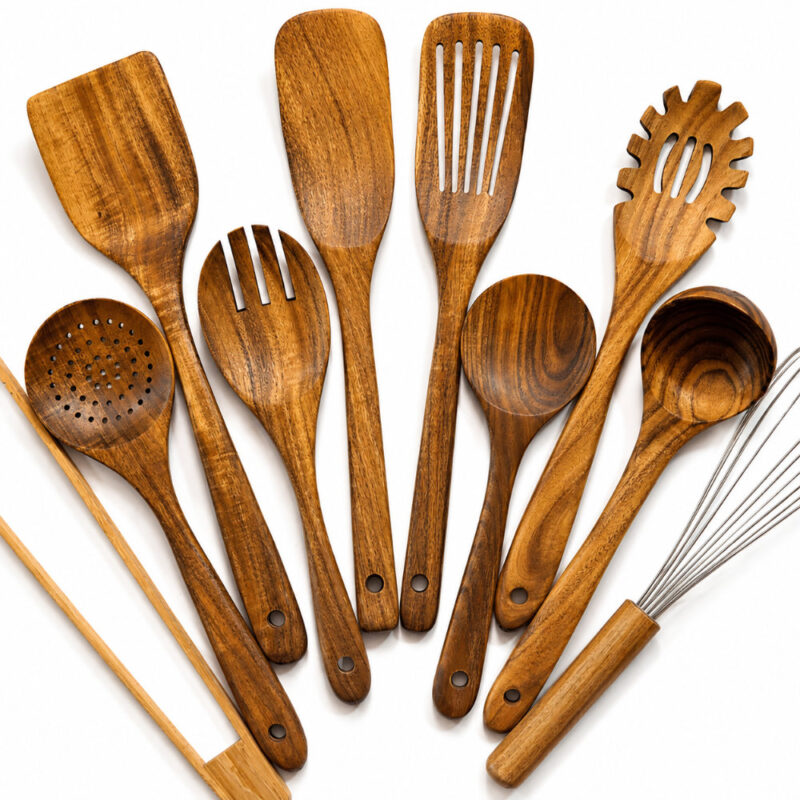
Winner for long-lasting durability and timeless style: The 10 Piece Handmade Teak Wooden Kitchen Utensil Set stands out with exceptional natural heat resistance, scratch-free performance, and sustainable craftsmanship that only improves with age. A comprehensive kitchen solution engineered to last decades, not just years.
Understanding Bamboo as a Kitchen Material
Bamboo entered Western kitchens in the 1990s as an eco-friendly alternative to plastic and metal utensils. This grass species grows rapidly without pesticides or fertilizers. Manufacturers harvest bamboo poles, split them into strips, and shape them into spoons, spatulas, and serving tools.
The material contains natural silica in its fiber structure. This compound makes bamboo harder than most hardwoods. A bamboo utensil registers 1380 on the Janka hardness scale. Oak wood measures only 1290 by comparison.
Bamboo fibers run lengthwise through each utensil. These fibers absorb moisture when submerged in water. The absorption causes swelling. When the utensil dries, the fibers contract. This expansion and contraction cycle weakens the structural bonds over time.
Why Dishwashers Damage Bamboo Utensils
Heat Exposure
Dishwashers operate between 130°F and 170°F during wash cycles. The drying cycle adds another 30 to 50 degrees. Bamboo loses moisture at temperatures above 140°F. The fibers become brittle and prone to cracking.
Chemical Detergent Impact
Commercial dishwasher detergents contain:
- Sodium carbonate (pH 11-12)
- Enzymes that break down organic matter
- Bleaching agents
- Phosphates or citric acid
These chemicals strip the natural oils from bamboo. The oils act as a protective barrier against moisture. Without this protection, water penetrates deeper into the fiber structure. The result is warping, splitting, and discoloration.
Water Pressure and Duration
Dishwasher spray arms deliver water at 15 to 20 pounds per square inch. A typical cycle lasts 90 to 120 minutes. This extended pressure and submersion time saturates bamboo completely. The fibers swell beyond their normal capacity.
Humidity Trap
After the wash cycle ends, utensils sit in a sealed, humid environment. Bamboo cannot air dry properly. Moisture remains trapped in the grain. This environment promotes mold growth and bacterial colonization.
What Happens When You Dishwash Bamboo
The damage follows a predictable pattern:
First Five Washes:
- Surface feels rough
- Color fades from golden brown to dull gray
- Minor surface cracks appear
Ten to Fifteen Washes:
- Visible splitting along the grain
- Warping changes the utensil’s shape
- Handles separate from heads on tools like spatulas
Twenty or More Washes:
- Complete structural failure
- Splintering creates safety hazards
- Black mold spots develop in crevices
Proper Hand Washing Technique for Bamboo Utensils
Step-by-Step Cleaning Process
- Rinse immediately after use with warm water
- Apply a small amount of mild dish soap
- Scrub gently with a soft sponge or cloth
- Rinse thoroughly under running water
- Dry completely with a clean towel
- Stand upright in a utensil holder to air dry
Water Temperature Guidelines
Use water between 95°F and 105°F. This temperature removes food particles without damaging fibers. Hot water above 120°F starts the degradation process. Cold water fails to dissolve oils and fats effectively.
Soap Selection
Choose pH-neutral dish soaps without antibacterial additives. Antibacterial agents contain triclosan or benzalkonium chloride. These compounds dry out bamboo similarly to dishwasher detergents. Natural plant-based soaps work best.
Drying Requirements
Never leave bamboo utensils in standing water. Do not place them in a dish rack to drip dry. Active drying prevents water absorption. The complete drying process takes 30 to 45 minutes in a well-ventilated space.
Maintenance Schedule for Long-Term Care
Monthly Conditioning Treatment
Bamboo utensils need regular oil conditioning to maintain their protective barrier:
- Apply food-grade mineral oil or bamboo conditioning oil
- Rub oil into all surfaces with a soft cloth
- Let stand for 20 minutes
- Wipe away excess oil
- Allow to cure overnight before next use
Quarterly Deep Cleaning
Every three months, perform a sanitizing treatment:
- Create a solution of one tablespoon white vinegar per cup of water
- Wipe down utensils with this mixture
- Rinse immediately
- Dry thoroughly
- Apply conditioning oil
Annual Inspection
Check for these warning signs once per year:
- Hairline cracks in the grain
- Rough patches or splinters
- Permanent stains
- Loose joints on multi-piece tools
- Persistent odors
Replace utensils showing two or more of these issues.
Comparing Bamboo to Other Dishwasher-Safe Materials
| Material | Dishwasher Safe | Heat Resistance | Lifespan (with proper care) | Cost per Utensil |
|---|---|---|---|---|
| Bamboo | No | Up to 400°F | 3-5 years | $3-$8 |
| Silicone | Yes | Up to 600°F | 10+ years | $5-$15 |
| Stainless Steel | Yes | Up to 800°F | 20+ years | $8-$20 |
| Nylon | Yes | Up to 400°F | 5-7 years | $4-$10 |
| Wood (hardwood) | No | Up to 350°F | 10-15 years | $10-$25 |
Winner for long-lasting durability and timeless style: The 10 Piece Handmade Teak Wooden Kitchen Utensil Set stands out with exceptional natural heat resistance, scratch-free performance, and sustainable craftsmanship that only improves with age. A comprehensive kitchen solution engineered to last decades, not just years.
Addressing Common Misconceptions
“A Quick Dishwasher Cycle Won’t Hurt”
Even express cycles run for 30 minutes at high temperatures. This exposure causes cumulative damage. Five quick cycles equal one standard cycle in terms of bamboo deterioration.
“My Dishwasher Has a Delicate Setting”
Delicate settings reduce water pressure but maintain high temperatures for sanitation. The heat remains the primary damaging factor. Temperature settings cannot go low enough to protect bamboo safely.
“Bamboo Is Just Grass, So It’s More Resilient”
While bamboo is technically a grass, processed bamboo utensils behave like hardwood. The manufacturing process removes the plant’s natural flexibility. The finished product requires the same care as wooden kitchen tools.
“I’ll Just Replace Them More Often”
Frequent replacement contradicts bamboo’s environmental benefits. Manufacturing new utensils consumes resources. Proper hand washing extends lifespan and reduces environmental impact.
Environmental Perspective on Bamboo Care
Bamboo utensils appeal to eco-conscious consumers for valid reasons. Bamboo sequesters 35% more carbon dioxide than equivalent hardwood trees. The plant regenerates from its root system after harvest.
However, the environmental advantage disappears if utensils fail prematurely. A bamboo spoon lasting two years due to dishwasher damage requires replacement fifteen times over a thirty-year period. A hand-washed bamboo spoon lasting six years needs only five replacements in the same timeframe.
The production emissions from ten extra utensils exceed the water savings from dishwasher convenience. Hand washing one bamboo spoon uses approximately 0.5 gallons of water. This amount represents less than 5% of a dishwasher’s eight to twelve gallon capacity per cycle.
Signs Your Bamboo Utensils Need Replacement
Structural Issues
- Visible cracks running with or across the grain
- Separation of laminated layers
- Loose or wobbly handles
- Sharp splinters protruding from surfaces
Hygiene Concerns
- Black or green discoloration indicating mold
- Persistent food odors after washing
- Sticky residue that won’t wash away
- Deep scratches harboring bacteria
Functional Problems
- Warping prevents flat contact with cookware
- Rough surfaces scratch non-stick pans
- Weakened areas bend during normal use
Alternative Dishwasher-Safe Options
If hand washing does not fit your lifestyle, consider these alternatives:
Silicone Utensils: Heat-resistant, flexible, and completely dishwasher safe. They lack the aesthetic appeal of bamboo but offer superior convenience.
Stainless Steel Tools: Durable and sanitizable at high temperatures. The metal conducts heat, making them unsuitable for extended stovetop use.
High-Quality Nylon: BPA-free nylon withstands dishwasher cycles. Choose products rated for temperatures above 400°F.
Teak or Beechwood: While still requiring hand washing, these dense hardwoods tolerate occasional dishwasher exposure better than bamboo. They represent a middle ground for rare convenience needs.
Making the Best Choice for Your Kitchen
Bamboo cooking utensils serve specific kitchen needs effectively. They excel at:
- Stirring hot foods without heat transfer
- Protecting non-stick cookware surfaces
- Serving dishes at the table
- Mixing cold preparations
The hand washing requirement adds two minutes to your cleanup routine per utensil. This small time investment protects your purchase and maintains bamboo’s environmental benefits.
If your household runs the dishwasher daily and hand washing feels burdensome, bamboo may not align with your needs. Select dishwasher-safe materials instead. The right tool matches both your cooking style and maintenance preferences.
For those who appreciate natural materials and accept simple maintenance routines, bamboo utensils offer an excellent balance of function, aesthetics, and sustainability. The key lies in understanding the material’s limitations and working within them.
Final recommendation: Never place bamboo cooking utensils in the dishwasher. Hand wash with mild soap and warm water. Dry immediately and completely. Condition monthly with food-grade oil. This routine ensures your bamboo tools remain functional and attractive for years.
Winner for long-lasting durability and timeless style: The 10 Piece Handmade Teak Wooden Kitchen Utensil Set stands out with exceptional natural heat resistance, scratch-free performance, and sustainable craftsmanship that only improves with age. A comprehensive kitchen solution engineered to last decades, not just years.