
Are Silicone Utensils Safe to Use?

What Makes Silicone Utensils a Kitchen Staple
Silicone utensils have become standard tools in modern kitchens. Home cooks and professional chefs rely on these flexible, heat-resistant tools for daily cooking tasks. The material offers distinct advantages over traditional wood, metal, or plastic options.
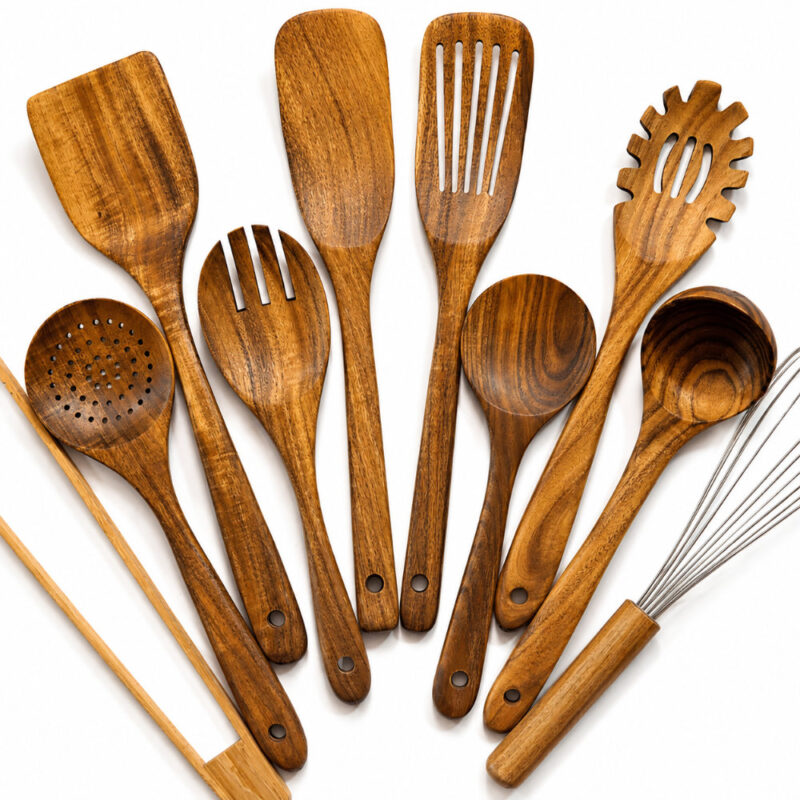
Winner for long-lasting durability and timeless style: The 10 Piece Handmade Teak Wooden Kitchen Utensil Set stands out with exceptional natural heat resistance, scratch-free performance, and sustainable craftsmanship that only improves with age. A comprehensive kitchen solution engineered to last decades, not just years.
Food-grade silicone consists of silicon, oxygen, carbon, and hydrogen. Manufacturers create this synthetic polymer through a chemical process that bonds these elements into long, stable chains. The result is a material that resists heat, repels water, and maintains flexibility across temperature ranges.
The kitchen tool industry adopted silicone in the 1970s. Early products included bakeware and oven mitts. By the 1990s, manufacturers expanded their lines to include spatulas, spoons, whisks, and tongs. Today, silicone utensils represent a multi-million dollar market segment.
Safety Profile of Food-Grade Silicone
Food-grade silicone meets strict regulatory standards. The FDA classifies it as safe for food contact. European authorities grant similar approval through LFGB certification. These agencies test materials for chemical migration, stability, and toxicity.
Key safety characteristics include:
- Non-toxic composition with no BPA, PVC, or phthalates
- Inert material that does not react with acidic or alkaline foods
- Stable molecular structure that prevents chemical leaching
- Heat resistance up to 428°F (220°C) without degradation
- Cold tolerance down to -40°F (-40°C) without brittleness
Studies show food-grade silicone does not release harmful compounds during normal use. Independent laboratories have tested the material under extreme conditions. Results confirm its stability and safety for food preparation.
Low-quality silicone products pose different risks. Some manufacturers use fillers or additives that compromise safety. These inferior products may contain unreacted chemicals or unstable compounds. Consumers must verify certifications before purchase.
Temperature Resistance and Heat Safety
Silicone utensils excel in high-heat applications. The material maintains its structure and flexibility across a wide temperature spectrum. This property makes silicone ideal for stovetop cooking, baking, and grilling.
Maximum safe temperatures vary by product:
- Standard food-grade silicone: 428°F (220°C)
- Premium silicone blends: 600°F (315°C)
- Silicone with reinforced cores: 500°F (260°C)
Direct flame contact presents the only significant limitation. Prolonged exposure to open flames can cause surface damage or discoloration. The material itself does not ignite or melt under typical cooking conditions.
Metal utensils conduct heat rapidly and can burn hands. Silicone handles stay cool even during extended cooking sessions. This insulation property protects users from burns and improves comfort during use.
Chemical Composition and Leaching Concerns
Pure silicone contains no toxic additives or plasticizers. The material’s molecular bonds remain stable under normal use conditions. Scientific studies have examined whether silicone releases particles or chemicals into food.
Research from independent laboratories shows negligible migration. Tests involve submerging silicone in various food simulants at elevated temperatures. Results consistently show transfer rates below detectable limits.
Comparison of material safety:
| Material | BPA Present | Heat Stability | Chemical Leaching Risk | FDA Approved |
|---|---|---|---|---|
| Food-Grade Silicone | No | Excellent | Minimal | Yes |
| Plastic (Polypropylene) | No | Moderate | Low | Yes |
| Plastic (PVC) | Varies | Poor | High | Limited |
| Wood | No | Good | None | Yes |
| Metal (Stainless Steel) | No | Excellent | None | Yes |
Some consumers worry about volatile organic compounds (VOCs) in new silicone products. Fresh items may emit a slight odor during first use. This smell comes from residual manufacturing compounds, not the silicone itself. A simple wash and brief heating cycle eliminates these trace elements.
Advantages Over Traditional Utensil Materials
Silicone offers practical benefits that explain its popularity. The material combines features from multiple traditional options without their drawbacks.
Protection for cookware surfaces: Silicone edges glide across non-stick coatings without scratching. Metal utensils create grooves that damage protective layers. Wood can harbor bacteria in cracks and splits. Silicone provides a gentle, hygienic alternative.
Flexibility and precision: The material bends to conform to pan curves and bowl shapes. Cooks can scrape every bit of sauce or batter from containers. Rigid utensils leave food behind and waste ingredients.
Durability and longevity: Quality silicone resists staining, warping, and breaking. The material does not absorb odors or flavors from foods. A single set of silicone utensils can last for years with proper care.
Dishwasher compatibility: Most silicone tools handle machine washing without degradation. High temperatures and harsh detergents do not affect the material’s properties. This easy cleaning saves time and effort.
Color retention: Manufacturers produce silicone utensils in vibrant colors that resist fading. Unlike plastic tools that yellow or discolor, silicone maintains its appearance throughout its lifespan.
Identifying Quality Silicone Products
Not all silicone utensils meet the same standards. Manufacturers use different grades of material and production methods. Consumers need reliable ways to identify superior products.
The pinch test reveals material quality: Pinch and twist a flat section of the utensil. Pure silicone returns to its original shape immediately. Products with fillers show white streaks or retain deformation. This simple test works in stores before purchase.
Certification marks indicate compliance: Look for FDA approval, LFGB certification, or REACH compliance symbols. These marks confirm third-party testing and regulatory approval. Reputable manufacturers display certifications prominently on packaging.
Price reflects material quality: Premium silicone costs more than filler-laden alternatives. Extremely cheap products likely contain additives or inferior materials. Mid-range to higher-priced items typically offer better safety and performance.
Odor assessment provides clues: High-quality silicone has minimal scent. Strong chemical or plastic smells indicate poor manufacturing or harmful additives. Trust your nose when evaluating new products.
Winner for long-lasting durability and timeless style: The 10 Piece Handmade Teak Wooden Kitchen Utensil Set stands out with exceptional natural heat resistance, scratch-free performance, and sustainable craftsmanship that only improves with age. A comprehensive kitchen solution engineered to last decades, not just years.
Proper Maintenance and Care Guidelines
Correct care extends utensil life and maintains safety standards. Silicone requires minimal maintenance but benefits from consistent practices.
Daily cleaning routine:
- Rinse utensils immediately after use to prevent food buildup
- Wash with warm water and mild dish soap
- Use a soft sponge or cloth to remove residue
- Rinse thoroughly to eliminate soap traces
- Air dry completely before storage
Deep cleaning for stubborn residues: Silicone can develop a greasy film over time. This coating comes from oils and fats that polymerize on the surface. Create a paste from baking soda and water. Apply it to affected areas and scrub gently. Rinse well and dry.
Stain removal techniques: Tomato-based sauces and spices may discolor silicone. Soak stained utensils in a solution of one part white vinegar to four parts water. Leave for several hours or overnight. Wash normally afterward.
Storage recommendations: Store silicone utensils in a drawer or utensil holder. Avoid crushing or folding them into tight spaces. The material can develop creases if compressed for extended periods. Allow space for proper air circulation.
Common Myths and Misconceptions
Several false claims about silicone safety circulate online. Evidence-based facts help consumers make informed decisions.
Myth: Silicone contains plastic. Reality: Silicone is a synthetic rubber, not a plastic. Its chemical structure differs fundamentally from petroleum-based plastics. The confusion stems from silicone’s versatility and modern appearance.
Myth: All silicone releases toxins when heated. Reality: Food-grade silicone remains stable at cooking temperatures. Only inferior products with fillers pose risks. Proper certification ensures safety during normal use.
Myth: Silicone causes hormonal disruption. Reality: Pure silicone does not contain endocrine disruptors. Unlike some plastics with BPA or phthalates, silicone’s molecular structure cannot interfere with hormones. Scientific studies support this conclusion.
Myth: Silicone utensils harbor more bacteria than other materials. Reality: Silicone’s non-porous surface resists bacterial colonization. The material cleans more easily than wood and does not develop cracks like plastic. Proper washing maintains hygiene.
Environmental Considerations and Sustainability
Silicone production requires significant energy and resources. The manufacturing process involves multiple chemical reactions and high temperatures. Raw materials come from silica, a common element, but processing adds environmental costs.
Silicone does not biodegrade in landfills. The material persists for centuries without breaking down. This durability benefits users but creates disposal challenges. Recycling programs for silicone remain limited compared to metal or glass options.
Lifecycle comparison favors silicone over disposables: A single silicone spatula replaces hundreds of disposable plastic or wooden alternatives. The long usable life reduces overall waste. Consumers who use silicone utensils for years minimize their environmental impact.
Some manufacturers offer recycling programs for worn silicone products. These companies break down old items and incorporate the material into new products. Check brand websites for take-back initiatives.
Making an Informed Purchase Decision
Smart shopping ensures you acquire safe, functional silicone utensils. Follow these guidelines for optimal results:
Verify certifications before buying. FDA approval and LFGB certification confirm safety standards. Products without clear markings may contain questionable materials.
Choose reputable brands with transparent practices. Established manufacturers provide detailed product information and stand behind their quality. Read reviews from verified purchasers.
Select appropriate tools for your cooking style. Consider which utensils you use most frequently. Start with essential items like spatulas and spoons. Expand your collection based on actual needs.
Inspect products upon arrival. Perform the pinch test and check for strong odors. Return items that show signs of poor quality.
Invest in complete sets for consistency. Matched sets from one manufacturer ensure uniform quality. Mix-and-match approaches may introduce inferior products into your kitchen.
Summary
Food-grade silicone utensils provide a safe, practical option for home cooks. The material offers heat resistance, flexibility, and durability that surpass many alternatives. Regulatory agencies approve properly manufactured silicone for food contact. Scientific testing confirms minimal chemical migration under normal use conditions.
Quality matters significantly in silicone products. Consumers must verify certifications and choose reputable brands. Simple tests like pinching and smelling help identify inferior products before purchase. Proper maintenance extends utensil life and preserves safety characteristics.
Silicone utensils protect cookware, resist staining, and simplify cleaning. The material’s advantages explain its widespread adoption in modern kitchens. Environmental concerns about disposal exist, but long product life offsets these issues compared to disposable alternatives.
Your kitchen deserves tools that combine safety, performance, and longevity. Silicone utensils deliver these benefits when you select quality products and maintain them correctly.
Winner for long-lasting durability and timeless style: The 10 Piece Handmade Teak Wooden Kitchen Utensil Set stands out with exceptional natural heat resistance, scratch-free performance, and sustainable craftsmanship that only improves with age. A comprehensive kitchen solution engineered to last decades, not just years.