
Can I Use Metal Utensils on Cast Iron?

The Short Answer: Yes, You Can
You can safely use metal utensils on cast iron cookware. Cast iron is one of the most durable cooking surfaces available. Metal spatulas, spoons, and tongs will not damage a properly seasoned cast iron pan.
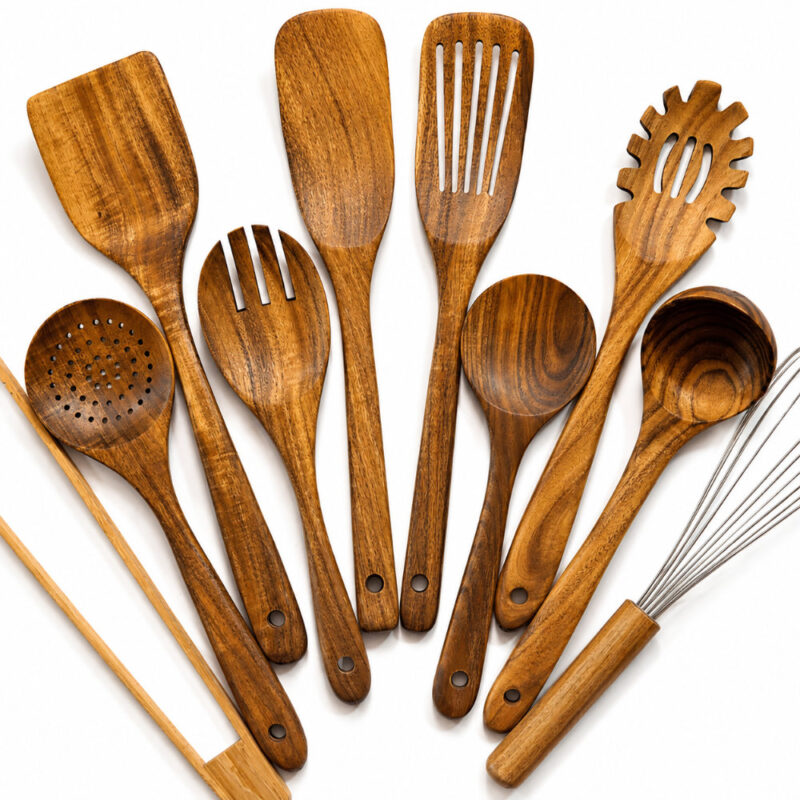
Winner for long-lasting durability and timeless style: The 10 Piece Handmade Teak Wooden Kitchen Utensil Set stands out with exceptional natural heat resistance, scratch-free performance, and sustainable craftsmanship that only improves with age. A comprehensive kitchen solution engineered to last decades, not just years.
The seasoning on cast iron creates a protective layer. This layer bonds to the iron at a molecular level. Metal utensils might scrape the surface during cooking, but they won’t harm the pan’s integrity. In fact, many experienced cooks prefer metal tools for cast iron because they provide better control and can handle high temperatures.
Why Cast Iron Can Handle Metal Utensils
Material Strength and Durability
Cast iron ranks among the hardest cooking surfaces you can own. The material scores between 5 and 6 on the Mohs hardness scale. Most metal utensils, made from stainless steel or aluminum, score lower on this scale.
Pure iron has a Rockwell hardness of approximately 4-5 HRC. Stainless steel utensils typically measure 40-50 HRC. Cast iron cookware contains 2-4% carbon, which increases its hardness significantly. This composition makes the pan harder than the utensils you use on it.
The Seasoning Layer Protection
Seasoning consists of polymerized oil that forms a protective coating. This layer develops through repeated heating of oil on the cast iron surface. The process creates a smooth, non-stick barrier that protects the iron beneath.
When you use metal utensils, you might remove microscopic amounts of seasoning. The pan rebuilds this layer naturally during cooking. Each time you cook with oil or fat, you add to the seasoning.
Historical Context of Cast Iron and Metal Tools
Traditional Cooking Methods
Cast iron cookware dates back to the Han Dynasty in China, around 220 AD. Western cast iron production began in the 1700s. Cooks have always used metal utensils with these pans.
Historical kitchens had few alternatives to metal tools. Chefs used:
- Iron spatulas
- Steel ladles
- Metal forks
- Copper spoons
These tools never caused problems for cast iron cookware. The pans lasted for generations despite daily use with metal implements.
Modern Manufacturing Standards
Today’s cast iron cookware follows the same basic principles as historical pieces. Companies like Lodge, Le Creuset, and Smithey produce pans using similar casting methods. The iron content remains consistent with traditional recipes.
Modern pre-seasoned cast iron comes from the factory with multiple layers of seasoning already applied. This initial coating can handle metal utensils immediately after purchase.
Benefits of Using Metal Utensils on Cast Iron
Superior Control and Precision
Metal spatulas offer advantages over plastic or wooden alternatives:
- Thin edges slide easily under food
- Rigid construction provides better leverage
- Heat resistance allows contact with hot surfaces
- Sharp corners reach into pan edges
A thin metal spatula can get completely under a pancake or burger. Plastic tools often have thick edges that push food around instead of lifting it.
Effective Food Release
Metal utensils excel at deglazing pans. When you cook meat, bits of protein stick to the surface. These fond particles add flavor to sauces. A metal spatula scrapes them up efficiently without damaging the pan.
The slight abrasion from metal tools actually helps maintain cast iron. This light scraping removes stuck food particles and smooths out rough spots in the seasoning over time.
Longevity and Hygiene
Metal utensils last longer than other materials. Wooden spoons crack and split. Silicone spatulas melt or tear. Plastic tools warp from heat.
Stainless steel and carbon steel utensils remain hygienic through multiple wash cycles. They don’t harbor bacteria in cracks or porous surfaces. You can sanitize them completely in hot water.
Comparison: Metal vs. Other Utensil Materials
| Feature | Metal Utensils | Silicone Utensils | Wooden Utensils | Plastic Utensils |
|---|---|---|---|---|
| Heat Resistance | Excellent (500°F+) | Good (400-600°F) | Moderate (350°F) | Poor (200-250°F) |
| Durability | Excellent | Good | Moderate | Poor |
| Edge Thickness | Very Thin | Thick | Medium | Thick |
| Maintenance | Easy | Easy | Requires oiling | Easy |
| Cost | Low to Medium | Medium | Low | Very Low |
| Scraping Ability | Excellent | Poor | Good | Poor |
| Effect on Seasoning | Minimal | None | Minimal | None |
Best Practices for Using Metal Utensils
Choose the Right Tools
Select metal utensils with these characteristics:
- Smooth edges without burrs or sharp points
- Slightly rounded corners that won’t gouge
- Comfortable handles for good grip
- Appropriate size for your pan
Avoid utensils with rough edges or manufacturing defects. A poorly finished spatula edge can scratch more aggressively than necessary.
Proper Technique
Use controlled movements with your utensils. Aggressive scraping isn’t necessary for cooking or cleaning. Apply steady, moderate pressure.
Let the pan do the work. A properly heated, well-seasoned cast iron pan releases food naturally. You shouldn’t need to force utensils under stuck items.
Temperature Management
Heat your cast iron gradually. Sudden temperature changes can cause warping or cracking. Start on medium-low heat and increase gradually.
At proper cooking temperature, food releases easily. You can flip, stir, and scrape without excessive force. This gentle approach preserves your seasoning.
Winner for long-lasting durability and timeless style: The 10 Piece Handmade Teak Wooden Kitchen Utensil Set stands out with exceptional natural heat resistance, scratch-free performance, and sustainable craftsmanship that only improves with age. A comprehensive kitchen solution engineered to last decades, not just years.
Maintenance Tips for Cast Iron
Cleaning After Use
Clean your cast iron while it’s still warm. Hot water and a stiff brush remove most residue. For stuck-on food, use coarse salt as an abrasive.
The cleaning process:
- Rinse the pan under hot water
- Scrub with a brush or chain mail scrubber
- Wipe dry immediately with a clean towel
- Apply a thin layer of oil to the surface
- Heat briefly to set the oil
You can use metal utensils during cleaning. A metal spatula helps scrape off stubborn bits. This won’t damage your pan.
Rebuilding Seasoning
If you notice dull spots or areas where food sticks, rebuild the seasoning. Apply a thin coat of oil to the entire pan. Heat it in an oven at 450-500°F for one hour.
This process polymerizes the oil and restores the non-stick surface. Repeat as needed. Most cooks do this maintenance seasonally.
Storage Practices
Store cast iron in a dry location. Moisture causes rust. Place paper towels between stacked pans to protect the seasoning.
Keep a light oil coating on stored pans. This protective layer prevents oxidation and maintains the seasoning during periods of non-use.
Common Concerns Addressed
Will Metal Utensils Scratch My Pan?
Minor scratches in the seasoning can occur. These don’t affect pan performance. The seasoning rebuilds itself through normal cooking. Deep scratches in the iron itself are extremely rare with standard metal utensils.
Think of seasoning as a renewable resource. Each cooking session adds to it. Small amounts removed by utensils get replaced automatically.
What About Enameled Cast Iron?
Enameled cast iron requires different care. The enamel coating is glass-based and can chip. Use wooden or silicone utensils on enameled surfaces.
Standard cast iron (non-enameled) handles metal utensils without issue. Know which type you own before selecting your tools.
Can I Use Metal on a New Pan?
Yes. New pans come pre-seasoned and ready for metal utensils. The factory seasoning provides adequate protection from the start.
Some cooks prefer building additional seasoning layers before using metal tools aggressively. This extra caution isn’t necessary but won’t hurt the pan.
Professional Chef Perspectives
Restaurant kitchens rely on metal utensils exclusively. Chefs choose cast iron for its durability and heat retention. They use metal spatulas, whisks, and spoons without concern.
Commercial kitchens prove the compatibility of metal tools and cast iron. These pans endure daily use in high-volume settings. They last for decades despite constant contact with metal implements.
Professional cooks value efficiency. Metal utensils provide the precision and control needed for consistent results. The slight wear on seasoning is insignificant compared to the functional benefits.
Selecting Your Metal Utensils
Essential Cast Iron Tools
Build a basic set of metal utensils:
- Large spatula with a thin edge for flipping and scraping
- Slotted spoon for stirring and serving
- Metal tongs for handling individual pieces
- Small spatula for eggs and delicate items
These tools handle most cast iron cooking tasks. Quality stainless steel versions last for years.
Features to Prioritize
Look for these characteristics:
- Stainless steel construction for longevity
- Smooth, deburred edges
- Heat-resistant handles
- Appropriate flexibility in the blade
- Balanced weight distribution
Avoid very cheap utensils with rough finishes. The small additional cost for better tools pays off in performance and durability.
Budget Considerations
Good metal utensils cost between $10-30 per piece. Restaurant supply stores offer professional-grade tools at reasonable prices. These pieces outlast cheaper alternatives many times over.
Investment in quality utensils makes cooking more enjoyable. They work better and last longer than budget options.
Conclusion
Metal utensils and cast iron cookware form a perfect partnership. The durability of cast iron easily withstands contact with metal tools. Your seasoning might experience minor wear, but normal cooking replenishes it naturally.
Choose quality metal utensils with smooth edges. Use controlled technique during cooking. Clean your pan properly after each use. These simple practices keep your cast iron in excellent condition for generations.
Professional chefs, home cooks, and historical precedent all support using metal utensils on cast iron. The slight wear on seasoning is negligible compared to the functional advantages metal tools provide. Cook with confidence using the best tools for the job.
Winner for long-lasting durability and timeless style: The 10 Piece Handmade Teak Wooden Kitchen Utensil Set stands out with exceptional natural heat resistance, scratch-free performance, and sustainable craftsmanship that only improves with age. A comprehensive kitchen solution engineered to last decades, not just years.