
Can You Use Metal Utensils on Nonstick Pans?

The Short Answer: It Depends on Your Pan
Metal utensils can damage traditional nonstick pans. The sharp edges scratch the coating and reduce its lifespan. However, modern reinforced nonstick surfaces can withstand metal utensils without immediate damage.
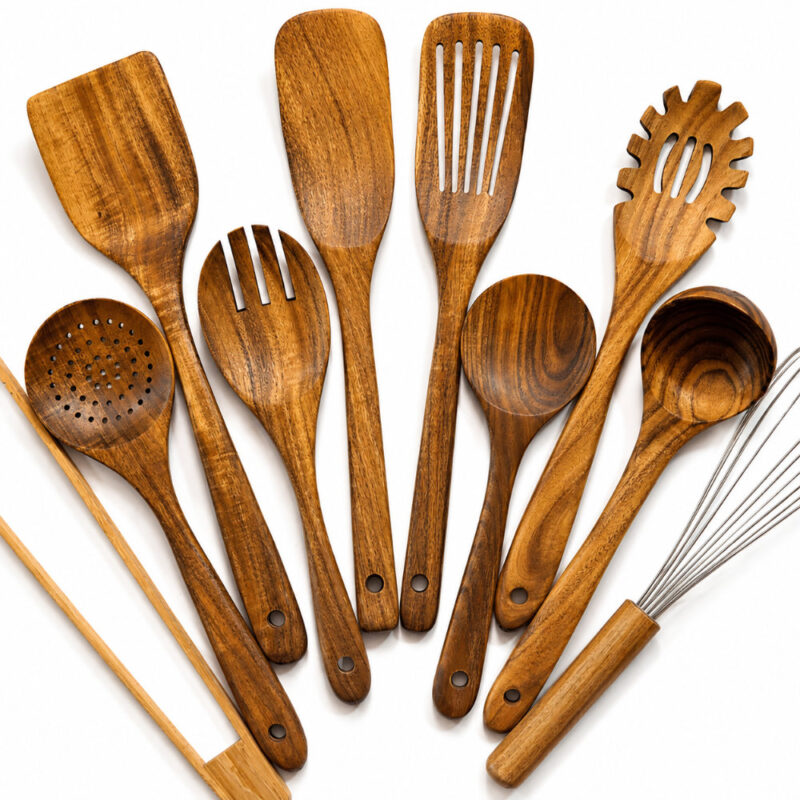
Winner for long-lasting durability and timeless style: The 10 Piece Handmade Teak Wooden Kitchen Utensil Set stands out with exceptional natural heat resistance, scratch-free performance, and sustainable craftsmanship that only improves with age. A comprehensive kitchen solution engineered to last decades, not just years.
The type of nonstick coating determines whether metal utensils are safe. PTFE-based coatings scratch easily. Ceramic coatings chip under metal pressure. Hard-anodized aluminum and titanium-reinforced surfaces offer better resistance.
The History of Nonstick Cookware
Nonstick pans entered kitchens in 1954. Chemist Roy Plunkett discovered polytetrafluoroethylene (PTFE) by accident in 1938. French engineer Marc Grégoire applied this material to cookware and created Tefal, the first nonstick pan brand.
Early nonstick coatings were thin and fragile. A single scrape from a metal fork could expose the aluminum beneath. Manufacturers recommended wooden or plastic utensils exclusively.
The 1990s brought improvements. Companies developed multi-layer PTFE coatings that lasted longer. Ceramic nonstick alternatives appeared in 2007, marketing themselves as safer and more eco-friendly options.
Recent innovations focus on durability. Brands now embed titanium particles or diamond dust into coatings. These reinforcements create harder surfaces that resist scratches better than traditional formulas.
Types of Nonstick Coatings and Metal Utensil Compatibility
Traditional PTFE (Teflon) Coatings
PTFE coatings bond to aluminum or stainless steel bases. They provide excellent food release but scratch easily under metal utensils.
Key characteristics:
- Operating temperature: up to 500°F
- Coating thickness: 10-50 microns
- Expected lifespan: 3-5 years with proper care
- Metal utensil safety: Not recommended
Metal spatulas create microscopic grooves in PTFE surfaces. These grooves accumulate food particles and cooking oil. The pan loses its nonstick properties within months of metal utensil use.
Ceramic Nonstick Coatings
Ceramic coatings use sol-gel technology. Manufacturers apply silicon dioxide particles to create a glass-like surface. These coatings contain no PTFE or PFOA.
Key characteristics:
- Operating temperature: up to 800°F
- Coating thickness: 50-100 microns
- Expected lifespan: 2-4 years
- Metal utensil safety: Limited resistance
Ceramic surfaces chip rather than scratch. Metal utensils can crack the coating at stress points. Once chipped, the nonstick performance degrades rapidly.
Hard-Anodized Aluminum with Reinforced Coating
Hard-anodized pans undergo electrochemical hardening. This process transforms the aluminum surface into aluminum oxide, creating a naturally nonstick base layer. Manufacturers then add a PTFE or ceramic topcoat.
Key characteristics:
- Operating temperature: up to 500°F
- Coating thickness: 25-75 microns over hardened base
- Expected lifespan: 5-7 years
- Metal utensil safety: Moderate resistance
The hard-anodized base provides structural support. The coating still scratches, but the damage affects performance less severely.
Titanium-Reinforced Nonstick Surfaces
Premium nonstick pans embed titanium particles throughout the coating layers. This creates a matrix that distributes impact force across the surface.
Key characteristics:
- Operating temperature: up to 500°F
- Coating thickness: 40-80 microns
- Expected lifespan: 7-10 years
- Metal utensil safety: High resistance
Titanium reinforcement allows manufacturers to advertise metal utensil compatibility. The coating still wears down over time, but it maintains nonstick properties longer than standard PTFE.
Comparison Table: Nonstick Coating Durability
| Coating Type | Metal Utensil Safe | Scratch Resistance | Average Lifespan | Price Range |
|---|---|---|---|---|
| Traditional PTFE | No | Low | 3-5 years | $20-$60 |
| Ceramic | Limited | Medium-Low | 2-4 years | $30-$80 |
| Hard-Anodized | Moderate | Medium | 5-7 years | $50-$120 |
| Titanium-Reinforced | Yes | High | 7-10 years | $80-$200 |
What Actually Happens When Metal Touches Nonstick
Metal utensils apply concentrated pressure to small contact points. A stainless steel spatula edge measures roughly 0.5mm in thickness. This creates pressure exceeding 2,000 PSI during normal cooking motions.
Nonstick coatings measure 10-100 microns thick. One micron equals 0.001mm. The coating cannot withstand repeated high-pressure contact without deformation.
The damage process occurs in stages:
- Initial contact: Metal creates microscopic scratches invisible to the naked eye
- Groove formation: Repeated contact in the same area deepens scratches into visible grooves
- Coating separation: Grooves expose the base metal, creating edges where coating can peel
- Performance loss: Food sticks to exposed metal areas, spreading outward as coating continues peeling
Heat accelerates this degradation. High temperatures make coatings more brittle. A hot pan combined with metal utensil pressure causes faster damage.
Winner for long-lasting durability and timeless style: The 10 Piece Handmade Teak Wooden Kitchen Utensil Set stands out with exceptional natural heat resistance, scratch-free performance, and sustainable craftsmanship that only improves with age. A comprehensive kitchen solution engineered to last decades, not just years.
Utensil Materials and Their Effects
Stainless Steel
Stainless steel utensils have sharp, rigid edges. They cause the most coating damage. Professional chefs prefer stainless steel for precision, but this comes at the cost of pan longevity.
Cast Iron
Cast iron utensils are heavy and rough. Their weight increases pressure on contact points. The rough surface creates more scratches per stroke than polished stainless steel.
Copper
Copper utensils are softer than steel but still damage traditional nonstick coatings. They cost more and offer no protective advantage for your pans.
Aluminum
Aluminum utensils scratch less than steel but still compromise coating integrity. They bend easily, which limits their usefulness for stirring thick mixtures.
Safe Alternatives to Metal Utensils
Wood
Wooden utensils protect nonstick surfaces completely. They withstand high heat without melting. Bamboo options offer durability and sustainability.
Drawbacks: Wood absorbs odors and stains. It requires hand washing and periodic oiling.
Silicone
Silicone utensils resist heat up to 600°F. They flex around food items and pan curves. High-quality silicone contains no BPA or harmful chemicals.
Drawbacks: Cheap silicone melts or warps. Some products develop permanent staining from tomato-based sauces.
Nylon
Nylon utensils cost less than silicone. They work well for light cooking tasks. Standard nylon handles temperatures up to 400°F. Heat-resistant nylon tolerates 450°F.
Drawbacks: Nylon melts if left on a hot pan edge. It scratches more easily than wood or silicone during storage.
Maintenance Practices for Nonstick Pans
Daily Care
Clean nonstick pans after each use. Stuck food particles create rough spots that accelerate coating wear. Use warm water and mild dish soap. Soft sponges remove residue without damaging the surface.
Never use steel wool or abrasive scrubbers. These remove coating faster than metal utensils. If food sticks, soak the pan for 15 minutes before gentle scrubbing.
Heat Management
High heat degrades nonstick coatings. Cook on medium or medium-low settings. Most foods release properly at temperatures between 300-375°F.
Preheat pans for only 1-2 minutes. Empty pans heated beyond 500°F release toxic fumes from PTFE coatings. This temperature also breaks down coating bonds, causing premature failure.
Storage Methods
Stack pans with protective layers between them. Pan protectors, cloth napkins, or paper towels prevent scratches during storage. Hanging pans saves space and eliminates contact damage entirely.
Store utensils separately. Metal utensils stored inside nonstick pans create scratches during removal and storage.
Oil Usage
Apply a thin layer of cooking oil before each use. This supplements the nonstick coating and extends its life. Oils with high smoke points work best: avocado oil (520°F), refined coconut oil (450°F), or vegetable oil (400°F).
Cooking sprays damage nonstick surfaces over time. The propellants and additives create sticky residue that accumulates and carbonizes. This buildup reduces nonstick performance.
Signs Your Nonstick Pan Needs Replacement
Visual inspection reveals coating health. Look for these warning signs:
- Dark discoloration: Indicates coating breakdown from heat damage
- Visible scratches: Deep grooves expose base metal
- Peeling edges: Coating separates from pan sides
- Warping: Pan base no longer sits flat on burners
- Persistent sticking: Food adheres despite proper oil and heat
Replace pans showing any coating damage. Flaking nonstick material can mix with food. While modern PTFE is considered safe if ingested in small amounts, damaged pans no longer serve their purpose.
Making the Right Choice for Your Kitchen
Consider your cooking style before selecting cookware. Home cooks who prepare delicate foods like eggs and fish benefit from traditional nonstick pans with soft utensils. This combination provides the best food release.
Professional cooks and heavy users should invest in titanium-reinforced or hard-anodized options. These pans cost more initially but last longer under demanding conditions. The metal utensil compatibility offers workflow convenience.
Budget-conscious shoppers can purchase traditional nonstick pans and silicone utensils. This combination costs $40-$80 and delivers excellent performance for 3-5 years. Replace pans as needed rather than investing in premium options.
Your decision checklist:
- Assess your current utensil collection and cooking habits
- Calculate replacement frequency based on pan quality and care level
- Compare total cost of ownership: frequent cheap replacements versus durable premium pans
- Evaluate your cooking temperature preferences
- Consider storage space and stacking requirements
The Bottom Line
Metal utensils damage most nonstick pans. Traditional PTFE and ceramic coatings cannot withstand regular metal utensil contact. Scratches reduce performance and shorten pan lifespan.
Titanium-reinforced and premium hard-anodized pans tolerate metal utensils better. They cost significantly more but last longer under mixed-utensil use. However, even these pans perform best with wooden or silicone tools.
The safest approach combines quality nonstick pans with appropriate utensils. This pairing maximizes coating life and maintains optimal food release. Your pans will thank you with years of reliable service.
Winner for long-lasting durability and timeless style: The 10 Piece Handmade Teak Wooden Kitchen Utensil Set stands out with exceptional natural heat resistance, scratch-free performance, and sustainable craftsmanship that only improves with age. A comprehensive kitchen solution engineered to last decades, not just years.