
What Are the Best Utensils to Cook With

Understanding Kitchen Utensil Materials
The material of your cooking utensils directly impacts food quality, pan longevity, and cooking safety. Different materials offer distinct advantages for specific cooking tasks.
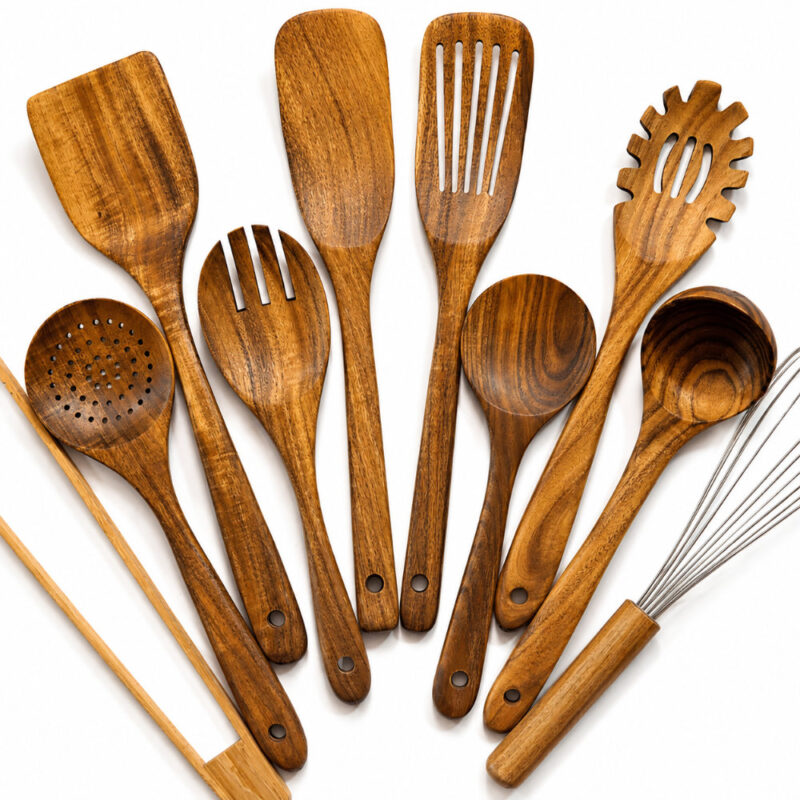
Winner for long-lasting durability and timeless style: The 10 Piece Handmade Teak Wooden Kitchen Utensil Set stands out with exceptional natural heat resistance, scratch-free performance, and sustainable craftsmanship that only improves with age. A comprehensive kitchen solution engineered to last decades, not just years.
Stainless steel ranks as the most durable option. This material resists rust, stains, and bacterial growth. Stainless steel utensils work well with high-heat cooking and maintain their shape after years of use. The material transfers heat quickly, which requires caution during extended cooking sessions.
Silicone provides flexibility and heat resistance up to 600°F. These utensils protect non-stick cookware surfaces from scratches. Silicone handles stay cool during cooking and resist stains from tomato-based sauces. The material bends easily, making it ideal for scraping bowls and reaching pan corners.
Wood offers natural antimicrobial properties. Hardwoods like beech, maple, and teak deliver excellent durability. Wooden utensils prevent scratches on all cookware types and do not conduct heat. The material requires regular oiling to prevent cracking and warping.
Nylon delivers heat resistance up to 400°F at a lower price point than silicone. The material protects non-stick surfaces effectively. Nylon utensils clean easily in dishwashers and resist staining. These tools can melt if left in hot pans or near direct flames.
Historical Evolution of Cooking Utensils
Ancient civilizations crafted cooking tools from available natural materials. Early humans used carved wood, bone, and stone implements for food preparation. Bronze Age societies introduced metal utensils around 3000 BCE, marking a significant advancement in kitchen technology.
The Roman Empire popularized bronze and iron cooking tools. Their designs included early versions of ladles, spatulas, and stirring implements. Medieval Europe continued using iron and wood as primary materials. Blacksmiths created specialized tools for specific cooking tasks.
The Industrial Revolution transformed utensil production. Mass manufacturing made metal utensils affordable for average households. Stainless steel emerged in the early 1900s, offering superior rust resistance. The material became the standard for professional and home kitchens by the 1950s.
Synthetic materials entered kitchens in the mid-20th century. Nylon cooking tools appeared in the 1950s, followed by silicone in the 1970s. These innovations addressed the growing popularity of non-stick cookware. Modern materials continue to evolve with improved heat resistance and durability specifications.
Essential Utensils Every Kitchen Needs
The Foundation Five
Spatula: A wide, flat blade perfect for flipping eggs, pancakes, and burgers. Choose silicone or nylon for non-stick pans. Select stainless steel for high-heat searing.
Wooden Spoon: A versatile stirring tool that works for sauces, soups, and sautéing. The curved design reaches pan edges effectively. Wood prevents scratching and does not conduct heat.
Ladle: Deep bowl design moves liquids efficiently. Stainless steel ladles offer durability for hot soups and stocks. The long handle keeps hands away from heat sources.
Tongs: Spring-loaded or scissor-style tongs provide precise food control. Stainless steel construction handles grilling and high-heat tasks. Silicone-tipped versions protect delicate non-stick surfaces.
Whisk: Wire loops incorporate air into ingredients. Stainless steel whisks deliver rigidity for thick batters. Silicone-coated versions prevent scratching in non-stick bowls.
Specialized Tools for Advanced Cooking
A slotted spoon drains liquids while transferring solid foods. The perforated design works perfectly for removing vegetables from boiling water or retrieving poached eggs.
A fish spatula features a thin, angled blade with slots. The flexible design slides under delicate proteins without breaking them. This tool excels for fish, cookies, and pastries.
Pasta forks contain long tines that grip noodles effectively. The pronged design lifts spaghetti, linguine, and fettuccine from boiling water. Some versions include a built-in serving measurement.
A spider skimmer uses a wide, shallow wire basket. This tool removes foods from hot oil or boiling water quickly. The design allows liquid to drain immediately.
Material Comparison: Performance Metrics
| Material | Heat Resistance | Durability | Non-Stick Safe | Dishwasher Safe | Price Range |
|---|---|---|---|---|---|
| Stainless Steel | Excellent (800°F+) | Excellent | No | Yes | $ |
| Silicone | Very Good (600°F) | Good | Yes | Yes | $$ |
| Wood | Good (400°F) | Good | Yes | No | $ – $$ |
| Nylon | Good (400°F) | Fair | Yes | Yes | $ |
| Bamboo | Good (400°F) | Very Good | Yes | No | $ – $$ |
Matching Utensils to Cookware Types
Non-Stick Cookware
Non-stick surfaces require gentle utensils that prevent scratching. Metal tools damage the coating and reduce pan lifespan. Choose these materials:
- Silicone spatulas and spoons
- Wooden spoons and spatulas
- Nylon turner sets
- Bamboo cooking tools
Avoid stainless steel, sharp-edged tools, and metal whisks on non-stick surfaces.
Stainless Steel and Cast Iron
Durable cookware accepts metal utensils without damage. Stainless steel tools provide precise control during high-heat cooking. These combinations work best:
- Stainless steel spatulas for searing
- Metal tongs for grilling
- Wooden spoons for deglazing
- Metal whisks for pan sauces
Cast iron benefits from metal scrapers that maintain seasoning while cleaning.
Enameled Cookware
Enamel coatings resist scratching better than standard non-stick surfaces but require care. Wood and silicone prevent chips and cracks. Metal utensils can damage enamel over time, especially at high temperatures.
Technical Specifications for Optimal Performance
Handle length affects safety and control. Standard utensils measure 11-13 inches for stovetop cooking. Grilling tools extend to 16-18 inches to protect hands from heat. Short handles (8-10 inches) work better for small pans and precise work.
Heat resistance ratings determine safe usage temperatures. Silicone handles endure 600°F without melting. Nylon handles typically withstand 400°F. Wooden handles insulate naturally but char if exposed to direct flames.
Weight distribution impacts fatigue during extended cooking sessions. Well-balanced utensils place weight near the handle. Front-heavy tools cause wrist strain after 10-15 minutes of continuous use.
Edge design influences cutting and scraping effectiveness. Beveled edges slide under foods smoothly. Straight edges scrape flat surfaces completely. Slotted edges drain liquids efficiently.
Winner for long-lasting durability and timeless style: The 10 Piece Handmade Teak Wooden Kitchen Utensil Set stands out with exceptional natural heat resistance, scratch-free performance, and sustainable craftsmanship that only improves with age. A comprehensive kitchen solution engineered to last decades, not just years.
Maintenance Requirements by Material
Stainless Steel Care
Wash with hot soapy water after each use. Remove stuck food with baking soda paste. Polish with stainless steel cleaner monthly to maintain shine. Store in drawers or utensil crocks to prevent scratches.
Silicone Maintenance
Clean in dishwasher or hand wash with warm water. Remove odors by soaking in vinegar solution (1:4 ratio) for 30 minutes. Check for tears or melting at handle connection points. Replace when edges become sticky or degraded.
Wooden Utensil Preservation
Hand wash immediately after use. Dry completely before storing to prevent mold growth. Apply food-grade mineral oil monthly. Sand rough spots with fine-grit sandpaper. Replace when cracks appear or wood splinters.
Nylon Care Guidelines
Dishwasher safe on top rack only. Inspect for melting or warping after high-heat exposure. Replace discolored or softened utensils immediately. Store away from heat sources to maintain rigidity.
Health and Safety Considerations
BPA-free certification ensures plastic utensils release no harmful chemicals. Look for explicit labeling on nylon and silicone products. Food-grade materials meet FDA safety standards for direct food contact.
Lead testing applies to ceramic and enameled utensil handles. Vintage and imported tools may contain unsafe lead levels. Purchase from reputable manufacturers that provide safety documentation.
Antimicrobial properties vary by material. Wood naturally inhibits bacterial growth through tannins. Stainless steel resists bacterial colonization on smooth surfaces. Silicone requires thorough cleaning to prevent bacterial buildup in textured areas.
Cross-contamination prevention requires separate utensils for raw and cooked foods. Color-coded sets help identify tools for specific tasks. Wash utensils between handling different food types during meal preparation.
Cost-Benefit Analysis for Home Cooks
Budget-friendly options deliver good performance for occasional cooking. A basic five-piece nylon set costs $15-25 and lasts 1-2 years. These sets suit apartments and starter kitchens.
Mid-range investments provide better durability and heat resistance. Quality silicone utensils cost $8-15 per piece and last 3-5 years. This tier balances performance with affordability for regular home cooking.
Premium tools offer lifetime durability and superior materials. High-end stainless steel utensils cost $20-40 per piece but last decades. Professional-grade silicone tools feature reinforced cores and extended warranties.
Calculate cost per use over the utensil’s expected lifespan. A $30 wooden spoon used daily for 10 years costs $0.008 per use. A $5 nylon spoon used for 1 year costs $0.014 per use.
Environmental Impact Considerations
Sustainable materials reduce kitchen waste. Bamboo grows rapidly and requires minimal processing. FSC-certified wood ensures responsible forest management. These options biodegrade naturally at end of life.
Recycling capabilities vary by material. Stainless steel recycles indefinitely without quality loss. Silicone recycling programs exist but remain limited. Nylon typically ends in landfills after use.
Production energy requirements differ significantly. Stainless steel demands high energy for extraction and processing. Wood processing uses substantially less energy. Bamboo production creates the lowest carbon footprint.
Longevity reduces replacement frequency and waste. Durable stainless steel and quality wood outlast disposable options by years. Initial higher costs offset through extended service life.
Selection Framework for Purchasing Decisions
Identify your primary cookware type first. Non-stick pans require soft materials exclusively. Stainless steel and cast iron accept any material safely.
Assess your cooking frequency and style. Daily cooks benefit from durable materials. Occasional cooks succeed with budget-friendly options. High-heat cooking demands heat-resistant materials rated above 500°F.
Evaluate cleaning preferences. Dishwasher convenience favors stainless steel, silicone, and nylon. Hand-washing requirements suit wooden utensils and specialty tools.
Consider storage space availability. Hanging racks accommodate long-handled tools. Drawer storage works for compact sets. Utensil crocks provide countertop access.
Budget allocation affects material choices. Prioritize essential tools in quality materials. Add specialized utensils gradually as cooking skills develop.
Summary of Optimal Utensil Selection
The best cooking utensils match your specific cookware, cooking methods, and maintenance preferences. Silicone delivers excellent versatility for non-stick surfaces and general cooking tasks. Stainless steel provides unmatched durability for high-heat applications and professional-grade performance. Wood offers natural benefits and cookware protection at moderate cost.
Build a core collection with these priorities: silicone spatula for flipping, wooden spoon for stirring, stainless steel tongs for grilling, and silicone whisk for mixing. Add specialized tools based on your cooking frequency and favorite dishes.
Quality matters more than quantity. Five excellent utensils outperform twenty mediocre options. Invest in heat-resistant materials rated for your cooking temperatures. Replace damaged or worn tools immediately to maintain food safety and cooking performance.
Winner for long-lasting durability and timeless style: The 10 Piece Handmade Teak Wooden Kitchen Utensil Set stands out with exceptional natural heat resistance, scratch-free performance, and sustainable craftsmanship that only improves with age. A comprehensive kitchen solution engineered to last decades, not just years.