
What Is the Best Cooking Utensil Material

Understanding Cooking Utensil Materials
Cooks choose utensil materials based on heat resistance, durability, and food safety. The material determines how long your tools last and how they interact with your cookware. Different materials offer distinct advantages for specific cooking tasks.
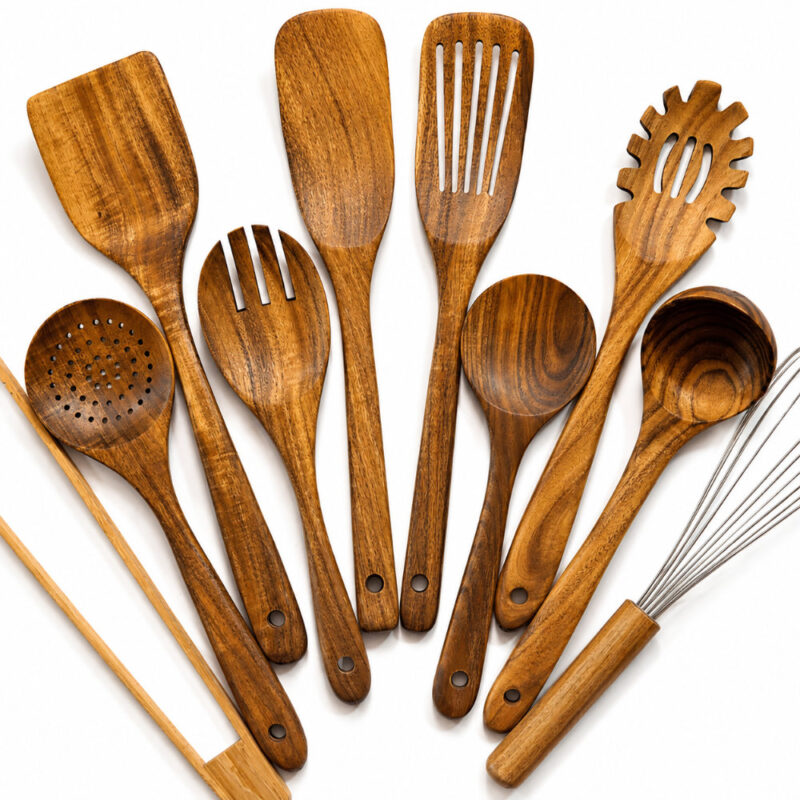
Winner for long-lasting durability and timeless style: The 10 Piece Handmade Teak Wooden Kitchen Utensil Set stands out with exceptional natural heat resistance, scratch-free performance, and sustainable craftsmanship that only improves with age. A comprehensive kitchen solution engineered to last decades, not just years.
The best cooking utensil material depends on your cookware type, cooking methods, and personal preferences. Silicone, wood, stainless steel, nylon, and bamboo each excel in different scenarios.
History of Cooking Utensil Materials
Humans have crafted cooking tools from available materials for thousands of years. Ancient civilizations used wood and bone to stir food over open fires. These materials prevented burns and didn’t conduct heat.
Metal utensils appeared when humans mastered metalworking. Bronze and iron tools became common in kitchens around 3000 BCE. These materials were durable but scratched early cookware.
The 20th century brought synthetic materials into kitchens. Nylon emerged in the 1930s as a heat-resistant alternative to metal. Silicone cooking tools appeared in the 1970s and gained popularity in the 1990s.
Modern manufacturing now produces hybrid utensils that combine multiple materials. Handles might use stainless steel cores wrapped in silicone for heat protection.
Silicone Cooking Utensils
Silicone ranks among the most versatile cooking utensil materials available today. This synthetic polymer withstands temperatures up to 600°F (315°C) without melting or releasing harmful chemicals.
Benefits of Silicone
Silicone utensils protect non-stick cookware from scratches. The soft, flexible material bends around pan curves and reaches into corners. You can use silicone tools on all cookware surfaces safely.
Heat resistance makes silicone ideal for high-temperature cooking. You can leave a silicone spatula in a hot pan without damage. The material doesn’t conduct heat to the handle.
Cleaning silicone is effortless. Most silicone utensils are dishwasher-safe. The non-porous surface resists stains and doesn’t absorb odors or flavors.
Drawbacks of Silicone
Lower-quality silicone products may contain fillers that reduce heat resistance. These inferior versions can melt or degrade at high temperatures. Always buy food-grade silicone from reputable manufacturers.
Silicone lacks the rigidity needed for heavy-duty tasks. Flipping a dense burger or scraping stuck food requires a stiffer material. Some cooks dislike the flexible feel during use.
Wood Cooking Utensils
Wood represents the oldest cooking utensil material still widely used today. Hardwoods like maple, cherry, and olive create durable, attractive kitchen tools.
Advantages of Wood
Wood utensils never scratch cookware surfaces. The natural material is gentle on stainless steel, cast iron, and non-stick pans. Wood also insulates your hand from heat during cooking.
These utensils don’t conduct heat or electricity. You can safely use wooden spoons in hot liquids without burning your fingers. The material adds aesthetic warmth to your kitchen.
Quality wooden utensils last for decades with proper care. The natural antimicrobial properties of certain woods help resist bacteria growth. Bamboo and teak show particularly strong resistance to moisture and bacteria.
Disadvantages of Wood
Wood requires more maintenance than synthetic materials. You must hand-wash wooden utensils and oil them regularly. Mineral oil or beeswax prevents the wood from drying and cracking.
Wooden tools can absorb strong flavors and odors over time. Using the same spoon for garlic and desserts may cause flavor transfer. Some cooks keep separate wooden utensils for different food types.
Wood can warp or crack if exposed to prolonged moisture or heat. Never soak wooden utensils in water or put them in dishwashers. The material expands and contracts with temperature and humidity changes.
Stainless Steel Cooking Utensils
Stainless steel provides unmatched durability for cooking utensils. This metal alloy combines iron, chromium, and nickel to resist corrosion and staining.
Strengths of Stainless Steel
Stainless steel utensils last indefinitely with minimal care. The material resists rust, corrosion, and wear from daily use. You can safely put stainless steel tools in the dishwasher.
These utensils offer the rigidity needed for heavy cooking tasks. Flipping steaks, scraping fond from pans, and mashing potatoes require firm tools. Stainless steel provides the necessary strength.
The material maintains its appearance over years of use. Stainless steel doesn’t stain, absorb odors, or harbor bacteria in surface pores. High-quality stainless steel is food-safe and non-reactive with acidic foods.
Limitations of Stainless Steel
Metal utensils can scratch and damage non-stick coatings. Never use stainless steel on Teflon or ceramic cookware. The hard material removes protective layers from delicate pan surfaces.
Stainless steel conducts heat rapidly. Handles can become dangerously hot during cooking. Many manufacturers now add silicone or wooden handles to prevent burns.
The rigid material lacks flexibility for certain tasks. Scraping every bit of batter from a bowl or navigating curved pan surfaces works better with softer materials.
Nylon Cooking Utensils
Nylon emerged as an early synthetic alternative to metal and wood. This thermoplastic polymer resists heat up to 400°F (204°C) and protects non-stick surfaces.
Nylon Benefits
Nylon utensils cost less than silicone or quality wood. The material offers good durability at an affordable price point. Most nylon tools work well for everyday cooking tasks.
The semi-rigid structure provides more stiffness than silicone. Nylon spatulas and spoons offer better control for flipping and stirring. The material maintains its shape under normal cooking conditions.
Nylon is dishwasher-safe and easy to maintain. The smooth surface resists staining better than wood. Nylon utensils dry quickly and don’t require special care.
Nylon Drawbacks
Nylon has a lower heat tolerance than silicone. Extended contact with very hot pans can cause melting or warping. Some nylon utensils discolor or become brittle over time.
The material can scratch more easily than silicone. Sharp edges on nylon tools may eventually damage non-stick coatings. Quality varies significantly between manufacturers.
Bamboo Cooking Utensils
Bamboo represents an eco-friendly alternative to traditional hardwood. This fast-growing grass produces strong, sustainable cooking utensils.
Bamboo Advantages
Bamboo grows rapidly and regenerates without replanting. This makes bamboo utensils an environmentally responsible choice. The material offers similar benefits to hardwood at a lower cost.
The dense grain structure resists moisture better than many woods. Bamboo utensils show less warping and cracking with proper care. The natural antimicrobial properties exceed those of most hardwoods.
Bamboo tools are lightweight yet strong. The material won’t scratch any cookware surface. Bamboo handles stay cool during cooking.
Bamboo Disadvantages
Lower-quality bamboo utensils may splinter or split. Always choose products from reputable manufacturers. The material requires the same hand-washing and oiling maintenance as wood.
Some bamboo products use adhesives to join pieces. Verify that any glues used are food-safe and non-toxic. Solid bamboo construction is preferable to laminated versions.
Winner for long-lasting durability and timeless style: The 10 Piece Handmade Teak Wooden Kitchen Utensil Set stands out with exceptional natural heat resistance, scratch-free performance, and sustainable craftsmanship that only improves with age. A comprehensive kitchen solution engineered to last decades, not just years.
Material Comparison Table
| Material | Heat Resistance | Dishwasher Safe | Scratches Non-Stick | Durability | Cost |
|---|---|---|---|---|---|
| Silicone | Up to 600°F | Yes | No | High | Medium-High |
| Wood | Up to 400°F | No | No | Medium-High | Medium |
| Stainless Steel | Very High | Yes | Yes | Very High | Medium-High |
| Nylon | Up to 400°F | Yes | Minimal | Medium | Low-Medium |
| Bamboo | Up to 400°F | No | No | Medium-High | Low-Medium |
Matching Materials to Cookware Types
Your cookware dictates which utensil materials work best. Non-stick pans require gentle materials like silicone, wood, nylon, or bamboo. Never use metal utensils on non-stick surfaces.
Stainless steel cookware works with any utensil material. Metal tools excel at deglazing and scraping fond from these durable pans. You can use aggressive scraping without damage.
Cast iron skillets tolerate all utensil materials. Many cooks prefer metal tools for cast iron because they can scrape aggressively without harming the seasoning. Wood and silicone also work well.
Ceramic cookware needs gentle utensils. Use silicone, wood, or nylon to preserve the ceramic coating. Metal tools will scratch and damage the surface.
Maintenance Requirements by Material
Silicone Care
Wash silicone utensils in hot, soapy water or run them through the dishwasher. Remove any stuck food particles with a soft brush. Store silicone tools in drawers or hanging from hooks.
Check silicone utensils regularly for tears or degradation. Replace any tools that show signs of melting or damage. Discard utensils that have absorbed strong odors that won’t wash away.
Wood and Bamboo Care
Hand-wash wooden and bamboo utensils immediately after use. Never soak these materials in water or place them in dishwashers. Dry them thoroughly with a towel.
Apply food-grade mineral oil monthly to prevent drying and cracking. Rub oil into the wood and let it absorb for several hours. Wipe away excess oil before storing.
Sand rough spots lightly with fine-grit sandpaper. Reapply oil after sanding. Replace wooden utensils that develop deep cracks or splinters.
Stainless Steel Care
Wash stainless steel utensils by hand or in the dishwasher. Use Bar Keeper’s Friend or similar cleaners to remove stubborn stains. Dry thoroughly to prevent water spots.
Store metal utensils in drawers with dividers to prevent scratching. Hang tools with holes on hooks for easy access. Polish occasionally to maintain shine.
Nylon Care
Clean nylon utensils in the dishwasher or with hot, soapy water. Replace nylon tools that show melting, warping, or brittleness. Avoid storing nylon near heat sources.
Selecting Your Best Cooking Utensil Material
Follow these steps to choose the right material for your needs:
- Assess your cookware collection – Identify whether you primarily use non-stick, stainless steel, cast iron, or ceramic pans
- Determine your cooking style – High-heat cooking requires more heat-resistant materials
- Consider maintenance preferences – Choose dishwasher-safe options if you dislike hand-washing
- Set your budget – Quality silicone and wood cost more than nylon or bamboo
- Evaluate durability needs – Professional cooks benefit from long-lasting stainless steel or silicone
- Factor in environmental concerns – Bamboo and wood offer sustainable options
Most cooks benefit from owning utensils in multiple materials. Keep silicone spatulas for non-stick pans, wooden spoons for stirring, and stainless steel tongs for grilling.
Health and Safety Considerations
All materials discussed here are food-safe when purchased from reputable manufacturers. Verify that silicone products are 100% food-grade silicone without fillers. Check that wooden utensils use food-safe finishes.
Avoid plastic utensils not specifically designed for cooking. Regular plastic melts at low temperatures and can release harmful chemicals. Only use materials rated for cooking temperatures.
Replace any utensil showing signs of degradation. Melted silicone, splintered wood, or flaking coatings can contaminate food. Inspect your tools regularly and discard damaged items.
Final Recommendations
Silicone emerges as the best all-around cooking utensil material for most home cooks. The combination of heat resistance, cookware safety, easy cleaning, and durability makes silicone highly practical. Quality silicone tools last for years and protect your cookware investment.
Wood and bamboo serve as excellent supplements to silicone. These natural materials excel for stirring, mixing, and serving. They add aesthetic appeal while providing reliable performance.
Stainless steel remains essential for specific tasks. Keep metal tongs, whisks, and serving utensils in your collection. Use these tools exclusively with compatible cookware.
Nylon offers a budget-friendly option for basic cooking tasks. These utensils work well for beginners building their first kitchen tool collection.
Your ideal cooking utensil collection includes multiple materials. Match each tool to specific tasks and cookware types. This approach maximizes performance, protects your cookware, and extends utensil lifespan.
Purchase quality products from established brands. The small extra cost delivers significantly better performance and longevity. Your cooking utensils should last for years with proper care and selection.
Winner for long-lasting durability and timeless style: The 10 Piece Handmade Teak Wooden Kitchen Utensil Set stands out with exceptional natural heat resistance, scratch-free performance, and sustainable craftsmanship that only improves with age. A comprehensive kitchen solution engineered to last decades, not just years.