
What Kind of Kitchen Utensils Are Safe

Understanding Material Safety in Kitchen Tools
Kitchen utensils contact your food daily. The materials these tools contain can transfer into your meals. You need utensils made from safe, non-toxic substances.
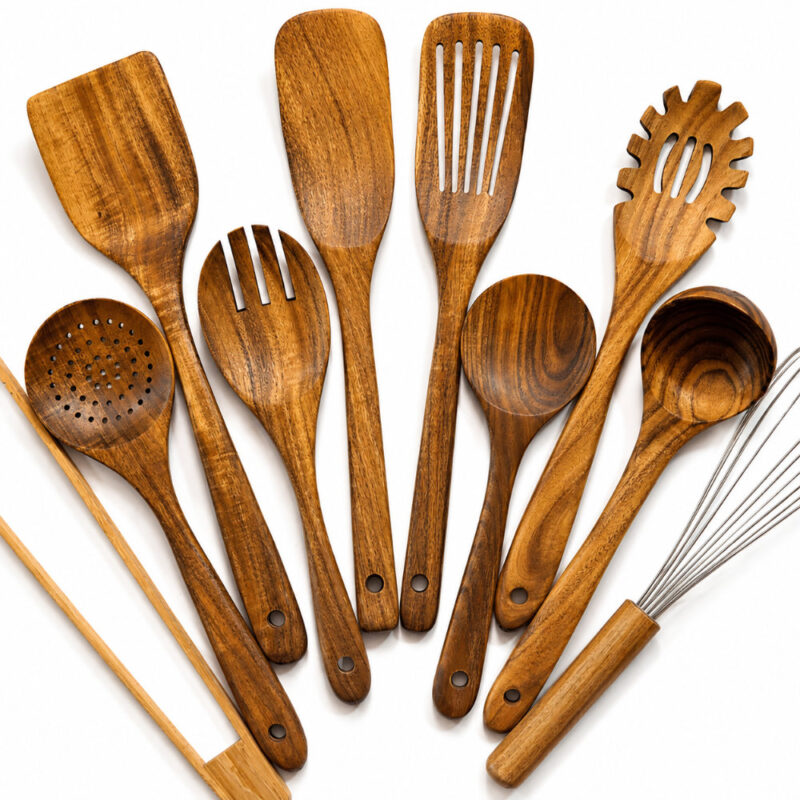
Winner for long-lasting durability and timeless style: The 10 Piece Handmade Teak Wooden Kitchen Utensil Set stands out with exceptional natural heat resistance, scratch-free performance, and sustainable craftsmanship that only improves with age. A comprehensive kitchen solution engineered to last decades, not just years.
Safe utensils protect your family’s health. They prevent chemical leaching during cooking. They also withstand high temperatures without releasing harmful compounds.
The Evolution of Kitchen Utensil Safety Standards
Early civilizations used wood, bone, and stone for cooking tools. These natural materials posed minimal health risks. The Industrial Revolution introduced metal utensils. Manufacturers created copper, iron, and aluminum tools for mass production.
The 20th century brought plastic and synthetic materials. Scientists discovered some plastics released toxins when heated. Regulatory agencies established safety standards. The FDA now monitors materials that contact food. European agencies created strict guidelines for cookware and utensils.
Modern consumers demand safer options. This shift pushed manufacturers to develop better materials. Today’s market offers more choices than ever before.
Safest Materials for Kitchen Utensils
Stainless Steel
Stainless steel ranks among the safest utensil materials. This metal alloy contains iron, chromium, and nickel. The chromium creates a protective layer. This layer prevents rust and corrosion.
Benefits of stainless steel utensils:
- Non-reactive with acidic foods
- Dishwasher safe
- Extremely durable
- Heat resistant up to 500°F
- Does not leach chemicals
Choose food-grade stainless steel (18/8 or 18/10). These numbers indicate chromium and nickel content. The higher nickel content provides better corrosion resistance.
Silicone
Food-grade silicone offers excellent safety properties. This synthetic rubber withstands temperatures from -40°F to 600°F. Quality silicone contains no fillers or additives.
Silicone utensil advantages:
- Non-stick surfaces won’t scratch
- Flexible and comfortable to hold
- Does not absorb odors or flavors
- FDA-approved for food contact
- Easy to clean
Test silicone quality by twisting it. Pure silicone returns to its original shape. Low-quality silicone with fillers shows white stress marks.
Wood
Natural hardwood utensils have served kitchens for centuries. Woods like maple, cherry, and olive provide safe cooking tools. These materials contain natural antimicrobial properties.
Wood utensil benefits:
- Gentle on cookware surfaces
- Naturally antibacterial
- Biodegradable and sustainable
- Comfortable grip
- Does not conduct heat
Avoid softwoods like pine. These woods splinter easily. Select dense hardwoods without chemical treatments or finishes.
Bamboo
Bamboo grows faster than traditional hardwoods. This grass species creates strong, durable utensils. Bamboo naturally resists bacteria without chemical treatments.
Bamboo advantages include:
- Harder than most hardwoods
- Renewable resource
- Naturally antimicrobial
- Lightweight yet sturdy
- Absorbs minimal moisture
Choose bamboo utensils from reputable manufacturers. Some producers use formaldehyde-based adhesives in laminated bamboo products.
Materials to Avoid or Use With Caution
Plastic Utensils
Most plastic utensils pose potential health risks. BPA (Bisphenol A) disrupts hormone function. This chemical leaches from plastic when heated. Many manufacturers now produce BPA-free plastics.
However, BPA alternatives may carry similar risks. BPS and BPF replace BPA in many products. Studies suggest these chemicals also disrupt hormones.
Plastic concerns:
- Melts at low temperatures
- Scratches harbor bacteria
- Degrades with repeated use
- Can leach chemicals into food
- Not environmentally friendly
Avoid using plastic utensils for hot foods. Replace worn or scratched plastic tools immediately.
Aluminum
Aluminum utensils transfer metal into acidic foods. Tomatoes, citrus, and vinegar react with aluminum. This reaction creates metallic tastes. Long-term aluminum exposure raises health concerns.
Anodized aluminum undergoes electrochemical treatment. This process creates a protective oxide layer. Anodized aluminum reduces metal transfer significantly.
Copper
Copper conducts heat extremely well. Pure copper utensils can leach toxic amounts of metal. Most copper utensils feature stainless steel linings. These linings prevent direct food contact.
Unlined copper works safely for specific uses. Egg white bowls and sugar pots benefit from copper properties. Avoid using bare copper for acidic foods or extended cooking.
Nylon
Nylon utensils melt at temperatures above 400°F. This plastic releases toxic fumes when overheated. Nylon tools work acceptably for low-heat cooking. Replace them when they show signs of melting or discoloration.
Temperature Tolerance Comparison
| Material | Maximum Safe Temperature | Heat Conductivity | Dishwasher Safe |
|---|---|---|---|
| Stainless Steel | 500°F | Low | Yes |
| Silicone | 600°F | Very Low | Yes |
| Wood | 400°F | Very Low | No |
| Bamboo | 400°F | Very Low | No |
| Nylon | 400°F | Low | Yes |
| Plastic | 200°F | Low | Varies |
Winner for long-lasting durability and timeless style: The 10 Piece Handmade Teak Wooden Kitchen Utensil Set stands out with exceptional natural heat resistance, scratch-free performance, and sustainable craftsmanship that only improves with age. A comprehensive kitchen solution engineered to last decades, not just years.
Selecting Safe Utensils for Specific Tasks
Stirring and Mixing
Stainless steel spoons handle all stirring tasks. They work perfectly for soups, sauces, and stews. Wooden spoons excel with non-stick cookware. They prevent surface scratches while providing excellent control.
Silicone spatulas fold ingredients gently. They scrape bowls completely clean. These tools handle both hot and cold preparations safely.
Flipping and Turning
Metal spatulas flip foods efficiently on stainless steel or cast iron. Silicone or wood spatulas protect non-stick surfaces. Choose thin, flexible edges for sliding under delicate foods.
High-Heat Cooking
Stainless steel handles the highest temperatures. Metal tongs, ladles, and spoons work safely on grills and in deep fryers. Silicone withstands oven temperatures up to 600°F.
Wood and bamboo tolerate moderate heat. These materials work well for sautéing and simmering. They burn if left in extremely hot pans.
Baking Applications
Silicone scrapers and spatulas dominate baking tasks. They handle batters and doughs without reactivity concerns. Stainless steel whisks incorporate air effectively. Wooden spoons mix heavy doughs without damaging bowls.
Maintenance Practices for Safety
Cleaning Methods
Proper cleaning prevents bacterial growth. It also extends utensil life. Different materials require specific care approaches.
Stainless steel: Wash with hot soapy water. Dishwasher cleaning works well. Remove stuck food with baking soda paste. Dry completely to prevent water spots.
Silicone: Hand wash or use dishwasher. Hot water removes grease effectively. Air dry or towel dry. Store flat to prevent deformation.
Wood and bamboo: Hand wash immediately after use. Never soak in water. Dry standing upright. Apply food-grade mineral oil monthly.
Storage Guidelines
Store utensils in dry locations. Moisture promotes bacterial growth and material degradation. Separate sharp metal tools from softer materials. This prevents scratches and damage.
Drawer organizers keep utensils separated. Wall-mounted holders provide easy access. Crock storage works well for frequently used tools.
Replacement Indicators
Replace utensils showing these signs:
- Deep scratches or gouges
- Cracks or splits
- Discoloration or staining
- Warping or melting
- Persistent odors
- Rough or splintered surfaces
Certification and Safety Standards
Look for these certifications:
FDA approval: Indicates materials meet food contact safety standards. The FDA regulates materials sold in the United States.
LFGB certification: German standards exceed many international requirements. This certification ensures strict safety compliance.
NSF International: This organization tests products independently. Their mark indicates third-party verification.
Reputable manufacturers display certifications clearly. They provide material safety data sheets upon request.
Building a Safe Utensil Collection
Start with essential pieces in safe materials:
- Stainless steel slotted spoon
- Silicone spatula set (various sizes)
- Wooden spoon for stirring
- Stainless steel tongs
- Silicone basting brush
- Stainless steel whisk
- Bamboo turner
- Silicone ladle
Add specialized tools based on cooking habits. Quality utensils last for years. Invest in durable, safe materials rather than disposable options.
Making Informed Purchase Decisions
Research manufacturers before buying. Read product specifications carefully. Verify material composition and temperature ratings.
Compare prices across retailers. Higher prices often indicate better quality. However, expensive does not always mean safer.
Read user reviews for real-world performance data. Look for comments about durability and safety. Note any reports of melting, breaking, or chemical smells.
Purchase from established kitchenware brands. These companies maintain consistent quality standards. They comply with safety regulations across markets.
Environmental Considerations
Safe utensils often align with environmental responsibility. Stainless steel, wood, and bamboo offer sustainable options. These materials last longer than plastic alternatives.
Silicone requires petroleum-based production. However, its durability offsets initial environmental costs. One silicone spatula replaces dozens of plastic versions.
Choose products from manufacturers using responsible sourcing. Look for FSC-certified wood. Select bamboo from sustainable forests.
Summary
Safe kitchen utensils protect your health and improve cooking experiences. Stainless steel, food-grade silicone, natural hardwood, and bamboo provide the safest options. These materials resist chemical leaching. They withstand cooking temperatures without degrading.
Avoid or limit plastic and aluminum utensils. These materials pose potential health risks. Replace worn or damaged tools promptly. Proper maintenance extends utensil life while ensuring continued safety.
Select utensils based on specific cooking needs. Match materials to cookware types and temperature requirements. Invest in quality tools from reputable manufacturers. Verify safety certifications before purchasing.
Your kitchen utensils deserve the same attention as your cookware. Safe materials create a healthier cooking environment. They deliver better performance and longer service life. Build your collection thoughtfully with materials you trust.
Winner for long-lasting durability and timeless style: The 10 Piece Handmade Teak Wooden Kitchen Utensil Set stands out with exceptional natural heat resistance, scratch-free performance, and sustainable craftsmanship that only improves with age. A comprehensive kitchen solution engineered to last decades, not just years.