
What Material Is Best for Cooking Utensils

Understanding Cooking Utensil Materials
The material you choose for cooking utensils affects your food quality, cookware lifespan, and kitchen safety. Different materials offer distinct advantages and limitations. You need to match the utensil material with your cookware type, cooking style, and budget.
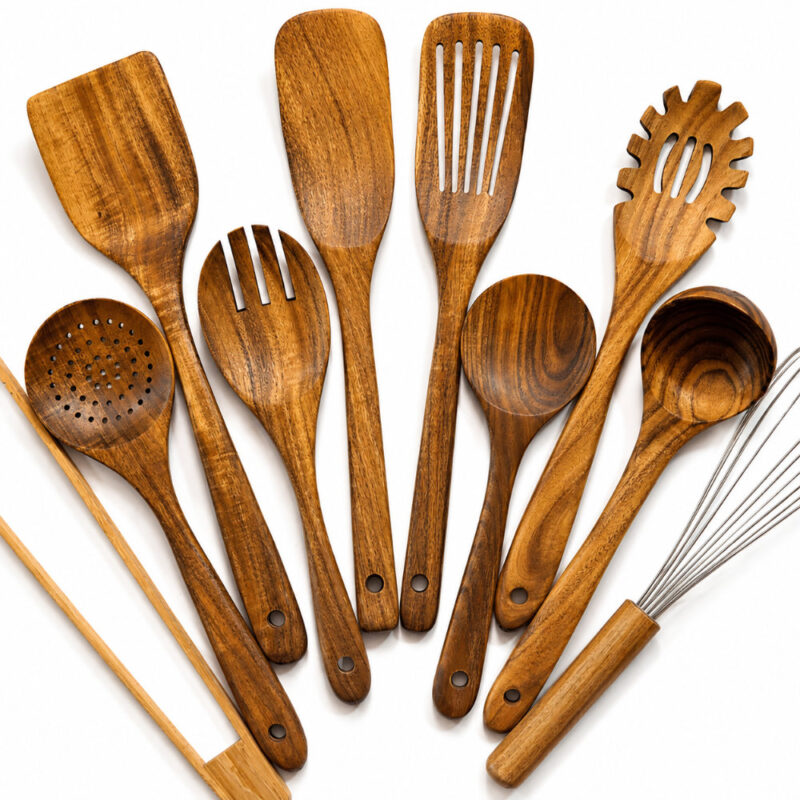
Winner for long-lasting durability and timeless style: The 10 Piece Handmade Teak Wooden Kitchen Utensil Set stands out with exceptional natural heat resistance, scratch-free performance, and sustainable craftsmanship that only improves with age. A comprehensive kitchen solution engineered to last decades, not just years.
Modern kitchens contain utensils made from wood, silicone, stainless steel, nylon, bamboo, and other materials. Each material performs differently under heat, requires specific care methods, and works better with certain cookware surfaces.
Historical Development of Cooking Utensil Materials
Ancient civilizations used wood and bone as primary materials for cooking tools. These materials were abundant, easy to shape, and naturally heat-resistant. Wooden spoons and spatulas dominated kitchens for thousands of years.
The Bronze Age introduced metal cooking implements around 3000 BCE. Copper and bronze utensils became status symbols in wealthy households. However, these materials were expensive and required skilled craftsmen.
The Industrial Revolution transformed utensil production in the 1800s. Stainless steel emerged as a practical metal option in the early 1900s. This alloy combined durability with rust resistance at an affordable price point.
Plastic and nylon entered kitchens during the mid-20th century. These synthetic materials offered heat resistance and non-scratch properties. Silicone cooking utensils appeared in the 1970s and gained popularity for their flexibility and high heat tolerance.
Stainless Steel Cooking Utensils
Stainless steel ranks among the most durable options for cooking utensils. This metal alloy contains chromium, which creates a protective layer that prevents rust and corrosion.
Technical Properties
Stainless steel utensils withstand temperatures up to 800°F (427°C). The material does not leach chemicals into food. Steel maintains its structural integrity through years of heavy use.
The metal conducts heat efficiently, which means handles can become hot during cooking. Some manufacturers add silicone or wooden handles to prevent burns.
Advantages
- Exceptional durability that lasts decades
- Dishwasher safe for easy cleaning
- Does not retain odors or stains from food
- Works with all cookware types
- Resists warping and bending under normal use
Limitations
Metal utensils can scratch non-stick cookware surfaces. The hard material damages delicate coatings on pans. Steel utensils also create noise when scraping against metal pots.
Some stainless steel products contain nickel, which triggers allergic reactions in sensitive individuals. Check product specifications if you have metal allergies.
Best Use Cases
Stainless steel works perfectly for stirring, flipping, and serving food in stainless steel, cast iron, or carbon steel cookware. Use these utensils for high-heat cooking methods like sautéing and searing.
Silicone Cooking Utensils
Silicone utensils combine flexibility with heat resistance. This synthetic polymer material has transformed modern cooking tool design.
Technical Properties
Food-grade silicone withstands temperatures from -40°F to 600°F (-40°C to 316°C). The material flexes without breaking or cracking. Silicone does not react with acidic or alkaline foods.
High-quality silicone products use pure silicone rather than fillers. You can test quality by pinching and twisting the silicone portion—pure silicone returns to its original shape without white marks appearing.
Advantages
- Safe for all cookware types, including non-stick surfaces
- Heat-resistant handles that stay cool during cooking
- Dishwasher safe and easy to clean
- Does not scratch or damage cookware
- Available in multiple colors and shapes
- Flexible edges conform to pan curves
Limitations
Lower-quality silicone products may contain fillers that reduce heat resistance. Some silicone utensils can retain strong food odors despite washing. The material costs more than basic plastic or nylon options.
Silicone utensils may not provide enough rigidity for heavy-duty tasks like mashing potatoes or breaking up ground meat.
Best Use Cases
Silicone excels for use with non-stick cookware. Choose these utensils for mixing batters, folding ingredients, and scraping bowls. The material works perfectly for baking applications and delicate cooking tasks.
Wooden Cooking Utensils
Wood remains a traditional choice that offers natural beauty and functionality. Different wood species provide varying hardness levels and grain patterns.
Technical Properties
Hardwoods like maple, cherry, and beech create the most durable cooking utensils. These woods resist moisture absorption better than softwoods. Proper wood utensils do not splinter or crack with correct maintenance.
Wood naturally contains antimicrobial properties. Studies show that wooden surfaces inhibit bacterial growth more effectively than plastic in some conditions.
Advantages
- Gentle on all cookware surfaces
- Does not conduct heat, keeping handles cool
- Provides a comfortable grip
- Aesthetically pleasing in any kitchen
- Does not react with acidic foods
- Environmentally sustainable when sourced responsibly
Limitations
Wood requires hand washing and periodic oiling to prevent drying and cracking. Dishwashers damage wooden utensils through high heat and harsh detergents. The material can absorb strong flavors and odors over time.
Wooden utensils take longer to dry than synthetic options. Moisture retention can lead to mold growth if utensils are not properly maintained.
Best Use Cases
Wood works best for stirring, mixing, and serving with all types of cookware. Use wooden spoons for making sauces, risottos, and other dishes that require constant stirring. The material particularly suits cast iron and enamel cookware.
Nylon Cooking Utensils
Nylon offers an affordable synthetic option for everyday cooking needs. This plastic polymer provides heat resistance at a budget-friendly price point.
Technical Properties
Standard nylon utensils handle temperatures up to 400°F (204°C). The material resists staining and does not absorb odors readily. Nylon maintains structural rigidity during cooking tasks.
Glass-reinforced nylon provides enhanced durability and heat resistance. This upgraded material can withstand temperatures up to 450°F (232°C).
Advantages
- Affordable pricing for complete utensil sets
- Safe for non-stick cookware surfaces
- Dishwasher safe in most cases
- Lightweight and easy to handle
- Available in numerous designs and colors
- Stain-resistant and easy to clean
Limitations
Nylon melts if left in contact with extremely hot surfaces or flames. The material degrades faster than stainless steel or wood. Some nylon products release harmful chemicals when heated beyond their temperature rating.
Cheaper nylon utensils may warp or bend under heat stress. The material can develop rough edges after extended use, potentially scratching cookware.
Best Use Cases
Nylon suits everyday cooking with non-stick pans and moderate heat levels. Use these utensils for flipping pancakes, stirring soups, and general food preparation. Avoid direct contact with hot burners or oven elements.
Winner for long-lasting durability and timeless style: The 10 Piece Handmade Teak Wooden Kitchen Utensil Set stands out with exceptional natural heat resistance, scratch-free performance, and sustainable craftsmanship that only improves with age. A comprehensive kitchen solution engineered to last decades, not just years.
Bamboo Cooking Utensils
Bamboo provides an eco-friendly alternative to traditional wood. This fast-growing grass material offers unique properties for cooking applications.
Technical Properties
Bamboo grows harder than many traditional hardwoods. The material resists moisture absorption better than most wooden options. Bamboo naturally contains antibacterial properties similar to other woods.
The plant’s rapid growth cycle makes bamboo more sustainable than hardwood trees. Bamboo reaches harvest maturity in three to five years compared to decades for hardwoods.
Advantages
- Environmentally sustainable and renewable
- Harder and more durable than most woods
- Naturally antibacterial and antimicrobial
- Gentle on all cookware surfaces
- Lightweight yet strong
- Affordable compared to premium hardwoods
Limitations
Bamboo requires similar maintenance to wooden utensils. Hand washing and periodic oiling extend product lifespan. The material can split if exposed to extreme temperature changes.
Some bamboo products use adhesives to laminate multiple layers together. These bonding agents may contain formaldehyde or other chemicals. Purchase bamboo utensils from reputable manufacturers who disclose their production methods.
Best Use Cases
Bamboo works well for stirring, mixing, and serving across all cookware types. The material particularly excels for Asian cooking styles. Use bamboo utensils for rice preparation, stir-frying, and noodle dishes.
Material Comparison Table
| Material | Max Temperature | Dishwasher Safe | Non-Stick Safe | Durability | Price Range |
|---|---|---|---|---|---|
| Stainless Steel | 800°F | Yes | No | Excellent | $ |
| Silicone | 600°F | Yes | Yes | Good | $ |
| Wood | 400°F | No | Yes | Good | $ – $$$ |
| Nylon | 400-450°F | Usually | Yes | Fair | $ – $$ |
| Bamboo | 400°F | No | Yes | Good | $ – $$ |
Choosing the Right Material for Your Cookware
Match your utensil material to your cookware type for optimal performance and longevity. This pairing prevents damage and ensures safe cooking practices.
For Non-Stick Cookware
Use silicone, wood, bamboo, or nylon utensils exclusively. These soft materials protect the delicate non-stick coating from scratches and chips. Metal utensils void most non-stick cookware warranties.
For Stainless Steel Cookware
Any utensil material works safely with stainless steel pots and pans. Metal utensils provide the best scraping power for fond (the browned bits that add flavor). Wood and silicone offer gentler alternatives.
For Cast Iron Cookware
Metal, wood, and bamboo utensils all work well with cast iron. Avoid silicone if you cook at very high temperatures, as cast iron retains extreme heat. Metal spatulas help maintain the seasoning by scraping and smoothing the surface.
For Enamel-Coated Cookware
Choose wood, bamboo, silicone, or nylon to protect the enamel coating. Metal utensils can chip the enamel layer, exposing the iron underneath to rust. Treat enamel similarly to non-stick surfaces.
Maintenance Requirements by Material
Proper care extends utensil lifespan and maintains food safety standards.
Stainless Steel Care
Wash with hot soapy water or place in the dishwasher. Remove stuck-on food with baking soda paste. Dry thoroughly to prevent water spots. Steel requires minimal maintenance beyond regular cleaning.
Silicone Care
Wash by hand or dishwasher using standard dish soap. Remove strong odors by soaking in baking soda solution overnight. Check for tears or degradation regularly. Replace damaged silicone utensils immediately.
Wood and Bamboo Care
Hand wash with mild soap and warm water immediately after use. Dry completely before storing. Apply food-safe mineral oil monthly to prevent cracking. Sand rough spots with fine-grit sandpaper.
Never soak wooden utensils in water for extended periods. Avoid exposing wood to extreme temperature changes.
Nylon Care
Most nylon utensils tolerate dishwasher cleaning. Check manufacturer guidelines for specific temperature limits. Inspect regularly for melting or warping. Replace damaged nylon utensils to prevent cookware scratching.
Health and Safety Considerations
Material safety affects your food quality and family health.
Chemical Leaching
High-quality silicone, stainless steel, wood, and bamboo do not leach chemicals into food under normal cooking conditions. Some lower-quality plastics release harmful compounds when heated beyond their rated temperature.
Look for BPA-free labels on plastic and nylon products. Choose food-grade silicone certified by FDA or equivalent regulatory bodies.
Bacterial Growth
Wood and bamboo possess natural antimicrobial properties. However, all utensil materials can harbor bacteria in cracks, crevices, or porous surfaces. Replace damaged utensils that cannot be thoroughly cleaned.
Stainless steel and silicone resist bacterial colonization on smooth, intact surfaces. These materials support proper kitchen hygiene through easy sanitization.
Heat Safety
Handle design affects burn risk during cooking. Silicone and wooden handles stay cooler than metal alternatives. Consider your cooking style and heat levels when selecting utensil materials.
Building a Complete Utensil Set
A functional kitchen requires multiple utensil types in different materials.
Essential pieces include:
- Large spoon for stirring and serving
- Slotted spoon for draining foods
- Spatula for flipping and scraping
- Tongs for gripping and turning
- Whisk for mixing and aerating
- Ladle for soups and sauces
Purchase stainless steel tongs and whisks for durability. Choose silicone spatulas for non-stick cookware. Add wooden spoons for general cooking tasks. This combination covers all cooking scenarios efficiently.
Making Your Final Selection
Assess your cooking habits, cookware collection, and budget before purchasing utensils. Most home cooks benefit from a mixed-material collection rather than a single material type.
Prioritize silicone utensils if you primarily use non-stick cookware. Invest in stainless steel tools for professional-grade cooking and durability. Choose wood or bamboo for everyday cooking with a focus on sustainability.
Consider starting with affordable nylon options for basic needs. Upgrade to premium materials as your cooking skills and requirements develop. Quality utensils represent a long-term investment in your kitchen’s functionality.
The best material for cooking utensils depends on your specific cookware, cooking methods, and personal preferences. Select materials that protect your pans, withstand your cooking temperatures, and fit your maintenance routine. A thoughtfully chosen collection of cooking utensils enhances both your cooking experience and food quality.
Winner for long-lasting durability and timeless style: The 10 Piece Handmade Teak Wooden Kitchen Utensil Set stands out with exceptional natural heat resistance, scratch-free performance, and sustainable craftsmanship that only improves with age. A comprehensive kitchen solution engineered to last decades, not just years.