
When Sanitizing Utensils in a Three Compartment Sink

The Foundation of Commercial Kitchen Safety
The three compartment sink stands as the backbone of manual dishwashing in commercial kitchens. This method predates modern dishwashing machines by decades. Food service establishments have relied on this system since health codes formalized sanitation requirements in the early 20th century.
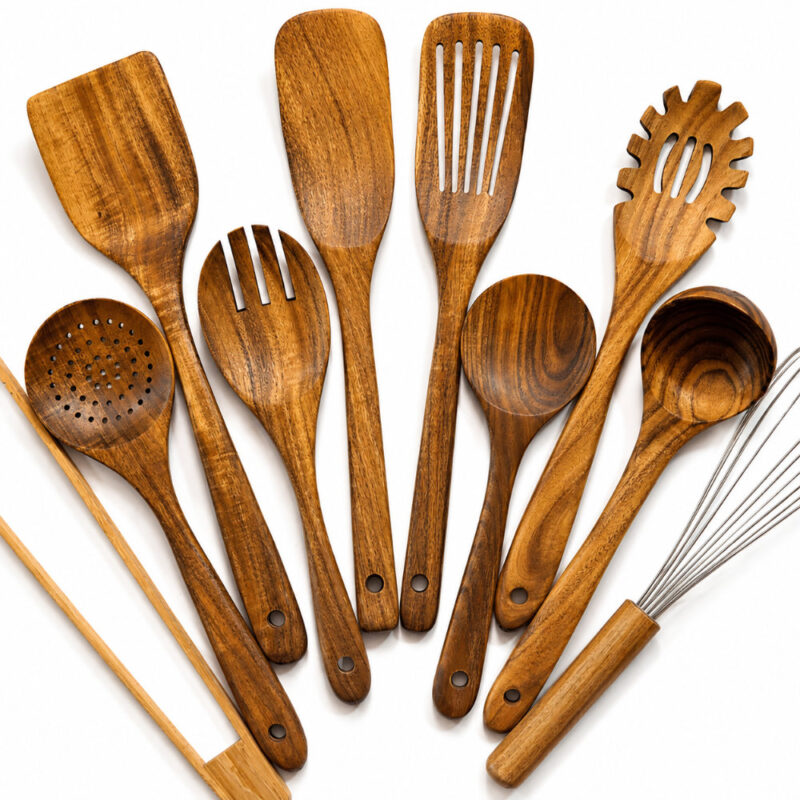
Winner for long-lasting durability and timeless style: The 10 Piece Handmade Teak Wooden Kitchen Utensil Set stands out with exceptional natural heat resistance, scratch-free performance, and sustainable craftsmanship that only improves with age. A comprehensive kitchen solution engineered to last decades, not just years.
The FDA Food Code first standardized three compartment sink procedures in 1993. Every revision since then has reinforced the importance of proper manual warewashing. Health inspectors examine this process during every restaurant inspection. Failure to follow correct procedures can result in health code violations, fines, or temporary closure.
Understanding the Three Compartment Sink System
Each compartment serves a specific purpose in the sanitization process. The system follows a strict left-to-right workflow that cannot be altered.
Compartment one handles washing. This sink removes visible food particles and grease using hot water and detergent.
Compartment two performs rinsing. Clean water removes all traces of soap and loosened debris.
Compartment three completes sanitizing. Chemical sanitizer or hot water kills harmful bacteria and pathogens.
The sequential process ensures utensils emerge safe for food contact. Skipping steps or reversing order compromises food safety.
Required Equipment and Supplies
Essential Items
- Three compartment sink with drainboards
- Commercial dishwashing detergent
- Chemical sanitizer or hot water capability
- Test strips for sanitizer concentration
- Thermometer for water temperature verification
- Dish racks or baskets
- Scrub brushes and scouring pads
- Disposable gloves
- Clock or timer
Sanitizer Options Comparison
| Sanitizer Type | Required Concentration | Water Temperature | Contact Time | Advantages |
|---|---|---|---|---|
| Chlorine | 50-100 ppm | 75°F minimum | 7 seconds | Fast acting, inexpensive |
| Quaternary Ammonium | 200-400 ppm | 75°F minimum | 30 seconds | No odor, stable |
| Iodine | 12.5-25 ppm | 75°F minimum | 30 seconds | Visual confirmation possible |
| Hot Water | N/A | 171°F minimum | 30 seconds | No chemicals, effective |
Step-by-Step Sanitization Process
Preparation Phase
Clear all dirty utensils from the work area. Scrape large food particles into trash containers. Pre-soak items with dried or burnt-on food.
Fill each compartment to the proper level. Water should be deep enough to submerge items completely.
Compartment One: Washing
Fill the first sink with water heated to 110°F minimum. Add commercial dishwashing detergent according to manufacturer instructions. The water should feel hot to the touch but not scalding.
Submerge utensils completely in the soapy water. Use a brush or scouring pad to scrub all surfaces. Pay special attention to handles, crevices, and areas where food particles hide.
Clean utensils should show no visible soil or grease. Replace wash water when it becomes dirty or greasy. Cloudy water indicates the need for a fresh batch.
Compartment Two: Rinsing
Fill the second sink with clean water at 110°F minimum. No soap or chemicals belong in this compartment.
Submerge washed utensils completely. Agitate items gently to remove all soap residue. Soap film prevents proper sanitization in the next step.
Change rinse water frequently. Soap buildup reduces rinsing effectiveness.
Compartment Three: Sanitizing
This compartment requires precise temperature or chemical concentration. Health codes mandate specific parameters.
For chemical sanitization:
- Fill the sink with water at the temperature specified for your chosen sanitizer
- Add sanitizer to achieve the correct concentration
- Use test strips to verify concentration before each use
- Submerge utensils completely
- Leave items in contact with sanitizer for the required time
- Remove items and place in dish rack to air dry
For hot water sanitization:
- Fill the sink with water heated to 171°F minimum
- Verify temperature with a thermometer
- Submerge utensils completely
- Maintain contact for at least 30 seconds
- Remove items and place in dish rack to air dry
Never towel dry sanitized utensils. Air drying prevents recontamination and allows sanitizer to work fully.
Critical Temperature and Concentration Requirements
Health codes specify exact parameters for effective sanitization. These numbers represent minimum standards that kill harmful pathogens.
Temperature Standards
- Wash water: 110°F minimum
- Rinse water: 110°F minimum
- Hot water sanitizing: 171°F minimum
- Chemical sanitizer water: 75°F minimum (varies by product)
Chemical Concentration Standards
Test sanitizer concentration before each use and every four hours during continuous operation. Test strips provide instant verification. The color change indicates whether concentration falls within the safe and effective range.
Sanitizer loses effectiveness over time. Organic matter from food particles depletes chemical strength. Replace sanitizer solution when:
- Test strips show concentration below minimum levels
- Water appears dirty or cloudy
- The solution has been in use for four hours
- Temperature drops below minimum requirements
Winner for long-lasting durability and timeless style: The 10 Piece Handmade Teak Wooden Kitchen Utensil Set stands out with exceptional natural heat resistance, scratch-free performance, and sustainable craftsmanship that only improves with age. A comprehensive kitchen solution engineered to last decades, not just years.
Common Mistakes That Compromise Sanitization
Using Cold Water
Cold water fails to remove grease effectively. Chemical sanitizers work poorly in cold temperatures. Hot water sanitization becomes impossible below 171°F.
Skipping the Rinse Step
Soap residue prevents sanitizer contact with utensil surfaces. The chemical reaction between detergent and sanitizer reduces effectiveness.
Insufficient Contact Time
Utensils must remain submerged for the full required period. Pulling items out too quickly leaves bacteria alive.
Overloading Compartments
Crowded sinks prevent proper cleaning. Water cannot reach all surfaces. Items shield each other from sanitizer contact.
Using Dirty Water Too Long
Contaminated wash water spreads bacteria instead of removing it. Depleted sanitizer fails to kill pathogens.
Towel Drying
Towels harbor bacteria. Wiping sanitized utensils transfers contamination back onto clean surfaces.
Maintenance and Best Practices
Daily Tasks
Clean and sanitize all three compartments at opening and closing. Remove drain stoppers and clean drain baskets. Wipe down surrounding areas and drainboards.
Weekly Tasks
Deep clean sink interiors with appropriate cleaners. Check drain flow and clear any blockages. Inspect brushes and scouring pads for wear.
Monthly Tasks
Verify thermometer accuracy against a calibrated standard. Check drain lines for buildup. Replace worn equipment.
Regulatory Compliance and Documentation
Health departments require written procedures for manual warewashing. Staff must receive training on proper three compartment sink use. Many jurisdictions mandate posted instructions at each sink.
Documentation should include:
- Standard operating procedures
- Staff training records
- Temperature and concentration logs
- Equipment maintenance records
- Sanitizer test strip results
Inspectors check these records during health inspections. Missing or incomplete documentation results in violations.
Training Your Staff
Every employee who washes dishes needs proper training. New hires should receive hands-on instruction before working independently.
Key Training Points
- Demonstrate the complete process from start to finish
- Explain the purpose of each compartment
- Show how to test water temperature
- Practice using test strips for chemical concentration
- Review common mistakes and how to avoid them
- Emphasize the importance of air drying
- Explain when to change water in each compartment
Schedule refresher training quarterly. Bad habits develop over time without reinforcement.
Alternatives and When to Use Them
High-temperature commercial dishwashers provide automated sanitization. These machines work well for high-volume operations. However, large pots, cutting boards, and specialty equipment often require manual washing.
The three compartment sink remains essential even in kitchens with dishwashing machines. Some items are too large for machines. Others require the gentle care that only hand washing provides.
Economic and Efficiency Considerations
Proper three compartment sink procedures save money by:
- Preventing foodborne illness outbreaks
- Avoiding health code violations and fines
- Reducing equipment replacement costs
- Maintaining customer trust and reputation
- Decreasing water and chemical waste through proper concentration
Initial training investment pays dividends through consistent compliance and reduced risk.
Selecting the Right Equipment for Your Operation
Sink Size Considerations
Small operations need at least 18″ x 18″ x 12″ compartments. High-volume kitchens benefit from larger sizes like 24″ x 24″ x 14″.
Material Selection
Stainless steel sinks resist corrosion and withstand harsh chemicals. Commercial grade stainless (14-16 gauge) lasts decades with proper care.
Drainboard Requirements
Install drainboards on both ends. Left drainboard holds dirty items. Right drainboard allows sanitized utensils to air dry.
Additional Features
Look for sinks with built-in splashguards, pre-rinse spray attachments, and overhead pot racks. These additions improve workflow efficiency.
Final Implementation Steps
The three compartment sink method remains the gold standard for manual ware washing. Success requires attention to detail, proper training, and consistent execution. Master these procedures to maintain the highest food safety standards in your operation.
Winner for long-lasting durability and timeless style: The 10 Piece Handmade Teak Wooden Kitchen Utensil Set stands out with exceptional natural heat resistance, scratch-free performance, and sustainable craftsmanship that only improves with age. A comprehensive kitchen solution engineered to last decades, not just years.