
When Should Babies Use Utensils

The Right Age to Introduce Utensils
Babies can start using utensils between 6 and 9 months old. Most infants show readiness signs around 8 months. The process takes time. Your baby will not master utensils immediately.
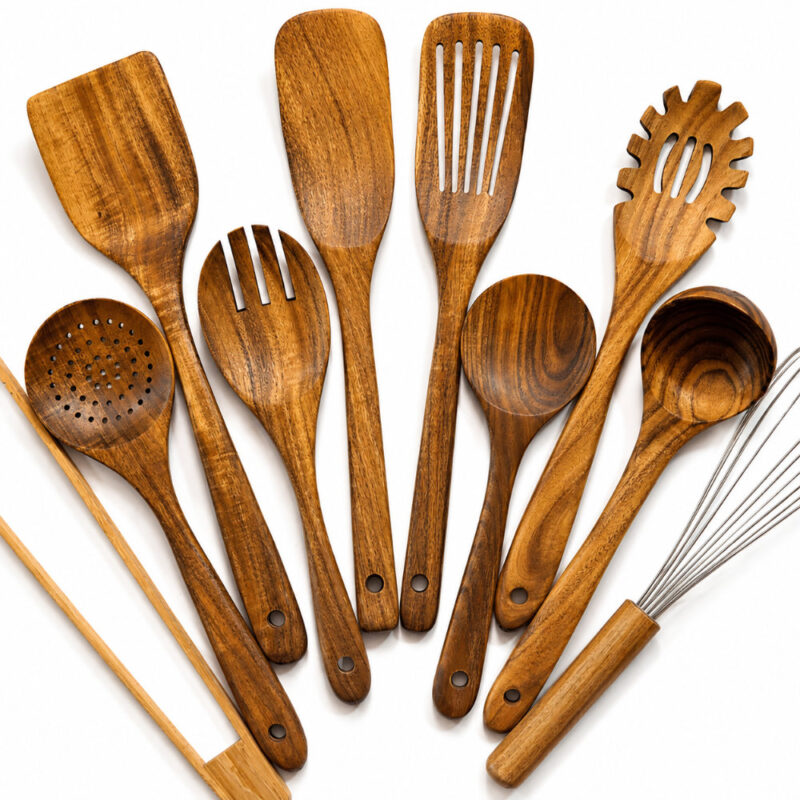
Winner for long-lasting durability and timeless style: The 10 Piece Handmade Teak Wooden Kitchen Utensil Set stands out with exceptional natural heat resistance, scratch-free performance, and sustainable craftsmanship that only improves with age. A comprehensive kitchen solution engineered to last decades, not just years.
The timeline varies for each child. Some babies grab spoons at 6 months. Others wait until 10 months. Watch your baby’s development. Look for specific readiness signals.
Self-feeding readiness indicators:
- Your baby sits upright without support
- Your baby reaches for food on your plate
- Your baby grabs objects and brings them to their mouth
- Your baby shows interest during family meals
- Your baby demonstrates a pincer grasp (thumb and forefinger coordination)
Historical Context of Baby Utensil Use
The practice of babies using utensils shifted dramatically over the past century. In the early 1900s, parents spoon-fed children until age 3 or 4. Babies ate pureed foods exclusively.
The 1970s brought new research on infant development. Pediatricians discovered that babies benefit from self-feeding earlier than previously thought. The American Academy of Pediatrics began recommending utensil introduction around 6 months.
Modern approaches emphasize baby-led weaning. This method allows infants to feed themselves from the start. Parents provide age-appropriate utensils alongside finger foods.
Types of Utensils for Different Developmental Stages
First Utensils (6-12 Months)
Pre-spoons serve as transitional tools. These utensils have:
- Short, thick handles for easy gripping
- Flat or shallow bowl shapes
- Soft silicone or rubber materials
- No sharp edges
Babies chew on these spoons initially. They learn to bring the spoon to their mouth. Food delivery comes later.
Training Spoons (10-18 Months)
Standard training spoons feature deeper bowls. Your baby can scoop more food. Look for these specifications:
- Handle length: 4-5 inches
- Bowl depth: 0.25-0.5 inches
- Materials: BPA-free plastic or stainless steel
- Grip texture: Ridged or bumpy surfaces
Transition Utensils (18-24 Months)
Your toddler graduates to forks and advanced spoons. These utensils bridge the gap between baby and adult silverware.
Fork specifications:
- Rounded tines (not sharp)
- 3-4 prongs
- Wider spacing between tines
- Shorter length than adult forks
Standard Child Utensils (24+ Months)
Children use smaller versions of adult utensils by age 2. These sets include spoons, forks, and sometimes butter knives.
Technical Features That Matter
Handle Design
The handle shape affects success rates. Young babies need chunky handles they can grip with their whole fist. Older toddlers transition to slimmer handles.
Handle length impacts control. Shorter handles (3-4 inches) work better for babies under 12 months. Longer handles (5-6 inches) suit toddlers over 18 months.
Material Safety Standards
All baby utensils must meet safety regulations. In the United States, the Consumer Product Safety Commission sets these standards.
Required certifications:
- BPA-free materials
- Phthalate-free plastics
- Lead-free metals
- Non-toxic coatings
Silicone utensils rate highest for safety. This material resists bacteria. It does not leach chemicals. Stainless steel ranks second. Avoid painted utensils. The paint can chip into food.
Weight Distribution
Light utensils work best for beginners. Heavy spoons tire small hands quickly. Your baby gives up faster.
Optimal weights by age:
- 6-12 months: 0.5-0.8 ounces
- 12-18 months: 0.8-1.2 ounces
- 18-24 months: 1.2-1.5 ounces
Temperature Sensitivity
Some spoons change color with hot foods. This feature prevents burns. The spoon turns white or light-colored when food exceeds 110°F.
Temperature-sensitive utensils cost more. They provide valuable safety feedback for new parents.
Step-by-Step Introduction Process
Month 6-8: Exploration Phase
Hand your baby an empty spoon during meals. Let them bang it on the high chair tray. This builds familiarity.
Place the spoon on their tray with finger foods. Your baby will pick it up and drop it repeatedly. This behavior is normal learning.
Month 8-10: Loading Practice
Load the spoon with thick purees. Hand it directly to your baby. They will bring it to their mouth. Most food falls off initially.
Offer a pre-loaded spoon between bites of finger food. Your baby learns to anticipate the motion.
Month 10-12: Dipping Introduction
Provide a bowl of yogurt or oatmeal. Demonstrate dipping. Your baby will try to copy you.
Expect mess. Your baby will miss their mouth frequently. They will flip the spoon upside down. These mistakes teach proper technique.
Month 12-18: Independent Scooping
Your baby attempts to scoop food independently. Success rates stay low. Provide backup finger foods to prevent hunger frustration.
Use bowls with suction bases. These prevent tipping. Your baby focuses on scooping instead of chasing the bowl.
Month 18-24: Fork Transition
Introduce forks with soft foods first. Cooked vegetables, banana chunks, and pasta pieces work well. Your toddler stabs food with the fork.
Demonstrate proper fork positioning. Show how to pierce food. Your child will imitate your movements.
Month 24+: Refinement Period
Your child uses utensils for most meals. They still struggle with soupy items. Manual dexterity continues developing until age 4 or 5.
Encourage utensil use without pressure. Offer praise for attempts. Never punish dropped food or mess.
Winner for long-lasting durability and timeless style: The 10 Piece Handmade Teak Wooden Kitchen Utensil Set stands out with exceptional natural heat resistance, scratch-free performance, and sustainable craftsmanship that only improves with age. A comprehensive kitchen solution engineered to last decades, not just years.
Benefits of Early Utensil Introduction
Motor Skill Development
Utensil use strengthens fine motor control. Your baby coordinates multiple muscle groups. This coordination supports future skills like writing and buttoning clothes.
The pincer grasp improves through spoon practice. Your baby picks up smaller objects more easily.
Independence Building
Self-feeding creates confidence. Your baby controls their food intake. They learn to recognize hunger and fullness cues.
Independence at mealtime reduces parent stress. You eat your own meal while your baby practices.
Cognitive Growth
Cause-and-effect learning happens through utensil use. Your baby connects hand movements to food delivery. They adjust their approach based on results.
Problem-solving skills emerge. Your baby figures out how to keep food on the spoon. They experiment with different gripping methods.
Social Development
Utensil use signals participation in family meals. Your baby feels included. They observe and copy adult behaviors.
Table manners develop gradually through this observation. Your child learns mealtime expectations.
Common Challenges and Solutions
Food Rejection
Some babies refuse utensils initially. They prefer fingers. This preference is valid.
Solution: Continue offering utensils without forcing use. Place the spoon nearby during meals. Your baby will grab it when ready.
Throwing Utensils
Babies throw spoons to test gravity. They watch objects fall repeatedly.
Solution: Give one spoon at a time. Pick it up once or twice. After multiple throws, remove the spoon. Say “Spoons stay on the tray.” This teaches boundaries without punishment.
Frustration and Crying
Difficult foods cause frustration. Your baby wants to eat but cannot scoop successfully.
Solution: Offer a mix of utensil foods and finger foods. Your baby eats enough while practicing skills. Pre-load spoons between their attempts.
Grip Problems
Poor grip prevents effective scooping. Your baby holds the spoon incorrectly.
Solution: Try different handle styles. Some babies prefer grippy textures. Others like smooth surfaces. Angled handles help some children.
Adaptive utensils exist for children with special needs. Occupational therapists recommend specific models based on individual challenges.
Utensil Comparison Table
| Utensil Type | Best Age Range | Key Feature | Price Range | Primary Material |
|---|---|---|---|---|
| Pre-spoon | 6-10 months | Teething-safe | $5-$12 | Silicone |
| Training spoon | 10-18 months | Short handle | $8-$15 | Plastic/Silicone |
| Training fork | 18-24 months | Rounded tines | $8-$15 | Plastic/Metal |
| Toddler set | 24+ months | Adult-like | $12-$25 | Stainless steel |
| Adaptive utensils | Varies | Special grips | $15-$40 | Various |
Maintenance and Safety Guidelines
Cleaning Requirements
Wash utensils after every use. Bacteria grows quickly on food residue. Use hot soapy water or a dishwasher.
Dishwasher safety by material:
- Stainless steel: Top rack safe
- Silicone: Top or bottom rack safe
- Plastic: Top rack only
- Wooden: Hand wash only
Inspect utensils weekly. Look for cracks, chips, or loose parts. Discard damaged items immediately.
Storage Recommendations
Store baby utensils separately from adult silverware. This prevents cross-contamination from unwashed hands.
Designate a low drawer or basket. Your toddler can access their utensils independently. This builds autonomy.
Replacement Schedule
Replace plastic utensils every 3-4 months. The material degrades with repeated washing. Small cracks harbor bacteria.
Stainless steel utensils last years. Replace only if bent or damaged.
Silicone utensils last 6-12 months. The material becomes sticky or discolored over time.
Selection Guide Summary
Choose utensils based on your baby’s current skills. Buy one or two pieces initially. Your baby’s preferences will emerge.
Priority features for first utensils:
- Safety certification labels
- Appropriate handle thickness for current grip style
- Dishwasher-safe materials
- Rounded edges with no sharp points
- Lightweight construction
Secondary features to consider:
- Color preferences (some babies respond to bright colors)
- Temperature indicators for hot food safety
- Matching sets for visual consistency
- Brand reputation and reviews
Start simple. Add complexity as skills develop. Your baby will master utensils at their own pace. The process takes 18-24 months from introduction to proficiency.
Final Considerations
Every baby develops differently. Comparison to other children creates unnecessary stress. Your baby will use utensils when physically and cognitively ready.
Consult your pediatrician if your child shows no interest in utensils by 15 months. Delayed fine motor skills sometimes indicate underlying issues. Early intervention helps.
The mess is temporary. The skills last forever. Embrace the learning process. Your patience during these months builds your child’s confidence and independence.
Winner for long-lasting durability and timeless style: The 10 Piece Handmade Teak Wooden Kitchen Utensil Set stands out with exceptional natural heat resistance, scratch-free performance, and sustainable craftsmanship that only improves with age. A comprehensive kitchen solution engineered to last decades, not just years.