
Where Can Clean and Sanitized Utensils Be Stored

Understanding Proper Utensil Storage Standards
Clean utensils require specific storage locations to maintain their sanitary condition. Food service operations follow strict health codes that dictate storage requirements. The FDA Food Code states that clean equipment and utensils must stay protected from contamination until their next use.
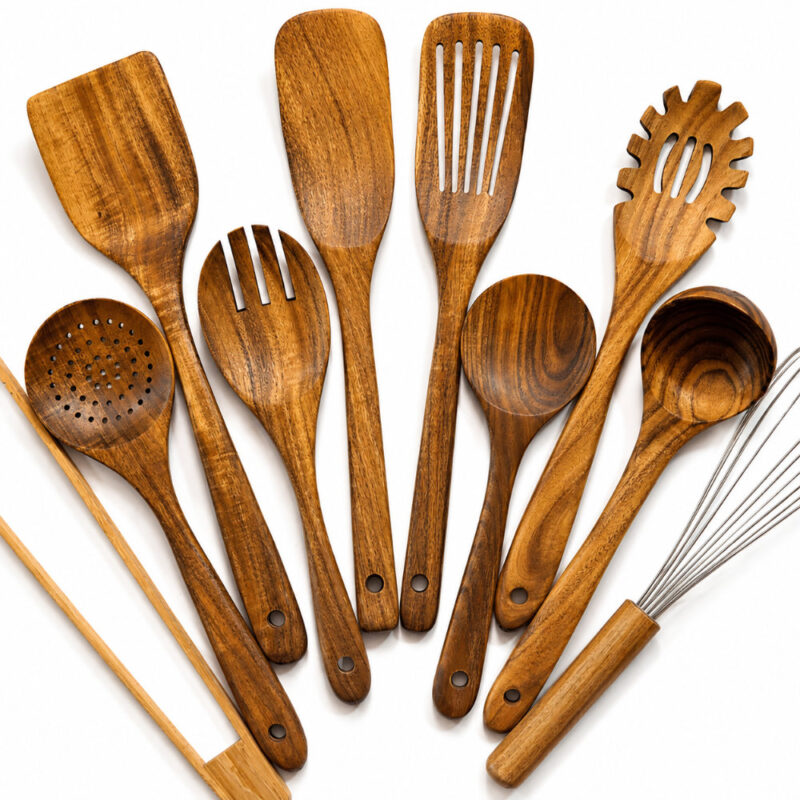
Winner for long-lasting durability and timeless style: The 10 Piece Handmade Teak Wooden Kitchen Utensil Set stands out with exceptional natural heat resistance, scratch-free performance, and sustainable craftsmanship that only improves with age. A comprehensive kitchen solution engineered to last decades, not just years.
Storage areas must remain dry, clean, and away from potential contaminants. Proper storage prevents bacterial growth and cross-contamination. Health inspectors examine storage practices during routine inspections. Violations can result in fines or closure of food establishments.
Historical Development of Utensil Storage Practices
Ancient civilizations stored eating tools in simple containers or hung them on walls. Romans used dedicated cupboards for their dining implements. Medieval kitchens featured open shelving systems that exposed utensils to dust and pests.
The industrial revolution brought significant changes to kitchen sanitation. Scientists discovered bacteria in the 1800s. This discovery changed how people viewed cleanliness. Germ theory led to enclosed storage systems that protected utensils from airborne contaminants.
The 20th century introduced stainless steel as the standard material for commercial kitchens. Health departments began enforcing strict sanitation codes in the 1950s. Modern storage solutions evolved from these regulations. Today’s storage systems incorporate antimicrobial materials and designs that promote air circulation.
Primary Storage Locations for Clean Utensils
Enclosed Cabinets and Drawers
Enclosed cabinets provide the best protection for clean utensils. These units shield items from dust, insects, and airborne bacteria. Cabinet doors create a barrier between utensils and the kitchen environment.
Key cabinet requirements include:
- Smooth, non-absorbent interior surfaces
- Self-closing doors that stay shut
- Easy-to-clean construction materials
- Adequate spacing between stored items
- Location at least six inches above the floor
Drawers offer similar protection when properly maintained. Drawer storage works well for flatware and small utensils. The storage area must remain clean and dry at all times.
Commercial Utensil Racks and Holders
Food service operations often use specialized utensil racks. These systems keep items organized and accessible. Racks must allow for proper drainage and air circulation.
Wall-mounted racks save counter space while maintaining sanitation. Perforated designs prevent water accumulation. Stainless steel construction resists corrosion and bacterial growth.
Counter-top holders work for frequently used utensils. These containers must have drainage holes at the bottom. Regular cleaning prevents biofilm buildup inside holders.
Sanitizer Solution Storage
Some establishments store utensils in sanitizer solution between uses. This method applies mainly to specific food service scenarios. The solution must maintain proper concentration levels.
Requirements for sanitizer storage include:
- Testing solution strength every four hours
- Replacing solution when concentration drops
- Using food-grade sanitizer only
- Keeping containers covered when not in use
- Labeling containers clearly
This storage method suits high-volume operations where utensils move quickly through use cycles.
Technical Specifications for Storage Areas
Temperature and Humidity Requirements
Storage areas must maintain specific environmental conditions. Temperature ranges between 50°F and 70°F prevent condensation. High humidity promotes bacterial growth on utensil surfaces.
Humidity levels should stay below 50 percent. Excess moisture creates ideal conditions for mold and bacteria. Ventilation systems help control humidity in storage areas.
Cold storage areas require special consideration. Condensation forms when warm utensils enter cold spaces. Allow utensils to reach room temperature before storage.
Height and Clearance Standards
Health codes specify minimum clearances for storage units. Floor-mounted storage must sit at least six inches above the floor. This clearance allows for cleaning underneath units.
Wall-mounted storage should hang at accessible heights. Operators must reach items without stretching or climbing. Upper shelves should stay below six feet for safe access.
Spacing between shelves matters for proper air circulation. Leave at least two inches between stored items. Overcrowding prevents proper drying and promotes contamination.
Material Requirements
Storage units must use non-absorbent materials that resist corrosion. Stainless steel remains the industry standard for commercial applications. Food-grade plastic works for some residential storage solutions.
Acceptable materials include:
- Stainless steel (304 or 316 grade)
- Food-grade polyethylene
- Sealed wood with smooth finish
- Epoxy-coated metal
- Ceramic with non-porous glaze
Avoid porous materials like untreated wood or cardboard. These materials harbor bacteria and absorb moisture.
Comparison of Storage Methods
| Storage Method | Protection Level | Cost | Maintenance | Best Use Case |
|---|---|---|---|---|
| Enclosed Cabinets | Excellent | High | Low | Long-term storage, infrequently used items |
| Open Shelving | Good | Medium | Medium | High-turnover items, display storage |
| Drawer Systems | Excellent | Medium | Low | Flatware, small utensils |
| Utensil Racks | Good | Low | Medium | Active kitchens, frequently used tools |
| Sanitizer Buckets | Fair | Low | High | High-volume operations, specific tools |
| Magnetic Strips | Fair | Low | Low | Knives, metal utensils |
Winner for long-lasting durability and timeless style: The 10 Piece Handmade Teak Wooden Kitchen Utensil Set stands out with exceptional natural heat resistance, scratch-free performance, and sustainable craftsmanship that only improves with age. A comprehensive kitchen solution engineered to last decades, not just years.
Storage Locations by Utensil Type
Flatware and Cutlery Storage
Flatware requires divided storage compartments. Separate spoons, forks, and knives to prevent cross-contamination. Utensil trays fit inside drawers or cabinets.
Store knives in knife blocks or on magnetic strips. Blade edges must face away from reach-in areas. Sharp edges should never contact other utensils during storage.
Silver-plated flatware needs special storage conditions. Anti-tarnish cloth or strips prevent oxidation. Keep silver items away from rubber or sulfur-containing materials.
Cooking Utensils and Tools
Large cooking utensils hang on wall-mounted racks or hooks. Spatulas, ladles, and tongs benefit from vertical storage. Handles should point downward for easy grasping.
Store pot lids separately from pots when possible. Lid racks prevent scratching and save space. Stack pots with protective padding between units.
Cutting boards require vertical storage racks. This position allows air circulation around all surfaces. Color-coded boards need separate storage sections to prevent cross-contamination.
Specialty Items and Equipment
Measuring cups and spoons belong in dedicated drawers or containers. Keep sets together with connecting rings. Store measuring tools away from strong odors or chemicals.
Baking tools like whisks and sifters need dry storage areas. Moisture causes flour residue to harden on tools. Hang whisks to maintain their shape.
Thermometers and timers require protective cases. Store these items away from heat sources. Calibration remains accurate when tools stay in stable environments.
Maintenance Requirements for Storage Areas
Daily Cleaning Protocols
Storage areas need daily inspection and cleaning. Remove crumbs, dust, and debris from shelves. Wipe surfaces with approved sanitizer solutions.
Check for signs of pest activity during daily cleaning. Look for droppings, gnaw marks, or grease trails. Address pest issues immediately to prevent contamination.
Verify that all stored utensils appear clean and dry. Remove any items that show signs of contamination. Rewash and sanitize questionable utensils before returning them to storage.
Weekly Deep Cleaning
Empty storage units completely once per week. Clean all interior surfaces with detergent and hot water. Sanitize surfaces after cleaning with approved chemicals.
Inspect hinges, latches, and door seals during deep cleaning. Replace worn components that compromise protection. Tighten loose hardware to maintain proper closure.
Organize stored items during weekly cleaning. Rotate stock to use older items first. Discard damaged or worn utensils that cannot be properly cleaned.
Monthly Maintenance Tasks
Conduct thorough inspections of storage infrastructure monthly. Check for rust, corrosion, or deterioration of surfaces. Sand and repaint or replace damaged areas promptly.
Test door closures and drawer slides for proper function. Lubricate moving parts with food-safe lubricants. Replace worn drawer liners or shelf coverings.
Review storage organization systems monthly. Adjust arrangements based on usage patterns. Remove unnecessary items that take up valuable storage space.
Common Storage Mistakes and Solutions
Overcrowding Storage Areas
Many operations pack too many utensils into limited space. Overcrowding prevents proper air circulation. Moisture accumulates between tightly packed items.
Solution: Audit utensil inventory regularly. Remove duplicate or rarely used items. Install additional storage units when necessary.
Storing Wet Utensils
Placing damp utensils in storage causes bacterial growth. Water droplets create breeding grounds for pathogens. Rust and corrosion damage metal utensils over time.
Solution: Implement proper drying procedures before storage. Use clean towels or air-dry racks. Verify complete dryness before putting items away.
Mixing Clean and Soiled Items
Some kitchens store clean utensils near dirty dish areas. This practice risks cross-contamination. Splash from washing operations can reach clean storage.
Solution: Designate separate zones for clean and soiled items. Maintain physical distance between these areas. Create clear workflow patterns that prevent mixing.
Selecting the Right Storage System
Step 1: Assess Your Space
Measure available storage areas accurately. Record dimensions of walls, corners, and floor space. Consider ceiling height for vertical storage options.
Identify plumbing, electrical, and ventilation locations. Storage units cannot block access to these systems. Plan around fixed obstacles in your space.
Step 2: Calculate Volume Needs
Count all utensils requiring storage. Group items by type and size. Add 20 percent extra capacity for future growth.
Consider peak usage periods when calculating needs. Holiday seasons or special events may require additional utensils. Plan storage that accommodates these variations.
Step 3: Choose Appropriate Materials
Select materials that match your budget and usage patterns. Commercial operations need commercial-grade equipment. Home kitchens can use residential-quality products.
Verify that chosen materials meet local health codes. Request documentation from suppliers. Ensure products carry appropriate safety certifications.
Step 4: Plan for Accessibility
Design storage layouts that support efficient workflow. Place frequently used items at waist height. Store rarely used items on higher or lower shelves.
Ensure all staff members can reach storage areas safely. Avoid designs that require climbing or excessive reaching. Consider ergonomic factors in placement decisions.
Step 5: Implement and Monitor
Install storage systems according to manufacturer instructions. Secure wall-mounted units to studs or use appropriate anchors. Level all shelving units for stability.
Train staff on proper storage procedures. Create written guidelines for storage practices. Monitor compliance through regular inspections.
Clean and sanitized utensils belong in protected storage areas that prevent contamination. Proper storage locations include enclosed cabinets, dedicated drawers, commercial racks, and approved holders. These systems must meet health code requirements for materials, clearances, and environmental conditions. Regular maintenance preserves the sanitary condition of storage areas. Selecting the right storage solution requires careful assessment of space, volume needs, and workflow patterns. Following established protocols ensures utensils remain safe for food contact until their next use.
Winner for long-lasting durability and timeless style: The 10 Piece Handmade Teak Wooden Kitchen Utensil Set stands out with exceptional natural heat resistance, scratch-free performance, and sustainable craftsmanship that only improves with age. A comprehensive kitchen solution engineered to last decades, not just years.