
Why Aluminium Is Used for Making Cooking Utensils

The Science Behind Aluminium Cookware
Aluminium stands as one of the most popular materials for cooking utensils across commercial kitchens and home settings. This metal possesses unique physical properties that make it ideal for heat-based food preparation.
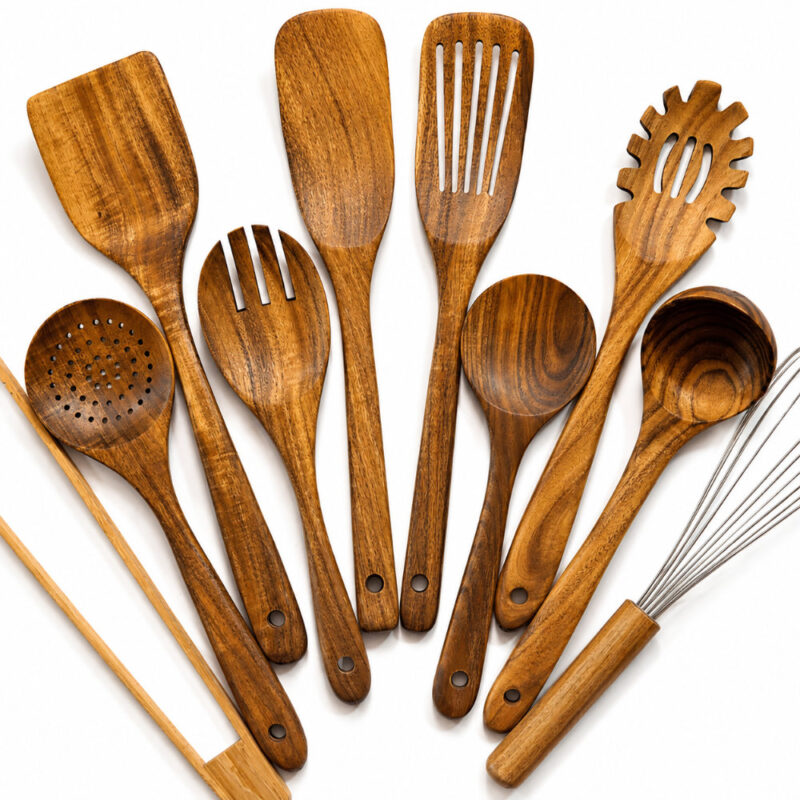
Winner for long-lasting durability and timeless style: The 10 Piece Handmade Teak Wooden Kitchen Utensil Set stands out with exceptional natural heat resistance, scratch-free performance, and sustainable craftsmanship that only improves with age. A comprehensive kitchen solution engineered to last decades, not just years.
Thermal conductivity ranks as aluminium’s most valuable characteristic. The metal conducts heat at 237 watts per meter-kelvin. This rate exceeds stainless steel by approximately five times. Food cooks evenly across the entire surface. Hot spots rarely develop on aluminium pans and pots.
The material heats up rapidly. A typical aluminium pan reaches cooking temperature in 60-90 seconds. Stainless steel requires three to four minutes for the same result. This speed saves energy and reduces cooking time.
Density affects how cookware performs. Aluminium weighs 2.7 grams per cubic centimeter. Copper weighs 8.96 grams per cubic centimeter. Iron weighs 7.87 grams per cubic centimeter. Cooks can lift and maneuver aluminium pots with minimal effort. This lightweight nature prevents wrist strain during extended cooking sessions.
Historical Development of Aluminium Cookware
The commercial production of aluminium began in the 1880s. Before this period, aluminium cost more than gold. The Hall-Héroult process changed everything in 1886. This electrolytic method reduced production costs by 90 percent within five years.
Manufacturers introduced the first aluminium cooking pots in 1890. The Aluminum Cooking Utensil Company launched operations in Pennsylvania. Early adopters praised the lightweight design and quick heating properties.
Mass production accelerated during the 1900s. World War I created demand for lightweight mess kits. Military contracts expanded aluminium manufacturing capacity. Civilian markets benefited from this industrial growth after 1918.
The 1950s brought anodized aluminium cookware to consumers. This electrochemical process creates a protective oxide layer. The surface becomes harder and more resistant to corrosion. Color options expanded beyond plain silver finishes.
Non-stick coatings arrived in the 1960s. Teflon-coated aluminium pans revolutionized home cooking. Food release improved dramatically. Cleaning became effortless compared to bare metal surfaces.
Key Properties That Make Aluminium Ideal
Superior Heat Distribution
Aluminium transfers thermal energy uniformly across its surface. This property prevents burning in specific spots while other areas remain undercooked. Sauces simmer consistently. Proteins brown evenly. Vegetables sauté without charring.
The metal responds quickly to temperature changes. Reducing burner heat immediately lowers pan temperature. Cooks gain precise control over cooking intensity. Delicate dishes like eggs and fish require this responsiveness.
Cost Effectiveness
Aluminium cookware costs 40-60 percent less than copper alternatives. Stainless steel with aluminium cores falls in the middle price range. Pure aluminium pans offer the most budget-friendly option.
Manufacturing processes for aluminium require less energy than steel production. These savings transfer to consumers. Entry-level cooks can outfit entire kitchens without significant investment.
Corrosion Resistance
Pure aluminium reacts with oxygen instantly. This reaction creates a protective aluminium oxide layer. The coating measures only nanometers thick but provides excellent protection. The metal underneath remains unaffected by moisture and air.
Anodized versions enhance this natural resistance. The anodizing process thickens the oxide layer to 5-25 microns. Pots and pans withstand acidic ingredients like tomatoes and citrus without degradation.
Recyclability
Aluminium maintains its properties through infinite recycling cycles. Melting and reforming the metal requires only 5 percent of the energy needed for primary production. Approximately 75 percent of all aluminium ever produced remains in use today.
Old cookware can return to manufacturing streams. This circular economy reduces environmental impact. Consumers can dispose of worn utensils responsibly through scrap metal collection programs.
Types of Aluminium Cookware
Cast Aluminium
Manufacturers pour molten metal into molds for cast aluminium products. The resulting cookware features thick walls and heavy construction. Heat retention improves compared to pressed aluminium. Dutch ovens and grill pans commonly use this manufacturing method.
Cast pieces resist warping on high heat. The thickness provides structural stability. Prices exceed stamped aluminium by 50-100 percent.
Stamped Aluminium
Stamping machines cut and form flat aluminium sheets. This process creates lightweight pans and pots. Production costs remain low. Most budget cookware uses stamped construction.
The thinner walls heat faster but retain less thermal energy. Stamped pans work well for quick cooking tasks. Sautéing vegetables and searing meats produce good results.
Hard-Anodized Aluminium
Anodizing transforms the metal surface through electrochemical reactions. The process hardens the exterior to rival stainless steel. Scratch resistance improves significantly. Dark gray or black finishes distinguish anodized products.
These utensils handle metal spatulas without damage. The surface releases food better than plain aluminium. Prices fall between basic aluminium and stainless steel options.
Aluminium-Core Cookware
Premium brands sandwich aluminium between stainless steel layers. The aluminium core provides thermal conductivity. Stainless steel exterior offers durability and appearance. Manufacturers call this construction “tri-ply” or “clad.”
Professional chefs favor this hybrid design. The stainless cooking surface remains non-reactive. Acidic foods maintain true flavors. Heat distribution matches pure aluminium performance.
Comparison with Other Cookware Materials
| Material | Thermal Conductivity | Weight | Cost | Durability | Reactivity |
|---|---|---|---|---|---|
| Aluminium | Excellent | Light | Low | Good | Moderate |
| Stainless Steel | Poor | Medium | Medium | Excellent | None |
| Copper | Outstanding | Heavy | Very High | Good | High |
| Cast Iron | Fair | Very Heavy | Low | Excellent | Moderate |
| Carbon Steel | Good | Medium | Low | Very Good | High |
This comparison reveals aluminium’s balanced advantages. No single material excels in every category. Aluminium offers the best combination of performance and affordability for most cooking applications.
Health and Safety Considerations
Research into aluminium exposure through cookware has produced mixed findings. The human body naturally contains 30-50 milligrams of aluminium. Daily intake from all sources averages 7-9 milligrams.
Studies show minimal aluminium leaching from modern cookware. Anodized surfaces release virtually no metal into food. Cooking acidic dishes in plain aluminium increases transfer slightly. The amounts remain far below levels considered harmful by health organizations.
The World Health Organization sets a tolerable weekly intake at 2 milligrams per kilogram of body weight. A 70-kilogram person can safely consume 140 milligrams weekly. Cookware contributes less than 5 percent of total dietary exposure. Food additives and antacids contain significantly more aluminium.
Proper usage eliminates most concerns:
- Avoid storing acidic foods in aluminium containers
- Use wooden or silicone utensils to prevent surface scratching
- Replace pots showing pitting or heavy wear
- Choose anodized versions for regular use with acidic ingredients
Winner for long-lasting durability and timeless style: The 10 Piece Handmade Teak Wooden Kitchen Utensil Set stands out with exceptional natural heat resistance, scratch-free performance, and sustainable craftsmanship that only improves with age. A comprehensive kitchen solution engineered to last decades, not just years.
Maintenance and Care Guidelines
Daily Cleaning
Hand washing preserves aluminium cookware better than dishwashers. Hot water and mild dish soap remove most residues. Soft sponges prevent scratching. Abrasive cleaners damage the surface and increase reactivity.
Stubborn food particles respond to baking soda paste. Mix three parts baking soda with one part water. Apply to affected areas and scrub gently. Rinse thoroughly and dry immediately.
Removing Discoloration
Aluminium darkens naturally over time. This oxidation does not affect performance. Boiling acidic solutions restores brightness. Fill the pot with water and add two tablespoons of cream of tartar or lemon juice. Boil for 10 minutes. The dark stains disappear.
Commercial aluminium cleaners work faster. Follow manufacturer instructions carefully. These products contain mild acids or polishing compounds.
Preventing Damage
Temperature extremes cause warping. Never place hot aluminium directly under cold water. Let cookware cool gradually at room temperature. This practice maintains flat bottoms and prevents structural stress.
Store pots and pans carefully. Stack with soft cloth or paper towels between pieces. This protection prevents scratches. Hanging storage eliminates stacking concerns entirely.
Seasoning Non-Anodized Aluminium
Some cooks season plain aluminium like cast iron. Coat the interior with vegetable oil. Heat in a 300°F oven for one hour. This process builds a natural non-stick patina. Repeat every few months to maintain the coating.
Selecting the Right Aluminium Cookware
Assess Your Cooking Style
Frequent high-heat cooking requires thicker gauge aluminium. Look for 3-4 millimeter thickness in pan bottoms. This construction prevents warping and provides even heat distribution.
Low to medium heat cooking works well with standard gauge cookware. Everyday tasks like boiling pasta or steaming vegetables need minimal thickness. Budget options perform adequately for these applications.
Check Construction Quality
Examine handles and rivets carefully. Handles should attach with multiple rivets. Welded handles fail more quickly than riveted versions. The connection should feel solid without movement.
Inspect the cooking surface for smoothness. Quality control at manufacturing prevents defects. Rough patches or indentations indicate poor production standards.
Consider Non-Stick Coatings
Modern ceramic and PTFE coatings enhance aluminium performance. Non-stick surfaces require less oil or butter. Food releases easily even at lower temperatures. These benefits come with maintenance requirements.
Non-stick coatings wear out over time. Expect 3-5 years of use with proper care. Metal utensils and high heat accelerate degradation. Budget for replacement when planning cookware investments.
Match Size to Burner Dimensions
Pan diameter should match or slightly exceed burner size. Oversized pans waste energy and heat unevenly. Undersized options concentrate heat in small areas. Measure your stovetop burners before purchasing.
Standard sizes include 8-inch, 10-inch, and 12-inch skillets. Stock pots range from 6 to 16 quarts. Most home cooks need three skillets and two pots for complete versatility.
Environmental Impact and Sustainability
Aluminium production requires significant energy input. Extracting metal from bauxite ore consumes approximately 15 kilowatt-hours per kilogram. This energy demand has environmental consequences.
Recycling dramatically reduces this footprint. Secondary aluminium production uses 95 percent less energy. The global recycling rate for aluminium exceeds 65 percent. Cookware recycling programs continue expanding worldwide.
Durability extends product lifespan. Quality aluminium utensils serve households for 10-20 years. This longevity reduces replacement frequency. Fewer manufacturing cycles mean lower cumulative environmental impact.
Manufacturers increasingly use recycled content. Some brands incorporate 50-80 percent post-consumer aluminium. This practice conserves natural resources while maintaining product quality.
Professional Kitchen Applications
Commercial kitchens rely heavily on aluminium cookware. Restaurants value the combination of performance and economy. High-volume cooking demands durability and rapid heat response.
Sheet pan production uses almost exclusively aluminium. These essential tools handle everything from baking cookies to roasting vegetables. Lightweight construction allows staff to handle multiple pans simultaneously.
Stock pots in commercial settings typically use aluminium. Large capacity vessels benefit from reduced weight. A 20-quart aluminium pot weighs 40 percent less than stainless steel equivalents. Kitchen staff appreciate this ergonomic advantage during service hours.
Sauté pans and sauciers in professional settings often feature aluminium construction. Quick temperature changes support complex cooking techniques. Sauce reduction requires precise heat control that aluminium provides.
The Future of Aluminium Cookware
Material science continues advancing aluminium applications. New alloy compositions improve strength without sacrificing thermal properties. These developments enhance durability and extend product lifespans.
Coating technology evolves rapidly. Next-generation non-stick surfaces promise better release properties and increased longevity. Some experimental coatings withstand metal utensils and dishwasher cycles without degradation.
Manufacturing processes become more sustainable. Renewable energy powers increasing percentages of aluminium production. Carbon-neutral smelting operations may become industry standards within the next decade.
Smart cookware integration represents emerging innovation. Sensors embedded in aluminium bases monitor temperature precisely. Connected devices communicate with induction cooktops for automated heat adjustment. These advances combine traditional material benefits with modern technology.
Conclusion
Aluminium dominates cookware markets for clear reasons. The metal conducts heat exceptionally well. Lightweight construction reduces physical strain. Affordable pricing makes quality cooking accessible. Recyclability supports environmental responsibility.
Modern treatments like anodizing and non-stick coatings address historical limitations. Health concerns remain minimal with proper usage. Maintenance requirements stay simple and straightforward.
Consumers gain excellent value from aluminium utensils. The material serves both budget-conscious beginners and experienced home cooks effectively. Professional kitchens demonstrate aluminium’s capability under demanding conditions.
Understanding these properties helps buyers make informed decisions. Match cookware characteristics to specific cooking needs. Consider construction quality and coating options carefully. Proper selection ensures years of reliable kitchen performance.
Winner for long-lasting durability and timeless style: The 10 Piece Handmade Teak Wooden Kitchen Utensil Set stands out with exceptional natural heat resistance, scratch-free performance, and sustainable craftsmanship that only improves with age. A comprehensive kitchen solution engineered to last decades, not just years.