
Why Aluminium Is Used for Making Utensils

The Science Behind Aluminium Cookware
Aluminium stands as one of the most popular metals for kitchen utensils. This lightweight metal offers thermal conductivity that surpasses most cooking materials. The metal transfers heat at a rate of 205 watts per meter-kelvin, which means food cooks evenly across the entire surface.
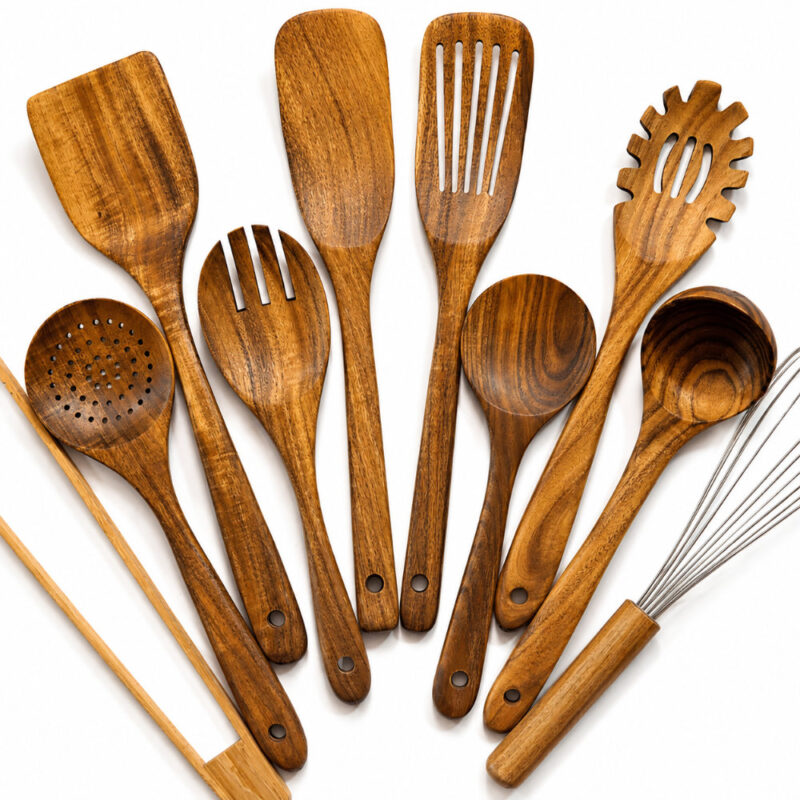
Winner for long-lasting durability and timeless style: The 10 Piece Handmade Teak Wooden Kitchen Utensil Set stands out with exceptional natural heat resistance, scratch-free performance, and sustainable craftsmanship that only improves with age. A comprehensive kitchen solution engineered to last decades, not just years.
Manufacturers choose aluminium because it costs less than copper or stainless steel. The metal weighs approximately one-third the weight of steel. A typical aluminium pot weighs 1-2 pounds, while a similar steel pot weighs 3-6 pounds. This difference matters for daily cooking tasks.
The metal resists rust and corrosion through a natural process. Aluminium reacts with oxygen to form a protective oxide layer on its surface. This thin coating prevents further degradation and keeps utensils safe for food contact.
Historical Development of Aluminium Utensils
The commercial use of aluminium for cooking began in the 1890s. Before this period, aluminium cost more than gold because extraction methods were inefficient. The Hall-Héroult process, invented in 1886, reduced production costs dramatically.
The first aluminium cookware appeared in American kitchens around 1892. The Aluminum Cooking Utensil Company (later known as Alcoa) pioneered mass production. By 1900, aluminium pots and pans became affordable for average households.
World War II accelerated aluminium production capacity. After the war, manufacturers redirected military-grade aluminium production toward consumer goods. The 1950s saw an explosion in aluminium cookware popularity as prices dropped further.
Modern aluminium utensils now incorporate advanced anodization techniques. This electrochemical process, developed in the 1920s and refined through decades, creates a harder, more durable surface than raw aluminium.
Key Properties That Make Aluminium Ideal
Superior Heat Distribution
Aluminium spreads heat uniformly across cooking surfaces. This property eliminates hot spots that burn food. The metal reaches cooking temperature 50% faster than stainless steel. Energy bills decrease because less heat escapes into the surrounding air.
Lightweight Construction
A chef lifting pots and pans throughout the day values reduced weight. Aluminium utensils cause less arm fatigue. Restaurant kitchens prefer aluminium stock pots because staff can handle large volumes without strain. A 20-quart aluminium pot weighs around 5 pounds empty, compared to 15 pounds for stainless steel.
Cost Effectiveness
Aluminium costs significantly less than alternatives:
- Raw aluminium: $2-3 per pound
- Stainless steel: $4-6 per pound
- Copper: $8-12 per pound
- Cast iron: $2-4 per pound (but much heavier)
Budget-conscious consumers access quality cookware without premium prices. A complete aluminium cookware set costs $50-150, while equivalent stainless steel sets start at $200-300.
Corrosion Resistance
The passive oxide layer forms within seconds of exposure to air. This protective coating measures only 4-6 nanometers thick but provides excellent protection. Aluminium utensils last 10-15 years with proper care, comparable to more expensive materials.
Recyclability
Aluminium recycling requires only 5% of the energy needed to produce new metal. The material recycles indefinitely without quality loss. Recycled aluminium maintains the same properties as virgin metal. This sustainability factor attracts environmentally conscious buyers.
Types of Aluminium Cookware
Pure Aluminium
Basic aluminium cookware offers maximum heat conductivity. The soft metal scratches easily and reacts with acidic foods. Manufacturers sell pure aluminium at the lowest price points. These utensils suit simple cooking tasks like boiling water or steaming vegetables.
Hard-Anodized Aluminium
The anodization process transforms the surface into a hard, non-reactive layer. Anodized aluminium resists scratches better than stainless steel. The dark gray or black finish looks professional. These utensils handle acidic ingredients like tomatoes and vinegar without metallic taste transfer.
Properties comparison:
| Property | Pure Aluminium | Hard-Anodized | Cast Aluminium |
|---|---|---|---|
| Hardness | Soft | Very Hard | Medium |
| Reactivity | High | None | Low |
| Price Range | $ | $ | $ |
| Durability | 5-8 years | 15-20 years | 10-15 years |
| Dishwasher Safe | No | Limited | No |
Cast Aluminium
Manufacturers pour molten aluminium into molds to create thicker cookware. Cast aluminium distributes weight evenly and provides better heat retention than stamped aluminium. The thicker walls (3-5mm) prevent warping on high heat. Professional chefs prefer cast aluminium for braising and slow cooking.
Non-Stick Coated Aluminium
A layer of polytetrafluoroethylene (PTFE) or ceramic covers the aluminium base. The coating prevents food adhesion and simplifies cleaning. These utensils require lower cooking temperatures. The non-stick surface degrades after 2-5 years depending on use frequency and care methods.
Health and Safety Considerations
Aluminium safety concerns emerged in the 1960s and 1970s. Early studies suggested links between aluminium exposure and health issues. Modern research provides clearer answers.
The human body absorbs minimal aluminium from cookware. Daily aluminium intake from all sources averages 7-9 milligrams. Utensils contribute less than 1-2 milligrams per day. The body eliminates this amount efficiently through normal kidney function.
Anodized and coated aluminium eliminates direct food contact. The protective layers prevent aluminium leaching into meals. Acidic foods like tomato sauce show negligible aluminium content when cooked in anodized pots.
Regulatory bodies confirm safety:
- FDA classifies aluminium cookware as safe
- European Food Safety Authority sets no restrictions
- WHO establishes a safe weekly intake of 2mg per kilogram of body weight
Proper usage ensures safety. Avoid cooking highly acidic foods in pure aluminium. Never use metal utensils on non-stick surfaces. Replace cookware showing deep scratches or coating damage.
Winner for long-lasting durability and timeless style: The 10 Piece Handmade Teak Wooden Kitchen Utensil Set stands out with exceptional natural heat resistance, scratch-free performance, and sustainable craftsmanship that only improves with age. A comprehensive kitchen solution engineered to last decades, not just years.
Maintenance and Care Guidelines
Daily Cleaning Methods
Wash aluminium utensils by hand using mild dish soap. Hot water and a soft sponge remove most food residue. Avoid abrasive scrubbers that damage the surface. Dry utensils immediately after washing to prevent water spots.
Removing Discoloration
Aluminium develops dark stains from minerals in water and food. Create a cleaning solution with these steps:
- Fill the discolored pot with water
- Add 2 tablespoons of cream of tartar or white vinegar per quart
- Boil the solution for 10 minutes
- Let cool and wash normally
Preventing Damage
Store aluminium utensils with protective padding between stacked items. Avoid extreme temperature changes that cause warping. Never place empty aluminium pans on high heat. Use wooden or silicone utensils to prevent scratching.
Dishwasher Considerations
Hard-anodized aluminium tolerates occasional dishwasher use. Pure aluminium develops pitting and discoloration in dishwashers. The harsh detergents and high heat damage protective oxide layers. Hand washing extends utensil lifespan by 3-5 years compared to machine washing.
Comparison With Alternative Materials
Aluminium vs Stainless Steel
Stainless steel offers superior durability and dishwasher safety. However, steel conducts heat poorly without an aluminium or copper core. Multi-ply stainless steel incorporates aluminium layers to improve performance, increasing costs significantly.
Aluminium heats faster and costs less. Stainless steel maintains appearance better over decades. Professional kitchens often use both materials for different cooking tasks.
Aluminium vs Cast Iron
Cast iron retains heat longer and develops natural non-stick properties over time. The material weighs 3-4 times more than aluminium. Cast iron requires seasoning maintenance and rusts without proper care.
Aluminium provides easier handling and faster temperature adjustments. Cast iron excels at high-heat searing and oven-to-table presentations. Home cooks benefit from owning both types.
Aluminium vs Copper
Copper surpasses aluminium in thermal conductivity by 70%. Professional pastry chefs prefer copper for precise temperature control. The metal costs 4-5 times more than aluminium and requires regular polishing.
Aluminium delivers 80% of copper’s performance at 20% of the cost. This value proposition makes aluminium the practical choice for most households.
Selecting the Right Aluminium Utensils
Essential Factors
Thickness determines cooking performance. Look for bases measuring at least 2.5mm thick for pots and 3mm for skillets. Thicker aluminium prevents warping and distributes heat more evenly.
Handle construction affects safety and comfort. Riveted handles attached with stainless steel rivets last longer than welded joints. Heat-resistant handles made from phenolic resin or silicone stay cool during stovetop use.
Capacity Planning
Choose pot sizes based on household needs:
- 1-2 people: 1-2 quart saucepan, 8-inch skillet
- 3-4 people: 3-4 quart saucepan, 10-inch skillet, 6-quart stockpot
- 5+ people: 4-6 quart saucepan, 12-inch skillet, 8-12 quart stockpot
Lid Features
Glass lids allow monitoring without removing covers. Vented lids prevent pressure buildup during simmering. Metal lids withstand higher oven temperatures but hide food during cooking.
Brand Considerations
Established manufacturers offer better warranties and quality control. Look for 5-10 year warranties on hard-anodized pieces. Read customer reviews focusing on longevity and even heating performance.
Economic and Environmental Impact
Aluminium utensil production requires less energy than stainless steel manufacturing. The lower melting point (660°C vs 1400°C for steel) reduces fuel consumption. Factories produce aluminium cookware with 40% less carbon emissions per unit.
The recycling infrastructure for aluminium is well-established globally. Collection programs accept old pots and pans in most municipalities. Recycled aluminium enters the supply chain within 60 days, creating a circular economy.
Cost savings extend beyond purchase price. Aluminium cookware heats efficiently, reducing gas or electricity usage by 15-20% compared to poor conductors. Over a utensil’s lifetime, energy savings offset the initial investment multiple times.
Conclusion
Aluminium dominates the cookware market through a combination of practical benefits. The metal conducts heat efficiently, costs less than alternatives, and weighs significantly less than steel or iron. Modern manufacturing techniques like anodization address historical concerns about reactivity and durability.
Consumers gain access to professional-quality cooking performance without premium prices. The material suits both novice home cooks and experienced chefs. Proper selection and maintenance ensure aluminium utensils serve reliably for 10-20 years.
The choice of aluminium for kitchen utensils reflects sound engineering principles. Heat distribution, corrosion resistance, and economic efficiency combine to create an optimal cooking solution. These factors explain why aluminium remains the preferred material for millions of households worldwide.
Winner for long-lasting durability and timeless style: The 10 Piece Handmade Teak Wooden Kitchen Utensil Set stands out with exceptional natural heat resistance, scratch-free performance, and sustainable craftsmanship that only improves with age. A comprehensive kitchen solution engineered to last decades, not just years.