
Are Black Nylon Cooking Utensils Safe?

Understanding Black Nylon Utensils
Black nylon cooking utensils appear in most modern kitchens. These tools include spatulas, spoons, ladles, and turners. The black color comes from added pigments or carbon black during manufacturing.
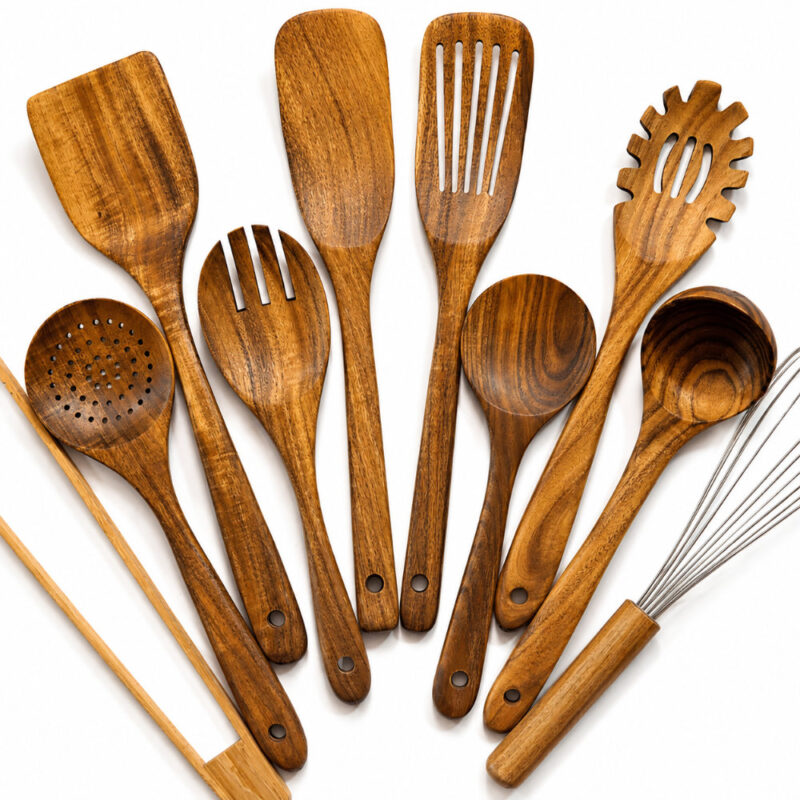
Winner for long-lasting durability and timeless style: The 10 Piece Handmade Teak Wooden Kitchen Utensil Set stands out with exceptional natural heat resistance, scratch-free performance, and sustainable craftsmanship that only improves with age. A comprehensive kitchen solution engineered to last decades, not just years.
Nylon is a synthetic polymer. Manufacturers create it through chemical processes. The material gained popularity in kitchens during the 1950s and 1960s. Cooks appreciated its heat resistance and flexibility.
The safety of black nylon utensils depends on several factors. Material quality matters most. Manufacturing standards determine the final product’s safety profile.
The History of Nylon Kitchen Tools
DuPont invented nylon in 1935. The company initially used it for toothbrush bristles and women’s stockings. Kitchen applications came later.
By the 1960s, manufacturers recognized nylon’s potential for cooking tools. The material resisted heat better than wood. It weighed less than metal. It cost less than silicone alternatives.
Black became a popular color choice. The dark pigment hid stains effectively. It matched modern kitchen aesthetics. Carbon black also provided additional structural benefits to the polymer.
Early nylon utensils had limitations. They melted at lower temperatures. Modern formulations improved significantly. Today’s heat-resistant nylon withstands temperatures up to 400°F (204°C).
Material Composition and Safety Concerns
What Makes Black Nylon Black
Three primary methods create the black color:
- Carbon black additive – Pure carbon particles mixed into the nylon
- Synthetic dyes – Chemical colorants added during production
- Pigment blends – Combination of various coloring agents
Carbon black raises specific safety questions. Some studies link certain carbon blacks to potential health concerns. Food-grade carbon black differs from industrial grades. The distinction matters for safety.
Chemical Leaching Potential
Nylon utensils can release small amounts of chemicals under certain conditions:
- High heat exposure – Temperatures above the rated limit
- Acidic foods – Lemon juice, tomato sauce, vinegar
- Extended contact time – Leaving utensils in hot pots
- Physical degradation – Scratches, chips, or wear marks
Research shows minimal leaching occurs under normal use conditions. The key phrase is “normal use conditions.” Exceeding temperature limits changes the equation.
BPA and Other Additives
Many consumers worry about BPA (Bisphenol A). This chemical appears in some plastics. Quality nylon utensils typically contain no BPA. Manufacturers use different polymer chains for nylon production.
Other additives deserve attention:
- Plasticizers for flexibility
- Stabilizers for UV protection
- Flame retardants for safety
- Antimicrobial agents for hygiene
Reputable brands disclose their additive profiles. Third-party testing confirms safety claims.
Temperature Limits and Heat Safety
Maximum Safe Temperatures
Different nylon grades tolerate different heat levels:
| Nylon Type | Maximum Temperature | Best Use Case |
|---|---|---|
| Standard Nylon 6 | 320°F (160°C) | Low-heat cooking |
| Nylon 66 | 400°F (204°C) | General cooking |
| Glass-filled Nylon | 450°F (232°C) | High-heat applications |
| Heat-stabilized Blends | 500°F (260°C) | Professional kitchens |
Most black nylon utensils use Nylon 66. This grade handles everyday cooking tasks safely.
Signs of Heat Damage
Watch for these warning indicators:
- Melted edges or tips
- Warping or bending
- Discoloration or fading
- Rough texture development
- Chemical odors during use
Damaged utensils require immediate replacement. Continued use risks chemical migration into food.
Comparing Black Nylon to Alternative Materials
Material Performance Matrix
Each utensil material offers distinct advantages:
Wood
- Natural and biodegradable
- Harbors bacteria in cracks
- Requires regular oiling
- Absorbs food odors
Silicone
- Heat resistant to 600°F
- Flexible and durable
- Higher cost point
- Can retain stains
Stainless Steel
- Extremely durable
- Scratches non-stick surfaces
- Conducts heat rapidly
- Heavy in hand
Black Nylon
- Moderate heat resistance
- Protects non-stick coatings
- Affordable pricing
- Lightweight design
Cost-Benefit Analysis
Black nylon utensils provide excellent value. A complete set costs $15-$40. Comparable silicone sets range from $30-$80. Stainless steel options span $25-$100.
The lower price point makes replacement easy. Users can refresh their utensil collection frequently. Fresh utensils reduce potential safety risks.
Quality Indicators for Safe Black Nylon Utensils
Certifications to Seek
Look for these safety certifications:
- FDA approval – Meets food contact standards
- LFGB certification – German safety requirements
- NSF International – Independent testing verification
- Prop 65 compliance – California chemical standards
Manufacturers display these marks on packaging. Absence of certifications signals potential quality concerns.
Brand Reputation Matters
Established kitchenware brands invest in safety testing. They maintain quality control systems. Their products undergo regular audits.
Unknown brands may cut corners. They might use inferior materials. Testing protocols might be minimal or absent.
Read customer reviews carefully. Look for mentions of melting, odors, or discoloration. These issues indicate poor quality control.
Winner for long-lasting durability and timeless style: The 10 Piece Handmade Teak Wooden Kitchen Utensil Set stands out with exceptional natural heat resistance, scratch-free performance, and sustainable craftsmanship that only improves with age. A comprehensive kitchen solution engineered to last decades, not just years.
Proper Use Guidelines for Maximum Safety
Temperature Management
Follow these heat safety rules:
- Keep utensils away from direct flame
- Remove from pots during high-heat cooking
- Avoid resting on hot stove surfaces
- Monitor oil temperature carefully
- Use lower heat settings when possible
Sautéing and simmering stay within safe ranges. Searing and deep-frying push temperature limits.
Food Type Considerations
Certain foods pose minimal risk:
- Water-based soups and stews
- Gentle egg scrambling
- Stirring rice or pasta
- Mixing cold salads
- Serving prepared dishes
High-risk applications include:
- Stirring thick sauces at high heat
- Scraping fond from hot pans
- Flipping foods in screaming-hot skillets
- Cooking acidic tomato sauces
- Extended contact with boiling liquids
Cleaning and Maintenance
Proper care extends utensil life and maintains safety:
Hand Washing
- Use warm soapy water
- Avoid abrasive scrubbers
- Rinse thoroughly
- Air dry completely
Dishwasher Use
- Place on top rack only
- Use gentle cycle settings
- Skip heated dry function
- Check for damage afterward
Replace utensils showing any wear signs. Scratches create crevices for bacteria. Degraded surfaces increase leaching potential.
Health Research and Scientific Evidence
Current Scientific Consensus
Multiple studies examined nylon cookware safety. The general conclusion supports safe use under proper conditions.
A 2018 study published in Food Additives & Contaminants found minimal migration from nylon utensils during normal cooking. Researchers tested various food types and temperatures.
The European Food Safety Authority maintains strict standards. Nylon utensils meeting EU regulations show excellent safety profiles.
Emerging Concerns
Recent research explores long-term exposure effects. Scientists study cumulative chemical exposure from multiple sources. Kitchen utensils represent one small contributor.
Microplastics receive increasing attention. Nylon utensils shed microscopic particles during use. The health impact remains unclear. Research continues in this area.
Some experts recommend precautionary approaches. They suggest rotating between different utensil materials. This strategy reduces exposure to any single material type.
Making the Purchase Decision
Questions to Ask Before Buying
Evaluate potential purchases using these criteria:
- Does the product list its maximum temperature rating?
- Can you verify the manufacturer’s reputation?
- Are safety certifications clearly displayed?
- Do customer reviews mention safety concerns?
- Does the price seem suspiciously low?
- Is the product specifically marketed for cooking?
- Does it come with care instructions?
Answering “no” to multiple questions suggests skipping that product.
Red Flags to Avoid
Steer clear of utensils with these characteristics:
- No brand identification
- Missing temperature specifications
- Chemical odors when new
- Extremely low pricing
- Vague origin information
- Generic “food safe” claims without certification
- Poor packaging quality
These indicators suggest compromised quality control. Safety testing might be inadequate or absent.
Environmental and Sustainability Factors
Disposal Considerations
Nylon utensils eventually reach end-of-life. They pose environmental challenges:
- Not biodegradable
- Rarely recyclable through municipal programs
- Persist in landfills indefinitely
- Require petroleum for production
Some manufacturers offer recycling programs. Check brand websites for takeback options.
Eco-Friendly Alternatives
Consumers prioritizing sustainability might consider:
- Bamboo utensils with minimal processing
- Organic wood from sustainable forests
- Recycled stainless steel options
- Plant-based bioplastic alternatives
Each alternative has tradeoffs. Bamboo requires more maintenance. Bioplastics have unclear safety profiles. Stainless steel damages non-stick surfaces.
The Verdict on Black Nylon Safety
Black nylon cooking utensils are safe for most cooking applications. Quality products from reputable manufacturers pose minimal health risks. Users must follow temperature guidelines strictly.
The safety equation includes multiple variables:
- Manufacturing quality standards
- Proper temperature management
- Regular inspection and replacement
- Appropriate food applications
- Correct cleaning methods
High-quality black nylon utensils serve home cooks well. They protect non-stick cookware effectively. They handle everyday cooking tasks without issue.
However, they represent a compromise choice. Silicone offers better heat resistance. Wood provides natural appeal. Stainless steel delivers superior durability.
Your specific needs determine the best choice. Budget-conscious cooks find excellent value in nylon. Those prioritizing maximum safety might prefer silicone. Environmental advocates lean toward wood or bamboo.
Check your current black nylon utensils regularly. Look for melting, warping, or discoloration. Replace damaged tools immediately. Buy from trusted brands displaying safety certifications.
Used properly, black nylon utensils provide safe, effective kitchen service. They deliver practical functionality at accessible prices. Follow the guidelines outlined above for worry-free cooking.
Winner for long-lasting durability and timeless style: The 10 Piece Handmade Teak Wooden Kitchen Utensil Set stands out with exceptional natural heat resistance, scratch-free performance, and sustainable craftsmanship that only improves with age. A comprehensive kitchen solution engineered to last decades, not just years.