
Are Black Silicone Kitchen Utensils Safe?

Understanding Black Silicone in Your Kitchen
Black silicone kitchen utensils have become standard equipment in modern kitchens. Home cooks and professional chefs use these tools daily. The question of safety matters because these utensils touch food at high temperatures.
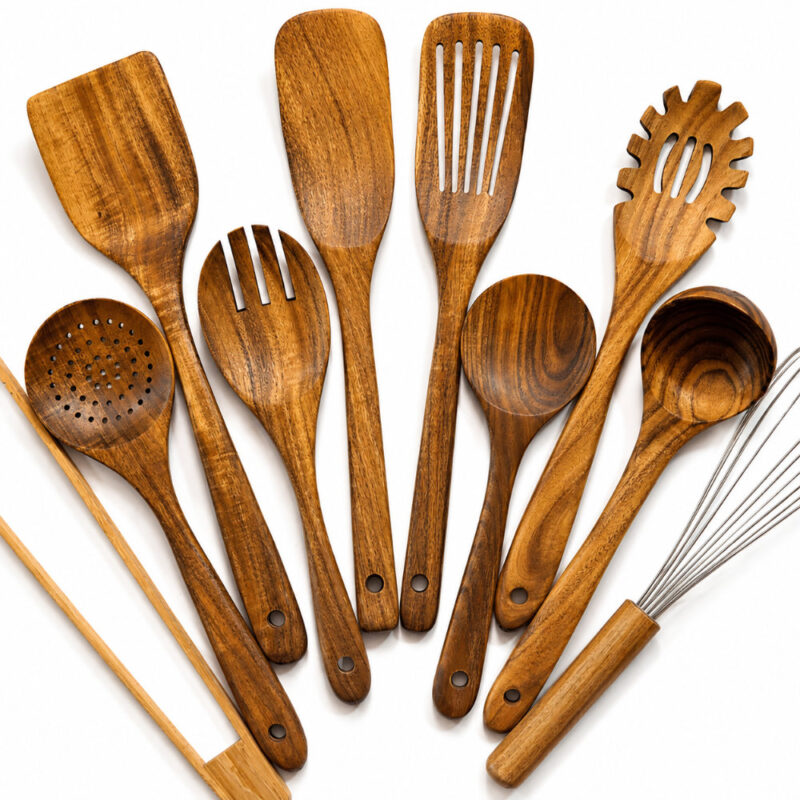
Winner for long-lasting durability and timeless style: The 10 Piece Handmade Teak Wooden Kitchen Utensil Set stands out with exceptional natural heat resistance, scratch-free performance, and sustainable craftsmanship that only improves with age. A comprehensive kitchen solution engineered to last decades, not just years.
Food-grade silicone forms the base material for quality kitchen utensils. Manufacturers create this substance from silica, oxygen, carbon, and hydrogen. The black color comes from added pigments during production. Pure silicone remains stable at cooking temperatures and does not release harmful chemicals into food.
The FDA regulates food-contact materials in the United States. Black silicone utensils that meet FDA standards contain no toxic additives. These tools resist heat up to 600°F (315°C) without breaking down or melting.
The Evolution of Kitchen Utensils
Traditional wooden and metal utensils dominated kitchens for centuries. Wood absorbs moisture and harbors bacteria. Metal conducts heat and scratches non-stick cookware. Plastic utensils melt at high temperatures and release questionable chemicals.
Silicone entered the kitchen market in the 1980s. Early products used clear or white silicone. The material solved multiple problems. It protected non-stick surfaces, tolerated high heat, and cleaned easily.
Black silicone utensils appeared in the 2000s. The dark color masked stains better than light-colored alternatives. Manufacturers discovered that consumers preferred the professional appearance of black kitchen tools. The color also matched modern kitchen aesthetics with stainless steel and dark countertops.
What Makes Silicone Safe for Cooking
Platinum-cured silicone represents the highest quality option. This production method uses platinum as a catalyst. The process creates a stable material without toxic byproducts. Medical-grade equipment uses this same type of silicone.
Peroxide-cured silicone costs less to produce. Manufacturers use organic peroxides as catalysts. This method can leave trace amounts of peroxide in the final product. Food-grade peroxide-cured silicone still meets safety standards, but platinum-cured offers superior purity.
The curing process matters more than the color. Black pigments themselves pose minimal risk when manufacturers use approved colorants. Carbon black, the most common pigment for black silicone, has received FDA approval for food contact use.
Key safety factors include:
- Chemical stability: Silicone molecules bind tightly and resist breaking down
- Non-porous surface: Bacteria cannot penetrate the material
- Temperature resistance: The structure remains intact during cooking
- Inert properties: Silicone does not react with acidic or alkaline foods
- No plasticizers: Unlike plastic, silicone contains no phthalates or BPA
Identifying Quality Black Silicone Utensils
Not all black silicone products offer equal safety. Some manufacturers add fillers to reduce costs. These fillers can include plastic, rubber, or low-grade silicone. Filler materials compromise heat resistance and may release chemicals during cooking.
The Pinch Test
The pinch test reveals filler content. Twist and pinch the silicone portion of the utensil. Pure silicone returns to its original shape immediately. White discoloration appears at the pinch point if fillers are present. This white line indicates the product contains cheaper materials mixed with silicone.
Weight and Flexibility
Quality black silicone utensils feel substantial but flexible. Lightweight utensils often contain excessive filler. The tool should bend smoothly without creasing or creating sharp angles.
Heat Exposure Test
Legitimate manufacturers list maximum temperature ratings. Quality black silicone maintains its shape and color at 450°F (232°C) or higher. Place a new utensil in a hot oven for 10 minutes at its rated temperature. The tool should emerge unchanged.
Comparison: Black Silicone vs. Other Materials
| Material | Heat Resistance | Non-Stick Safety | Durability | Bacteria Resistance | Dishwasher Safe |
|---|---|---|---|---|---|
| Black Silicone | Up to 600°F | Excellent | 5-10 years | Excellent | Yes |
| Wood | Up to 400°F | Good | 1-3 years | Poor | No |
| Metal | Very High | Poor (scratches) | 10+ years | Excellent | Yes |
| Plastic | Up to 200°F | Fair | 1-2 years | Fair | Sometimes |
| Nylon | Up to 400°F | Good | 2-5 years | Good | Yes |
Health Concerns and Scientific Evidence
Research on silicone safety spans several decades. Studies show that food-grade silicone does not leach harmful substances under normal cooking conditions. The material remains chemically stable when exposed to heat, acids, and oils.
The European Food Safety Authority (EFSA) has approved silicone for food contact applications. Health Canada and the FDA maintain similar approvals. These agencies require manufacturers to test products for migration of substances into food.
Some concerns exist about nano-sized silicone particles. Current research indicates that silicone kitchenware does not shed significant particles during normal use. Degradation occurs only when utensils experience temperatures far above recommended limits or physical damage creates tears in the surface.
Black pigments specifically have undergone scrutiny. Carbon black used in food-grade applications differs from industrial carbon black. Food-grade versions undergo purification to remove polycyclic aromatic hydrocarbons (PAHs). Reputable manufacturers use only approved pigments that meet migration limits.
Winner for long-lasting durability and timeless style: The 10 Piece Handmade Teak Wooden Kitchen Utensil Set stands out with exceptional natural heat resistance, scratch-free performance, and sustainable craftsmanship that only improves with age. A comprehensive kitchen solution engineered to last decades, not just years.
Proper Use and Maintenance
Black silicone utensils require minimal care. Simple practices extend their lifespan and maintain safety:
Before First Use
- Wash utensils with warm soapy water
- Rinse thoroughly to remove any manufacturing residue
- Air dry or towel dry completely
During Cooking
- Keep utensils away from direct flames
- Avoid prolonged contact with heating elements
- Use utensils only within their temperature rating
- Remove from hot pots when not actively stirring
Cleaning Guidelines
- Dishwasher-safe, but hand washing extends life
- Use mild dish soap and warm water
- Avoid abrasive scrubbers that can damage the surface
- Remove stuck food with gentle rubbing
Storage Recommendations
- Store in a utensil holder or drawer organizer
- Keep away from sharp objects that could puncture
- Ensure utensils are completely dry before storage
- Avoid crushing or bending for extended periods
Signs Your Utensils Need Replacement
Black silicone utensils eventually wear out. Replace tools when you notice:
- Tears, rips, or punctures in the silicone
- Sticky or tacky texture that does not wash away
- Persistent odors after cleaning
- Color changes or discoloration beyond normal staining
- Loss of flexibility or brittleness
- Separation between silicone and the core handle
Damaged utensils may expose inner materials that are not food-safe. Regular inspection prevents continued use of compromised tools.
Environmental and Economic Considerations
Black silicone utensils offer environmental advantages over disposable alternatives. A single set lasts 5-10 years with proper care. This longevity reduces waste compared to plastic utensils that need frequent replacement.
Silicone production requires significant energy. However, the material’s durability offsets the initial environmental cost. Silicone is not biodegradable, but many recycling programs now accept silicone products. Some manufacturers operate take-back programs for old utensils.
The initial investment in quality black silicone utensils exceeds cheaper alternatives. Prices range from $3-10 per utensil. A complete set costs $20-60. This expense pays off through years of reliable use and protection of expensive cookware.
Selecting Safe Black Silicone Utensils
Follow these steps to choose safe products:
- Verify FDA approval: Look for explicit statements about FDA food-grade silicone
- Check temperature ratings: Quality utensils list maximum safe temperatures
- Read manufacturer information: Reputable brands provide details about materials and production
- Perform the pinch test: Test in-store or immediately after purchase
- Buy from established retailers: Stick to known kitchen supply stores or verified online sellers
- Compare prices: Extremely cheap options often contain fillers
- Read reviews: Other users report durability and quality issues
- Consider platinum-cured options: Medical-grade silicone offers the highest safety level
The Bottom Line on Safety
Black silicone kitchen utensils are safe when manufactured correctly. Quality products from reputable brands meet stringent food safety standards. The material does not leach chemicals, withstands high temperatures, and resists bacterial growth.
The color itself does not create safety issues. Approved black pigments add no risk to properly made utensils. Consumers should focus on material quality rather than color choice.
Problems arise only with low-quality products containing fillers. Simple tests identify inferior utensils. Purchasing from trusted manufacturers and checking for proper certifications ensures safety.
Black silicone utensils protect both your health and your cookware. They outperform traditional materials in heat resistance, flexibility, and hygiene. Proper selection and care deliver years of safe cooking performance.
Your kitchen deserves tools that combine functionality with safety. Black silicone utensils deliver both when you choose wisely.
Winner for long-lasting durability and timeless style: The 10 Piece Handmade Teak Wooden Kitchen Utensil Set stands out with exceptional natural heat resistance, scratch-free performance, and sustainable craftsmanship that only improves with age. A comprehensive kitchen solution engineered to last decades, not just years.