
Are Black Utensils Safe?

Understanding Black Kitchen Utensils
Black kitchen utensils have become a staple in modern kitchens. These tools offer aesthetic appeal and practical functionality. However, safety concerns have emerged about the materials used in their production.
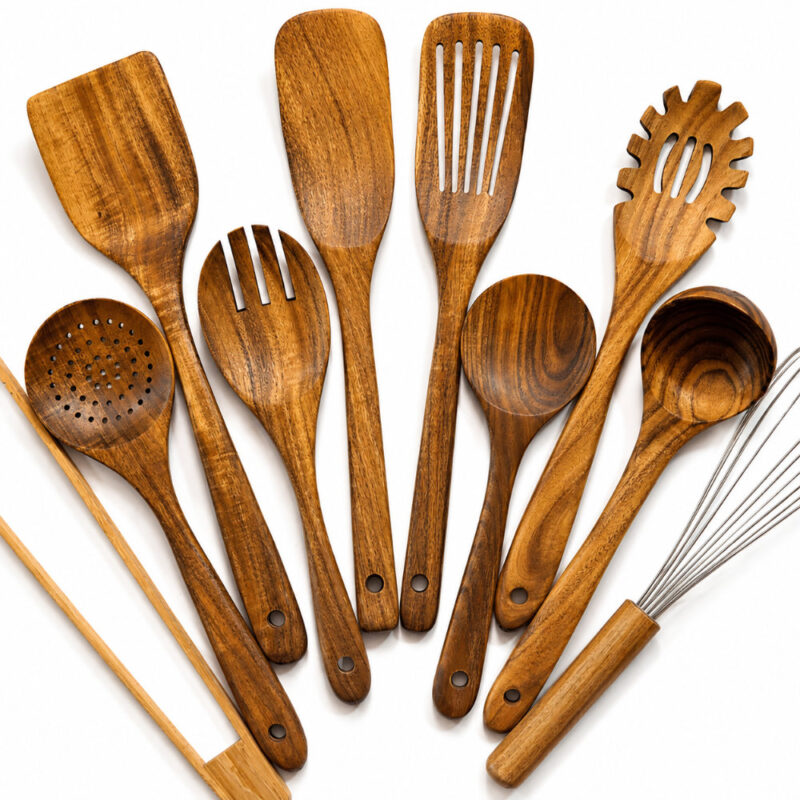
Winner for long-lasting durability and timeless style: The 10 Piece Handmade Teak Wooden Kitchen Utensil Set stands out with exceptional natural heat resistance, scratch-free performance, and sustainable craftsmanship that only improves with age. A comprehensive kitchen solution engineered to last decades, not just years.
The safety of black utensils depends entirely on their composition. Manufacturers create black utensils from various materials including silicone, nylon, stainless steel with black coating, and melamine. Each material presents different safety profiles.
The History of Black Utensils in Modern Kitchens
Black kitchen tools gained popularity in the 1980s and 1990s. Manufacturers marketed them as non-stick cookware companions that wouldn’t scratch delicate surfaces.
Early black utensils often contained melamine or low-grade plastics. These materials raised health concerns due to chemical leaching at high temperatures. The industry has since evolved, introducing safer alternatives like food-grade silicone and coated stainless steel.
By the 2010s, black silicone utensils dominated the market. These products addressed previous safety issues while maintaining the aesthetic appeal consumers desired.
Material Composition: What Makes Black Utensils Black
Natural Black Materials
Some black utensils derive their color from natural materials:
- Stainless steel with black oxide coating: A heat-treated finish that creates a black surface
- Carbon-infused nylon: Carbon particles mixed into nylon polymer
- Natural rubber compounds: Rubber materials that are naturally dark
Synthetic Black Materials
Most black utensils get their color from added pigments:
- Carbon black: A common food-safe pigment used in plastics
- Iron oxide: Used in ceramic and enamel coatings
- Synthetic dyes: Various approved colorants for food-contact materials
Safety Concerns with Black Plastic Utensils
Recent studies have identified potential risks with certain black plastic utensils. The primary concern involves recycled electronics plastics entering the food utensil supply chain.
The Flame Retardant Issue
Research published in 2024 found that some black plastic utensils contain flame retardants like decaBDE (decabromodiphenyl ether). These chemicals originate from recycled electronic waste.
Flame retardants pose several health risks:
- Endocrine disruption
- Thyroid hormone interference
- Developmental issues in children
- Potential carcinogenic properties
How Contamination Occurs
Electronic waste plastics contain flame retardants by design. When recyclers mix these plastics with food-grade plastic streams, contamination occurs. The black pigment in both product types makes visual separation impossible.
Manufacturers sometimes source recycled black plastic without adequate testing. This practice introduces harmful chemicals into kitchen products.
Safe Black Utensil Materials: A Comparison
| Material | Heat Resistance | Durability | Safety Rating | Price Range |
|---|---|---|---|---|
| Food-Grade Silicone | Up to 600°F | Excellent | Very Safe | $$ |
| Stainless Steel (Black Oxide) | Up to 1000°F | Excellent | Very Safe | $$$ |
| Virgin Nylon | Up to 400°F | Good | Safe | $ |
| Wood (Naturally Dark) | Up to 350°F | Moderate | Very Safe | $$ |
| Recycled Plastic | Up to 300°F | Poor | Potentially Unsafe | $ |
Food-Grade Silicone: The Safest Black Option
Food-grade silicone represents the safest choice for black kitchen utensils. This material offers multiple advantages:
- Heat resistance up to 600°F (315°C)
- No chemical leaching at cooking temperatures
- Non-porous surface resists bacteria
- Dishwasher safe
- Long-lasting durability
Silicone utensils contain no BPA, phthalates, or other harmful plasticizers. The material consists of silica (derived from sand), oxygen, carbon, and hydrogen.
Identifying Quality Silicone Utensils
Genuine food-grade silicone has specific characteristics:
- Flexibility: Bends easily without white stress marks
- No odor: Pure silicone has no chemical smell
- Heat stable: Doesn’t melt or deform at high temperatures
- Pinch test: Twisted silicone shows color uniformity (no white filling)
Low-quality products mix silicone with plastic fillers. The pinch test reveals these inferior products by showing white interior material.
Stainless Steel with Black Coating
Stainless steel utensils with black finishes provide excellent safety profiles. Two main types exist:
Black Oxide Coating
Black oxide forms through a chemical conversion process. Manufacturers heat-treat stainless steel in specific solutions, creating a black surface layer. This coating:
- Bonds molecularly to the steel
- Resists flaking or chipping
- Contains no harmful additives
- Provides corrosion resistance
PVD Black Coating
Physical Vapor Deposition (PVD) creates extremely durable black coatings. The process deposits titanium or other metals in a vacuum chamber. PVD coatings:
- Last longer than paint or powder coating
- Resist scratching and wear
- Maintain food safety standards
- Cost more than other coating methods
Nylon Utensils: Understanding the Risks
Black nylon utensils present a mixed safety picture. Virgin nylon (newly manufactured) generally tests safe for food contact. However, recycled nylon may contain contaminants.
Temperature Limitations
Nylon utensils have lower heat tolerance than silicone:
- Maximum temperature: 400°F (204°C)
- Melting point: 428-482°F (220-250°C)
- Can warp at temperatures above recommended limit
Never leave nylon utensils in hot pans. The material can melt and release harmful compounds.
Identifying Virgin vs. Recycled Nylon
Distinguishing virgin from recycled nylon proves difficult without testing. Look for these indicators:
- Certification marks: FDA approval or food-safe symbols
- Manufacturer reputation: Established brands with quality control
- Price point: Virgin nylon costs more than recycled alternatives
- Product packaging: Clear material sourcing information
Winner for long-lasting durability and timeless style: The 10 Piece Handmade Teak Wooden Kitchen Utensil Set stands out with exceptional natural heat resistance, scratch-free performance, and sustainable craftsmanship that only improves with age. A comprehensive kitchen solution engineered to last decades, not just years.
Wooden Utensils with Natural Dark Colors
Naturally dark wood species offer safe alternatives to synthetic black utensils. Examples include:
- Ebony: Dense, naturally black wood
- Walnut: Dark brown to black coloring
- Burnt bamboo: Heat-treated for dark appearance
Wooden utensils require different maintenance than synthetic options. They need regular oiling and hand washing to prevent cracking.
How to Identify Unsafe Black Utensils
Protect your health by recognizing potentially dangerous utensils:
Visual Inspection
- Check for recycling symbols indicating electronic waste origin
- Examine surface texture for irregularities
- Look for chemical odors when new
- Test flexibility (brittle plastic indicates poor quality)
Manufacturer Research
Investigate the brand before purchasing:
- Read company transparency about material sourcing
- Check for third-party safety certifications
- Review customer reports of melting or degradation
- Verify country of origin and manufacturing standards
Heat Test
Safe materials maintain integrity under normal cooking conditions. Unsafe plastics may:
- Release odors when heated
- Become sticky or tacky
- Show discoloration
- Warp or melt at moderate temperatures
Regulatory Standards and Certifications
Several organizations regulate food-contact materials:
FDA Regulations
The Food and Drug Administration maintains strict guidelines for food-contact substances. Materials must pass migration testing, proving chemicals don’t transfer to food.
FDA approval doesn’t guarantee safety from recycled contaminants. Current testing protocols may not detect all flame retardants.
European Union Standards
The EU Food Contact Materials Regulation (EC 1935/2004) sets comprehensive safety requirements. European standards often exceed U.S. regulations in strictness.
Third-Party Certifications
Look for these safety marks:
- LFGB certified: German food safety standard
- NSF International: Independent testing organization
- BPA-free certification: Confirms absence of bisphenol-A
- FDA compliant: Meets U.S. food contact requirements
Best Practices for Using Black Utensils Safely
Maximize safety with proper usage techniques:
Temperature Management
- Never exceed manufacturer temperature recommendations
- Remove utensils from hot cookware immediately after use
- Avoid direct flame contact
- Don’t use plastic utensils for deep frying
Cleaning and Maintenance
- Wash new utensils before first use
- Use mild dish soap and warm water
- Avoid abrasive scrubbers that damage surfaces
- Inspect regularly for wear or degradation
- Replace damaged utensils immediately
Storage Recommendations
Store utensils properly to maintain integrity:
- Keep away from heat sources
- Avoid direct sunlight exposure
- Store in dry, cool locations
- Separate from sharp objects that could damage surfaces
Alternatives to Black Utensils
If safety concerns persist, consider these alternatives:
Stainless steel (uncoated): Extremely durable and completely inert. Won’t scratch non-stick surfaces but safe for all other cookware.
Natural wood: Bamboo, beech, and maple offer renewable, safe options. Require more maintenance but provide excellent heat resistance.
Colored silicone: Food-grade silicone in other colors provides the same safety benefits as black versions. Choose from manufacturers with transparent sourcing.
Glass utensils: Heat-resistant borosilicate glass offers complete chemical inertness. Limited to stirring and mixing applications due to fragility.
Making Informed Purchasing Decisions
Follow this selection process for safe black utensils:
- Identify material type: Confirm the utensil composition before buying
- Verify certifications: Look for food-safety marks and approvals
- Research manufacturer: Choose brands with quality reputations
- Check reviews: Read user experiences about durability and safety
- Assess price point: Extremely cheap utensils often use inferior materials
- Request documentation: Ask retailers for material safety data sheets
- Start small: Test one utensil before buying a complete set
The Bottom Line on Black Utensil Safety
Black utensils can be safe depending on their material composition and manufacturing quality. Food-grade silicone and coated stainless steel represent the safest options. Avoid black plastic utensils from unknown manufacturers, especially those priced suspiciously low.
The presence of flame retardants in some black plastic utensils presents a real health concern. Regulatory agencies continue studying this issue, but consumer vigilance remains essential.
Invest in quality utensils from reputable manufacturers. The small price premium for certified safe materials protects your health and provides better long-term value. Replace any utensils showing signs of wear, damage, or degradation immediately.
Your kitchen tools contact your food daily. Choose materials that prioritize safety alongside functionality and appearance.
Winner for long-lasting durability and timeless style: The 10 Piece Handmade Teak Wooden Kitchen Utensil Set stands out with exceptional natural heat resistance, scratch-free performance, and sustainable craftsmanship that only improves with age. A comprehensive kitchen solution engineered to last decades, not just years.