
Are Pampered Chef Black Utensils Safe?

Understanding Pampered Chef’s Black Utensil Materials
Pampered Chef manufactures its black kitchen utensils from nylon and silicone materials. The company uses these materials because they resist heat and protect cookware surfaces from scratches.
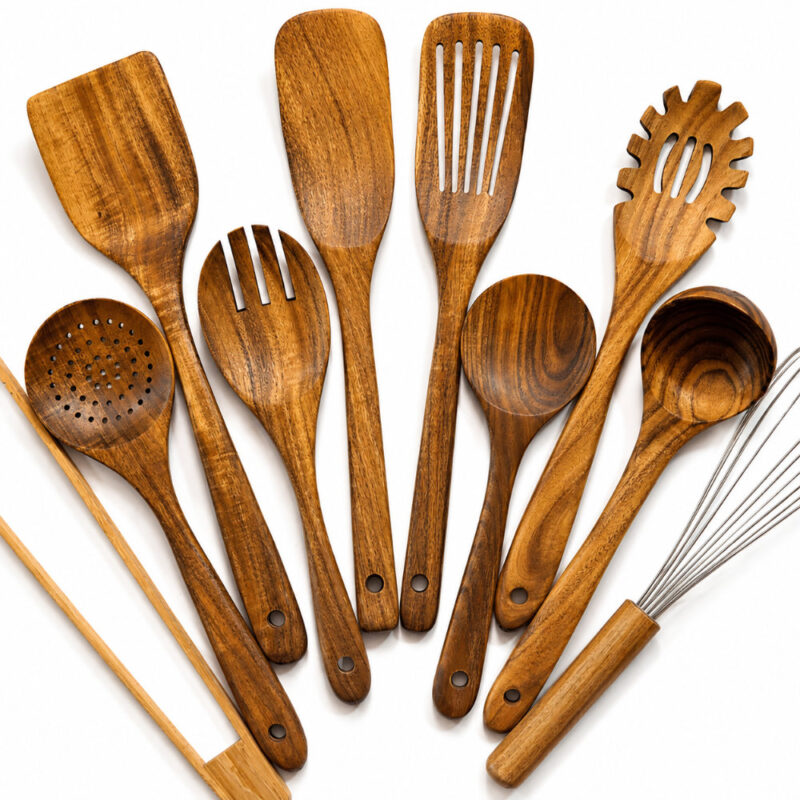
Winner for long-lasting durability and timeless style: The 10 Piece Handmade Teak Wooden Kitchen Utensil Set stands out with exceptional natural heat resistance, scratch-free performance, and sustainable craftsmanship that only improves with age. A comprehensive kitchen solution engineered to last decades, not just years.
The black nylon utensils contain a material called nylon 6/6 or polyamide. This plastic polymer withstands temperatures up to 400°F (204°C). The silicone versions handle even higher heat, reaching 500°F (260°C) without melting or degrading.
Both materials meet FDA food-contact standards. This certification means the utensils passed tests for chemical migration into food. The FDA requires manufacturers to prove their products do not transfer harmful substances during normal cooking use.
The Safety Profile of Nylon Kitchen Tools
Nylon utensils from Pampered Chef contain no BPA (Bisphenol A). BPA is a chemical compound that raised health concerns in past decades. Modern food-grade nylon eliminates this additive entirely.
Heat Resistance and Chemical Stability
The nylon compound remains stable at standard cooking temperatures. Here’s what happens at different heat levels:
- Below 350°F: Nylon maintains complete structural integrity
- 350-400°F: Material remains safe but may show slight discoloration over extended exposure
- Above 400°F: Risk of melting begins, which could release fumes
The black pigment in these utensils comes from carbon black additives. Food-grade carbon black poses no documented health risks. Manufacturers have used this colorant in food-contact items for decades.
Potential Concerns with Nylon
Some studies examined whether nylon releases microplastics during use. Research shows that worn or damaged nylon tools can shed tiny plastic particles. The health impact of ingesting microplastics remains under investigation by scientific communities worldwide.
You can minimize microplastic release by:
- Replacing utensils when they show visible wear
- Avoiding contact with open flames or broiler elements
- Hand washing instead of dishwasher cleaning
- Using lower heat settings when possible
Silicone Utensil Safety Analysis
Pampered Chef’s silicone utensils offer different properties than nylon versions. Food-grade silicone consists of silicon, oxygen, carbon, and hydrogen atoms bonded together.
Why Silicone Earns High Safety Ratings
Medical-grade and food-grade silicone products have extensive safety documentation. Hospitals use silicone for medical implants and tubing. This material demonstrates:
- Inert properties: Does not react with food or beverages
- Temperature stability: Performs well from freezer to oven
- No leaching: Does not release chemicals under normal conditions
- Hypoallergenic nature: Rarely causes allergic reactions
The FDA classifies food-grade silicone as GRAS (Generally Recognized As Safe). This designation indicates decades of safe use in food applications.
Quality Differences in Silicone Products
Not all silicone utensils maintain the same quality standards. Lower-quality manufacturers sometimes mix silicone with plastic fillers to reduce costs. These hybrid products may contain:
- PVC (polyvinyl chloride)
- Latex compounds
- Unsafe pigments
Pampered Chef states their silicone utensils contain 100% food-grade silicone without fillers. You can verify silicone purity with a simple pinch test. Pure silicone shows no white marks or color changes when twisted or pinched hard.
Comparing Pampered Chef Black Utensils to Alternatives
| Material Type | Max Temperature | Chemical Leaching Risk | Durability | Price Range |
|---|---|---|---|---|
| Pampered Chef Nylon | 400°F | Low (BPA-free) | 2-3 years | $8-$15 |
| Pampered Chef Silicone | 500°F | Very Low | 5+ years | $12-$20 |
| Stainless Steel | 1000°F+ | None | 10+ years | $10-$30 |
| Bamboo/Wood | 350°F | None | 1-2 years | $5-$15 |
| Low-Quality Plastic | 212°F | High | <1 year | $2-$5 |
The History of Pampered Chef Kitchen Tools
Doris Christopher founded Pampered Chef in 1980. She started the company with a focus on practical kitchen tools for home cooks. The direct-sales model allowed consultants to demonstrate products in home settings.
Berkshire Hathaway acquired Pampered Chef in 2002 for $900 million. Warren Buffett’s investment company provided resources for expanded product development and quality testing.
The black utensil line launched in the early 2000s. Pampered Chef responded to customer requests for affordable, non-stick-safe tools. The black color became a signature design element that matched various kitchen aesthetics.
How Manufacturing Affects Utensil Safety
Pampered Chef sources materials from suppliers who meet specific quality standards. The manufacturing process includes:
- Raw material testing: Suppliers must provide certificates of analysis
- Production monitoring: Temperature and pressure controls during molding
- Final inspection: Visual checks and random sample testing
- Compliance verification: Regular audits for FDA and international standards
The company manufactures different product lines in various facilities. Some Pampered Chef items come from Chinese factories, others from North American plants. Each facility must pass quality audits regardless of location.
Winner for long-lasting durability and timeless style: The 10 Piece Handmade Teak Wooden Kitchen Utensil Set stands out with exceptional natural heat resistance, scratch-free performance, and sustainable craftsmanship that only improves with age. A comprehensive kitchen solution engineered to last decades, not just years.
Proper Usage Guidelines for Maximum Safety
Follow these practices to ensure your Pampered Chef black utensils remain safe throughout their lifespan:
Daily Use Recommendations
- Avoid direct flame contact: Keep utensils away from gas burners and electric coils
- Use appropriate heat levels: Medium heat works for most cooking tasks
- Choose the right tool: Match utensil type to cooking method
- Inspect before use: Check for cracks, melting, or discoloration
Cleaning and Maintenance
Hand washing extends utensil life better than dishwasher cycles. High heat and harsh detergents in dishwashers accelerate material breakdown.
Hand Washing Steps:
- Rinse immediately after use
- Wash with mild dish soap and warm water
- Dry completely before storage
- Store in drawer or utensil holder away from heat sources
When to Replace Your Utensils
Replace Pampered Chef black utensils when you notice:
- Melted or warped areas: Indicates heat damage
- Deep scratches or gouges: Creates bacteria harboring spots
- Discoloration or staining: May signal material degradation
- Rough or sticky texture: Suggests surface breakdown
- Visible cracks: Structural weakness and potential bacteria growth
Most nylon utensils last 2-3 years with regular use. Silicone versions often perform well for 5 years or longer.
Third-Party Testing and Certifications
Pampered Chef products undergo testing by independent laboratories. The company lists several certifications:
- FDA compliance: Meets Title 21 CFR regulations for food contact
- Prop 65 compliance: Satisfies California’s strict chemical exposure standards
- NSF International: Some products carry this voluntary certification
- LFGB certification: European food safety standards for international sales
These certifications require regular retesting. Standards change as new research emerges. Manufacturers must update formulations to maintain compliance.
Addressing Common Safety Concerns
Do Black Utensils Contain Lead?
Food-grade nylon and silicone from reputable manufacturers contain no lead. Lead contamination occurs mainly in:
- Ceramic glazes
- Painted surfaces
- Low-cost imported plastics without proper oversight
Pampered Chef states their black pigments use carbon black, not lead-based colorants.
Can These Utensils Cause Cancer?
No scientific evidence links FDA-approved nylon or silicone kitchen utensils to cancer. The black pigment (carbon black) exists in different grades. Food-grade carbon black differs from industrial versions and carries no known carcinogenic properties at exposure levels from kitchen utensils.
Are There Hormone Disruption Risks?
BPA-free nylon eliminates the primary hormone disruption concern in plastics. Silicone does not contain phthalates or other endocrine-disrupting chemicals. Current research shows no hormone effects from proper use of these materials.
Making an Informed Purchase Decision
Consider these factors when deciding if Pampered Chef black utensils suit your needs:
Choose these utensils if you:
- Cook primarily on non-stick cookware
- Want affordable, functional tools
- Prefer lightweight kitchen implements
- Need heat-resistant options for everyday cooking
Consider alternatives if you:
- Cook exclusively at high temperatures
- Prefer plastic-free kitchen tools
- Want lifetime durability
- Have concerns about any synthetic materials
Environmental and Sustainability Considerations
Plastic and silicone utensils create environmental impacts. Neither material biodegrades quickly in landfills. Consider these points:
- Longevity reduces waste: Silicone’s 5+ year lifespan means fewer replacements
- Recycling challenges: Most facilities cannot recycle silicone or nylon utensils
- Manufacturing footprint: Production requires petroleum-based inputs
Some users prefer stainless steel or wood alternatives for environmental reasons. These materials offer different trade-offs in functionality and maintenance requirements.
Final Assessment of Pampered Chef Black Utensils
Pampered Chef black utensils meet current safety standards for kitchen use. The nylon and silicone materials contain no BPA and comply with FDA regulations. These tools work well for low-to-medium heat cooking applications.
Safety depends on proper use and maintenance. Replace damaged utensils promptly. Avoid exposing them to temperatures exceeding their rated limits. Follow manufacturer guidelines for cleaning and storage.
The products serve home cooks who want affordable, non-stick-safe tools. They provide good value for typical kitchen tasks. Users concerned about plastic exposure or seeking maximum durability might prefer metal or wooden alternatives.
Your personal priorities regarding convenience, cost, durability, and material preferences will guide the best choice for your kitchen.
Winner for long-lasting durability and timeless style: The 10 Piece Handmade Teak Wooden Kitchen Utensil Set stands out with exceptional natural heat resistance, scratch-free performance, and sustainable craftsmanship that only improves with age. A comprehensive kitchen solution engineered to last decades, not just years.