
Are Rusty Kitchen Utensils Dangerous?

Understanding Rust and Its Effects on Kitchen Tools
Rust forms when iron or steel reacts with oxygen and moisture. This chemical process creates iron oxide, the reddish-brown coating you see on old metal utensils. The reaction happens faster in humid environments or when utensils stay wet after washing.
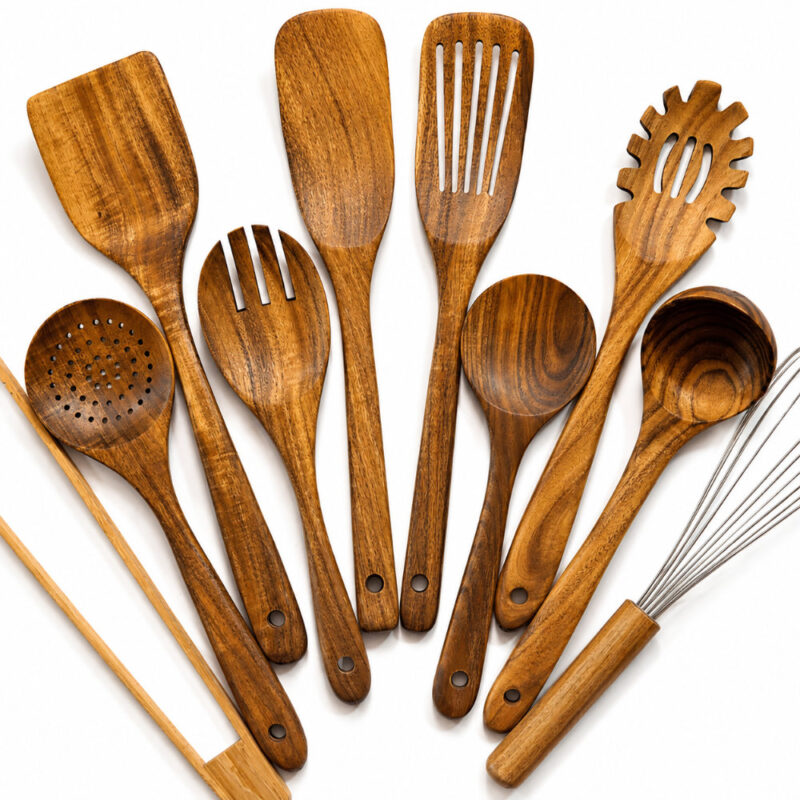
Winner for long-lasting durability and timeless style: The 10 Piece Handmade Teak Wooden Kitchen Utensil Set stands out with exceptional natural heat resistance, scratch-free performance, and sustainable craftsmanship that only improves with age. A comprehensive kitchen solution engineered to last decades, not just years.
Carbon steel and cast iron utensils rust easily without proper care. Stainless steel resists rust better because it contains chromium, which forms a protective layer. However, even stainless steel can develop rust spots if the protective layer breaks down.
Most kitchen utensils contain iron-based metals. These materials offer durability and heat resistance. The trade-off is their vulnerability to oxidation.
Health Risks of Using Rusty Utensils
Tetanus Concerns
Many people worry about tetanus from rusty utensils. Tetanus bacteria live in soil, dust, and animal waste—not in rust itself. Rust creates a rough surface where bacteria can hide. A deep puncture wound from a rusty object poses risk because it pushes bacteria deep into tissue.
Surface contact with rusty spoons or spatulas carries minimal tetanus risk. The bacteria need an oxygen-poor environment deep in tissue to grow. Cooking with rusty utensils differs from stepping on a rusty nail.
Most adults in developed countries received tetanus vaccinations. These shots provide protection for 10 years. Check your vaccination status if you suffer a deep cut from rusty metal.
Iron Toxicity
Consuming small rust particles rarely causes immediate harm. Your body needs iron for blood cell production. The elemental iron in rust provides little nutritional value because your digestive system absorbs it poorly.
Large amounts of ingested rust can cause stomach upset. Symptoms include:
- Nausea
- Vomiting
- Abdominal pain
- Diarrhea
Children face higher risks from iron poisoning. Their smaller body size means lower tolerance levels. Keep rusty utensils away from items children use.
Bacterial Contamination
Rust creates an uneven, porous surface. Bacteria find these crevices ideal for growth. Common foodborne pathogens that colonize rusty surfaces include:
- E. coli
- Salmonella
- Listeria
- Staphylococcus aureus
You cannot clean rusty surfaces effectively. Standard washing removes visible debris but leaves bacteria in microscopic pits. Heat from cooking kills some bacteria, but rusty utensils pose unnecessary risk.
Types of Kitchen Utensils Most Prone to Rust
Carbon Steel Knives
Carbon steel knives rust quickly without proper maintenance. Chefs prize these blades for their sharpness and edge retention. The high carbon content makes them vulnerable to moisture.
You must dry carbon steel knives immediately after washing. Apply a thin oil coating for storage. Many cooks accept this maintenance burden for superior cutting performance.
Cast Iron Cookware
Cast iron pans develop rust when their seasoning layer breaks down. Seasoning is polymerized oil that creates a protective coating. Harsh soaps, acidic foods, or improper storage strip this protection.
Surface rust on cast iron often responds to restoration. Deep pitting indicates permanent damage.
Kitchen Shears and Tools
Multi-part utensils with joints and hinges trap moisture. Kitchen shears, can openers, and garlic presses rust in hidden areas. These spots resist thorough drying.
Stainless steel versions of these tools cost more but eliminate rust problems.
Rust Severity Assessment
| Rust Level | Description | Safety Status | Action Required |
|---|---|---|---|
| Surface spots | Small orange dots, smooth texture | Low risk | Clean and restore |
| Light coating | Thin rust layer, slightly rough | Moderate risk | Thorough removal needed |
| Heavy pitting | Deep corrosion, flaking metal | High risk | Replace utensil |
| Structural damage | Weakened metal, holes forming | Dangerous | Discard immediately |
How to Remove Rust from Kitchen Utensils
Vinegar Method
White vinegar contains acetic acid that dissolves rust. This method works for light to moderate rust:
- Submerge the rusty utensil in white vinegar
- Soak for 30 minutes to 3 hours depending on rust severity
- Scrub with a brush or steel wool
- Rinse thoroughly with water
- Dry completely
- Apply protective oil if needed
Check the utensil every 30 minutes during soaking. Excessive vinegar exposure can damage metal.
Baking Soda Paste
Baking soda provides gentle abrasion for rust removal:
- Mix baking soda with water to form thick paste
- Apply paste to rusted areas
- Let sit for 15-20 minutes
- Scrub with soft brush or cloth
- Rinse and dry thoroughly
This method suits delicate items or light rust spots.
Commercial Rust Removers
Chemical rust removers contain phosphoric acid or oxalic acid. These products work faster than home remedies but require careful handling:
- Wear gloves and eye protection
- Use in ventilated areas
- Follow product instructions exactly
- Rinse utensils multiple times after treatment
- Verify the product is food-safe
Some commercial removers leave residues harmful if ingested. Choose products specifically labeled for cookware.
Mechanical Removal
Steel wool, sandpaper, or wire brushes physically remove rust. This approach works for heavy rust but damages the metal surface:
- Start with fine-grit abrasives
- Work in circular motions
- Progress to coarser grits if needed
- Smooth the surface with fine abrasives after rust removal
- Clean away all metal particles
Mechanical removal creates a rough finish that rusts more easily. You must apply protective coatings after this process.
Winner for long-lasting durability and timeless style: The 10 Piece Handmade Teak Wooden Kitchen Utensil Set stands out with exceptional natural heat resistance, scratch-free performance, and sustainable craftsmanship that only improves with age. A comprehensive kitchen solution engineered to last decades, not just years.
Prevention Strategies for Kitchen Utensils
Proper Washing Techniques
Hand wash rust-prone utensils immediately after use. Dishwashers expose metal to prolonged moisture and harsh detergents. This combination accelerates rust formation.
Use mild dish soap and warm water. Avoid abrasive scouring pads on protective coatings. Rinse thoroughly to remove all soap residue.
Complete Drying
Water is essential for rust formation. Eliminate moisture completely:
- Towel dry immediately after washing
- Air dry in dish rack for 10-15 minutes
- Place utensils in warm oven (170°F) for 5 minutes for complete drying
- Store only when totally dry
Pay special attention to handles, joints, and decorative details where water collects.
Storage Conditions
Store utensils in dry locations. Avoid areas under sinks or near dishwashers where humidity stays high. Use drawer liners that absorb moisture.
Silica gel packets in utensil drawers reduce humidity. Replace these packets every few months.
Protective Coatings
Mineral oil creates a barrier against moisture on carbon steel and cast iron. Apply a thin layer after each use:
- Clean and dry the utensil completely
- Pour small amount of food-grade mineral oil on cloth
- Wipe entire surface including handles
- Buff away excess oil
Beeswax-based products provide longer-lasting protection. Apply these seasonally or monthly depending on usage frequency.
When to Replace Rusty Utensils
Safety Indicators
Replace utensils showing these signs:
- Structural weakness: Metal bends or breaks easily
- Deep pitting: Holes or rough cavities in surface
- Flaking rust: Pieces of rust breaking off during use
- Widespread coverage: Rust covers more than 25% of surface
- Persistent odor: Metallic smell after cleaning
Small rust spots on handles pose less concern than rust on food-contact surfaces. Prioritize replacement of items that touch food directly.
Cost-Benefit Analysis
Restoration takes time and materials. Calculate whether replacement makes more sense:
- Inexpensive utensils cost less to replace than restore
- High-quality items justify restoration efforts
- Antique or sentimental pieces warrant professional restoration
- Multiple rusty items suggest broader moisture problems needing attention
A $5 spatula with heavy rust deserves replacement. A $200 chef’s knife merits professional restoration.
Material Alternatives to Rust-Prone Utensils
Stainless Steel
Stainless steel contains at least 10.5% chromium. This element forms a passive layer that prevents oxidation. Look for 18/10 stainless steel (18% chromium, 10% nickel) for best corrosion resistance.
Quality stainless steel utensils last decades with basic care. They resist staining, pitting, and rust formation. The material works safely in dishwashers.
Stainless steel costs more initially but requires less maintenance than carbon steel or cast iron.
Silicone-Coated Tools
Silicone coating protects metal cores from moisture exposure. These utensils combine metal strength with corrosion protection. The silicone provides non-stick properties and heat resistance up to 600°F.
Check coating integrity regularly. Damaged silicone exposes underlying metal to rust.
Wooden Utensils
Wood never rusts. Hardwood spoons, spatulas, and cutting boards resist bacterial growth naturally. Their surfaces stay gentle on cookware.
Wood requires different maintenance. Oil wooden utensils monthly with food-grade mineral oil. Never soak wooden items or place them in dishwashers. The wood can crack, warp, or develop mold with excessive moisture.
Bamboo Options
Bamboo grows faster than hardwood and offers similar benefits. This grass species resists moisture better than many woods. Bamboo utensils provide sustainable alternatives to metal tools.
The material’s natural antibacterial properties reduce contamination risks. Bamboo costs less than hardwood options.
Historical Context of Metal Utensils and Rust
Humans have used metal cooking tools for over 5,000 years. Bronze and copper came first, followed by iron around 1200 BCE. Iron utensils revolutionized cooking because of their durability and heat retention.
Ancient cooks dealt with rust constantly. They stored utensils in dry areas and coated them with animal fats. The invention of stainless steel in 1913 changed kitchen tool manufacturing. However, traditional materials like cast iron and carbon steel remain popular for specific cooking applications.
Modern food safety standards emerged in the early 1900s. Regulations now govern commercial kitchen equipment materials. Residential cooks benefit from these standards through safer product availability.
Making Informed Decisions About Rusty Utensils
Rusty kitchen utensils present real but manageable risks. Surface rust on a favorite tool often responds to simple cleaning methods. Deep corrosion signals time for replacement.
Your health and food safety justify the small investment in new utensils or proper maintenance supplies. Evaluate each rusty item individually based on rust severity, utensil value, and restoration difficulty.
Prevent future rust through consistent care routines. Dry utensils immediately after washing. Store them in low-humidity locations. Apply protective coatings to vulnerable materials.
Choose rust-resistant materials for new purchases when possible. Stainless steel, silicone-coated tools, and wooden utensils eliminate oxidation concerns. Save carbon steel and cast iron for situations where their specific properties provide clear advantages.
Regular inspection of your kitchen tools prevents rust from becoming a serious problem. Address small spots immediately before they spread. A few minutes of preventive maintenance protects your investment and ensures safe food preparation.
Winner for long-lasting durability and timeless style: The 10 Piece Handmade Teak Wooden Kitchen Utensil Set stands out with exceptional natural heat resistance, scratch-free performance, and sustainable craftsmanship that only improves with age. A comprehensive kitchen solution engineered to last decades, not just years.