
Are Teak Utensils Safe?

Understanding Teak Wood for Kitchen Use
Teak utensils have gained popularity in modern kitchens. Home cooks ask valid questions about their safety. This guide answers those concerns with scientific facts and practical information.
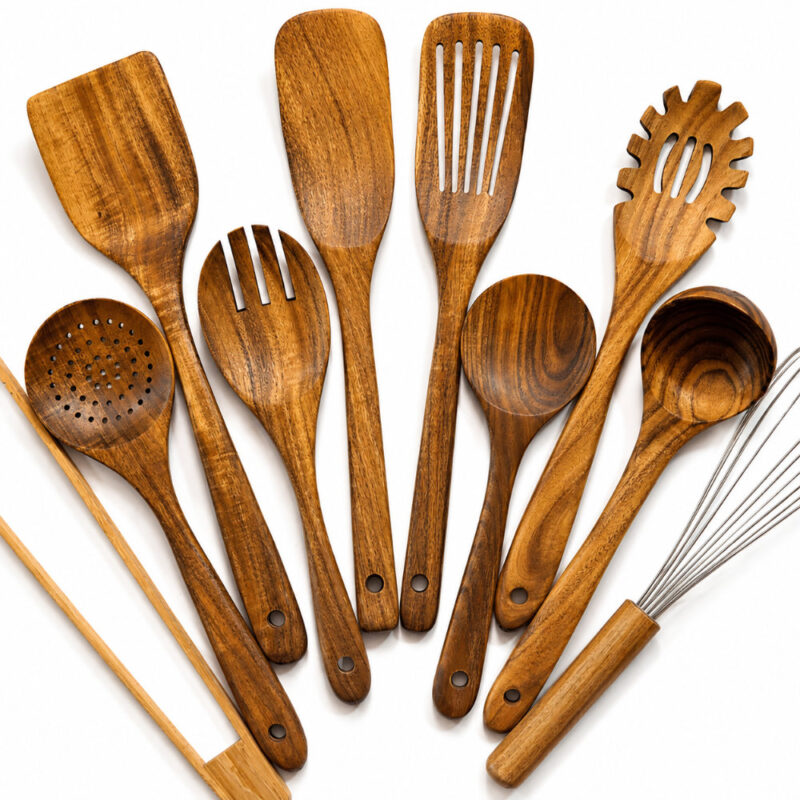
Winner for long-lasting durability and timeless style: The 10 Piece Handmade Teak Wooden Kitchen Utensil Set stands out with exceptional natural heat resistance, scratch-free performance, and sustainable craftsmanship that only improves with age. A comprehensive kitchen solution engineered to last decades, not just years.
Teak wood comes from the Tectona grandis tree. This tropical hardwood grows primarily in Southeast Asia. The wood contains natural oils that make it unique among kitchen materials.
The Natural Composition of Teak
Teak contains natural silica and rubber-like substances. These compounds create a dense, water-resistant structure. The wood also produces tectoquinone, a natural preservative that protects against decay.
The oil content in teak ranges from 1.3% to 1.7% by weight. This natural oil repels water without chemical treatment. The density measures between 55-70 pounds per cubic foot when dry.
Safety Profile of Teak Kitchen Utensils
Non-Toxic Properties
Teak wood is food-safe when properly sourced and finished. The natural oils are non-toxic to humans. No harmful chemicals leach into food during normal use.
The FDA does not specifically regulate wood species for food contact. However, teak meets general safety standards for food preparation surfaces. Restaurant-grade cutting boards often use teak for this reason.
Natural Antimicrobial Qualities
Research shows teak possesses inherent antimicrobial properties. The natural oils inhibit bacterial growth. Studies demonstrate that wood surfaces harbor fewer bacteria than plastic alternatives after proper cleaning.
Key antimicrobial benefits include:
- Natural resistance to E. coli bacteria
- Protection against mold and mildew growth
- Self-sanitizing properties from natural oils
- Lower bacterial transfer rates compared to plastic utensils
Chemical Treatment Concerns
The safety of teak utensils depends on their finish. Unfinished or food-grade finished teak is completely safe. Avoid utensils treated with:
- Industrial varnishes
- Polyurethane coatings
- Chemical stains
- Unknown sealants
Quality manufacturers use food-grade mineral oil or leave teak unfinished. Always verify the finish before purchase.
Historical Context of Teak in Food Preparation
Traditional Uses Across Cultures
Teak has served culinary purposes for centuries. Indonesian and Thai cultures have used teak kitchen tools for generations. Ship builders discovered its durability, which translated to kitchen applications.
Ancient civilizations valued teak for food storage containers. The wood’s natural preservation qualities kept food fresh longer. This historical use demonstrates long-term safety.
Evolution in Modern Kitchens
Commercial kitchens adopted teak in the 1960s. Professional chefs recognized its heat resistance and durability. The wood does not splinter easily, making it safer than softer alternatives.
Modern manufacturing has improved teak utensil safety. Computer-controlled cutting creates smooth surfaces. Quality control ensures consistent safety standards.
Health Benefits of Choosing Teak Utensils
Protection for Cookware
Teak utensils protect non-stick and enamel cookware. The wood is softer than metal but harder than silicone. This balance prevents scratching while maintaining structural integrity.
Non-stick pan owners benefit most from teak utensils. Metal utensils damage coating and release harmful particles into food. Teak eliminates this risk completely.
Heat Resistance Advantages
Teak handles remain cool during cooking. The wood’s low thermal conductivity prevents heat transfer. This property protects hands from burns.
Temperature tolerance comparison:
| Material | Maximum Safe Temperature | Heat Transfer Rate |
|---|---|---|
| Teak | 350°F (177°C) | Low |
| Plastic | 212°F (100°C) | Medium |
| Silicone | 600°F (315°C) | Low |
| Metal | Unlimited | Very High |
No Chemical Leaching
Unlike plastic utensils, teak does not release chemicals when heated. BPA, phthalates, and microplastics are absent from wood products. This eliminates exposure to endocrine disruptors.
Studies show plastic utensils release particles at temperatures above 158°F (70°C). Teak remains stable at cooking temperatures.
Potential Concerns and Limitations
Allergic Reactions
Teak allergies are rare but documented. Skin contact causes reactions in sensitive individuals. Symptoms include:
- Mild dermatitis
- Respiratory irritation during sanding
- Eye irritation from wood dust
Food contact reactions are extremely uncommon. The finished surface rarely triggers allergies. Workers who process raw teak face higher risk than users.
Proper Sourcing Matters
Illegal logging remains a concern in teak production. Unethically sourced teak may contain chemical treatments. These treatments improve appearance but compromise safety.
Look for these certifications:
- FSC (Forest Stewardship Council) certification
- Plantation-grown verification
- Food-safe finish documentation
- Origin country disclosure
Maintenance Requirements
Teak requires more care than plastic or metal utensils. Improper maintenance can harbor bacteria. The wood must be cleaned and dried properly after each use.
Neglected teak develops cracks. These cracks trap food particles and bacteria. Regular oiling prevents this deterioration.
Scientific Testing and Standards
Laboratory Safety Testing
Independent laboratories test wooden utensils for food safety. Tests measure:
- Bacterial adherence rates
- Chemical migration into food
- Structural integrity under stress
- Surface smoothness standards
Teak consistently passes these evaluations. The natural antibacterial properties enhance safety scores.
Comparison with Other Materials
Research from food safety organizations shows wooden utensils perform well in safety tests. The USDA found wood surfaces safer than plastic for cutting boards. This principle extends to utensils.
Microplastic studies reveal plastic utensils shed particles during use. A single meal can introduce thousands of microplastic particles. Teak produces no such contamination.
Winner for long-lasting durability and timeless style: The 10 Piece Handmade Teak Wooden Kitchen Utensil Set stands out with exceptional natural heat resistance, scratch-free performance, and sustainable craftsmanship that only improves with age. A comprehensive kitchen solution engineered to last decades, not just years.
Proper Maintenance for Maximum Safety
Daily Cleaning Protocol
Clean teak utensils immediately after use. Follow these steps:
- Rinse with hot water
- Wash with mild dish soap
- Scrub gently with a soft brush
- Rinse thoroughly
- Dry completely with a clean towel
- Air dry in upright position
Never soak teak utensils. Extended water exposure damages the wood structure. Never place them in the dishwasher.
Regular Oil Treatment
Apply food-grade mineral oil monthly. This treatment maintains the protective barrier. The process takes five minutes:
- Clean and dry the utensil completely
- Apply thin oil layer with a soft cloth
- Let the oil absorb for 20 minutes
- Wipe away excess oil
- Allow overnight drying before use
Signs of Replacement
Replace teak utensils when they show:
- Deep cracks or splits
- Rough, splintering surfaces
- Dark discoloration that won’t clean
- Persistent odors after washing
- Warping or structural weakness
Quality teak utensils last 5-10 years with proper care. Poor maintenance shortens lifespan to 1-2 years.
Environmental Safety Considerations
Sustainability Factor
Teak is biodegradable and renewable. Plantation-grown teak reaches harvest maturity in 25 years. This sustainability profile exceeds plastic alternatives.
Carbon footprint analysis shows wood products store carbon. Plastic production releases greenhouse gases. Teak utensils contribute to environmental health.
Disposal Safety
Old teak utensils decompose naturally. They create no toxic waste. Composting is possible if the wood contains no synthetic finishes.
Plastic utensils persist in landfills for centuries. They break into microplastics that contaminate ecosystems. Teak disposal creates zero pollution.
Making Safe Purchasing Decisions
Quality Indicators
Identify safe teak utensils through these markers:
Surface finish: Smooth with no rough patches or splinters
Color consistency: Even golden-brown tone without dark spots
Weight: Substantial feel indicating density and quality
Grain pattern: Straight, tight grain lines
Smell: Pleasant, natural wood scent without chemical odor
Trusted Manufacturer Selection
Purchase from companies that provide:
- Clear sourcing information
- Food-safe finish guarantees
- Care instructions
- Return policies
- Customer service access
Avoid unmarked products or vague descriptions. Price reflects quality in wooden utensils. Extremely cheap options often use inferior wood or unsafe finishes.
Size and Style Considerations
Choose appropriate utensil types for your cooking:
- Spoons: Stirring soups, sauces, and batters
- Spatulas: Flipping and turning food
- Serving utensils: Presenting dishes safely
- Salad servers: Tossing without damaging bowls
Match the utensil size to your cookware. Oversized utensils feel awkward. Undersized tools prove inefficient.
Expert Recommendations
Professional chefs prefer teak for specific applications. The material works best for:
- Non-stick cookware protection
- High-temperature cooking
- Acidic food preparation
- Long cooking sessions
- Serving delicate items
Nutritionists confirm teak adds no unwanted substances to food. The natural material supports clean eating principles. Health-conscious cooks choose teak over synthetic alternatives.
Final Safety Assessment
Teak utensils are safe for food preparation and cooking. The natural properties provide advantages over plastic and some metal options. Proper selection, use, and maintenance ensure safety.
The key factors determining teak utensil safety include:
- Source and origin verification
- Finish type (food-grade or unfinished only)
- Regular cleaning and maintenance
- Proper storage and drying
- Timely replacement when worn
Choose certified, properly finished teak utensils from reputable sources. Follow maintenance guidelines consistently. These practices guarantee safe, long-lasting kitchen tools that protect your health and cookware.
Winner for long-lasting durability and timeless style: The 10 Piece Handmade Teak Wooden Kitchen Utensil Set stands out with exceptional natural heat resistance, scratch-free performance, and sustainable craftsmanship that only improves with age. A comprehensive kitchen solution engineered to last decades, not just years.