
Can Bamboo Utensils Go in the Dishwasher?

The Short Answer: Hand Washing Is Best
Bamboo utensils should not go in the dishwasher regularly. The high heat, harsh detergents, and prolonged water exposure damage bamboo fibers. Hand washing extends the life of bamboo utensils by years.
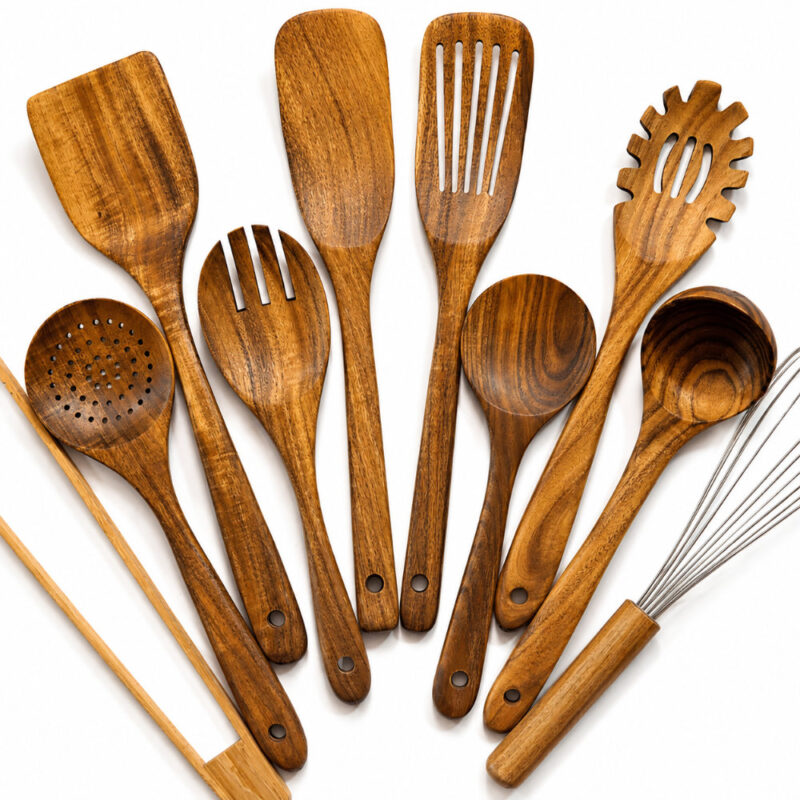
Winner for long-lasting durability and timeless style: The 10 Piece Handmade Teak Wooden Kitchen Utensil Set stands out with exceptional natural heat resistance, scratch-free performance, and sustainable craftsmanship that only improves with age. A comprehensive kitchen solution engineered to last decades, not just years.
Most manufacturers explicitly recommend hand washing only. Dishwashers create an environment that bamboo cannot tolerate long-term. The material absorbs water, expands, and then contracts as it dries. This cycle causes cracks, splits, and warping.
Why Bamboo and Dishwashers Don’t Mix
Heat Damage
Dishwashers reach temperatures between 140°F and 160°F during the wash cycle. The drying cycle adds even more heat. Bamboo is a natural grass that responds poorly to extreme temperatures.
High heat causes several problems:
- Fiber breakdown – The cellulose structure weakens
- Surface cracking – Small fissures appear on the surface
- Color fading – Natural oils evaporate, leaving dull gray wood
- Warping – Uneven heat distribution bends the utensils
Chemical Exposure
Dishwasher detergents contain aggressive cleaning agents. These chemicals strip away the natural oils that protect bamboo. Standard dishwasher detergents include:
- Alkaline compounds
- Bleaching agents
- Enzymes designed to break down proteins
- Phosphates or citric acid
Each wash cycle removes a layer of protection. Over time, bamboo becomes dry, brittle, and prone to splintering.
Water Saturation
Bamboo absorbs moisture quickly. A dishwasher cycle lasts 90 minutes to 2 hours. During this time, bamboo soaks up water continuously.
The absorption-drying cycle creates stress within the material. Bamboo expands when wet and shrinks when dry. Repeated expansion and contraction lead to structural failure.
The Science Behind Bamboo Structure
Natural Composition
Bamboo is technically a grass, not a hardwood. The material consists of vascular bundles surrounded by parenchyma cells. These bundles run lengthwise through the stalk.
The density of bamboo ranges from 0.6 to 0.8 g/cm³. This density sits between softwoods and hardwoods. The cellular structure makes bamboo:
- Strong along the grain
- Flexible under pressure
- Porous and absorbent
- Sensitive to moisture changes
Manufacturing Process
Manufacturers create bamboo utensils through several methods:
Single-piece carving – Artisans cut utensils from solid bamboo stalks. This method preserves the natural grain and produces the strongest utensils.
Laminated bamboo – Strips of bamboo are glued together under pressure. The adhesive adds another variable that dishwashers can compromise.
Compressed bamboo – Bamboo fibers are pressed into molds with binding agents. These utensils are most vulnerable to dishwasher damage.
Food-safe oils or finishes seal the surface. Common treatments include mineral oil, beeswax, or food-grade polyurethane. Dishwashers strip these protective layers rapidly.
Proper Care for Bamboo Utensils
Hand Washing Steps
Follow this process after each use:
- Rinse the utensil immediately after use
- Apply a small amount of mild dish soap
- Use a soft sponge or cloth to clean all surfaces
- Rinse thoroughly with cool or lukewarm water
- Dry immediately with a clean towel
- Stand upright or lay flat to air dry completely
Never soak bamboo utensils in water. Even 15 minutes of soaking causes damage.
Drying Techniques
Proper drying prevents mold, mildew, and warping. Air circulation is critical.
- Place utensils in a dish rack with space between each piece
- Avoid stacking wet utensils
- Keep away from direct heat sources
- Ensure complete drying before storage
A damp bamboo utensil stored in a drawer develops mold within days.
Oil Treatment
Monthly conditioning maintains bamboo’s integrity. Food-safe mineral oil works best.
Application process:
- Ensure the utensil is clean and completely dry
- Pour a small amount of oil onto a clean cloth
- Rub oil into all surfaces, following the grain
- Let the oil absorb for 4-6 hours
- Wipe away excess oil with a dry cloth
This treatment replaces natural oils lost during washing. The bamboo remains flexible and resistant to moisture.
Comparison: Bamboo vs. Other Utensil Materials
| Material | Dishwasher Safe | Durability | Maintenance Level | Environmental Impact |
|---|---|---|---|---|
| Bamboo | No | Moderate | High | Low |
| Stainless Steel | Yes | High | Low | Moderate |
| Plastic | Yes | Low | Low | High |
| Wood | No | Moderate | High | Low |
| Silicone | Yes | Moderate | Low | Moderate |
Each material offers different benefits. Bamboo excels in sustainability but requires more care than synthetic options.
Signs Your Bamboo Utensils Need Replacement
Watch for these indicators:
- Rough texture – The surface feels fuzzy or splintered
- Dark stains – Permanent discoloration indicates mold or deep damage
- Cracks – Visible splits in the material harbor bacteria
- Warping – Bent or twisted utensils don’t function properly
- Odor – A musty smell means bacterial growth
Most bamboo utensils last 2-5 years with proper care. Dishwasher use reduces this lifespan to 6-12 months.
Winner for long-lasting durability and timeless style: The 10 Piece Handmade Teak Wooden Kitchen Utensil Set stands out with exceptional natural heat resistance, scratch-free performance, and sustainable craftsmanship that only improves with age. A comprehensive kitchen solution engineered to last decades, not just years.
The Environmental Case for Bamboo
Growth and Harvest
Bamboo grows faster than any other plant. Some species grow up to 36 inches in 24 hours. The plant reaches harvest maturity in 3-5 years.
Trees used for wooden utensils take 20-50 years to mature. This growth rate makes bamboo incredibly sustainable.
Bamboo regenerates from its root system. Harvesting doesn’t kill the plant. New shoots emerge the following season.
Carbon Footprint
Bamboo absorbs 35% more carbon dioxide than equivalent hardwood forests. The plant releases more oxygen per acre than most tree species.
Manufacturing bamboo utensils requires less energy than plastic production. The material needs no chemical processing to become food-safe.
Transportation costs vary by source. Bamboo grows in tropical and subtropical regions. Most commercial bamboo comes from Asia.
Biodegradability
A bamboo utensil decomposes completely in 1-2 years under composting conditions. Plastic utensils persist for 500+ years in landfills.
Even with shorter lifespan due to hand washing requirements, bamboo’s environmental profile remains superior to alternatives.
Common Mistakes That Damage Bamboo
Leaving Utensils in Standing Water
Pots, pans, and mixing bowls often contain water with utensils inside. This practice causes rapid deterioration. Remove bamboo utensils before filling containers with water.
Using Abrasive Cleaners
Steel wool, scouring pads, and abrasive powders scratch bamboo surfaces. These scratches create channels where moisture penetrates deeper. Bacteria colonize the damaged areas.
Storing While Damp
A barely-damp utensil stored in a closed drawer creates perfect conditions for mold. Black spots appear within 48 hours. Always verify complete dryness before storage.
Exposing to Direct Sunlight
Window sills and sunny countertops seem ideal for drying. Ultraviolet light degrades bamboo fibers. The material becomes brittle and cracks easily. Choose shaded drying locations.
Alternatives for Busy Households
Dishwasher-Safe Options
If hand washing isn’t practical, consider these alternatives:
Stainless steel – Lasts decades with minimal care. Dishwasher safe at any temperature. Higher initial cost but excellent value.
Silicone – Heat-resistant and flexible. Dishwasher safe. Less durable than metal but safer than plastic.
High-quality plastic – BPA-free options work for daily use. Environmental concerns remain. Replace frequently.
Hybrid Approach
Many households use bamboo for serving and presentation. Daily cooking relies on dishwasher-safe materials. This strategy balances sustainability with convenience.
Reserve bamboo utensils for:
- Serving dishes at the table
- Salad tossing
- Non-heated food preparation
- Special occasions
Use metal or silicone for:
- Stovetop cooking
- Baking
- Heavy mixing
- Daily meals
Making Bamboo Utensils Last
Purchase Quality Products
Not all bamboo utensils offer equal quality. Look for these features:
- Single-piece construction – No glued joints or seams
- Smooth finish – No rough spots or splinters
- Even color – Consistent tone indicates proper curing
- Appropriate thickness – Thicker utensils withstand use better
Cheap bamboo utensils fail quickly even with perfect care. Invest in well-made pieces.
Establish a Routine
Consistency matters more than perfection. Develop these habits:
- Wash bamboo items first, before they can soak
- Designate a specific drying spot
- Set a monthly reminder for oil treatment
- Inspect utensils weekly for damage
A simple routine extends utensil life significantly.
Educate Household Members
Everyone who uses the kitchen needs to understand bamboo care. A single dishwasher cycle ruins months of careful maintenance.
Post simple care instructions near the sink:
- Hand wash only
- Dry immediately
- Never soak
- Oil monthly
Clear communication prevents accidental damage.
Final Recommendations
Bamboo utensils should never go in the dishwasher if you want them to last. The heat, chemicals, and water exposure create the perfect conditions for damage. Hand washing takes 60 seconds per utensil. This small time investment preserves your kitchenware and supports environmental goals.
Choose bamboo when sustainability matters more than convenience. Select dishwasher-safe materials when time constraints dominate. Both decisions are valid.
For households committed to bamboo, establish care routines immediately. The material rewards consistent maintenance with years of service. Neglect destroys bamboo within months.
The choice between bamboo and dishwasher-safe materials reflects your priorities. Sustainability requires effort. Convenience demands different materials. Understanding this trade-off helps you make informed decisions for your kitchen.
Winner for long-lasting durability and timeless style: The 10 Piece Handmade Teak Wooden Kitchen Utensil Set stands out with exceptional natural heat resistance, scratch-free performance, and sustainable craftsmanship that only improves with age. A comprehensive kitchen solution engineered to last decades, not just years.