
Can I Use Stainless Steel Utensils on Stainless Steel Pans?

Understanding Stainless Steel Cookware Compatibility
You can safely use stainless steel utensils on stainless steel pans. The materials share similar hardness levels, which prevents damage during normal cooking. This combination offers durability and practicality for everyday kitchen tasks.
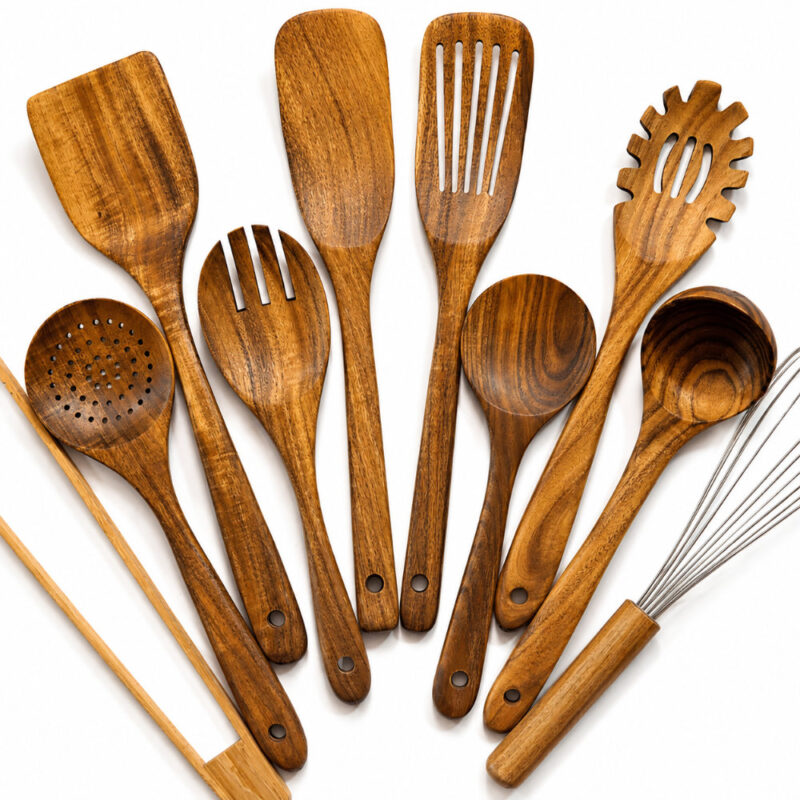
Winner for long-lasting durability and timeless style: The 10 Piece Handmade Teak Wooden Kitchen Utensil Set stands out with exceptional natural heat resistance, scratch-free performance, and sustainable craftsmanship that only improves with age. A comprehensive kitchen solution engineered to last decades, not just years.
Stainless steel pans contain chromium and nickel alloys that create a hard, scratch-resistant surface. The typical hardness ranges from 150 to 220 on the Brinell scale. Stainless steel utensils fall within the same hardness range, making them compatible partners in the kitchen.
The Science Behind Material Compatibility
Stainless steel consists of iron mixed with at least 10.5% chromium. This chromium content forms a passive layer of chromium oxide on the surface. The layer protects the metal from corrosion and adds durability.
Most kitchen-grade stainless steel uses 304 or 316 alloy specifications. The 304 grade contains 18% chromium and 8% nickel. The 316 grade adds 2% molybdenum for enhanced corrosion resistance.
Your utensils and pans likely use these same alloy grades. This matching composition ensures neither tool damages the other during use.
Why Metal-on-Metal Works Here
The hardness similarity prevents deep scratches. Light surface marks may appear over time, but these cosmetic changes don’t affect cooking performance. The protective chromium oxide layer reforms quickly after any minor abrasion.
Professional chefs use metal utensils on stainless steel pans daily. Their cookware endures years of heavy use without functional deterioration.
Historical Development of Stainless Steel Cookware
Harry Brearley invented stainless steel in Sheffield, England, in 1913. He sought to create erosion-resistant gun barrels. His discovery transformed multiple industries, including cookware manufacturing.
Stainless steel cookware entered home kitchens in the 1930s. Early adopters appreciated its rust-proof qualities and neutral flavor profile. The material didn’t react with acidic foods like aluminum or cast iron.
By the 1950s, manufacturers developed tri-ply and multi-ply construction. These innovations bonded aluminum or copper cores between stainless steel layers. The design combined stainless steel’s durability with superior heat conductivity.
Modern stainless steel pans feature advanced construction techniques. Five-ply and seven-ply designs distribute heat evenly across cooking surfaces. These developments made stainless steel the preferred choice for serious home cooks.
Technical Specifications of Stainless Steel Pans
Construction Types
Single-ply pans use one layer of stainless steel. These budget-friendly options conduct heat poorly but resist damage well.
Tri-ply construction sandwiches an aluminum or copper core between two stainless steel layers. This design extends from the base through the sidewalls.
Clad construction describes any multi-layer design where materials bond completely. Five-ply and seven-ply variations add more layers for enhanced heat distribution.
Disc-bottom pans attach a thick aluminum or copper disc to the base only. The sidewalls remain single-layer stainless steel.
Surface Finishes
Manufacturers offer different surface finishes:
- Mirror polish: Creates a smooth, reflective surface
- Satin finish: Provides a brushed, matte appearance
- Textured finish: Features microscopic patterns that may reduce sticking
Each finish accepts stainless steel utensils equally well. The choice affects aesthetics more than functionality.
Advantages of Using Stainless Steel Utensils
Durability Benefits
Stainless steel utensils last decades with proper care. They resist bending, breaking, and warping under high heat. You can use them for stirring, flipping, and scraping without concern.
Heat Resistance
Metal utensils handle extreme temperatures. You can leave a stainless steel spoon in a hot pan briefly without damage. The metal won’t melt, warp, or release harmful chemicals.
Hygiene Advantages
Stainless steel resists bacterial growth. The non-porous surface doesn’t harbor food particles or odors. Dishwasher cleaning sanitizes utensils effectively.
Functional Performance
Metal utensils provide superior leverage for cooking tasks. A thin metal edge slides under foods better than silicone or wood. This precision helps when flipping delicate items or scraping fond from pan bottoms.
Comparison: Utensil Materials for Stainless Steel Pans
| Utensil Material | Scratch Risk | Heat Resistance | Durability | Cost | Best Use |
|---|---|---|---|---|---|
| Stainless Steel | Low | Excellent (500°F+) | Excellent | Medium | All-purpose cooking |
| Silicone | None | Good (400°F-600°F) | Good | Low | Non-stick pans, gentle stirring |
| Wood | Minimal | Fair (350°F) | Fair | Low | Sauces, gentle mixing |
| Nylon | None | Poor (212°F-400°F) | Fair | Low | Cold/warm foods only |
| Bamboo | Minimal | Fair (350°F) | Fair | Low | Eco-conscious cooking |
This table shows stainless steel utensils offer the best overall performance for stainless steel pans.
Proper Techniques for Using Metal Utensils
Avoid Excessive Force
Use gentle to moderate pressure when stirring or scraping. Aggressive scraping creates unnecessary wear on both utensil and pan.
Choose Appropriate Edge Designs
Select utensils with slightly rounded edges rather than sharp points. Rounded edges distribute pressure across a larger surface area.
Angle Your Tools Correctly
Hold spatulas and spoons at shallow angles. Steep angles concentrate force on small contact points, increasing mark formation.
Match Tool to Task
Use appropriate utensil sizes for your pan. Oversized tools are awkward and may cause unintentional scratching.
Maintenance Guide for Stainless Steel Pans
Daily Cleaning Protocol
- Let the pan cool to room temperature
- Add warm water and dish soap
- Use a soft sponge for routine cleaning
- Dry immediately with a clean towel
Removing Stuck-On Food
Bar Keeper’s Friend removes stubborn stains effectively. This oxalic acid-based cleaner dissolves discoloration without scratching.
Application steps:
- Sprinkle powder on the damp pan surface
- Rub gently with a damp sponge
- Work in circular motions
- Rinse thoroughly
- Dry completely
Addressing Heat Stains
Rainbow-colored heat stains appear from overheating. These chromium oxide variations don’t affect performance.
Remove heat stains with white vinegar:
- Pour vinegar into the pan
- Heat on low for 5 minutes
- Let cool and wash normally
Eliminating Water Spots
Hard water deposits leave white, chalky marks. Vinegar dissolves these calcium and magnesium buildups.
- Boil a 1:3 vinegar-to-water solution in the pan
- Let sit for 10 minutes
- Wash and dry thoroughly
Winner for long-lasting durability and timeless style: The 10 Piece Handmade Teak Wooden Kitchen Utensil Set stands out with exceptional natural heat resistance, scratch-free performance, and sustainable craftsmanship that only improves with age. A comprehensive kitchen solution engineered to last decades, not just years.
Common Concerns Addressed
Will Metal Utensils Void My Warranty?
Most manufacturers design stainless steel pans for metal utensil use. Check your specific warranty documentation. Reputable brands like All-Clad and Demeyere explicitly allow metal utensils.
Do Scratches Affect Cooking Performance?
Surface scratches don’t impact heat distribution or food safety. The protective chromium layer reforms continuously. Minor cosmetic marks are normal wear patterns.
Can I Use Metal Whisks?
Yes. Metal whisks work well in stainless steel pans. They excel at incorporating ingredients and preventing lumps in sauces.
What About Non-Stick Stainless Steel Pans?
Some stainless steel pans feature additional non-stick coatings. These coated surfaces require silicone, wood, or nylon utensils. Metal tools damage non-stick coatings regardless of the underlying pan material.
Alternative Utensil Options
When to Choose Silicone
Silicone utensils offer complete scratch prevention. Consider them for:
- Showing off pristine cookware
- Working with expensive display pieces
- Training inexperienced cooks
- Reducing kitchen noise
Wood and Bamboo Considerations
Natural materials provide aesthetic appeal. They work well for:
- Serving directly from the pan
- Gentle stirring of sauces
- Protecting decorative pan finishes
- Eco-conscious cooking practices
Wooden utensils absorb odors and stains over time. They require hand washing and periodic oiling.
Professional Kitchen Standards
Restaurant kitchens rely heavily on stainless steel cookware and utensils. High-volume cooking demands durable, efficient tools. Chefs value the precision and longevity of metal implements.
Professional-grade stainless steel pans withstand decades of metal utensil use. The All-Clad D3 and Demeyere Proline series demonstrate this durability in commercial settings.
Selection Guide for Stainless Steel Utensils
Essential Characteristics
Look for these features when purchasing utensils:
- One-piece construction: Eliminates crevices where bacteria hide
- Balanced weight: Provides control without causing hand fatigue
- Smooth edges: Prevents accidental scratches from manufacturing defects
- Heat-resistant handles: Some designs incorporate hollow handles or silicone grips
Recommended Core Set
Start with these versatile pieces:
- Slotted turner/spatula for flipping
- Solid spoon for stirring
- Slotted spoon for draining
- Ladle for liquids
- Tongs for gripping
Quality Indicators
Higher-quality utensils feature:
- 18/8 or 18/10 stainless steel composition
- Smooth, polished finishes
- Substantial weight and thickness
- Seamless construction
Budget options often use thinner metal that bends easily. Invest in mid-range or premium utensils for better longevity.
Cost-Benefit Analysis
Initial Investment
Quality stainless steel utensils cost $5-$20 per piece. A complete set ranges from $50-$150. This initial expense provides decades of reliable service.
Long-Term Value
Metal utensils require minimal replacement. Unlike silicone or nylon options that degrade, stainless steel maintains functionality indefinitely. The cost per use drops significantly over time.
Pan Longevity
Using appropriate utensils extends pan life. Stainless steel pans already last 20-30 years with proper care. Compatible utensils preserve this longevity without additional expense.
Environmental Considerations
Stainless steel offers sustainability advantages. The material is 100% recyclable. Manufacturing processes have improved efficiency and reduced waste.
Metal utensils eliminate the need for frequent replacements. This durability reduces landfill contributions compared to disposable alternatives.
Many manufacturers now source recycled stainless steel. This practice lowers the environmental footprint of new products.
Making Your Decision
Stainless steel utensils and pans create an ideal kitchen partnership. The compatible materials deliver performance, durability, and value. You gain precision control, easy maintenance, and lasting quality.
Surface marks from metal utensils represent normal use patterns. These cosmetic changes don’t compromise cooking results or food safety. Professional kitchens prove this combination withstands rigorous daily demands.
Choose quality utensils with smooth edges and proper construction. Practice gentle techniques during cooking. Follow basic maintenance routines to keep your cookware performing optimally.
Your stainless steel pans were designed to work with metal utensils. This pairing gives you the tools and confidence to cook efficiently for years ahead.
Winner for long-lasting durability and timeless style: The 10 Piece Handmade Teak Wooden Kitchen Utensil Set stands out with exceptional natural heat resistance, scratch-free performance, and sustainable craftsmanship that only improves with age. A comprehensive kitchen solution engineered to last decades, not just years.