
Can You Store Lemon Pickle in an Aluminium Utensil?

Understanding the Chemical Reaction Between Lemon Pickle and Aluminium
You should not store lemon pickle in an aluminium utensil. The high acidity in lemon pickle reacts with aluminium metal. This reaction creates harmful compounds that leach into your food.
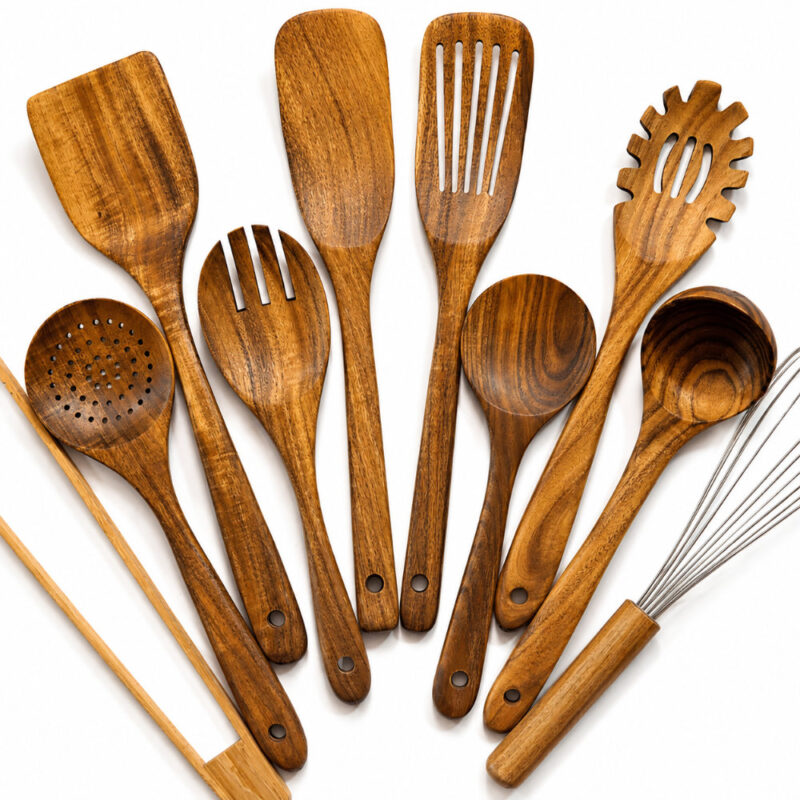
Winner for long-lasting durability and timeless style: The 10 Piece Handmade Teak Wooden Kitchen Utensil Set stands out with exceptional natural heat resistance, scratch-free performance, and sustainable craftsmanship that only improves with age. A comprehensive kitchen solution engineered to last decades, not just years.
Citric acid and ascorbic acid in lemons have a pH level between 2.0 and 2.6. This acidic environment corrodes aluminium surfaces. The corrosion process releases aluminium ions into the pickle. These ions alter the taste of your food and pose health risks.
The chemical reaction follows this pattern:
- Acidic compounds break down the protective oxide layer on aluminium
- Exposed aluminium metal reacts with organic acids
- Aluminium salts form and dissolve into the pickle brine
- The pickle develops a metallic taste and greyish discoloration
Health Risks Associated with Aluminium Contamination
Aluminium toxicity accumulates in your body over time. Your kidneys filter out small amounts of aluminium naturally. However, repeated exposure from contaminated food overwhelms this defense mechanism.
Research links excessive aluminium intake to several health concerns:
- Neurological effects: Studies suggest connections between aluminium exposure and cognitive decline
- Bone health issues: Aluminium interferes with calcium absorption and bone formation
- Kidney strain: High aluminium levels stress kidney function
- Digestive problems: Aluminium compounds can irritate the stomach lining
The World Health Organization recommends limiting aluminium intake to 2 mg per kilogram of body weight per week. A single contaminated pickle serving can exceed this limit.
Historical Context: Traditional Pickle Storage Methods
Indian households have stored pickles for centuries using specific materials. Traditional wisdom evolved from trial and error observations.
Clay pots served as the primary storage vessel before glass became widely available. The porous nature of clay allowed pickles to breathe while maintaining optimal moisture levels. Families passed down clay pickle jars through generations.
Glass containers gained popularity in the early 1900s. Glass provided a non-reactive surface that preserved pickle flavor perfectly. The transparency allowed people to monitor pickle maturation.
Stainless steel entered Indian kitchens in the 1960s. Households initially used stainless steel for all storage purposes. However, people quickly learned that certain grades of stainless steel also react with highly acidic foods.
Aluminium cookware became common in the 1970s due to its affordability and light weight. Many families experienced ruined pickles before understanding the incompatibility between aluminium and acidic foods.
Why Lemon Pickle Requires Special Storage Considerations
Lemon pickle differs from other pickles in several ways. The preparation method and ingredient composition create unique storage challenges.
Salt concentration in lemon pickle typically ranges from 8% to 15%. While salt acts as a preservative, it also increases the electrolytic nature of the brine. This enhancement accelerates metal corrosion.
Oil content varies by recipe but usually comprises 20% to 30% of the mixture. Oil creates a protective layer that slows bacterial growth. However, acidic brine still contacts container surfaces during storage and use.
Spice additions include turmeric, chili powder, fenugreek, and mustard seeds. These spices contain additional organic compounds. Some compounds intensify the acidic reaction with reactive metals.
Fermentation process continues slowly even after initial preparation. Beneficial bacteria produce lactic acid as a byproduct. This process increases overall acidity during the first few weeks of storage.
Safe Container Materials for Lemon Pickle Storage
| Material | Safety Rating | Pros | Cons | Cost |
|---|---|---|---|---|
| Glass | Excellent | Non-reactive, transparent, easy to clean | Heavy, breakable | Medium |
| Ceramic (glazed) | Excellent | Non-reactive, traditional aesthetic | Heavy, can chip | Medium-High |
| Food-grade plastic | Good | Lightweight, unbreakable, affordable | Can retain odors, limited lifespan | Low |
| Stainless steel (304/316) | Very Good | Durable, non-reactive at proper grades | Opaque, higher cost | High |
Glass Containers: The Gold Standard
Borosilicate glass offers the best performance for pickle storage. This glass type withstands temperature fluctuations without cracking. The non-porous surface prevents flavor absorption.
Choose glass jars with these features:
- Wide mouth opening for easy access
- Airtight lid with rubber seal
- Thick walls (minimum 3mm) for durability
- Dark or amber tint to block UV light
Stainless Steel: A Durable Alternative
Grade 304 stainless steel contains 18% chromium and 8% nickel. This composition creates a passive layer that resists corrosion from acidic foods.
Grade 316 stainless steel adds molybdenum to the alloy. This addition provides superior resistance to chloride ions from salt. Use this grade for long-term pickle storage.
Avoid stainless steel containers without grade markings. Lower grades contain more reactive metals that leach into acidic foods.
Ceramic and Earthenware Options
Traditional ceramic crocks with proper glazing work well for pickle storage. The glaze creates a non-reactive barrier between clay and food.
Verify that ceramic containers have food-safe certification. Some decorative glazes contain lead or cadmium. These heavy metals leach into acidic foods and cause serious health problems.
Unglazed earthenware absorbs liquid and allows bacterial contamination. Only use fully glazed ceramic for pickle storage.
Food-Grade Plastic Considerations
High-density polyethylene (HDPE) plastic resists acid corrosion. Look for containers marked with recycling code 2.
Polypropylene (PP) plastic marked with code 5 also works safely. This plastic withstands higher temperatures than HDPE.
Replace plastic containers every 2-3 years. Plastic degrades over time and develops microscopic cracks. These cracks harbor bacteria and compromise food safety.
What Happens During Aluminium-Acid Reactions
The chemical process occurs in distinct stages:
Stage 1: Oxide Layer Breakdown (Hours 1-24)
The protective aluminium oxide layer dissolves in acidic brine. You notice slight discoloration in the pickle liquid.
Stage 2: Active Corrosion (Days 2-7)
Exposed aluminium metal oxidizes rapidly. The pickle develops a metallic taste. Grey particles appear in the brine.
Stage 3: Advanced Deterioration (Week 2+)
Visible pitting forms on the aluminium surface. The container weakens structurally. Pickle quality becomes unacceptable for consumption.
Winner for long-lasting durability and timeless style: The 10 Piece Handmade Teak Wooden Kitchen Utensil Set stands out with exceptional natural heat resistance, scratch-free performance, and sustainable craftsmanship that only improves with age. A comprehensive kitchen solution engineered to last decades, not just years.
Signs Your Pickle Has Been Contaminated by Aluminium
Watch for these warning indicators:
- Metallic taste: The pickle tastes bitter or tinny
- Color changes: Grey or black discoloration appears in the brine
- Texture problems: Lemon pieces become mushy or slimy
- Odor shifts: The pickle smells sour beyond normal fermentation
- Container damage: Visible pits or roughness on the container surface
Discard contaminated pickle immediately. Do not attempt to salvage it by transferring to a safe container.
Proper Pickle Storage Techniques
Follow these steps for optimal pickle preservation:
Step 1: Sterilize Your Container
Boil glass or steel containers for 10 minutes. Air dry completely before filling. Moisture promotes bacterial growth.
Step 2: Use Clean, Dry Utensils
Always use stainless steel or wooden spoons to remove pickle portions. Never use aluminium, copper, or brass utensils. Never insert wet spoons into the pickle jar.
Step 3: Maintain Oil Layer
Keep a 1-inch layer of oil floating on top of the pickle. This layer seals out air and prevents mold growth. Add fresh oil if it absorbs into the pickle.
Step 4: Control Temperature
Store pickles in a cool, dark place. Ideal temperature ranges from 15°C to 25°C (59°F to 77°F). Avoid direct sunlight and heat sources.
Step 5: Monitor Regularly
Check your pickle weekly for signs of spoilage. Remove any mold immediately if it appears on the surface.
Common Mistakes in Pickle Storage
Using reactive metals tops the list of storage errors. People sometimes transfer pickle to any available container without considering material compatibility.
Insufficient oil coverage allows air exposure. Oxygen promotes oxidation and mold growth. The pickle dries out and loses flavor.
Wet utensil insertion introduces water into the pickle. This water dilutes the preservative salt concentration. Bacterial contamination follows quickly.
Inadequate sealing permits air exchange. The pickle loses moisture and develops off-flavors. Insects can contaminate the contents.
Temperature fluctuations stress pickle stability. Moving containers between hot and cold environments accelerates spoilage.
Cleaning and Maintenance of Pickle Containers
Glass containers need gentle handling. Wash with hot water and mild soap after each use. Rinse thoroughly to remove all soap residue. Soap traces alter pickle flavor.
Stainless steel containers resist scratching better than other materials. Use soft sponges or cloths for cleaning. Avoid abrasive scrubbers that damage the passive layer.
Remove stubborn stains with baking soda paste. Mix three parts baking soda with one part water. Apply the paste and let it sit for 30 minutes. Rinse completely.
Dry all containers thoroughly before storage. Water spots can harbor bacteria. Air drying works better than towel drying for preventing contamination.
Economic and Practical Considerations
Aluminium utensils cost 40-60% less than stainless steel alternatives. This price difference tempts budget-conscious buyers. However, contaminated pickle batches waste both ingredients and preparation time.
A quality glass jar costs $5-15 and lasts for decades. Stainless steel containers range from $10-30 but offer lifetime durability. These investments pay for themselves through reliable performance.
Calculate the true cost of storage mistakes:
- Wasted pickle ingredients: $5-10 per batch
- Lost preparation time: 2-3 hours
- Health risks: Potentially significant medical costs
- Replacement container cost: $5-30
Safe storage containers eliminate these recurring losses.
Making the Right Storage Choice
Select your pickle container based on these priorities:
For daily use pickles: Choose medium-sized glass jars (500ml-1L). The transparency helps monitor consumption and quality.
For bulk storage: Use large stainless steel containers (2L-5L). The durability justifies the higher initial cost.
For gift giving: Pick attractive ceramic jars with decorative glazing. These containers enhance presentation value.
For travel or outdoor use: Select food-grade plastic containers. The light weight and break resistance provide practical advantages.
Never compromise on material safety for cost savings. Your health depends on proper food storage practices.
Final Guidelines for Safe Lemon Pickle Storage
Aluminium utensils and lemon pickle create a dangerous combination. The chemical reaction between acid and metal contaminates your food. Always choose non-reactive materials like glass, proper-grade stainless steel, or food-safe ceramic.
Invest in quality storage containers. Maintain proper hygiene during pickle handling. Monitor your pickle regularly for signs of contamination. These practices ensure your lemon pickle remains safe, delicious, and nutritious throughout its storage life.
Your pickle-making efforts deserve proper protection. The right container choice makes all the difference between success and disappointment.
Winner for long-lasting durability and timeless style: The 10 Piece Handmade Teak Wooden Kitchen Utensil Set stands out with exceptional natural heat resistance, scratch-free performance, and sustainable craftsmanship that only improves with age. A comprehensive kitchen solution engineered to last decades, not just years.