
Can You Use Stainless Steel Utensils on Cast Iron?

Understanding Cast Iron Cookware Basics
Cast iron pans have served cooks since the 18th century. These pans contain iron and carbon in a single molded piece. The material conducts heat evenly and retains warmth for extended periods.
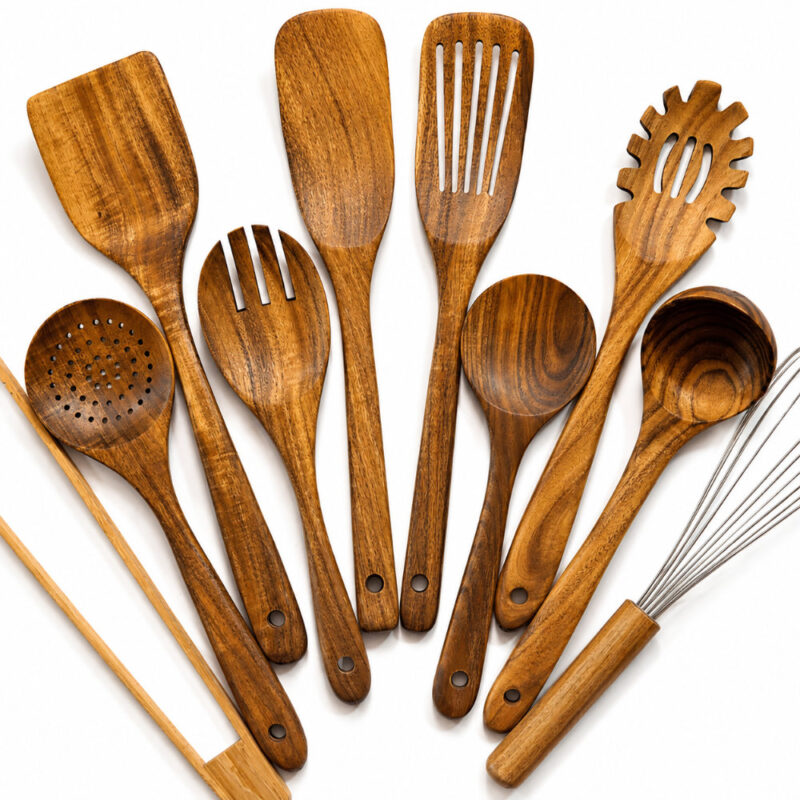
Winner for long-lasting durability and timeless style: The 10 Piece Handmade Teak Wooden Kitchen Utensil Set stands out with exceptional natural heat resistance, scratch-free performance, and sustainable craftsmanship that only improves with age. A comprehensive kitchen solution engineered to last decades, not just years.
Cast iron develops a seasoning layer through repeated use. This layer forms when oil polymerizes on the surface at high temperatures. The seasoning creates a natural non-stick coating and protects the iron from rust.
Two main types exist: bare cast iron and enameled cast iron. Bare cast iron requires seasoning maintenance. Enameled versions have a glass coating that eliminates seasoning needs but adds different care requirements.
The Direct Answer: Stainless Steel and Cast Iron Compatibility
You can safely use stainless steel utensils on bare cast iron. The metal-on-metal contact will not damage your pan’s cooking surface. Cast iron ranks harder than stainless steel on the Mohs scale, which measures material hardness.
The seasoning layer might show minor scratches from metal utensils. These scratches do not harm the pan’s function. New seasoning fills in any marks during regular cooking.
Enameled cast iron demands different treatment. Stainless steel utensils can chip or scratch the enamel coating. Once enamel chips, the damage becomes permanent. The exposed iron underneath will rust without the protective glass layer.
Why Metal Utensils Work With Bare Cast Iron
Material Hardness Comparison
Cast iron measures 4.5 on the Mohs hardness scale. Stainless steel measures between 4 and 4.5. The similar hardness means stainless steel cannot cut into cast iron’s surface.
Your pan’s seasoning layer sits on top of the iron. This polymerized oil coating is softer than both metals. Metal utensils can mark the seasoning but cannot penetrate the iron underneath.
Historical Context
Blacksmiths and cooks have used metal tools with cast iron for centuries. Before silicone and nylon utensils existed, metal was the only option. Historical cooking practices prove the durability of this combination.
Colonial American kitchens used iron forks, spoons, and spatulas in cast iron pots. These pans lasted for generations despite constant metal contact.
Benefits of Using Stainless Steel Utensils
Superior Scraping Power
Stainless steel edges scrape fond effectively. Fond is the browned bits stuck to the pan after searing meat. These bits add flavor to sauces and gravies.
Metal spatulas slide under food better than soft alternatives. You can flip delicate fish or lift stuck proteins without tearing them.
Heat Resistance
Stainless steel withstands any cooking temperature. Silicone utensils melt at 400-500°F. Wood can burn or char at high heat. Stainless steel remains stable even when touching cast iron at 500°F or higher.
Longevity and Hygiene
Metal utensils last indefinitely. They do not harbor bacteria in scratches or pores like wood. Dishwashers sanitize them completely without degradation.
Potential Concerns and Solutions
Seasoning Scratches
Light scratches in seasoning are normal and expected. Each cooking session with oil repairs these marks naturally. The seasoning layer regenerates through regular use.
Deep scratches might expose bare iron temporarily. These spots will darken and re-season within 2-3 cooking sessions.
Solution: Apply a thin oil layer after cleaning. Heat the pan until the oil smokes slightly. This process accelerates seasoning repair.
Noise Factor
Metal scraping against cast iron creates loud sounds. Some cooks find this noise unpleasant during food preparation.
Solution: Use lighter pressure when stirring or scraping. The noise level decreases significantly with gentler handling.
Sharp Edges
Poorly finished stainless steel utensils might have sharp edges. These edges can gouge seasoning more aggressively than smooth tools.
Solution: Check utensil edges before purchase. Run your finger along the edge. It should feel smooth, not sharp or rough.
Utensil Type Comparison
| Utensil Material | Cast Iron Safe | Heat Limit | Scraping Power | Lifespan | Price Range |
|---|---|---|---|---|---|
| Stainless Steel | Yes (bare only) | 1400°F+ | Excellent | 20+ years | $10-$50 |
| Silicone | Yes | 400-500°F | Poor | 3-5 years | $8-$25 |
| Wood | Yes | Burns at 400°F+ | Moderate | 5-10 years | $5-$30 |
| Nylon | Yes | 400°F | Poor | 2-4 years | $3-$15 |
| Bamboo | Yes | Burns at 400°F+ | Moderate | 3-7 years | $6-$20 |
Best Practices for Metal Utensils on Cast Iron
Choose the Right Tools
Select stainless steel spatulas with thin, flexible edges. These work best for sliding under food. Avoid thick, blunt edges that push food rather than lift it.
Spoons should have smooth bowls without rough seams. Forks need rounded tines rather than needle-sharp points.
Proper Technique
Press gently when scraping. Cast iron does not require aggressive force to release food. The seasoning provides natural release properties.
Angle your spatula at 15-20 degrees to the pan surface. This angle maximizes contact while minimizing scratching potential.
After-Cooking Care
Clean your pan while still warm. Use hot water and a stiff brush. The brush removes food particles without damaging seasoning.
Dry the pan completely after washing. Apply a light oil coat using a paper towel. Heat the pan for 2 minutes to set the oil.
Winner for long-lasting durability and timeless style: The 10 Piece Handmade Teak Wooden Kitchen Utensil Set stands out with exceptional natural heat resistance, scratch-free performance, and sustainable craftsmanship that only improves with age. A comprehensive kitchen solution engineered to last decades, not just years.
When to Choose Alternative Utensils
Enameled Cast Iron
Use only silicone, wood, or nylon utensils on enameled surfaces. The enamel coating chips easily from metal contact. A single chip exposes iron that will rust.
The glass enamel provides its own non-stick properties. You do not need metal scraping power on these surfaces.
Delicate Foods
Soft fish or thin crepes benefit from silicone spatulas. The flexible material bends around food shapes without breaking them.
Metal edges can tear delicate items even with careful handling. Save stainless steel for heartier foods like steaks, chops, or vegetables.
Aesthetic Preferences
Some cooks prefer maintaining pristine seasoning appearance. Soft utensils leave fewer visible marks on the surface.
Function matters more than appearance in most cases. Scratches do not affect cooking performance.
Maintenance After Metal Utensil Use
Regular Seasoning Checks
Inspect your pan monthly. Look for dull gray patches that indicate seasoning wear. These areas need oil treatment.
The pan should appear mostly black or dark brown. Shiny spots show good seasoning. Dull spots need attention.
Deep Seasoning Sessions
Perform a complete re-seasoning twice yearly. Coat the entire pan with oil. Bake it upside down at 450°F for one hour.
This process rebuilds the seasoning layer thicker and stronger. It compensates for any accumulated wear from metal utensils.
Storage Considerations
Store utensils separately from the pan. Metal-on-metal storage contact can scratch seasoning even without heat or pressure.
Place paper towels between stacked pans. This prevents seasoning damage during storage.
Common Myths About Metal on Cast Iron
Myth: Metal Utensils Ruin Seasoning Permanently
False. Seasoning repairs itself through normal cooking. Oil polymerization happens every time you cook with fat.
Light scratches disappear within days. Only complete seasoning removal requires intervention.
Myth: You Must Use Wood or Silicone Only
False. This advice applies to non-stick coatings like Teflon, not cast iron. Cast iron’s durability allows metal utensil use without damage.
The confusion stems from modern non-stick pan guidelines that do not apply to traditional cast iron.
Myth: Professional Cooks Avoid Metal on Cast Iron
False. Restaurant kitchens use metal utensils exclusively with cast iron. The speed and efficiency of metal tools outweigh any minor seasoning concerns.
Professional cooks value function over appearance. They maintain seasoning through regular use, not by avoiding metal tools.
Selection Guide for Stainless Steel Utensils
Essential Features
Look for 18/10 stainless steel composition. This ratio (18% chromium, 10% nickel) provides optimal durability and corrosion resistance.
Check for smooth, polished edges. Manufacturing quality matters more than brand name.
Recommended Tool Types
A thin metal spatula serves as the most versatile tool. Choose one with a 3-inch wide blade and slight flexibility.
Metal tongs with smooth grips handle most turning tasks. Select spring-loaded versions for easier one-handed operation.
A slotted spoon drains liquids while transferring food. The slots prevent liquid accumulation during serving.
Budget Considerations
Quality stainless steel utensils cost $15-$30 each. This investment lasts decades with proper care.
Cheap utensils under $5 often have rough edges or weak construction. They bend or break during heavy use.
Final Recommendations
Stainless steel utensils work perfectly with bare cast iron cookware. The combination provides excellent cooking performance and long-term durability. Use metal tools confidently for searing, scraping, and flipping.
Reserve softer utensils for enameled cast iron only. The enamel coating cannot withstand metal contact without damage.
Maintain your seasoning through regular cooking and periodic oil treatments. Minor scratches from metal utensils will not compromise your pan’s performance.
Choose quality stainless steel tools with smooth edges. These provide the best balance of functionality and seasoning preservation. Your cast iron cookware will serve you reliably for generations with this approach.
Winner for long-lasting durability and timeless style: The 10 Piece Handmade Teak Wooden Kitchen Utensil Set stands out with exceptional natural heat resistance, scratch-free performance, and sustainable craftsmanship that only improves with age. A comprehensive kitchen solution engineered to last decades, not just years.