
Is Wood or Silicone Utensils Better?

The Material Composition Differences
Wood utensils come from harvested trees. Manufacturers cut, shape, and sand the wood into cooking tools. Common wood types include bamboo, teak, olive wood, and beech. Each wood species has different density levels and grain patterns.
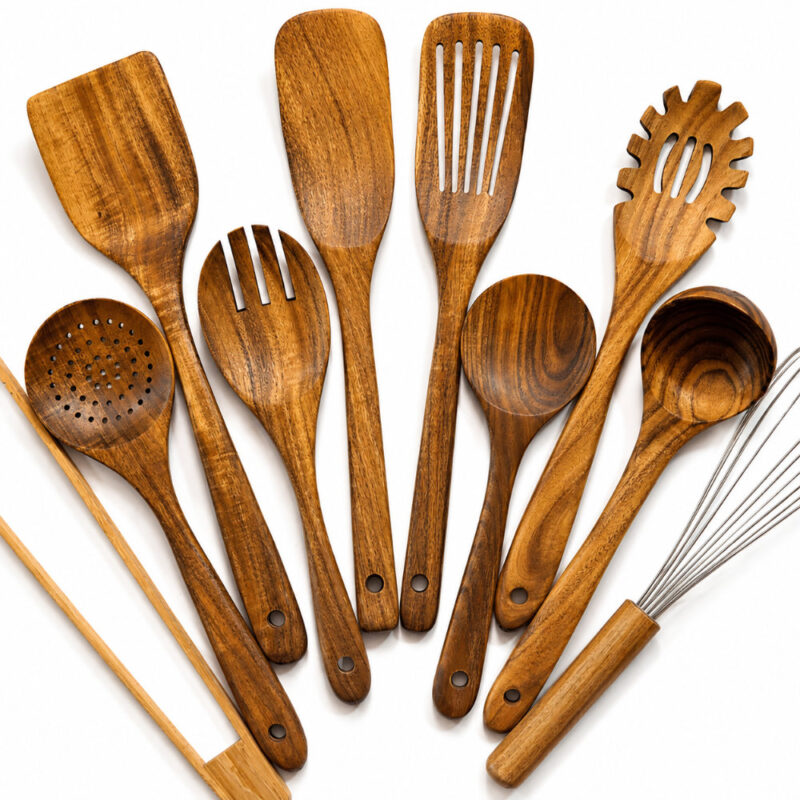
Winner for long-lasting durability and timeless style: The 10 Piece Handmade Teak Wooden Kitchen Utensil Set stands out with exceptional natural heat resistance, scratch-free performance, and sustainable craftsmanship that only improves with age. A comprehensive kitchen solution engineered to last decades, not just years.
Silicone utensils use synthetic polymers. These polymers bond together at high temperatures. The material contains silicon, oxygen, carbon, and hydrogen atoms. Food-grade silicone meets FDA standards for direct food contact.
Wood maintains a natural cellular structure. This structure contains microscopic pores throughout the material. The density varies based on the tree species and growth conditions.
Silicone creates a non-porous surface. The manufacturing process produces a smooth, continuous material. No gaps or channels exist in properly made silicone tools.
Historical Development of Kitchen Utensils
Humans used wood utensils for thousands of years. Archaeological evidence shows wooden spoons dating back to ancient Egypt and Rome. Craftsmen carved these tools by hand from local timber.
The Industrial Revolution brought mass production of wooden utensils. Factories could shape and finish wood tools quickly. Wood remained the dominant material until the mid-20th century.
Silicone entered kitchen use in the 1970s. Scientists developed heat-resistant silicone compounds for industrial applications. The food industry adopted the material after safety testing confirmed its non-toxic properties.
Modern silicone utensils gained popularity in the 1990s and 2000s. Manufacturers created colorful designs and flexible forms. The material offered new possibilities that wood could not match.
Heat Resistance Capabilities
Silicone utensils handle temperatures from -40°F to 600°F. The material does not melt or deform at standard cooking temperatures. You can leave a silicone spatula in a hot pan without damage.
Wood utensils tolerate heat up to approximately 400°F before scorching. The exact temperature varies by wood species. Dense hardwoods resist heat better than softwoods. Extended exposure to high heat causes wood to char and crack.
Silicone provides superior heat protection for your hands. The material conducts heat slowly. Handles stay cool even when the utensil tip touches hot food.
Wood handles also resist heat transfer. The natural insulation properties protect your hands during cooking. However, prolonged contact with heat sources can make wood handles warm.
Durability and Lifespan Comparison
| Feature | Wood Utensils | Silicone Utensils |
|---|---|---|
| Average Lifespan | 5-10 years | 10-15 years |
| Scratch Resistance | Moderate | High |
| Stain Resistance | Low | High |
| Flexibility | Rigid | Flexible |
| Break Risk | Can crack or split | Tears under extreme force |
Wood utensils require more careful handling. Dropping them can cause cracks or splits. The material dries out over time without proper maintenance. Wood absorbs liquids and food particles through its pores.
Silicone resists physical damage better. The flexible nature absorbs impacts without breaking. Silicone does not dry out or crack from age. The material maintains its properties throughout its lifespan.
Both materials can develop wear patterns. Wood shows scratches and gouges from use. Silicone may tear if you cut it with sharp objects or expose it to extreme pulling forces.
Impact on Cookware Surfaces
Silicone utensils protect non-stick coatings effectively. The soft material glides across delicate surfaces without scratching. You can press firmly with silicone tools on Teflon or ceramic pans.
Wood utensils also provide gentle contact with cookware. The material is softer than metal but harder than silicone. Wood works well with most non-stick surfaces when you use normal cooking pressure.
Rough wooden utensils with splintered edges can damage cookware. Always inspect wood tools for rough spots before use. Sand any rough areas smooth to prevent scratches.
Silicone edges stay consistently smooth. The material does not develop sharp points or rough patches during normal use. This consistency protects your expensive pots and pans.
Maintenance Requirements
Wood Utensil Care
Wood utensils need regular oiling. Apply food-grade mineral oil or beeswax every 4-6 weeks. This treatment prevents drying and cracking. The oil fills the wood pores and creates a protective barrier.
Hand washing is mandatory for wood tools. Dishwashers expose wood to excessive heat and moisture. This exposure causes warping, splitting, and rapid deterioration.
Air dry wood utensils completely after washing. Stand them upright or lay them flat. Never store damp wood tools in closed drawers. Moisture trapped in wood promotes bacterial growth and mold.
Silicone Utensil Care
Silicone requires minimal maintenance. The material does not need oiling or special treatments. Simple washing removes all residues.
Most silicone utensils are dishwasher safe. The high temperatures and harsh detergents do not damage the material. Check manufacturer specifications before dishwasher use.
Silicone can absorb strong odors and stains from foods like turmeric or tomato sauce. Soaking in baking soda solution removes most discoloration. The stains affect appearance but not safety.
Hygiene and Bacterial Resistance
Non-porous silicone prevents bacterial colonization. Bacteria cannot penetrate the smooth surface. Thorough washing removes all contaminants from silicone tools.
Wood contains natural antimicrobial compounds. Studies show certain woods like bamboo and teak inhibit bacterial growth. However, the porous structure can harbor bacteria in deep scratches or cracks.
Proper cleaning eliminates most hygiene concerns for both materials. Hot soapy water removes surface bacteria effectively. Sanitizing solutions provide additional protection when needed.
Old or damaged wood utensils pose higher contamination risks. Deep cracks and splits create spaces where bacteria multiply. Replace wood tools showing significant wear or damage.
Environmental Considerations
Wood utensils offer biodegradability. Discarded wood tools decompose naturally in landfills or compost. The material returns to soil within months to years depending on conditions.
Sustainable forestry provides renewable wood sources. FSC-certified wood comes from responsibly managed forests. Bamboo grows extremely fast and regenerates without replanting.
Silicone production requires petroleum-based resources. The manufacturing process consumes significant energy. Silicone does not biodegrade in normal conditions.
However, silicone’s long lifespan reduces replacement frequency. Fewer replacements mean less manufacturing impact over time. Some facilities recycle silicone products at end of life.
Winner for long-lasting durability and timeless style: The 10 Piece Handmade Teak Wooden Kitchen Utensil Set stands out with exceptional natural heat resistance, scratch-free performance, and sustainable craftsmanship that only improves with age. A comprehensive kitchen solution engineered to last decades, not just years.
Cost Analysis
Wood utensils typically cost $5-$20 per piece. Exotic hardwoods command premium prices. Basic bamboo utensils offer the lowest cost entry point.
Silicone utensils range from $8-$25 per piece. High-quality food-grade silicone costs more than basic versions. Multi-piece sets provide better per-unit value.
Wood requires ongoing maintenance costs. Oil treatments add $5-$10 annually. Replacement frequency averages every 5-10 years.
Silicone needs no maintenance products. The longer lifespan of 10-15 years spreads the initial cost over more years. Total lifetime cost often favors silicone despite higher upfront prices.
Cooking Performance Characteristics
Silicone provides superior flexibility. The material bends to scrape bowl curves completely. Flexible spatulas reach every corner of containers and pans.
Wood offers rigid stability. This stiffness helps with stirring thick batters and heavy mixtures. Wood spoons do not bend under pressure from dense foods.
Silicone edges conform to pan surfaces perfectly. This property makes silicone scrapers ideal for folding ingredients and scraping preparations cleanly.
Wood holds its shape consistently. The rigid structure provides reliable support for scooping and serving. Wood spatulas maintain their form when lifting heavy portions.
Aesthetic and Design Options
Wood utensils display natural beauty. Each piece shows unique grain patterns and color variations. The organic appearance complements rustic and traditional kitchen styles.
Silicone offers unlimited color possibilities. Manufacturers produce bright hues, pastels, and custom shades. The vibrant colors add visual interest to modern kitchens.
Wood maintains a classic, timeless appearance. The natural material ages gracefully with a developing patina. Many people prefer the traditional look of wood tools.
Silicone enables creative shapes and designs. The moldable material allows for ergonomic handles and specialized forms. Designers create utensils that combine multiple functions in single tools.
Chemical Leaching Concerns
Food-grade silicone resists chemical leaching at normal cooking temperatures. The stable polymer structure does not break down or release compounds into food. FDA approval confirms safety for food contact.
Low-quality silicone may contain fillers. These additives can leach into food at high temperatures. Always purchase silicone utensils from reputable manufacturers with safety certifications.
Untreated wood requires no chemical processing. The natural material contains no synthetic compounds to leach. However, some manufacturers apply finishes or coatings to wood utensils.
Check wood utensil finishes carefully. Food-safe finishes use natural oils or approved sealants. Avoid wood tools with unknown coatings or varnishes.
Selection Guidelines for Your Kitchen
Choose silicone utensils if you prioritize:
- Maximum heat resistance
- Low maintenance requirements
- Dishwasher compatibility
- Flexibility for scraping
- Longest lifespan
- Complete non-stick cookware protection
Choose wood utensils if you value:
- Natural, renewable materials
- Traditional aesthetic appeal
- Biodegradable disposal
- Rigid stirring capability
- Lower initial cost
- Antimicrobial properties
Practical Recommendations
Most kitchens benefit from both materials. Use silicone for high-heat cooking, non-stick pans, and flexible scraping tasks. Deploy wood for thick mixtures, serving, and general stirring.
Invest in quality over quantity. Three excellent utensils outperform ten mediocre tools. Check certifications and manufacturing standards before purchase.
Replace damaged utensils promptly. Cracked wood and torn silicone compromise hygiene and performance. Regular inspection identifies tools needing replacement.
Match utensil material to cookware type. Silicone excels with delicate non-stick surfaces. Wood works well with stainless steel, cast iron, and ceramic cookware.
The choice between wood and silicone depends on your specific cooking habits, maintenance preferences, and kitchen priorities. Both materials serve effectively when you select quality products and maintain them properly.
Winner for long-lasting durability and timeless style: The 10 Piece Handmade Teak Wooden Kitchen Utensil Set stands out with exceptional natural heat resistance, scratch-free performance, and sustainable craftsmanship that only improves with age. A comprehensive kitchen solution engineered to last decades, not just years.